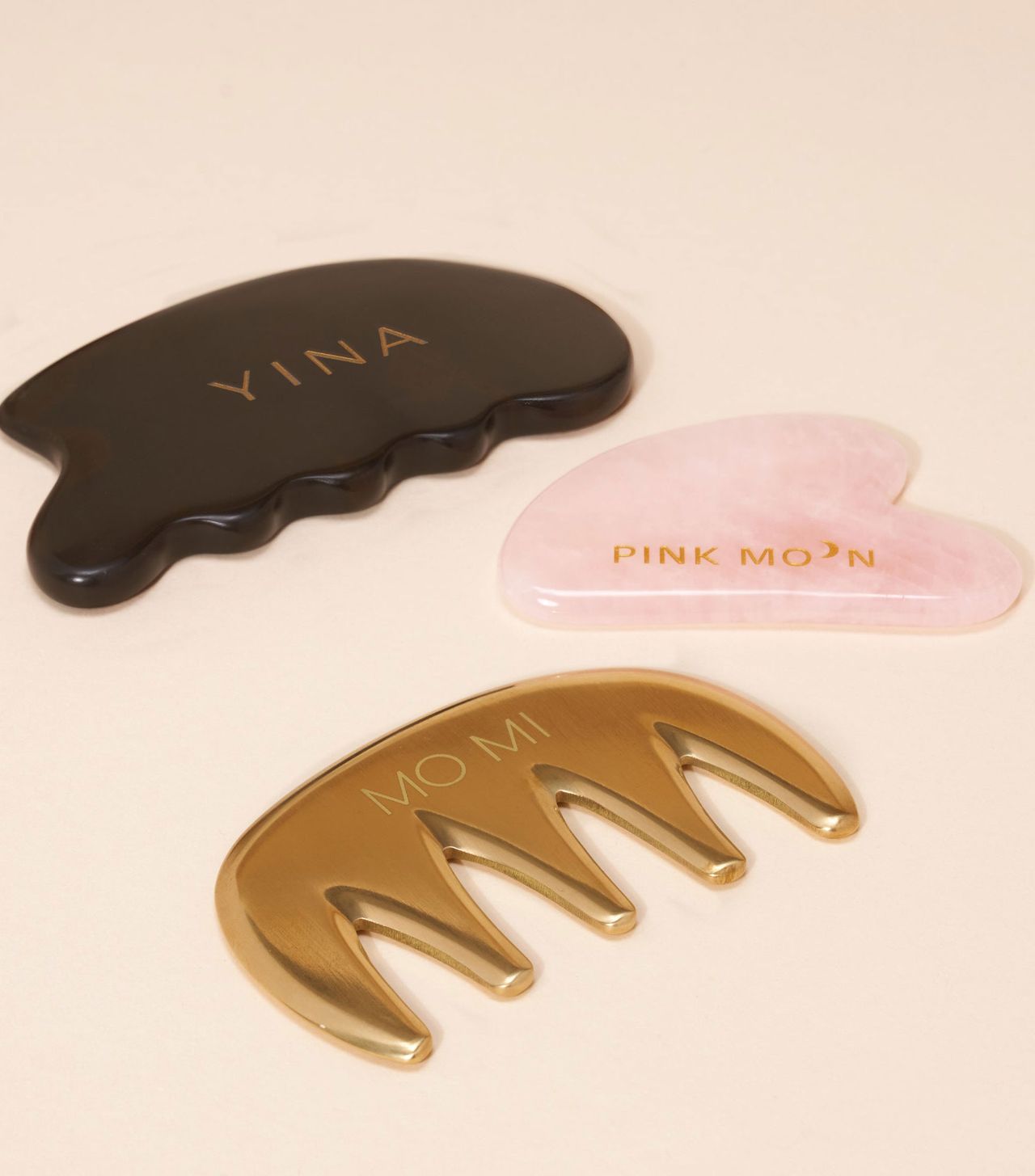
Choosing the best gua sha material requires evaluating stone porosity, edge thickness, grip ergonomics, thermal conductivity, and ease of sanitization to match your skin type and facial contours safely and effectively.
Introduction to Gua Sha Materials and Skin Health
Gua sha has evolved from a traditional East Asian healing technique into a cornerstone of modern facial care. While the physical action of scraping the skin to stimulate microcirculation and lymphatic drainage remains consistent, the tool itself has undergone a significant material transformation. Today, users can choose from a vast array of stones, metals, woods, and resins. However, selecting the right material is far more than an aesthetic decision. The physical properties of your gua sha tool directly dictate how it interacts with the skin barrier, how it holds temperature, and how susceptible it is to harboring bacteria.
Understanding the underlying factors of gua sha materials helps users avoid common pitfalls, such as using porous stones that trap pathogens or choosing overly brittle minerals that chip and create microscopic jagged edges. This guide examines the five critical factors you must analyze to choose the best gua sha material for your specific skin type, hygienic needs, and daily routine.
Factor 1: Porosity and Micro-Structure (The Hygiene Factor)
The structural density of a material is the single most important factor determining its safety and longevity. Skin contact inevitably transfers sebum, dead skin cells, and residual facial oils to the tool. If the material is porous, these organic substances seep into microscopic fissures, creating an ideal breeding ground for bacteria that can lead to breakouts, irritation, or skin infections.
Natural stones vary wildly in their structural integrity. Authentic jade, quartz (rose quartz, clear quartz, or aventurine), and obsidian are dense, crystalline minerals with extremely low porosity. When polished smooth, they present a sealed surface that resists fluid absorption. Conversely, some stones marketed as jade or quartz are actually softer, more porous minerals, or even reconstituted stone dust mixed with polymers.
When evaluating porosity, consider the following structural distinctions:
- Non-Porous Crystalline Stones: Real jade and quartz feature tightly locked crystal matrices. They absorb zero moisture when properly polished.
- Semi-Porous Stones: Materials like unsealed marble or certain types of serpentine can have microscopic pits if they are low-grade or poorly finished.
- Synthetic Resins and Acrylics: While smooth initially, plastics and resins can develop micro-scratches over time from minor drops, creating hidden grooves where bacteria accumulate.
To verify a stone's non-porous nature, inspect it closely under bright light. High-grade stones feel cool to the touch immediately, whereas synthetic imitations often feel room-temperature and may exhibit tiny air bubbles trapped beneath the surface under magnification.
Factor 2: Thermal Conductivity and Temperature Retention
One of the primary physiological benefits of facial gua sha is its ability to soothe inflammation, reduce puffiness, and constrict surface blood vessels. This effect is heavily dependent on the material's thermal conductivity—its capacity to absorb, retain, and transfer heat or cold.
Different materials interact with ambient temperature and facial warmth in distinct ways:
- High Thermal Mass (Natural Stones): Genuine stones like jade and quartz naturally maintain a cool temperature. When stored in a refrigerator or exposed to room air, they stay chilled during a massage session, providing a refreshing vasoconstrictive effect that helps depuff the under-eye area.
- Moderate Thermal Mass (Stainless Steel and Metals): Metal tools cool down rapidly in the refrigerator and retain that chill longer than almost any stone. However, they also warm up quickly to body temperature upon prolonged skin contact.
- Low Thermal Mass (Wood and Plastics): Wooden tools and acrylics adapt almost instantly to room and body temperature. They provide no natural cooling benefit, which limits their effectiveness for acute inflammation or lymphatic drainage routines aimed at reducing morning swelling.
If your primary goal is to alleviate morning puffiness or calm reactive, rosacea-prone skin, prioritizing a high-thermal-mass natural stone or medical-grade stainless steel is essential.
Factor 3: Edge Thickness and Facial Contour Adaptation
A gua sha tool is only as effective as its edge profile. The contours of the human face—ranging from the sharp bridge of the nose and the delicate orbital bone to the broad expanse of the jawline and cheeks—require a tool with varied edge thicknesses and curvatures.
If an edge is too thick, it cannot apply precise pressure to acupressure points or hug the jawline effectively. If an edge is too sharp or poorly polished, it can create friction tears, micro-abrasions, or bruising (sha) on delicate facial skin.
| Material Type | Typical Edge Finish | Contour Adaptability | Risk of Micro-Chipping |
|---|---|---|---|
| Rose Quartz / Jade | Hand-polished, smooth, medium-thick | Excellent; versatile for curves and flat zones | Moderate (if dropped) |
| Stainless Steel | Precision-milled, very thin and smooth | Superior; hugs sharp facial bones tightly | Low (virtually unbreakable) |
| Bian Stone | Micro-textured, slightly grippy, moderate | Good; traditional feel with slight drag | Low to Moderate |
| Kansa Metal | Smooth, rounded, often heavy | Moderate; better for broad strokes than detail | Low |
When inspecting a tool's edges, run your finger along every curve. There should be no sharp 90-degree angles, rough spots, or invisible seams. The transition from the flat body of the tool to the scraping edge must be gradual and completely seamless to ensure smooth gliding over facial oils or serums.
Factor 4: Ergonomics, Weight, and Grip Security
Facial massage requires a delicate balance of pressure and control. A tool that slips from your hand or causes hand fatigue mid-session will lead to inconsistent pressure application and potential accidental drops.
The weight and surface finish of the material dictate its ergonomic performance:
- Stone Tools: Natural stones have a satisfying, substantive weight. However, when coated in facial oil or serum, polished jade and quartz can become remarkably slippery. To compensate, look for tools designed with ergonomic indentations, heart shapes, or wing configurations that accommodate your fingers.
- Metal Tools: Stainless steel or brass tools are often stamped or cast into thinner profiles. While durable, their lower weight requires the user to apply more manual downward pressure, whereas heavier stones do much of the work through gravity.
- Resin and Plastic Tools: These are exceptionally lightweight. While easy to hold, their lack of heft means you must consciously regulate your pressure, increasing the risk of pressing too hard.
Select a shape that matches your hand size. Heart-shaped and "S"-shaped tools offer multiple grabbing points, allowing you to switch angles easily without losing your grip while your hands are slick with product.
Factor 5: Durability, Drop Resistance, and Maintenance
Everyday use involves inevitable risks: tools get dropped on tile floors, exposed to hot water during cleaning, or packed into travel bags. Material durability dictates whether your gua sha tool will last for decades or shatter into shards upon its first minor impact.
Natural crystals like jade, rose quartz, and amethyst are crystalline minerals. While hard against scratches, they possess cleavage planes, meaning a sharp drop onto a hard bathroom floor will often snap them cleanly in half. Bian stone, a composite of microcrystalline limestone, is similarly brittle.
Conversely, medical-grade stainless steel is virtually indestructible. It can be dropped repeatedly, soaked in boiling water, or sanitized with aggressive medical disinfectants without degrading.
Maintenance protocols also vary by material:
- Natural Stones: Require gentle cleaning with mild soap and lukewarm water. Avoid harsh chemical sterilizers, alcohol submersions for prolonged periods, or boiling water, as extreme thermal shock can crack natural crystals.
- Metals: Can be sanitized with rubbing alcohol, washed with antibacterial soap, and even sterilized, making them the gold standard for multi-client professional aesthetics use.
- Wood: Requires specialized oils to prevent drying and cracking, and cannot be submerged in water for extended periods, making it less than ideal for high-moisture skincare regimens.
Comprehensive Material Comparison
To summarize how these five factors intersect across the most popular options on the market, reference the comparison below:
- Rose Quartz & Jade: Best for traditional users seeking natural cooling and low porosity. Moderate durability; requires careful handling to prevent breakage.
- Medical-Grade Stainless Steel: Best for durability, hygiene, and sustained cooling. Non-porous, unbreakable, and exceptionally easy to sanitize.
- Bian Stone: Best for those seeking traditional texture and purported vibrational properties. Requires gentle cleaning and careful drop prevention.
- Amethyst & Clear Quartz: Best for aesthetic preference and ritualistic skincare. Similar structural properties to rose quartz with comparable care requirements.
Common Mistakes When Selecting a Gua Sha Tool
Navigating the market for facial tools involves steering clear of misleading marketing and structural pitfalls. Avoiding these frequent errors ensures you invest in a safe, effective tool:
- Buying Dyed or Chemically Treated Glass: Many budget-friendly tools sold online as "jade" are actually dyed glass or plastic. Glass lacks the authentic thermal mass of real stone and can have hidden seam lines from manufacturing molds.
- Ignoring Micro-Cracks: Inspecting a stone upon arrival is vital. A pre-existing hairline fracture in a crystal tool will inevitably widen under facial pressure, eventually snapping the tool during use.
- Prioritizing Aesthetics Over Ergonomics: An intricately carved tool with elaborate points and ridges may look stunning on a vanity, but if those decorative elements dig painfully into your fingers during a stroke, the tool is functionally impractical.
- Neglecting Sanitization Limits: Choosing a porous or wood-based material if you have acne-prone skin invites bacterial transfer. Match your skin’s vulnerability directly to the material's hygienic rating.
Frequently Asked Questions
How can I tell if my gua sha stone is real or fake?
Real stone tools feel noticeably cold to the touch and take longer to warm up in your hand than glass or plastic. Authentic stones also tend to be heavier than synthetic imitations of the exact same size. If you look closely under magnification, real crystals show natural variations, internal veining, or tiny mineral inclusions, whereas fakes often look uniform or reveal trapped air bubbles.
Is stainless steel better than stone for acne-prone skin?
Stainless steel is generally superior for acne-prone skin because it is completely non-porous and can be thoroughly sanitized with rubbing alcohol after every single use without degrading. Natural stones are also non-porous when properly polished, but minor micro-abrasions from accidental drops can trap bacteria over time, making metal a safer, more hygienic choice for blemish-prone complexions.
Can I put my gua sha stone in the freezer?
Placing a stone gua sha tool in the refrigerator is safe and effective for achieving a depuffing, cooling effect. However, you should avoid putting natural crystals directly into the freezer. The extreme, rapid temperature drop can cause thermal shock, creating internal fractures that weaken the stone and cause it to snap the next time you apply pressure to your face.
How often should I clean my gua sha tool?
You should wash your gua sha tool after every single use. Residual facial oil, serum, and dead skin cells accumulate rapidly on the surface. Wash it thoroughly with warm water and a gentle, fragrance-free facial cleanser or antibacterial soap, then pat it dry completely with a clean microfiber towel before storing it.
Does the shape of the gua sha tool matter more than the material?
Both factors are equally important, but they serve different functions. The material dictates hygiene, thermal properties, and skin safety, while the shape determines how well the tool navigates facial contours. Ideally, you should select a material that meets your skin health and hygiene needs, shaped with a curved edge for cheeks, a notched edge for the jawline, and a smaller rounded end for the under-eye area.
Practical Next Actions
Start by assessing your primary skincare goal—whether it is reducing morning puffiness, managing blemish-prone skin, or seeking a durable travel-friendly tool. Inspect your current routine and skin sensitivity. If you prioritize easy sanitization and unbreakable durability, invest in a medical-grade stainless steel tool. If you prefer traditional ritual and natural temperature retention, select a high-grade, authentic rose quartz or jade tool from a reputable supplier, and establish a strict post-use cleaning habit with mild soap and water to protect your skin barrier.