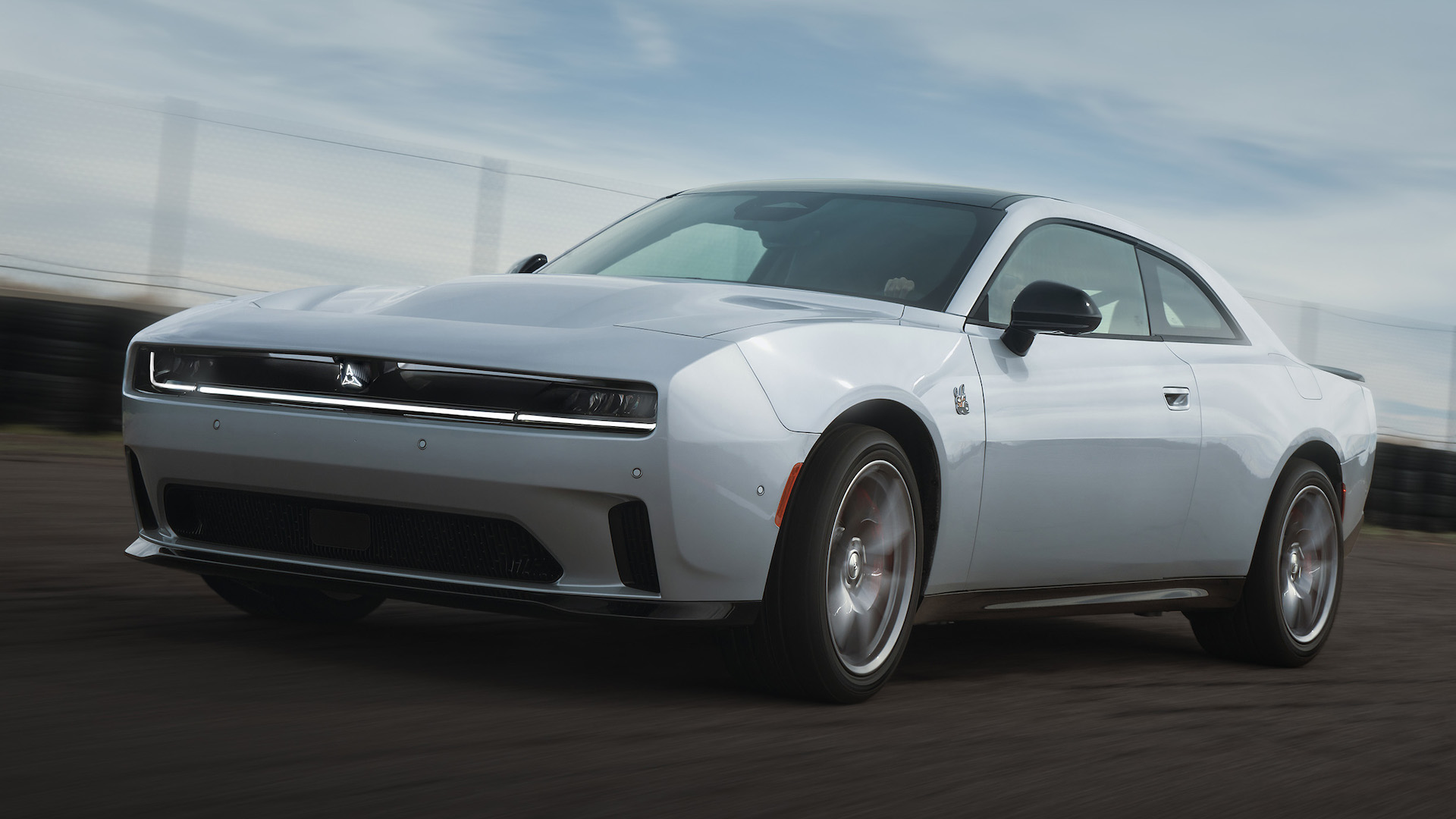
Achieving a 0-60 mph acceleration time of approximately 4.7 seconds places certain generations and configurations of the Dodge Charger R/T—particularly those equipped with specific powertrain enhancements, aftermarket upgrades, or lighter historical trims—firmly into high-performance territory. While stock modern 5.7L Hemi V8 Dodge Charger R/T models typically achieve 0-60 mph times in the low-to-mid 5-second range, reaching the 4.7-second threshold reflects optimal traction conditions, favorable weather, professional driving techniques, or select light modifications such as performance tires, custom tuning, or cold-air intakes.
Evaluating muscle car performance metrics requires looking past marketing claims to understand how powertrain architecture, transmission gearing, curb weight, and track conditions intersect. For automotive enthusiasts analyzing the Dodge Charger R/T, dissecting the 4.7-second 0-60 mph benchmark involves examining the hardware beneath the sheet metal, the physics of rear-wheel-drive launches, and the factory evolution of Dodge's iconic four-door sedan.
The Evolution of the Dodge Charger R/T Powertrain
To understand how a Dodge Charger R/T approaches or achieves a 4.7-second 0-60 mph time, one must examine the evolution of the platform's engine and transmission options. The Road/Track (R/T) designation has historically sat above the base V6 models (such as the SXT or GT) and below the ultra-high-performance SRT variants, utilizing the legendary 5.7-liter Hemi V8 engine.
Throughout the modern modern-era LX, LD, and subsequent platform iterations spanning from the mid-2000s through the 2023 model year (the final production run of the gas-powered V8 Charger), the 5.7L Hemi V8 has generated between 370 horsepower and 395 horsepower, paired with torque ratings hovering around 395 lb-ft. Power is routed to the rear wheels—or occasionally an all-wheel-drive system on select historical trims—via automatic transmissions. Early models featured a 5-speed automatic, while later models transitioned to the highly responsive ZF 8-speed automatic transmission.
The introduction of the ZF 8-speed automatic transmission was a pivotal turning point for the Charger R/T's acceleration metrics. By optimizing gear ratios and reducing shift times, the 8-speed transmission allowed the 5.7L Hemi to stay within its optimal power band much longer during hard acceleration. While a factory-stock 5.7L Hemi Charger R/T with an 8-speed automatic typically clocks official or independent magazine test times around 5.1 to 5.3 seconds under ideal track conditions, achieving 4.7 seconds requires either ideal environmental variables, slope corrections, or light aftermarket tuning.
Physics of Launching a Heavy Rear-Wheel-Drive Sedan
Achieving a sub-5-second 0-60 mph time in a full-size, rear-wheel-drive American sedan weighing over 4,000 pounds is heavily dependent on launch physics and traction management. Weight transfer plays a critical role: upon acceleration, weight shifts backward onto the rear tires, increasing the vertical load and mechanical grip on the drive wheels.
However, too much throttle input results in immediate wheel spin, destroying acceleration times. The Charger R/T's electronic stability control (ESC) and traction control systems are designed to cut power if wheel slip is detected. Professional drivers or performance enthusiasts attempting to optimize acceleration typically configure drive modes, engage performance launch controls where available, and carefully modulate throttle application to balance tire adhesion with maximum torque delivery.
Surface preparation, ambient temperature, and elevation also heavily influence recorded 0-60 mph times. A prepared drag strip with VHT traction compound yields significantly faster times than a cold, dusty public asphalt road. Furthermore, density altitude—which accounts for temperature, humidity, and barometric pressure—affects internal combustion engine output, sometimes robbing naturally aspirated V8 engines of perceptible horsepower in high-altitude environments.
Factory Performance Specifications vs. Real-World Testing
Automotive journalists and testing organizations like Car and Driver or MotorTrend frequently test vehicle acceleration using specialized GPS data-logger hardware (such as Racelogic VBOX equipment) with one-foot rollout subtracted, matching standard industry testing protocols.
When comparing factory data to independent real-world results, variances are common. The table below outlines how various factory and modified configurations of Dodge Charger models compare in acceleration benchmarks.
| Vehicle Configuration | Engine & Transmission | Factory / Estimated HP | Typical 0-60 MPH Time |
|---|---|---|---|
| Dodge Charger R/T (Stock - 8-Speed) | 5.7L Hemi V8 / 8-Speed Auto | 370 hp | 5.1 – 5.3 seconds |
| Dodge Charger R/T (Light Mods / Tune) | 5.7L Hemi V8 / 8-Speed Auto | ~390-410 hp (Estimated) | 4.7 – 4.9 seconds |
| Dodge Charger Scat Pack (Stock) | 6.4L 392 Hemi V8 / 8-Speed Auto | 485 hp | 4.3 – 4.5 seconds |
| Dodge Charger SRT Hellcat (Stock) | 6.2L Supercharged V8 / 8-Speed Auto | 707 – 797 hp | 3.6 – 3.8 seconds |
As demonstrated by the performance tiers, the 4.7-second mark bridges the gap between a standard stock 5.7L R/T and the naturally aspirated 6.4-liter 392 Hemi engine found in the Scat Pack. Owners seeking to bridge this performance gap with a standard R/T frequently look to specific modifications.
Common Modifications to Reach 4.7 Seconds in an R/T
Because a stock 5.7L Charger R/T generally lands in the low 5-second range, achieving a consistent 4.7-second 0-60 mph time usually involves addressing factory bottlenecks. Weight, traction, and airflow are the primary targets for optimization.
1. Upgraded Tires and Wheels
Factory all-season tires prioritize longevity and wet-weather driving over maximum launch traction. Upgrading to a dedicated high-performance summer compound or sticky drag radials significantly reduces wheel slip off the line, often shaving tenths of a second off a 0-60 mph run entirely on its own. Wider rear wheels allow for a broader contact patch to handle the Hemi's low-end torque.
2. Powertrain Tuning and Throttle Controllers
Engine control unit (ECU) recalibration optimizes air-fuel ratios, ignition timing, and shift points. Custom dyno tunes unlock hidden horsepower and torque from the 5.7L Hemi engine. Additionally, throttle controllers eliminate factory throttle lag, ensuring that pedal input translates instantaneously into butterfly valve opening and acceleration.
3. Exhaust and Air Intake Systems
While cold-air intakes and cat-back exhaust systems yield modest peak horsepower gains on modern V8 engines, they improve volumetric efficiency and reduce pumping losses. More importantly, they allow the engine to breathe more freely at high RPMs, contributing to sustained pulling power through first and second gears.
Potential Risks and Limitations of Performance Driving
Modifying a vehicle to achieve faster acceleration times places increased mechanical stress on the drivetrain. Drivers and enthusiasts should consider several operational factors before attempting aggressive acceleration runs:
- Drivetrain Stress: Repeated hard launches increase wear on the transmission, driveshaft, universal joints, and rear differential ring-and-pinion gears.
- Tire Wear: High-performance sticky compounds wear out much faster than standard all-season tires and perform poorly in freezing temperatures or heavy rain.
- Legal and Safety Considerations: Practicing high-speed acceleration runs on public roads poses severe legal risks, including reckless driving citations, vehicle impoundment, and catastrophic safety hazards to other motorists. Always conduct performance testing on sanctioned closed courses or drag strips.
Frequently Asked Questions
Is a 4.7-second 0-60 mph time stock for a Dodge Charger R/T?
No. A factory-stock modern Dodge Charger R/T equipped with the 5.7-liter Hemi V8 typically achieves a 0-60 mph time between 5.1 and 5.3 seconds under optimal conditions. Achieving 4.7 seconds generally requires favorable environmental factors, a one-foot rollout, or light performance enhancements such as better tires and engine tuning.
Which Dodge Charger model hits 0-60 mph in the low 4-second range stock?
The Dodge Charger Scat Pack, which features the larger 6.4-liter (392 cubic inch) naturally aspirated Hemi V8 engine pushing 485 horsepower, routinely achieves factory-tested 0-60 mph times between 4.3 and 4.5 seconds without modifications.
How does vehicle weight affect the Charger R/T's acceleration?
The Dodge Charger is a large sedan with a curb weight typically exceeding 4,000 pounds. This substantial mass requires significant torque to get moving from a dead stop. Once momentum is established, weight has less impact on acceleration compared to initial launch traction.
Can cold weather improve a Charger R/T's 0-60 mph time?
Cool, dense air increases internal combustion engine efficiency, which can yield slight horsepower improvements. However, cold temperatures also reduce the grip of standard tires on asphalt, meaning ambient temperature must be balanced carefully against tire temperature to achieve maximum traction.
What is the safest way to measure 0-60 mph times accurately?
The most accurate and safest way to measure acceleration metrics is by visiting a local drag strip equipped with professional timing lights or by using an independent, high-speed GPS data logger (such as a VBOX or dedicated performance-tracking mobile application paired with an external GPS receiver) in a controlled, safe environment.
Conclusion and Next Actions
Reaching a 4.7-second 0-60 mph time in a Dodge Charger R/T bridges the gap between factory specifications and aggressive track performance. While factory 5.7L models generally settle into the low 5-second range, strategic traction improvements, careful launch technique, and light powertrain optimization can unlock the necessary tenths of a second. For owners pursuing verified performance gains, prioritizing tire upgrades and professional tuning yields the most reliable results while maintaining daily drivability. Always verify performance metrics using proper GPS telemetry on closed tracks rather than public highways.