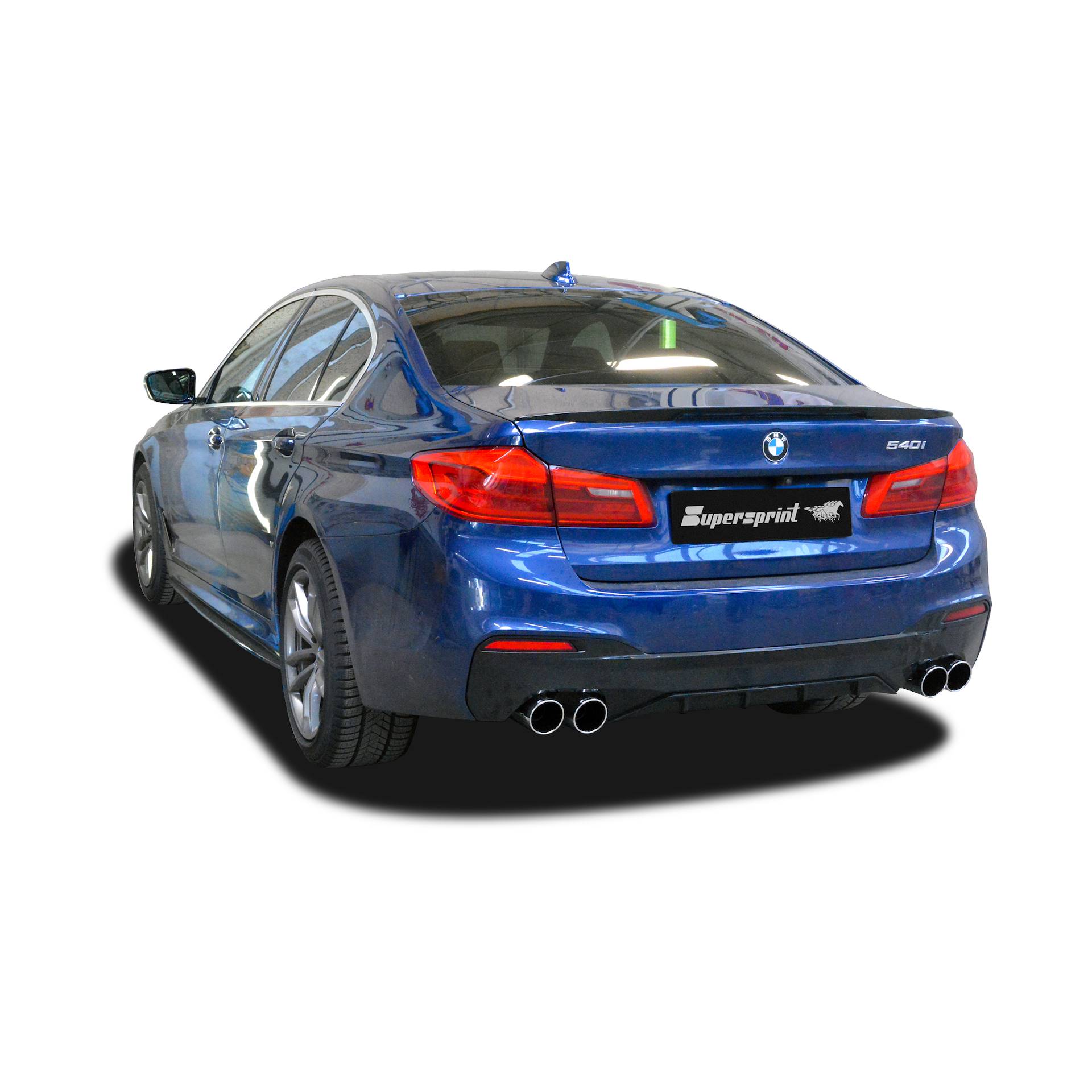
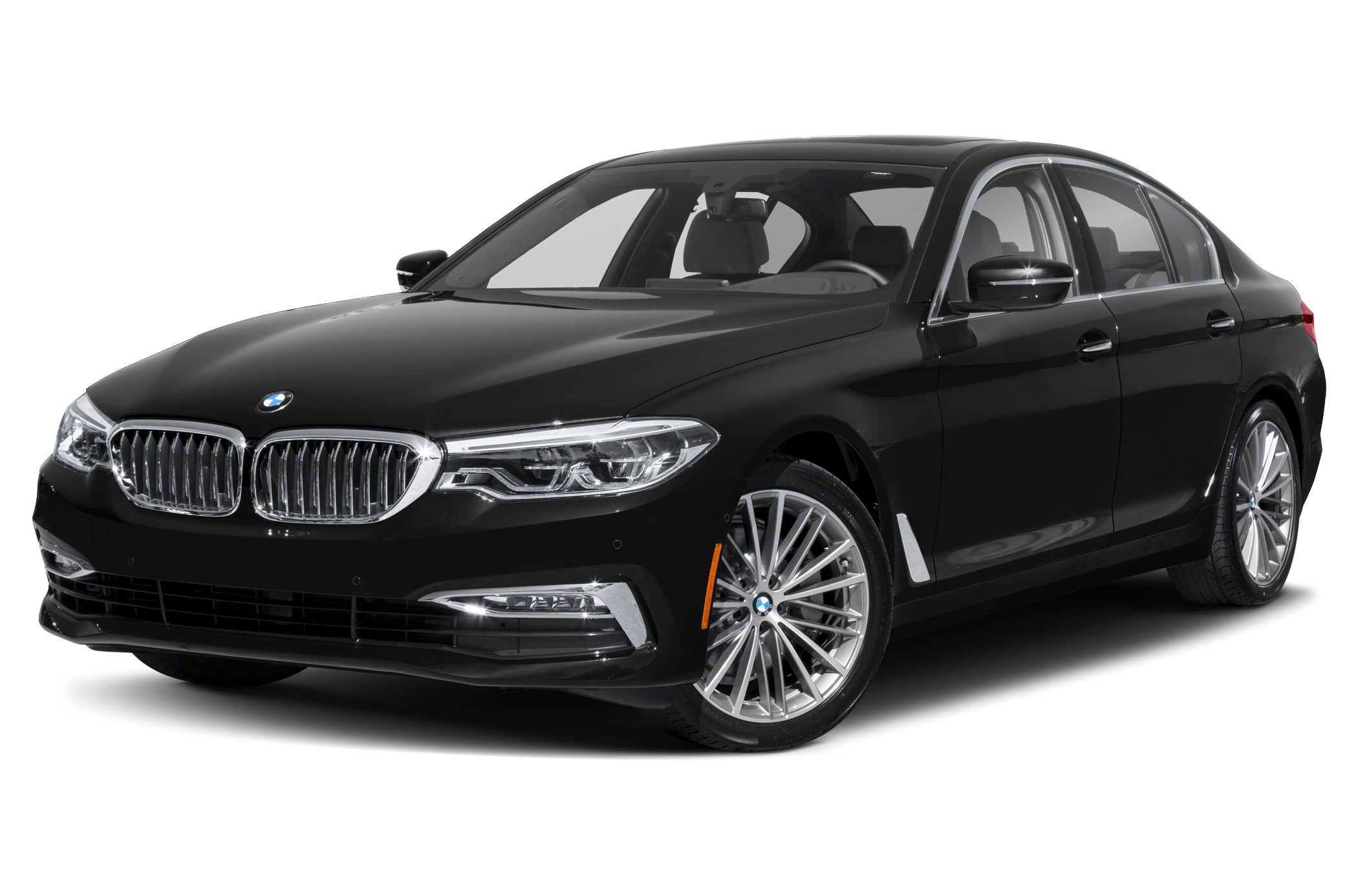
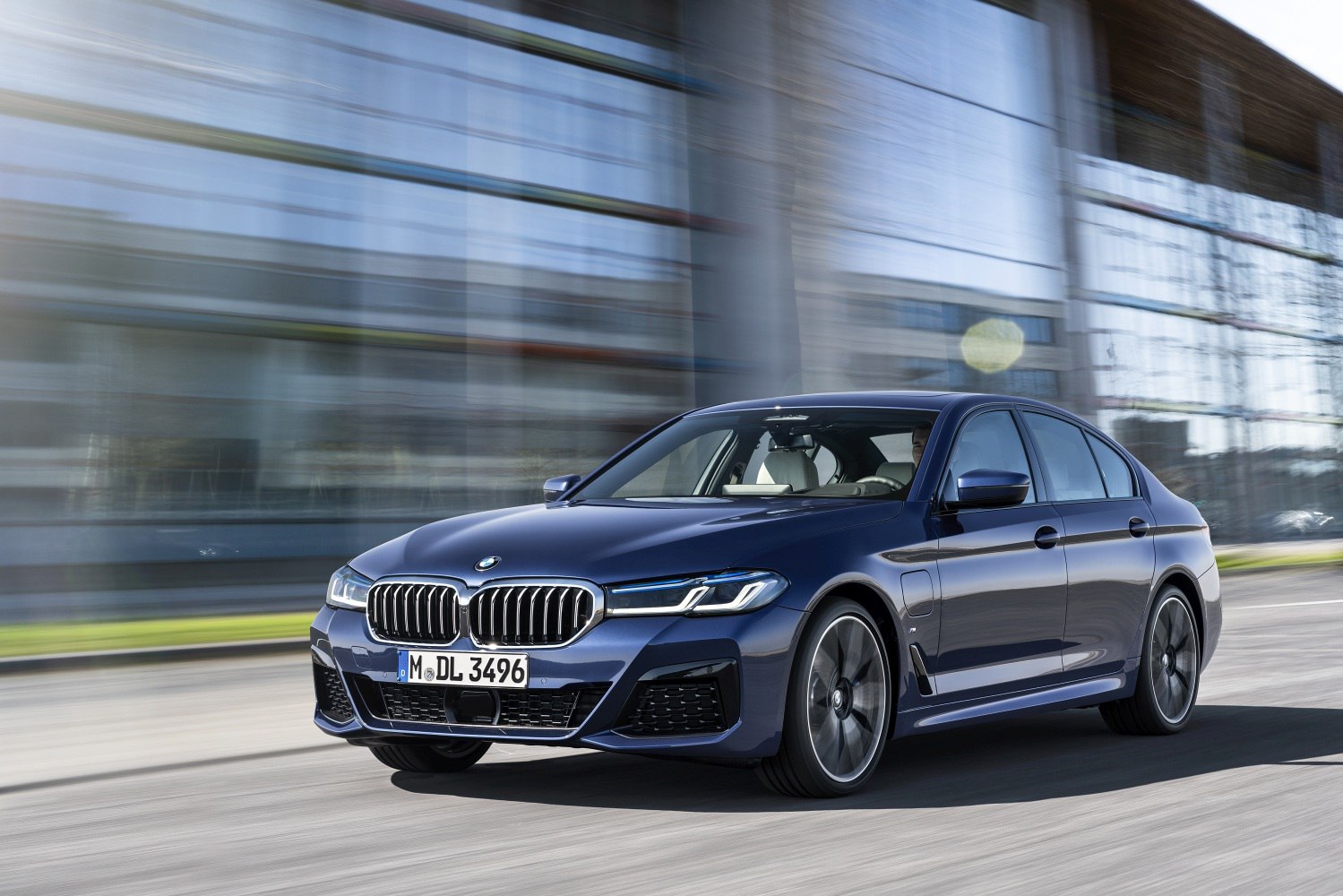
The 2018 BMW 540i is powered by a 3.0-liter BMW TwinPower Turbo inline-six engine (B58) that generates 335 horsepower and 332 lb-ft of torque. This output enables a 0–60 mph acceleration time of approximately 4.7 seconds with xDrive or 4.9 seconds with rear-wheel drive, paired exclusively with an 8-speed ZF automatic transmission.
The Heart of the 540i: The B58 Engine Architecture
To understand the 335 hp 2018 BMW 540i specs, one must first look at the engine that defines it. The 2018 model year sits firmly within the G30 generation of the 5 Series, which saw the introduction of the B58 engine to replace the aging N55. This 3.0-liter, straight-six power plant is a modular design that has since become legendary for its reliability and tuning potential.
The B58 engine utilizes a twin-scroll turbocharger, which effectively splits the exhaust pulses to reduce lag and improve throttle response. Unlike the previous generation, the B58 features a closed-deck block design, which provides greater structural integrity for the cylinders, allowing for higher boost pressures without compromising the engine's longevity.
Another critical technical detail is the air-to-water intercooler integrated directly into the intake manifold. This design shortens the path the intake air travels, resulting in sharper engine response and more consistent intake temperatures—a vital factor in maintaining that 335 hp peak during spirited driving. The engine also employs BMW’s Double-VANOS (variable camshaft timing) and Valvetronic (variable valve lift) systems, which optimize efficiency at low loads and maximize power at the top end of the rev range.
Performance Specifications and Acceleration Metrics
While the 335 hp figure is the headline, the way the 2018 540i delivers that power is what solidified its place as a class leader in 2018 and remains impressive in 2026. The peak torque of 332 lb-ft is available from a remarkably low 1,380 rpm and holds steady until 5,200 rpm. This wide torque plateau means the car feels effortless in highway passing maneuvers and urban stop-and-go traffic alike.
The performance varies slightly based on the drivetrain configuration:
- 540i Rear-Wheel Drive (RWD): This configuration is preferred by enthusiasts looking for a traditional BMW feel. It clocks a 0–60 mph time of 4.9 seconds. The slightly slower start compared to the xDrive is due to traction limits off the line, but it offers a lighter front end and more communicative steering.
- 540i xDrive (All-Wheel Drive): The intelligent AWD system can shift 100% of the torque to the rear wheels under normal conditions but can quickly divert power to the front to eliminate slip. This traction advantage drops the 0–60 mph time to 4.7 seconds, making it a formidable "sleeper" sedan.
Both versions are electronically limited to a top speed of 130 mph, though models equipped with the M Sport package and high-performance summer tires often had the limiter increased to 155 mph.
Transmission and Drivetrain Engineering
The 2018 540i utilizes the ZF 8HP 8-speed Sport Automatic transmission. By 2026, this gearbox is widely regarded as one of the best torque-converter automatics ever produced. In the 540i, the programming is tuned to match the engine’s power band perfectly.
In "Comfort" mode, the shifts are nearly imperceptible, prioritizing smoothness and fuel economy. Switching to "Sport" or "Sport+" mode significantly alters the shift logic; the transmission holds gears longer, executes faster downshifts under braking, and delivers a tactile "thump" during upshifts to enhance the driving experience.
The transmission also integrates with the vehicle’s navigation system (Proactive Driving Assistant). By analyzing the road ahead, the car can downshift in anticipation of a hill or hold a gear through a series of corners, ensuring the 335 hp is always ready to be deployed.
Chassis, Suspension, and Handling Dynamics
The G30 5 Series represented a significant technological leap over the previous F10 generation, primarily through the use of the "Cluster Architecture" (CLAR). This platform utilized high-strength steel, aluminum, and magnesium to reduce the vehicle's weight by up to 137 pounds compared to its predecessor, despite an increase in dimensions.
The 2018 540i offers several suspension setups that drastically change its character:
- Standard Suspension: Balanced for daily commuting with a focus on absorbing road imperfections.
- M Sport Suspension: Lowered by 10mm with stiffer springs and damping, aimed at reducing body roll.
- Dynamic Damper Control: An optional system that uses electronically controlled shocks to adjust in real-time based on road conditions and driving style.
A notable technical option for the 2018 540i was Integral Active Steering. This system allows the rear wheels to turn up to 3 degrees. At low speeds, they turn opposite to the front wheels to shorten the turning radius; at high speeds, they turn in the same direction to increase stability during lane changes.
2018 BMW 540i Technical Specifications Table
| Feature | Specification |
|---|---|
| Engine Type | 3.0L TwinPower Turbo Inline-6 (B58) |
| Horsepower | 335 hp @ 5,500 – 6,500 rpm |
| Torque | 332 lb-ft @ 1,380 – 5,200 rpm |
| Compression Ratio | 11.0:1 |
| Transmission | 8-Speed ZF Sport Automatic |
| 0–60 mph (RWD) | 4.9 Seconds |
| 0–60 mph (xDrive) | 4.7 Seconds |
| Top Speed | 130 mph (Optional 155 mph) |
| Curb Weight | ~3,847 lbs (RWD) / ~4,019 lbs (xDrive) |
| Fuel Economy (City/Hwy) | 20 / 30 mpg (RWD) |
| Fuel Tank Capacity | 18.0 Gallons |
| Brakes | 4-Wheel Disc with ABS; Ventilated Front/Rear |
Interior Technology and Comfort Features
Inside the 2018 540i, the focus is on a driver-centric cockpit that blends high-tech features with traditional luxury. In 2026, the iDrive 6.0 system in the 2018 model is still appreciated for its physical rotary controller, which many users find less distracting than the touch-only interfaces found in newer vehicles.
The 540i came standard with a 10.25-inch touchscreen and a digital instrument cluster. Advanced features available for this model year included:
- Gesture Control: Allows the driver to adjust volume or accept calls by waving their hand in front of the screen.
- Multi-contour Seats: Available with 20-way power adjustment, heating, ventilation, and massage functions.
- Head-Up Display (HUD): One of the largest and clearest in its class at the time, projecting speed, navigation, and driver assistance alerts directly onto the windshield.
Safety tech was also a priority. The "Driving Assistance Plus" package introduced semi-autonomous features like Active Lane Keeping Assistant and Traffic Jam Assist, which could manage steering and speed in heavy traffic up to certain speeds.
Ownership Costs and Reliability in 2026
As the 2018 BMW 540i reaches the 8-year mark in 2026, its reliability profile is well-documented. The B58 engine is widely considered one of BMW’s most reliable modern engines, largely avoiding the catastrophic timing chain or high-pressure fuel pump issues that plagued earlier models.
However, prospective owners should be aware of specific maintenance items:
- Cooling System: Like most BMWs, the plastic components in the cooling system—specifically the coolant expansion tank and certain hoses—can become brittle over time. Regular inspections are necessary to prevent leaks.
- Oil Filter Housing: Some owners report leaks from the oil filter housing gasket, a common maintenance item that typically appears around 70,000 to 90,000 miles.
- Active Grille Shutters: The 540i uses motorized shutters in the front grille to improve aerodynamics. These can occasionally fail or become jammed by road debris, triggering a check engine light.
The fuel economy remains competitive for a performance sedan. Owners can realistically expect 24-26 mpg in mixed driving, though the 30 mpg highway rating is achievable on long trips if the car is driven conservatively in "Eco Pro" mode.
Comparing the 540i to 2018 Competitors
When it was released, the 540i competed directly with the Mercedes-Benz E400 and the Audi A6 3.0T.
- Mercedes-Benz E400: The E400 utilized a 3.0L Biturbo V6 producing 329 hp. While similar in power, the Mercedes focused more on "S-Class-lite" luxury and a softer ride, whereas the BMW 540i offered a more engaging steering feel and a more responsive transmission.
- Audi A6 3.0T: The Audi featured a 340 hp supercharged V6. The A6 offered standard Quattro AWD and a very clean interior design, but the 2018 540i generally outperformed it in terms of infotainment technology and rear-seat comfort.
The 540i's B58 engine gave it a slight edge in "tunability." Many enthusiasts in the used market prefer the 2018 540i because simple software modifications (Stage 1 tunes) can safely increase the 335 hp output to well over 400 hp without requiring hardware changes.
Frequently Asked Questions
Does the 2018 BMW 540i require premium fuel?
Yes, BMW recommends 91 octane or higher for the 540i. Using lower-grade fuel can lead to reduced performance, lower fuel economy, and potential engine knocking over time as the ECU pulls timing to protect the engine.
Is the 2018 540i more reliable than the 550i?
Generally, yes. While the M550i offers more power via a V8 engine, the B58 inline-six in the 540i has a better long-term reliability record and lower maintenance costs. The V8 (N63) is known for higher heat cycles and more complex cooling and gasket issues.
What is the difference between the 530i and the 540i in 2018?
The 530i uses a 2.0-liter 4-cylinder engine producing 248 hp, while the 540i uses the 3.0-liter 6-cylinder with 335 hp. The 540i is significantly faster and smoother, though the 530i offers slightly better fuel efficiency and a lower purchase price.
Does the 2018 BMW 540i have Apple CarPlay?
The 2018 model year did support Apple CarPlay, but it was often a subscription-based service or a one-time option at the time of purchase. By 2026, many owners have used third-party coding or BMW updates to enable it permanently. Android Auto was not natively supported in the 2018 iDrive 6.0 system.
How much does it cost to maintain a 2018 540i today?
Annual maintenance costs typically range from $800 to $1,500, depending on mileage. Major services (like spark plugs every 60,000 miles or transmission fluid flushes) can increase these costs. Using a reputable independent BMW specialist instead of a dealership can significantly reduce labor costs.
Final Recommendation for Buyers
In 2026, the 2018 BMW 540i remains one of the best values on the pre-owned luxury market. It strikes a nearly perfect balance between the fuel efficiency of a four-cylinder and the raw power of a V8. If you are looking for a 540i, prioritize vehicles with a documented service history, specifically looking for coolant system checks and regular oil changes every 5,000 to 7,500 miles.
For the best driving experience, seek out a model equipped with the M Sport Package and Multi-contour seats. These options elevate the car from a standard executive sedan to a true sport-luxury hybrid that justifies the BMW "Ultimate Driving Machine" heritage.