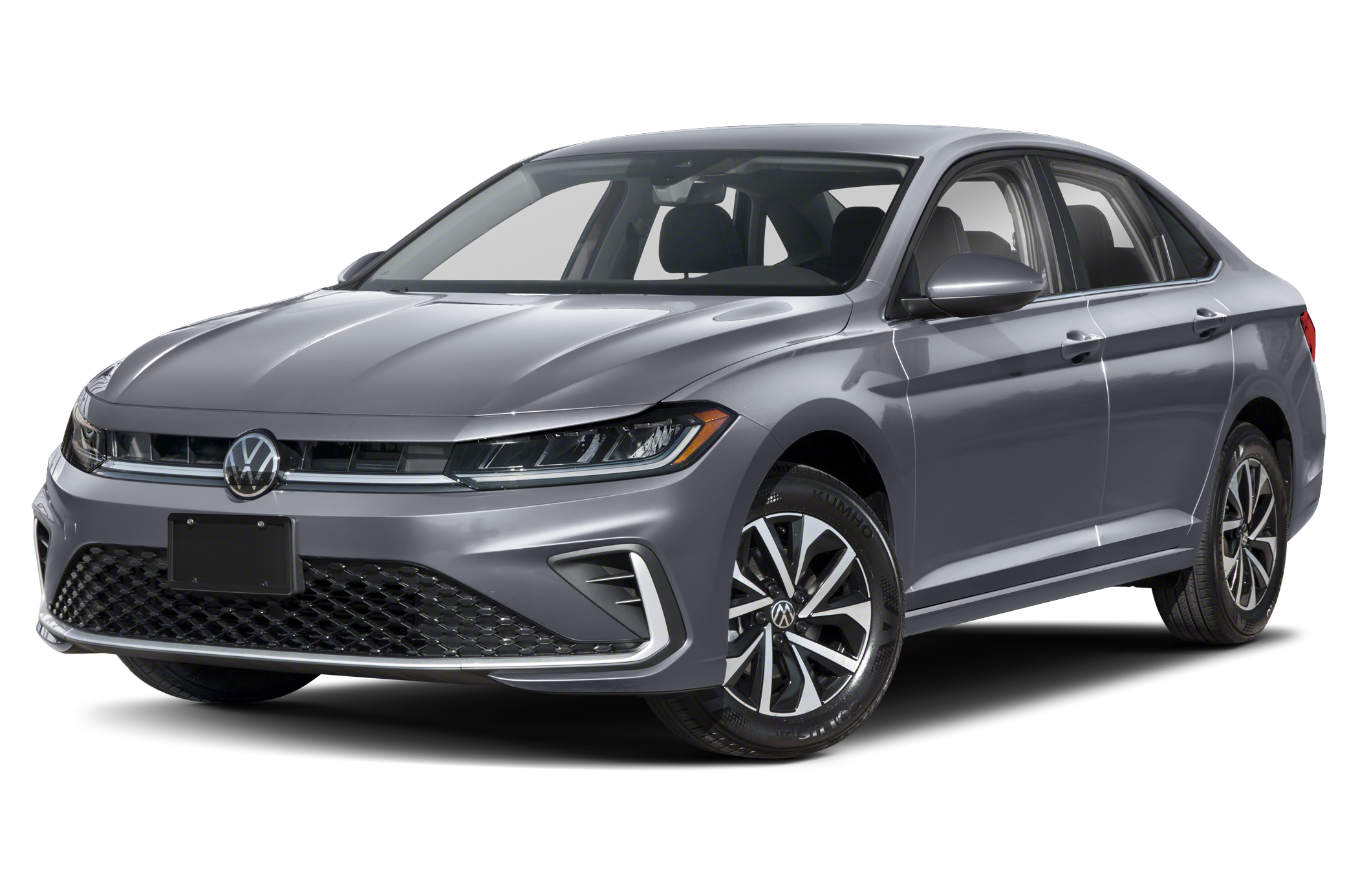
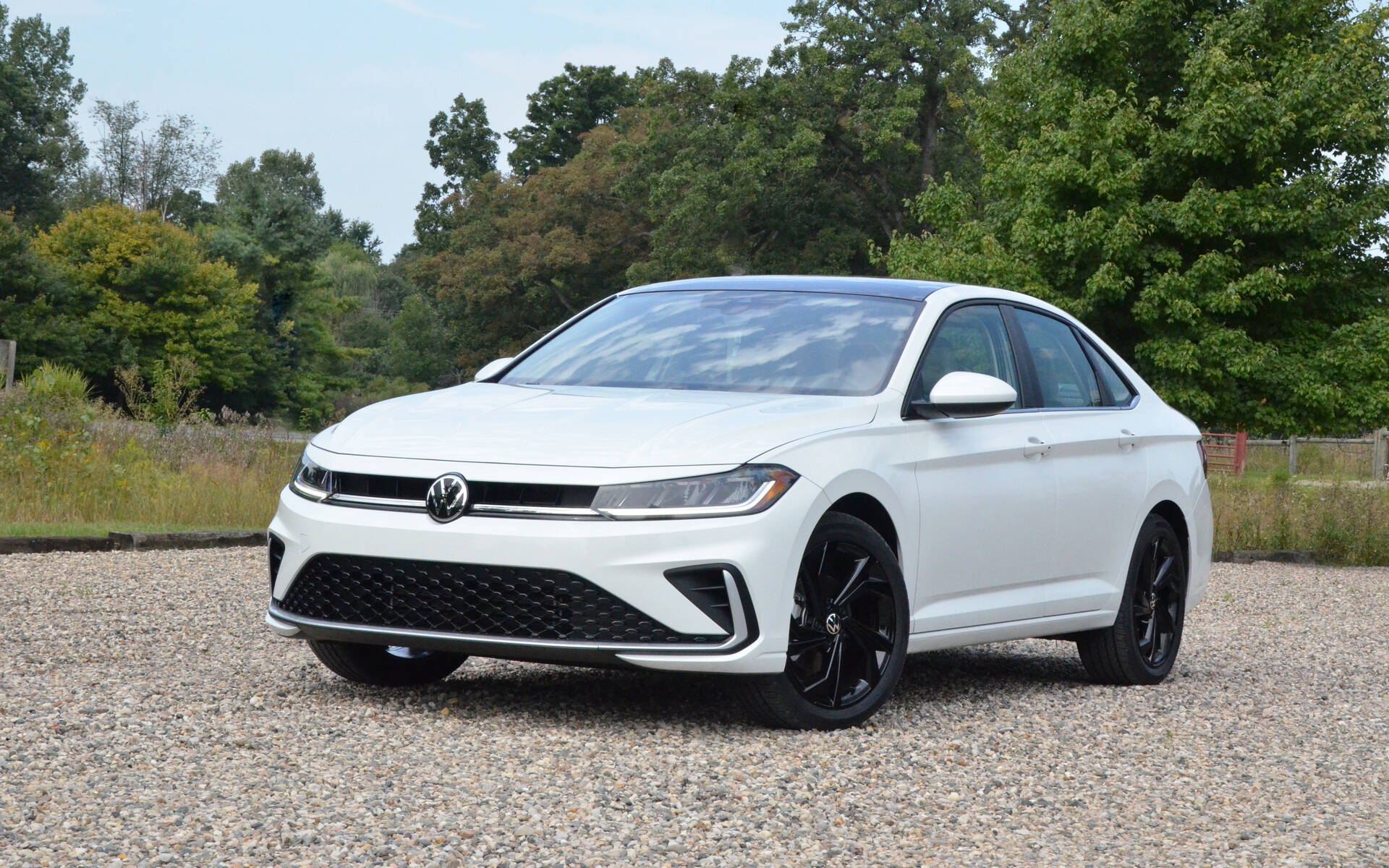
The 2025 Volkswagen Jetta achieves an EPA-estimated 33 MPG combined fuel economy rating when equipped with its standard 1.5-liter turbocharged four-cylinder engine and eight-speed automatic transmission. This efficiency profile, consisting of roughly 29 MPG in the city and up to 39–40 MPG on the highway, remains a benchmark for non-hybrid compact sedans in 2026.
Understanding the 2025 Volkswagen Jetta Efficiency Metrics
As we evaluate the 2025 Volkswagen Jetta from the perspective of 2026, it is clear that this model year represented a significant refinement for the nameplate. While the automotive industry has leaned heavily toward hybridization, the 2025 Jetta remains a stalwart of internal combustion efficiency. The core of its "33 MPG Combined" claim lies in the synergy between its small-displacement turbocharged engine and a traditional torque-converter automatic transmission, a combination that differentiates it from the Continuously Variable Transmissions (CVTs) often found in its Japanese competitors.
The "Combined" rating is a weighted average calculated by the Environmental Protection Agency (EPA), assuming 55% city driving and 45% highway driving. For the 2025 Jetta, this number serves as a reliable baseline for the average commuter. However, fuel economy is rarely a static figure. It is influenced by trim levels, wheel sizes, and individual driving behaviors. In the 2025 lineup, the Jetta S and Sport trims often lean toward the higher end of the spectrum, while the feature-heavy SEL trim, with its larger wheels and increased curb weight, might settle closer to the 32 or 33 MPG mark.
To appreciate how a vehicle of this size maintains such high efficiency without an electric motor, one must look at the technical specifications of the EA211 evo2 engine. This engine was designed specifically to maximize every drop of fuel through thermal management and advanced combustion cycles.
The Engineering Behind the 1.5L TSI Engine
The 2025 Jetta utilizes the 1.5-liter TSI (Turbocharged Stratified Injection) four-cylinder engine. This powerplant is not merely a carryover from older generations; it incorporates several high-tech features that are essential to achieving the 33 MPG combined rating.
The Miller Combustion Cycle
Unlike many engines that use the standard Otto cycle, the Jetta’s 1.5L engine employs a modified Miller cycle. In this cycle, the intake valves are closed early during the induction stroke. This helps to improve thermal efficiency by increasing the expansion ratio relative to the compression ratio. The result is an engine that extracts more work from the combustion process while reducing pumping losses, which is a primary reason why the Jetta can achieve nearly 40 MPG on the highway despite being a spacious five-passenger sedan.
Variable Turbine Geometry (VTG)
Turbochargers are often associated with performance, but in the Jetta, the turbo is a tool for efficiency. The 1.5L TSI engine features a Variable Turbine Geometry turbocharger, a technology previously reserved for high-end performance cars or diesel engines. VTG allows the turbo to adjust its internal vanes to optimize exhaust flow at both low and high RPMs. This ensures that the engine has sufficient torque at low speeds, allowing the transmission to shift into higher, more fuel-efficient gears sooner without the "hunting" sensation often felt in underpowered vehicles.
Advanced Thermal Management and Friction Reduction
For the 2025 model year, Volkswagen continued to use atmospheric plasma spray (APS) coating on the cylinder liners. This microscopic layer of powder reduces friction between the piston rings and the cylinder wall. Less friction translates directly into less energy wasted as heat, contributing to the overall 33 MPG combined rating. Additionally, a map-controlled cooling system ensures the engine reaches its optimal operating temperature as quickly as possible, which is critical because cold engines are significantly less fuel-efficient.
2025 Jetta Fuel Economy by Trim Level
While the "33 MPG" figure is the headline, the 2025 Jetta's fuel economy varies slightly across its trim hierarchy. For 2025, Volkswagen streamlined the powertrain options, making the 1.5L engine and 8-speed automatic standard across the core lineup, while the performance-oriented Jetta GLI retained its 2.0L engine.
| Trim Level | Engine | Transmission | City MPG | Highway MPG | Combined MPG |
|---|---|---|---|---|---|
| Jetta S | 1.5L Turbo | 8-Speed Auto | 29 | 40 | 33 |
| Jetta Sport | 1.5L Turbo | 8-Speed Auto | 29 | 40 | 33 |
| Jetta SE | 1.5L Turbo | 8-Speed Auto | 29 | 39 | 33 |
| Jetta SEL | 1.5L Turbo | 8-Speed Auto | 29 | 39 | 32 |
| Jetta GLI | 2.0L Turbo | 7-Speed DSG | 26 | 36 | 30 |
Note: Ratings based on EPA estimates at the time of release. Real-world results vary based on load and conditions.
As seen in the table, the lower trims (S and Sport) tend to perform better on the highway. This is largely due to the use of 16-inch or 17-inch wheels and tires with lower rolling resistance. The SEL trim, while more luxurious, often sees a slight dip in highway efficiency due to the larger 18-inch wheels and the added weight of features like the power sunroof and ventilated seats.
Real-World Performance vs. EPA Estimates
In 2026, with a year of data from 2025 Jetta owners, we can observe how these cars perform outside of the laboratory. Volkswagen vehicles have a long-standing reputation for "beating" their EPA highway numbers, and the 2025 Jetta is no exception.
Highway Cruising
On long-distance trips, many drivers report achieving between 42 and 45 MPG when maintaining steady speeds of 65–70 mph. The 8-speed automatic transmission is geared for economy in its top two ratios, keeping engine RPMs low (often below 2,000 RPM) at cruising speeds. The Jetta's aerodynamics also play a role; the 2025 facelift included subtle tweaks to the front bumper and underbody panels to reduce drag, further aiding highway efficiency.
City Driving and Stop-Start
In urban environments, the 33 MPG combined rating is more difficult to maintain. The Jetta comes standard with an Engine Stop-Start (ESS) system that shuts the engine off at red lights to save fuel. While effective for increasing the "City" rating to 29 MPG, the smoothness of this system is a common point of discussion among owners. In heavy stop-and-go traffic where the engine cannot remain off for long, real-world city mileage often settles into the 25–27 MPG range.
Comparing the Jetta to 2025 Competitors
To understand the value of the Jetta’s 33 MPG rating, it must be compared to its primary rivals from the 2025 model year. The compact sedan segment is one of the most competitive in the industry, with each manufacturer taking a different approach to fuel savings.
- Honda Civic (Non-Hybrid): The 2025 Civic with the 2.0L naturally aspirated engine or the 1.5L turbo typically yields 33–36 MPG combined. While the Civic often matches or slightly beats the Jetta in combined ratings, many drivers prefer the Jetta's traditional automatic over the Civic's CVT for its more natural shift feel.
- Toyota Corolla (Non-Hybrid): The Corolla's 2.0L engine is highly efficient, often rated at 35 MPG combined. However, the Jetta offers significantly more torque (184 lb-ft vs. the Corolla's 151 lb-ft), meaning the Jetta achieves its efficiency without feeling underpowered during highway merging.
- Hyundai Elantra: The Elantra is another strong competitor, offering 34–36 MPG combined in its standard configurations. Like the Jetta, the Elantra focuses heavily on aerodynamics, but the Jetta's European-tuned suspension provides a different driving dynamic that some find more stable at the highway speeds where the 40 MPG rating is most relevant.
The Jetta’s 33 MPG combined rating is particularly impressive because it does not rely on a CVT. The 8-speed automatic transmission is generally more robust and provides a better towing/load-carrying experience than CVTs, making the Jetta’s efficiency figures more impressive from a mechanical engineering standpoint.
Factors That Impact Your 2025 Jetta’s Efficiency
Even with a highly efficient engine, certain factors can cause your Jetta to fall short of the 33 MPG combined target. Understanding these can help owners maximize their fuel budget in 2026.
Fuel Quality and Octane
While the 2025 Jetta is designed to run on regular 87-octane gasoline, the engine's computer can adjust timing based on fuel quality. Using high-quality "Top Tier" detergent gasoline helps keep the fuel injectors clean, which is vital for the high-pressure direct injection system. If the injectors become clogged, the spray pattern is disrupted, leading to incomplete combustion and a drop in MPG.
Tire Pressure and Maintenance
The Jetta is sensitive to tire pressure. A drop of just 5 PSI in each tire can reduce fuel economy by several percentage points. Additionally, the 2025 Jetta uses specific low-rolling-resistance tires from the factory. If these are replaced with high-performance "sticky" tires or cheaper all-season tires with high rolling resistance, the 33 MPG combined rating will likely decrease.
Cargo and Roof Racks
The Jetta’s aerodynamics are a key component of its 40 MPG highway rating. Installing a roof rack or a cargo box creates significant wind resistance. Even an empty roof rack can reduce fuel economy by 2–5% at highway speeds. For those seeking to maintain the 33 MPG combined average, it is recommended to remove roof accessories when they are not in use.
Long-Term Maintenance for Peak MPG
As the 2025 Jetta enters its second year on the road in 2026, following the prescribed maintenance schedule is the best way to preserve fuel economy.
- Oil Changes: The 1.5L TSI engine requires specific 0W-20 synthetic oil that meets VW 508 00 specifications. This ultra-low viscosity oil is designed to reduce internal drag. Using a thicker or non-compliant oil will negatively impact fuel economy and potentially damage the engine's variable valve timing components.
- Air Filter Replacement: A clogged engine air filter restricts the amount of oxygen available for combustion, forcing the turbocharger to work harder and the engine to burn more fuel to maintain power.
- Spark Plugs: Direct-injection engines can be hard on spark plugs. Ensuring they are replaced at the recommended intervals (typically 60,000 miles, but check your 2025 manual) ensures a clean, consistent spark, which is necessary for the Miller cycle to operate efficiently.
Frequently Asked Questions
Does the 2025 Jetta require premium gas to get 33 MPG?
No, the 2025 Volkswagen Jetta is engineered to achieve its EPA-estimated fuel economy using regular 87-octane unleaded gasoline. While premium fuel may provide a slight increase in horsepower under high-load conditions, it does not significantly improve fuel economy for daily commuting.
Why is the 2025 Jetta GLI's fuel economy lower?
The Jetta GLI uses a larger 2.0-liter EA888 engine designed for performance rather than maximum efficiency. It produces significantly more horsepower and torque than the standard 1.5L engine, resulting in a lower combined rating of approximately 30 MPG. It also uses a performance-tuned dual-clutch transmission (DSG) which prioritizes shift speed over fuel savings.
How does the 8-speed automatic help with fuel economy?
The 8-speed transmission allows for a very wide gear ratio spread. The first few gears are short to help the car accelerate quickly, while the 7th and 8th gears are "overdrive" ratios. These tall top gears allow the engine to run at very low RPMs during highway travel, which is the primary driver behind the Jetta’s 39–40 MPG highway rating.
Is there a hybrid version of the 2025 Jetta?
As of the 2025 model year, Volkswagen does not offer a hybrid version of the Jetta in the North American market. The company has focused its electrification efforts on the ID. series of electric vehicles. However, the 1.5L TSI engine's efficiency is designed to compete with the fuel costs of some hybrid models, particularly for drivers who do a lot of highway miles.
Does the 2025 Jetta have a "Driving Mode" for better MPG?
Yes, the 2025 Jetta features a "Driving Mode Selection" (standard on most trims) that includes an "Eco" mode. When engaged, Eco mode optimizes the transmission shift points, reduces the climate control's power draw, and softens the throttle response to help the driver achieve or even exceed the 33 MPG combined rating.
Final Recommendation for 2026 Buyers
In 2026, the 2025 Volkswagen Jetta remains a top choice for buyers who prioritize fuel economy but do not want the complexity or higher purchase price of a hybrid or electric vehicle. To get the most out of the Jetta's 33 MPG combined rating, look for an S or Sport trim to benefit from the lighter wheels and slightly better highway aerodynamics. Always ensure you are using the correct VW 508 00 oil and maintaining tire pressures at the levels listed on the driver-side door jamb. For those with long highway commutes, the Jetta often outperforms its official ratings, making it a "secret" efficiency champion in the compact car segment.