The 2025 Ramadan schedule and legal outlook encompass the precise lunar calendar timeline for the holy month alongside critical employment, public sector, commercial, and operational regulations across major jurisdictions. This comprehensive guide outlines the expected dates, legal frameworks, workforce adaptations, and compliance requirements for businesses and individuals observing or operating during Ramadan.
Understanding the 2025 Ramadan Timeline and Lunar Calculation
The Islamic calendar is strictly lunar, meaning that months begin with the verified sighting of the new crescent moon. Because lunar months are either 29 or 30 days long, the Gregorian calendar dates for Ramadan shift backward by approximately 10 to 11 days each year.
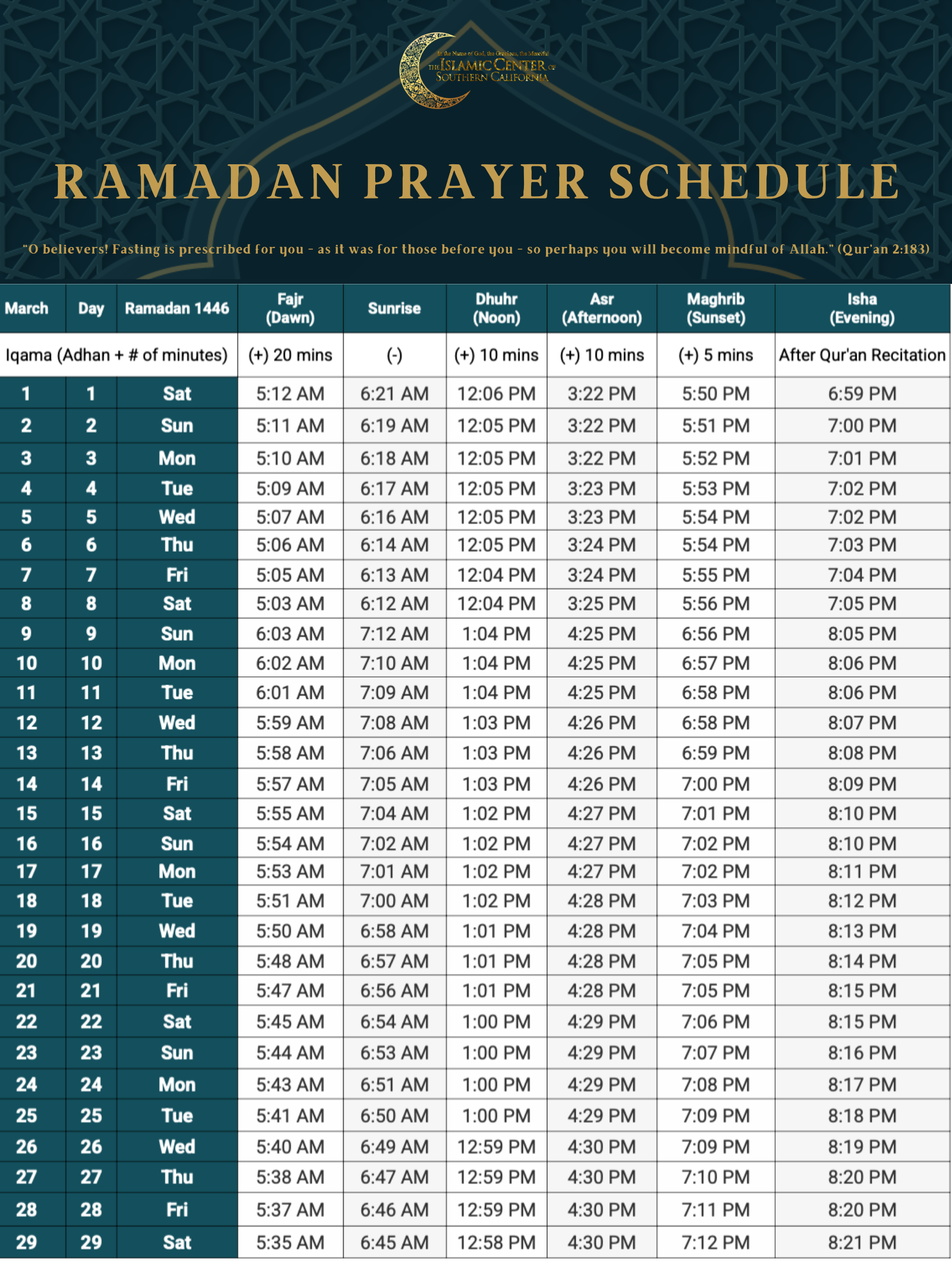
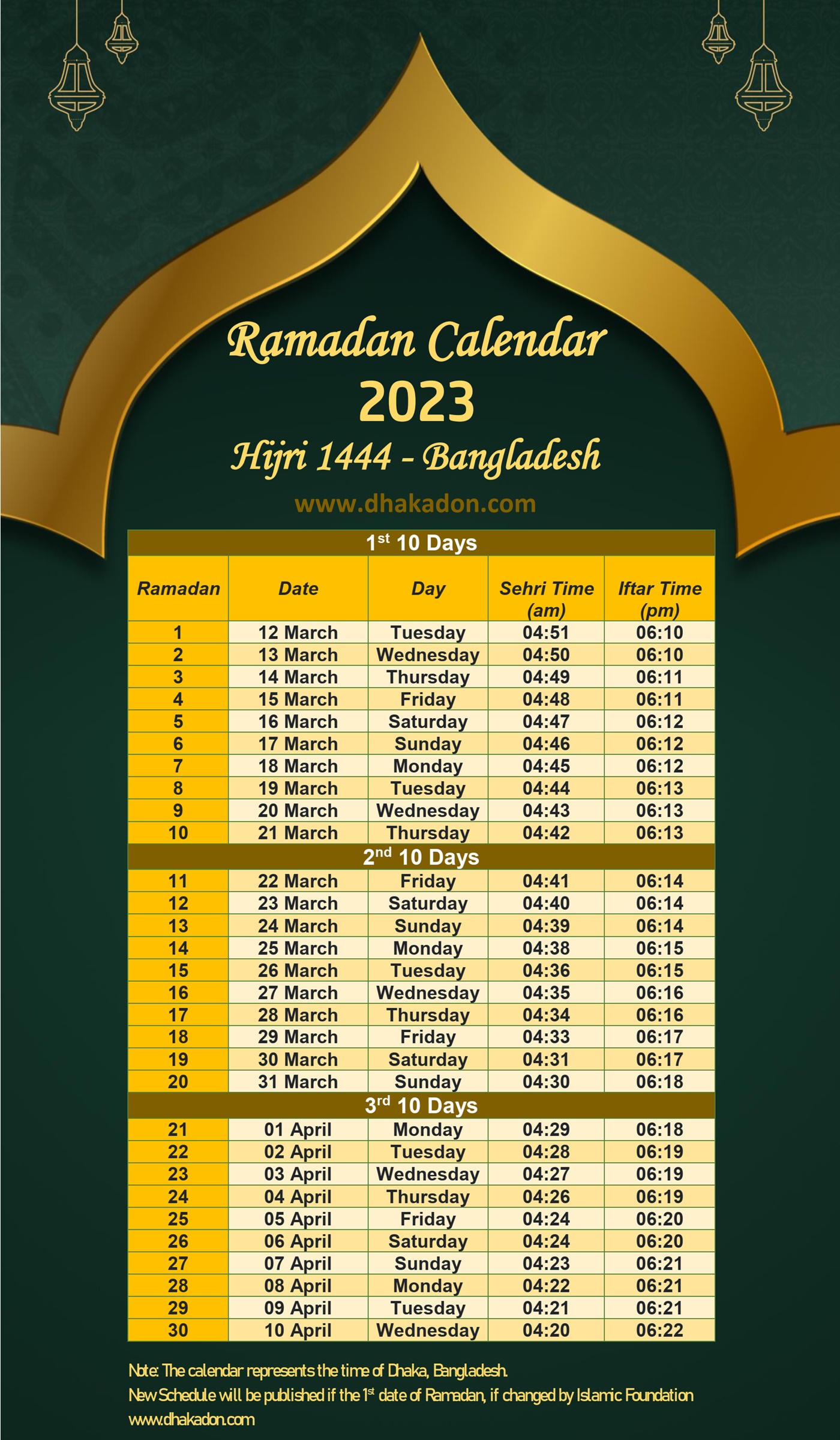
For the year 2025 (corresponding to the Islamic years AH 1446 and AH 1447), astronomical calculations and official sighting committees projected Ramadan to commence around late February or early March 2025. Specifically, astronomical estimations positioned the start of Ramadan 2025 on or about Friday, March 1, 2025, or Saturday, March 2, 2025, depending on geographical sighting confirmation in key regions such as Saudi Arabia, the United Arab Emirates, Egypt, and other countries.
The month concluded 29 or 30 days later, leading directly into the celebrations of Eid al-Fitr at the end of March or early April 2025. Because local religious authorities rely on physical moon sighting testimony, official dates are always subject to final declarations by national moon-sighting committees (such as the Supreme Court of Saudi Arabia or equivalent state bodies).
Key Phases of the Lunar Month
- Sighting and Announcement: Official moon-sighting committees convene on the 29th day of Sha'ban to determine the precise start date.
- First Third (Days 1–10): Characterized by initial adjustments to daily routines, fasting schedules, and altered sleep patterns.
- Second Third (Days 11–20): Stabilization of workplace productivity and establishment of new operational rhythms.
- Final Third (Days 21–30): Increased focus on nightly prayers (Tarawih and Tahajjud), culminating in the final days of Itikaf (seclusion) and the celebration of Eid al-Fitr.
Legal and Regulatory Frameworks During Ramadan
Governments across Muslim-majority countries, as well as nations with substantial Muslim populations, enact specific legal adjustments during Ramadan. These regulations span labor laws, public conduct, commercial operating hours, and judicial processes. Understanding these legal shifts is vital for multinational corporations, local employers, and residents alike.
Labor Law Modifications and Working Hours
In many jurisdictions—particularly within the Gulf Cooperation Council (GCC) including the UAE, Saudi Arabia, Qatar, and Oman—labor ministries mandate reduced working hours for all employees during Ramadan, regardless of their faith.
- Mandatory Hour Reductions: Standard statutory working hours are typically reduced by two hours per day. For example, a standard 8-hour workday is reduced to 6 hours daily, or 36 hours weekly, without any reduction in base compensation.
- Overtime Regulations: Any hours worked beyond the mandated reduced daily limit during Ramadan generally qualify for overtime compensation at legally prescribed premium rates.
- Exemptions and Applications: While these reductions frequently apply universally across the private sector, certain industries—such as critical infrastructure, hospitality, and essential emergency services—may operate under specialized scheduling exemptions negotiated in compliance with local labor statutes.
Public Conduct and Compliance
Legal codes in various jurisdictions enforce strict prohibitions regarding public consumption of food, beverages, or smoking during daylight fasting hours.
- Public Decency Laws: In countries like Saudi Arabia and the UAE, historical strictness regarding public eating has evolved. While some jurisdictions have relaxed requirements permitting restaurants to remain open without heavy opaque partitioning, others maintain rigorous public enforcement.
- Penalties: Violations of public consumption laws during fasting hours can result in formal warnings, substantial fines, or administrative penalties for commercial establishments and individuals.
Commercial Operations and Licensing
Retail, dining, and entertainment sectors experience profound shifts in legal operating parameters during Ramadan.
- Dining Establishments: Restaurants and cafes often require special municipal permits to operate during daytime hours. In some regions, establishments must remain closed until sunset or offer delivery and takeaway services discreetly through covered storefronts.
- Retail Hours: Shopping malls and retail centers routinely adjust their operating schedules, shifting peak hours to late afternoon and extending closing times past midnight to accommodate evening shopping habits following Iftar (the sunset meal).
Comparative Overview of Regional Ramadan Regulations
To understand how legal frameworks differ across key operational hubs, the table below compares standard labor, commercial, and public compliance policies during Ramadan in major jurisdictions.
| Jurisdiction | Statutory Working Hour Reduction | Public Eating / Drinking Regulations | Commercial & Retail Hour Shifts | Eid al-Fitr Public Holiday Duration |
|---|---|---|---|---|
| United Arab Emirates (UAE) | Reduced by 2 hours daily for all private and public sector employees. | Permitted in many licensed venues without mandatory opaque screens; local ordinances vary. | Malls open late (often until 1 AM or 2 AM); restaurants busier post-sunset. | Typically 3 days for government; varies for private sector per federal decrees. |
| Saudi Arabia | Maximum 6 hours per day or 36 hours per week for private sector workers. | Public consumption prohibited by law during daylight hours; strict enforcement. | Retail and dining establishments operate heavily through the night until dawn (Suhur). | Standard 4-day official holiday for public sector and capital markets. |
| Egypt | Reduced working hours implemented across government ministries; flexible private sector application. | Public norms respect fasting, though restaurants and cafes operate with varying local oversight. | Commercial businesses close earlier in evenings, reopening after sunset. | Multi-day national holiday established by the Cabinet. |
| Qatar | Reduced hours mandated (typically 6-hour workday for Muslim and non-Muslim staff alike). | Regulated strictly in public spaces; designated venues operate under municipal permits. | Shift toward night-time commerce; extended shopping center hours. | Official public sector holiday lasting 3 to 5 working days. |
Judicial, Financial, and Administrative Adjustments
The legal outlook during Ramadan extends far beyond labor and retail; it deeply influences the judiciary, financial markets, and administrative processing times across government portals.
Judicial and Court Operations
Courts, tribunals, and government administrative agencies significantly shorten their public-facing operating windows during Ramadan.
- Reduced Dockets: Court hearings, legal filings, and administrative registrations are compressed into morning shifts, usually lasting from 9:00 AM to 1:00 PM.
- Procedural Deadlines: While statutory limitation periods and legal deadlines generally remain active, practitioners must account for administrative processing delays. Many jurisdictions provide administrative grace periods or adjust procedural timelines to account for shortened working hours.
Financial Markets and Banking Hours
Central banks and commercial financial institutions alter their daily clearing schedules and customer-facing hours to align with the modified national schedule.
- Banking Hours: Customer branches often open early in the morning (e.g., 9:00 AM to 2:00 PM) and may operate skeleton crews or specialized online services.
- Stock Exchanges: Financial markets (such as Tadawul in Saudi Arabia or DFM/ADX in the UAE) frequently implement adjusted trading hours during Ramadan to maintain liquidity while accommodating regional operational rhythms.
Strategic Compliance Recommendations for Employers and Residents
Navigating the 2025 Ramadan schedule and its accompanying legal framework requires proactive planning by human resources professionals, legal counsel, and individuals.
- Audit Employment Contracts: Review internal policies well in advance of Ramadan to ensure compliance with statutory hour reductions, overtime calculations, and flexible work arrangements.
- Update Operational Calendars: Adjust project delivery timelines, court filing schedules, and supply chain logistics to account for reduced productivity hours and shifted working windows.
- Monitor Official Announcements: Rely exclusively on official state gazettes, ministries of human resources, and official moon-sighting announcements for final calendar confirmations rather than relying on unverified third-party projections.
- Respect Cultural and Legal Norms: Ensure all employees—regardless of religious observance—are educated regarding local public conduct laws, dress codes, and workplace etiquette during the holy month.
(Note: This article provides a general legal and scheduling overview for informational purposes and does not constitute formal legal advice. Organizations and individuals should consult local legal counsel or official government portals for jurisdiction-specific compliance requirements.)
Frequently Asked Questions
What determines the exact start date of Ramadan each year?
The start of Ramadan is determined by the sighting of the new crescent moon on the 29th day of the preceding Islamic month of Sha'ban. If the moon is sighted, Ramadan begins the following evening; if not, Sha'ban completes 30 days, and Ramadan begins the day after. Because sighting depends on clear atmospheric conditions and geographical location, official dates are declared by national religious authorities close to the time.
Do non-Muslim employees benefit from reduced working hours during Ramadan?
Yes. In many jurisdictions with statutory Ramadan labor laws—such as the UAE and Saudi Arabia—the mandated reduction in daily working hours applies universally to all employees within the private and public sectors, regardless of their religious beliefs.
How do shortened Ramadan hours impact overtime pay?
When statutory daily working hours are reduced (for example, from 8 hours to 6 hours), any hours worked beyond the new daily limit during Ramadan are classified as overtime and must be compensated at statutory premium rates defined by local labor law.
Are restaurants required to close during daylight hours in all Muslim-majority countries?
No. Regulations vary significantly by jurisdiction. While some countries maintain strict legal prohibitions against public eating or require restaurants to use opaque screening during fasting hours, other countries have progressively relaxed these rules, allowing licensed establishments to operate openly or provide delivery services.
How does Ramadan affect judicial and court deadlines?
Courts typically shorten their daily operating hours and reduce hearing dockets. While statutory limitation periods for filing lawsuits or responding to legal notices generally continue to run, practitioners must verify whether local court registries offer procedural extensions or adjusted filing windows during the holy month.