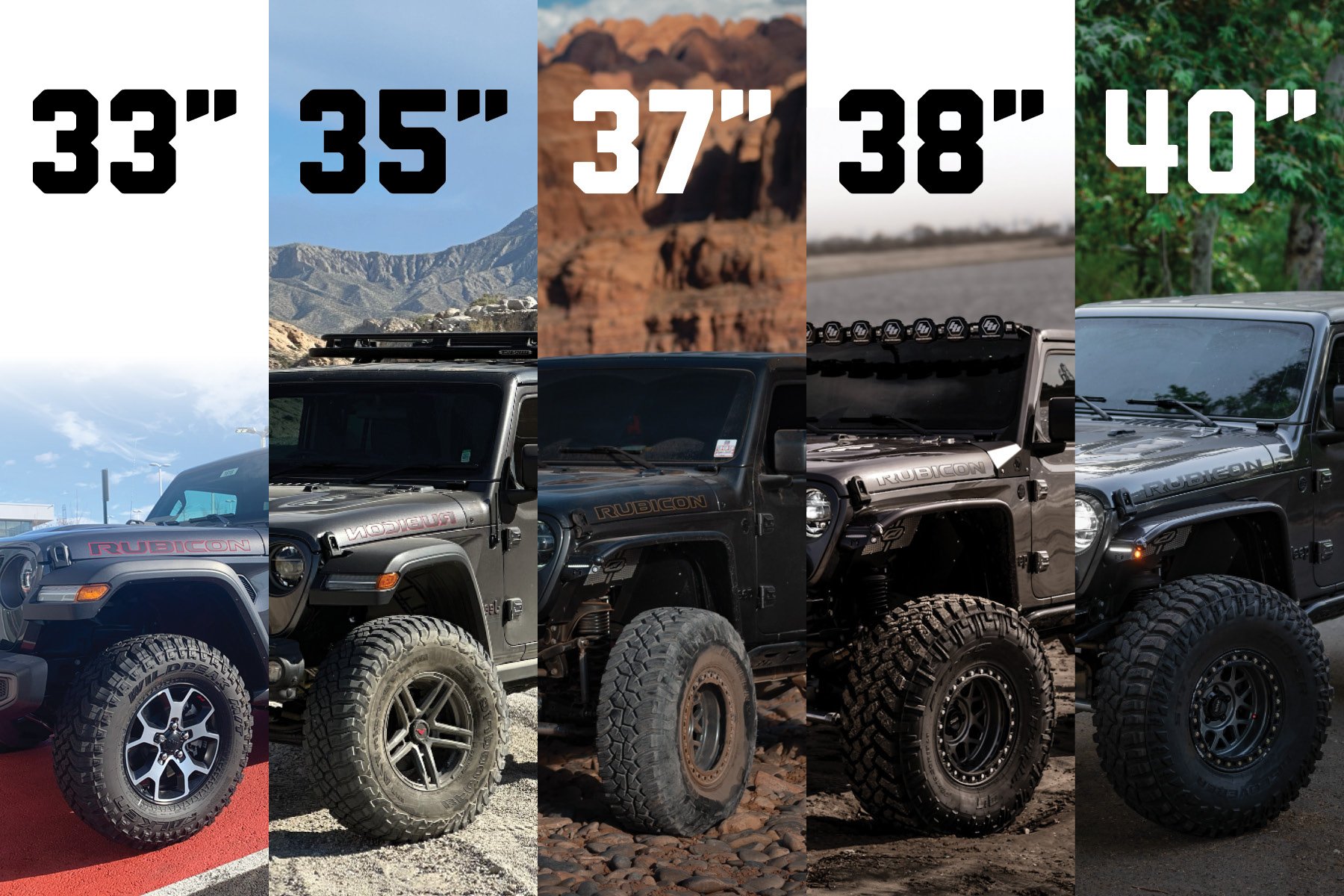
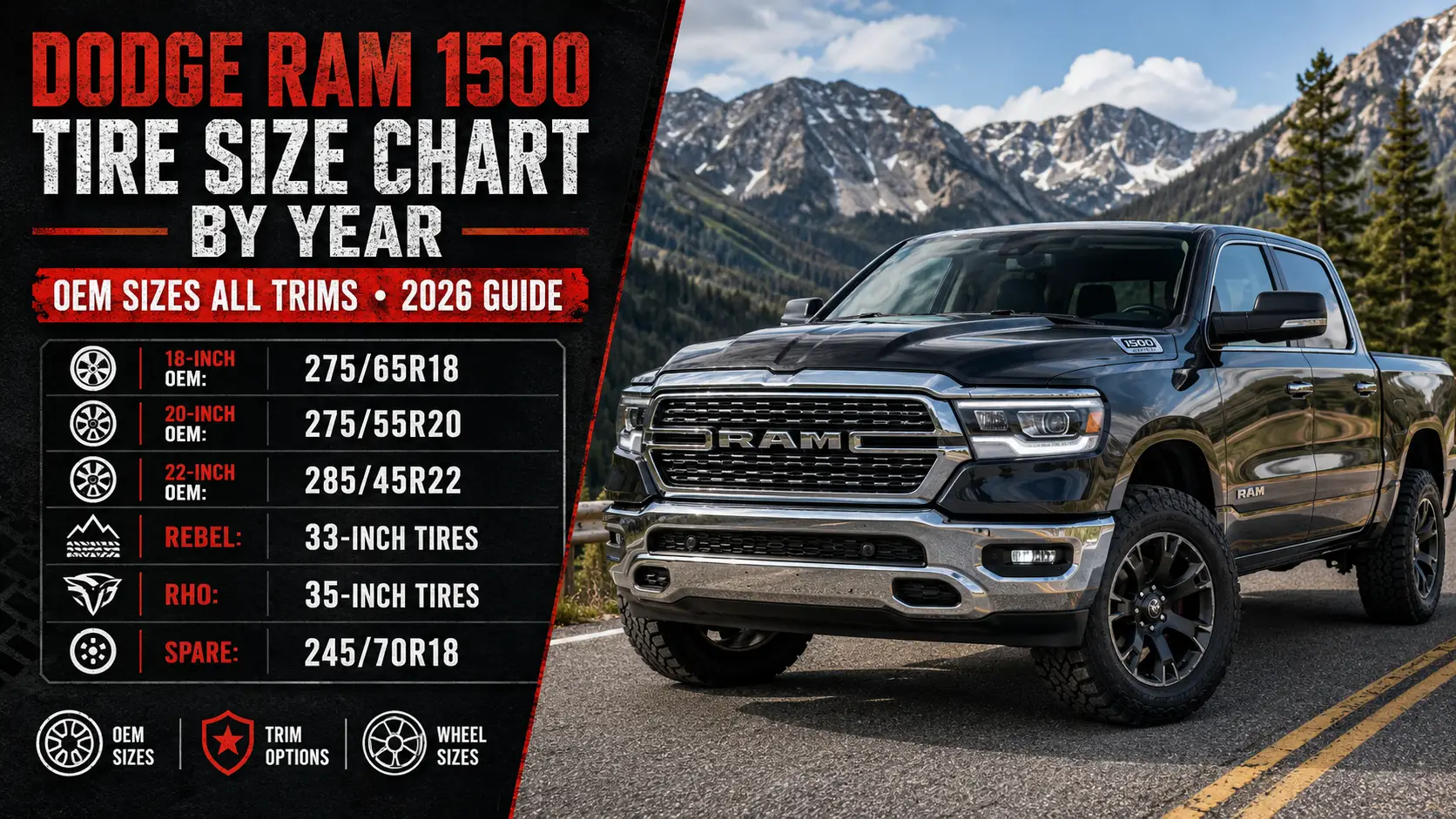
Choosing the right tire size for a 2021 Dodge Durango involves balancing factory specifications, wheel clearance limits, and the demands of off-road exploration. Standard trims utilize factory sizes such as 265/50R20 or 245/70R17, but adventurers often seek larger, all-terrain, or rugged-terrain tires to improve ground clearance, traction, and puncture resistance without causing severe rubbing against the inner fender liners or suspension components.
Understanding the 2021 Dodge Durango Factory Tire Foundations
Before modifying a 2021 Dodge Durango for overlanding, camping trips, or trail riding, you must understand the baseline specifications established by the factory. Dodge engineered the fourth-generation Durango to handle a variety of pavement duties, ranging from daily commuting to high-performance driving on SRT models. However, the suspension geometry, wheel well dimensions, and brake caliper clearances dictate what kind of alternative tire sizes you can install safely.
Depending on the specific trim level—such as the SXT, GT, Citadel, R/T, or SRT—factory wheels vary in diameter, typically spanning from 18 inches to 20 inches, with high-performance variants featuring 20-inch or even 21-inch wheels. The original equipment manufacturer (OEM) tire sizes are designed primarily for highway comfort, fuel efficiency, and road handling. For adventurers venturing off the beaten path, these factory passenger-car or light-crossover tires often lack the reinforced sidewalls and aggressive tread patterns necessary for loose dirt, mud, gravel, and sharp rocks.
Reviewing your current door placard yields the exact load index, speed rating, and recommended cold inflation pressures for your specific vehicle configuration. Keep in mind that heavy-duty roof racks, camping gear, and aftermarket cargo systems add significant weight, which directly influences your tire selection and operating pressures during overland excursions.
Decoding Durango Tire Specifications and Metrics
To evaluate alternative tire sizes for adventure driving, you must master standard metric tire nomenclature. A typical tire size string, such as 265/70R17, contains vital data regarding width, sidewall aspect ratio, internal construction, and wheel diameter.
- Section Width: The first number (265) represents the nominal width of the tire measured in millimeters from sidewall to sidewall. Wider tires provide a larger footprint for sand and soft dirt, but they also increase rolling resistance and the risk of fender rub.
- Aspect Ratio: The second number (70) is the profile or aspect ratio, indicating that the sidewall height is 70% of the section width. Higher aspect ratios mean more sidewall rubber, which is crucial for airing down on rocky trails to cushion impacts and improve traction.
- Internal Construction: The letter "R" stands for radial construction, which is standard for modern passenger and utility vehicles.
- Rim Diameter: The final number (17) specifies the diameter of the wheel in inches that the tire is designed to fit.
When upsizing for adventure, drivers frequently look at increasing the overall diameter of the tire. This boosts the vehicle's ground clearance—the vertical distance between the lowest point of the vehicle's undercarriage and the ground. However, increasing the overall diameter beyond factory parameters requires careful calculation to prevent rubbing against the steering knuckle, upper control arm, or plastic fender liners during full lock turns and suspension compression.
Factory Tire and Wheel Matrix for 2021 Trims
Different trim levels of the 2021 Dodge Durango feature distinct brake and wheel packages that constrain tire selection. The following table outlines standard factory tire sizes across common trims, alongside realistic adventure-focused alternatives.
| Trim Level | Factory Wheel Size | Factory Tire Size | Max Recommended Adventure Size (No Lift) | Common All-Terrain / Rugged Options |
|---|---|---|---|---|
| SXT / GT | 18-inch or 20-inch | 265/60R18 or 265/50R20 | 265/65R18 or 255/55R20 | BFGoodrich All-Terrain T/A KO2, Falken Wildpeak A/T3W |
| R/T / Citadel | 20-inch | 265/50R20 | 265/55R20 or 275/55R20 (minor adjustments) | General Grabber A/X, Nitto Ridge Grappler |
| SRT / Hellcat | 20-inch | 295/45R20 | Factory size or specialized road-biased options | Pirelli Scorpion Zero, Michelin Pilot Sport (Not ideal for trails) |
Note: SRT and Hellcat models feature massive high-performance braking systems and tighter suspension clearances. Installing heavy off-road tires on these performance-oriented variants is generally discouraged due to clearance limitations and the compromise of high-speed handling dynamics.
Assessing Clearance, Rubbing, and Suspension Limitations
The 2021 Dodge Durango shares a platform with heavy-duty corporate siblings, yet it features independent front and rear suspension setups optimized for highway stability and towing composure. Unlike traditional body-on-frame trucks with solid front axles, the Durango's independent front suspension leaves less room for oversized tires.
When stepping up in tire size for adventure travel, you will encounter two primary clearance hurdles:
- The Upper Steering Knuckle Bolt / Control Arm: The distance between the inside of the front tire and the upper control arm bolt is notoriously tight on modern Durangos. Exceeding a 31.5-inch to 32-inch overall tire diameter often results in direct contact with this bolt, requiring wheel spacers or aftermarket wheels with a more aggressive offset.
- The Inner Fender Liner and Pinch Weld: As you turn the steering wheel from lock to lock, wider or taller tires can catch on the plastic fender liners or the metal pinch weld located at the rear of the front wheel well.
If you plan to install a mild leveling kit or a custom suspension lift, you may gain slightly more vertical clearance, but the lateral clearance points (such as the control arm bolt) remain largely unchanged unless you alter the wheel offset. Always perform a manual clearance check with the vehicle on a lift or jack stands, cycling the steering completely from left to right before taking your adventure rig out onto remote trails.
Selecting the Right Tread Type for Overlanding and Trail Driving
Adventurers face a choice between All-Terrain (A/T), Rugged-Terrain (R/T), and Mud-Terrain (M/T) tires. For a crossover-SUV-based platform like the 2021 Dodge Durango, selecting the correct tread pattern dictates both highway livability and off-road survivability.
All-Terrain (A/T) Tires
All-terrain tires represent the gold standard for most Durango adventurers. Modern A/T tires feature reinforced sidewalls (often with 2-ply or 3-ply polyester or nylon construction) that resist punctures from sharp shale and jagged rocks. They provide biting edges for loose gravel, snow, and damp soil while maintaining civilized road manners and manageable highway noise levels. Models such as the Falken Wildpeak A/T3W or BFGoodrich KO2 offer superior treadwear warranties and dependable wet-weather performance.
Rugged-Terrain (R/T) Tires
Rugged-terrain tires bridge the gap between traditional all-terrains and aggressive mud-terrains. They incorporate more aggressive sidewall lug designs and deeper void ratios than standard A/T tires, giving your Durango a more aggressive aesthetic and enhanced traction in deep ruts. However, they may produce a slight hum at highway speeds and can slightly reduce fuel economy.
Mud-Terrain (M/T) Tires
Mud-terrain tires are generally discouraged for the 2021 Dodge Durango. Their massive tread voids, heavy weight, and aggressive rubber compounds place excess strain on the Durango's wheel bearings, steering components, and braking systems. Furthermore, M/T tires struggle with wet pavement traction compared to modern A/T alternatives.
Airing Down and Sidewall Integrity for Remote Expeditions
One of the most valuable skills for any off-road adventurer is "airing down"—reducing tire pressure below standard highway specifications to increase the tire's contact patch (footprint) and absorb trail impacts.
When you lower your tire pressure on a 2021 Dodge Durango:
- The tire flattens out, distributing the vehicle's weight over a larger surface area. This prevents the tires from sinking into soft sand, deep mud, or loose snow.
- The flexible sidewall absorbs sharp rock impacts rather than transmitting shock forces directly into the Durango's suspension bushings and frame.
However, running lower pressures on factory alloy wheels carries the risk of unseating the bead or pinching the sidewall, especially on heavier trims equipped with large 20-inch wheels and relatively short sidewalls (such as 50-aspect-ratio tires). If you frequently tackle rocky trails, opting for an 18-inch wheel conversion (if brake clearance permits) allows you to run a taller sidewall (such as a 65 or 70 aspect ratio), providing a safer cushion for airing down. Always carry a reliable portable 12V air compressor to reinflate your tires before returning to paved highways.
Practical Recommendations for Durango Adventurers
To successfully equip your 2021 Dodge Durango for adventure without causing mechanical damage or stranding yourself on a remote trail, follow this systematic approach:
- Audit Your Current Wheels: Check your existing wheel diameter. If you have 20-inch wheels, look for sizes like 265/55R20 or 275/55R20 (verifying clearance carefully), or consider stepping down to an 18-inch wheel package for more robust off-road tire choices.
- Prioritize Load and Speed Ratings: Ensure any replacement tire meets or exceeds the weight rating and speed index specified by Dodge on your driver-side door jamb. The Durango is a heavy utility vehicle, and undersized load ratings can lead to dangerous tire overheating and tread separation under heavy towing or cargo loads.
- Inspect Spare Tire Well Storage: Confirm that your upgraded adventure tire fits properly in the under-floor spare tire carrier or mount it securely on an exterior rear bumper carrier or roof rack. A full-size spare is mandatory for remote exploration.
- Monitor TPMS Functionality: Ensure your Tire Pressure Monitoring System (TPMS) sensors remain functional and calibrated correctly, especially when operating at lower off-road pressures.
By carefully evaluating your rim size, monitoring clearance constraints, and choosing a high-quality all-terrain tire with reinforced sidewalls, you can transform your 2021 Dodge Durango into a capable, reliable machine ready for backcountry exploration and weekend camping adventures.