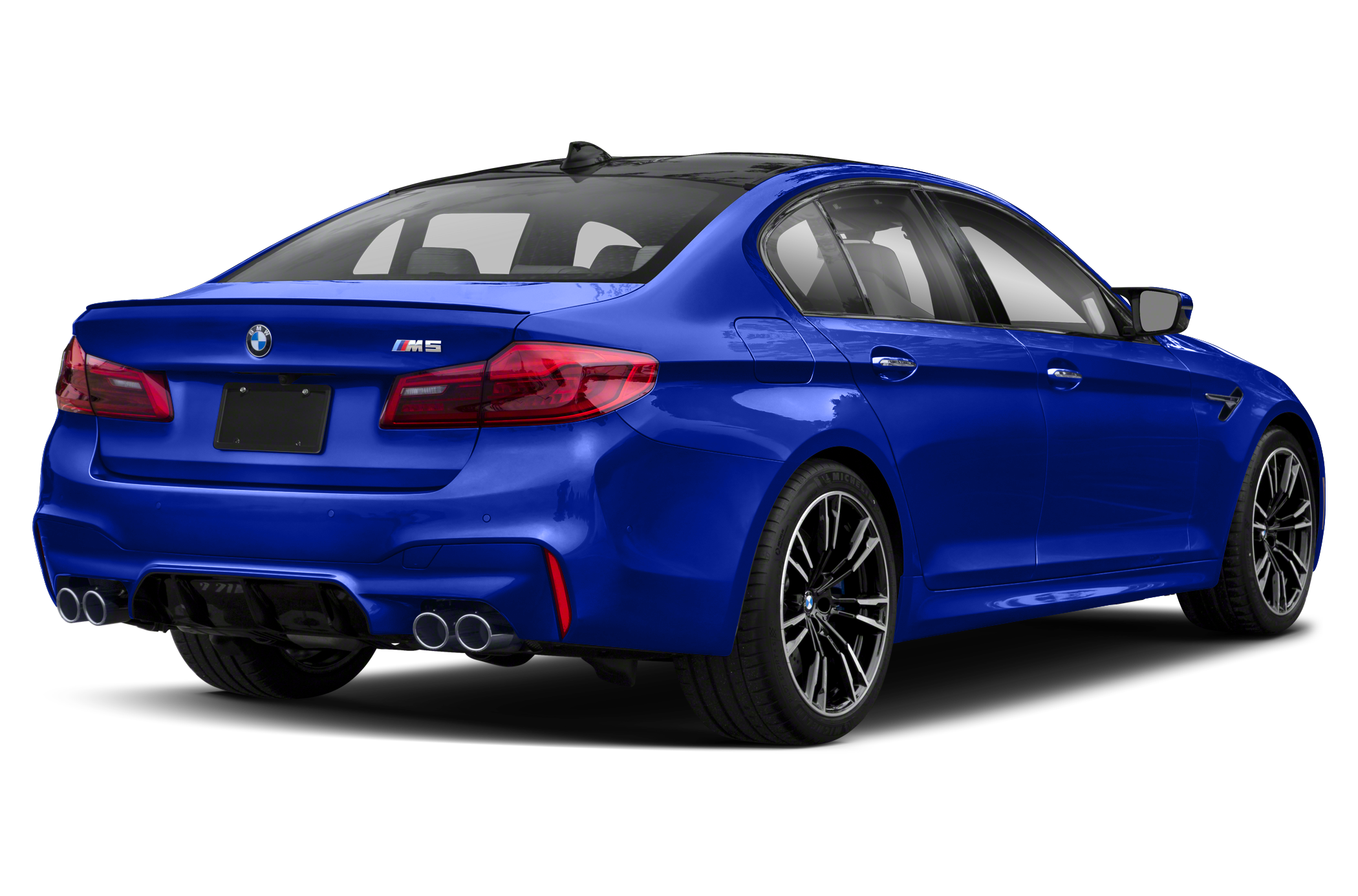
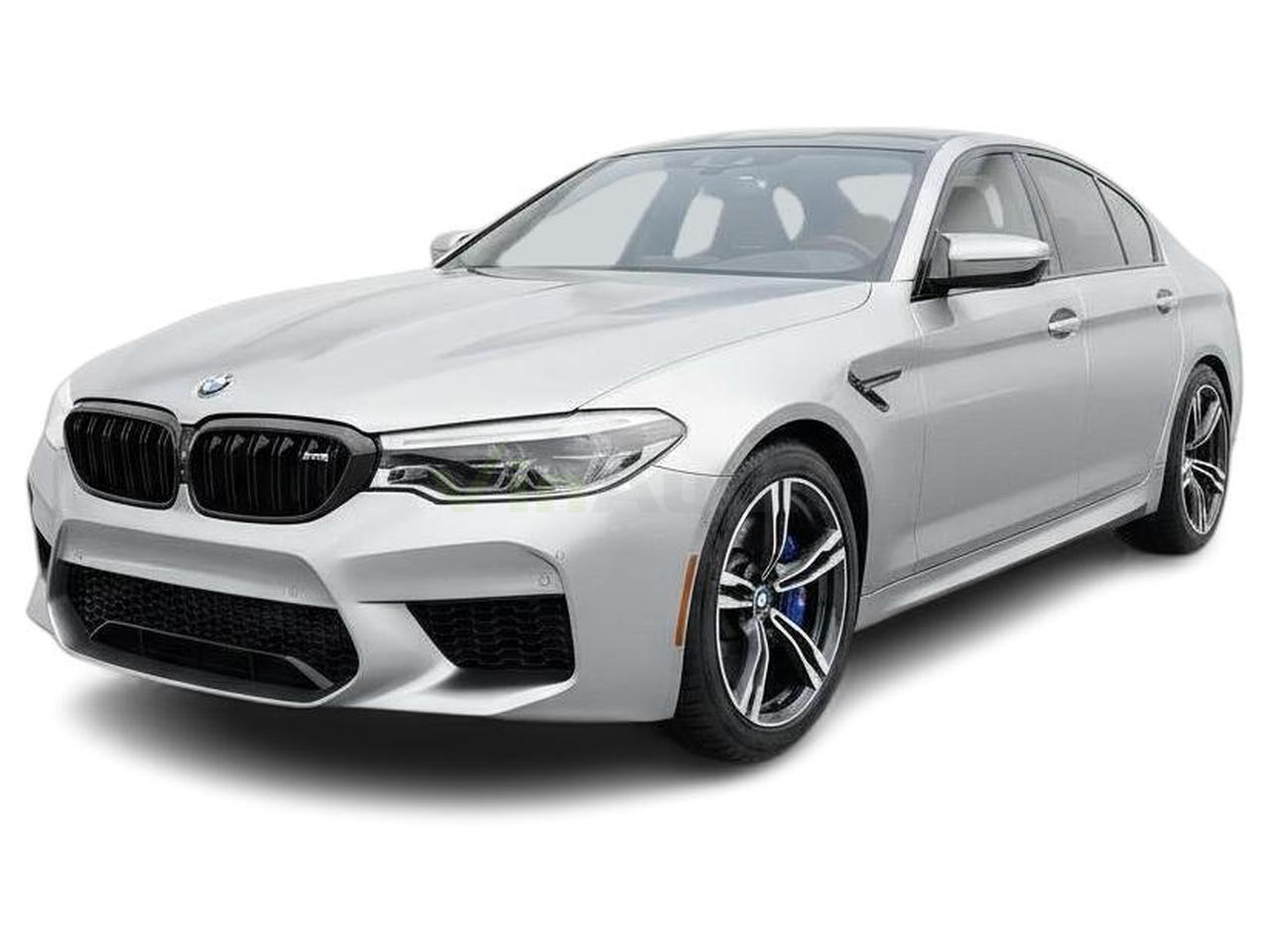
The 2019 BMW M5 (F90 generation) features a 4.4-liter twin-turbocharged V8 engine producing 600 horsepower and 553 lb-ft of torque. It is equipped with an advanced M xDrive all-wheel-drive system capable of transitioning to rear-wheel drive, paired with an 8-speed M Steptronic transmission, allowing for a 0–60 mph acceleration time of approximately 3.2 seconds.
The F90 Era: A Shift in Performance Philosophy
The 2019 model year represents a pivotal point in the evolution of the BMW M5. While previous iterations of the M5 were strictly rear-wheel drive, the F90 chassis—introduced for the 2018 model year and matured by 2019—marked the first time BMW equipped this iconic sedan with an all-wheel-drive system. This change was not a departure from the brand's performance heritage but rather a necessity to harness the immense power output of the S63 engine architecture.
The 2019 M5 was designed to serve as a high-performance daily driver, blending the luxury appointments of a 5 Series executive sedan with the track-focused engineering of the M division. The integration of M xDrive allowed the vehicle to maintain traction during launch scenarios and inclement weather, while still providing the driver with the ability to disengage the front axle to mimic the traditional rear-wheel-drive feel of its predecessors.
Engine Architecture and Powertrain Specifications
At the heart of the 2019 M5 lies the S63B44T4, a 4.4-liter V8 engine utilizing M TwinPower Turbo technology. This engine features a cross-bank exhaust manifold that improves turbocharger response by ensuring a constant flow of exhaust gas. The two twin-scroll turbochargers are positioned in the "hot V" valley between the cylinder banks to minimize piping length and reduce lag.
Power Delivery and Performance Figures
The engine is rated at 600 horsepower (441 kW) at 5,600–6,700 rpm, with a peak torque figure of 553 lb-ft (750 Nm) available from 1,800 to 5,600 rpm. This broad torque band is essential for the vehicle's versatility, providing significant mid-range acceleration for highway passing as well as low-end thrust for standing starts.
The transmission is the ZF-sourced 8-speed M Steptronic automatic. Unlike the dual-clutch transmissions (DCT) found in earlier M models, this torque-converter automatic was chosen for its ability to manage the high torque levels of the 4.4L engine while providing smooth shifting in "Comfort" mode and rapid, aggressive shifts in "Sport Plus" or manual modes.
The M xDrive System and Drivetrain Modes
The M xDrive system is the standout feature of the 2019 M5. It uses an electronically controlled multi-plate clutch in the transfer case to distribute power between the front and rear axles. The system is managed by the central M dynamic control unit, which monitors steering angle, wheel speed, and engine data to adjust torque distribution in real-time.
Drivers can select from several modes:
- 4WD: The default setting, providing maximum traction and neutral handling.
- 4WD Sport: Shifts more power to the rear wheels, allowing for a more aggressive driving feel while maintaining the safety net of all-wheel drive.
- 2WD: Disconnects the front axle entirely, reverting the vehicle to a pure rear-wheel-drive configuration. Note that this mode requires the Dynamic Stability Control (DSC) to be fully deactivated.
Chassis, Suspension, and Braking Dynamics
To manage the curb weight of approximately 4,370 pounds, BMW utilized a sophisticated chassis setup. The front suspension uses a double-wishbone design, while the rear features a five-link setup. Adaptive M Suspension is standard, allowing the dampers to be adjusted through three profiles: Comfort, Sport, and Sport Plus.
The braking system consists of six-piston fixed calipers at the front and single-piston floating calipers at the rear. Standard discs are ventilated, cross-drilled composite units. Optionally, the 2019 M5 could be equipped with M Carbon Ceramic Brakes, identifiable by their gold-painted calipers. These offer improved fade resistance during high-temperature track use and reduce unsprung mass significantly compared to the standard cast-iron steel discs.
Interior Features and Technical Ergonomics
The cabin of the 2019 M5 reflects its role as a luxury performance sedan. Standard equipment includes "M Multifunction" seats, which provide extensive side bolstering to support the driver during high-lateral-G cornering, yet remain comfortable for long-distance touring. The driver interface centers on the iDrive system, which provides access to the "M Setup" menu.
This menu is crucial for performance customization. Drivers can save two custom profiles to the red M1 and M2 buttons located on the steering wheel. These buttons allow for instant configuration of the engine, suspension, steering, transmission, and M xDrive modes without navigating through the center console menus during a drive.
Technical Comparison: 2019 M5 vs. Baseline Metrics
| Feature | Specification |
|---|---|
| Engine Type | 4.4L V8 Twin-Turbo (S63) |
| Horsepower | 600 hp @ 6,000 rpm |
| Torque | 553 lb-ft @ 1,800 rpm |
| Transmission | 8-Speed M Steptronic |
| Drivetrain | M xDrive (Selectable AWD/RWD) |
| Curb Weight | 4,370 lbs (approx.) |
| 0–60 mph | 3.2 seconds |
| Top Speed (Limited) | 155 mph (190 mph w/ M Driver's Pkg) |
Maintenance and Operational Considerations
For owners and prospective buyers in 2026, it is important to understand the maintenance requirements of the F90 M5. The S63 engine is a high-performance unit with specific oil and cooling requirements. Utilizing the manufacturer-recommended viscosity (typically 0W-30 or 5W-30 depending on climate and regional regulations) is essential for the longevity of the twin-scroll turbochargers.
The cooling system in the 2019 M5 is highly complex, utilizing multiple radiators and heat exchangers to keep charge air temperatures, engine oil, and transmission fluid within optimal ranges. Regular inspection of these coolant paths is advised, as any restriction in airflow—due to debris or damage—can trigger "limp mode" or performance degradation. Additionally, the carbon-ceramic brake rotors, if equipped, must be handled with care; while they are exceptionally durable, they can be brittle if impacted by wheel changes and are prohibitively expensive to replace.
Common Questions Regarding the 2019 M5
How does the 2019 M5 compare to the Competition model? The 2019 M5 Competition model offers a slight power increase to 617 horsepower, a lowered suspension, stiffer engine mounts, and a dedicated "Track" mode. While the standard M5 focuses on comfort and raw speed, the Competition trim tightens the handling response for track-focused users.
Is the M xDrive system reliable for long-term ownership? The M xDrive system has proven robust in the F90 generation. It relies on a well-tested electronic clutch pack. Routine fluid changes for the transfer case and differentials are recommended every 30,000 to 50,000 miles to ensure the longevity of the mechanical components.
Can the 2019 M5 be driven in snow? Yes, the M xDrive system makes the 2019 M5 highly capable in low-traction environments. When paired with high-quality winter tires, the M5 performs similarly to an AWD SUV, though the lower ground clearance remains the limiting factor in deep snow.
What is the "M Driver's Package"? The M Driver's Package is an optional factory upgrade for the 2019 M5 that raises the electronic top-speed limiter from 155 mph to 190 mph. It also typically includes a voucher for a professional driving course at a BMW Performance Center.
How does the ZF 8-speed compare to a manual transmission? The 2019 M5 was not offered with a manual transmission. The ZF 8-speed automatic was selected because it provides faster shift times than a human could achieve and is better equipped to handle the high torque output of the turbocharged V8.
Professional Recommendation for Prospective Owners
When evaluating a 2019 M5 today, focus on the vehicle's service history rather than just mileage. A car that has undergone regular oil changes and transmission service is significantly more valuable than one with lower mileage but neglected maintenance. If you intend to use the car for high-speed driving or track days, prioritize models equipped with the M Carbon Ceramic brakes, as the cost of a future conversion or upgrade is significantly higher than the initial option cost. Always ensure the "M Setup" buttons on the steering wheel are fully functional, as they are the primary interface for the car's complex performance parameters.