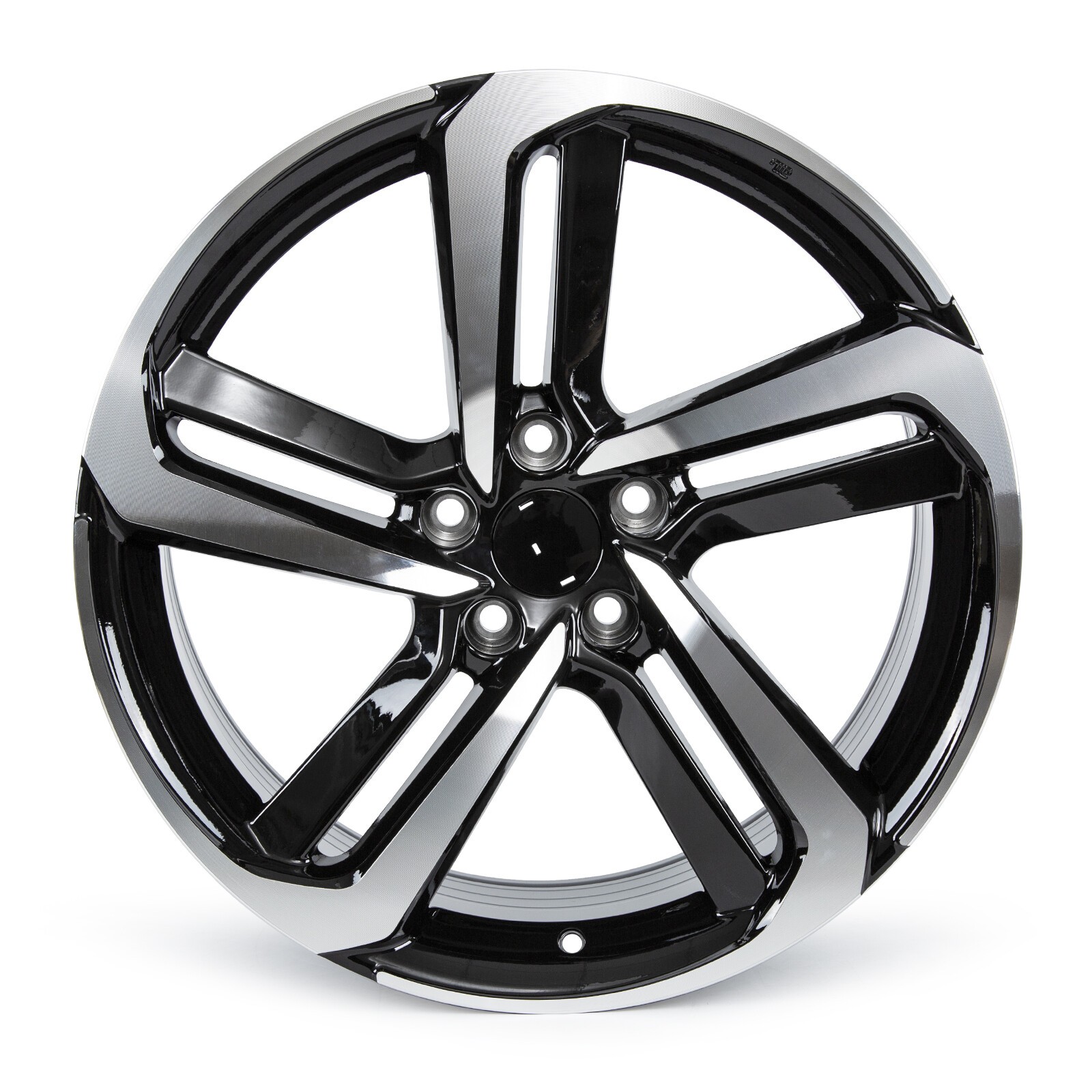
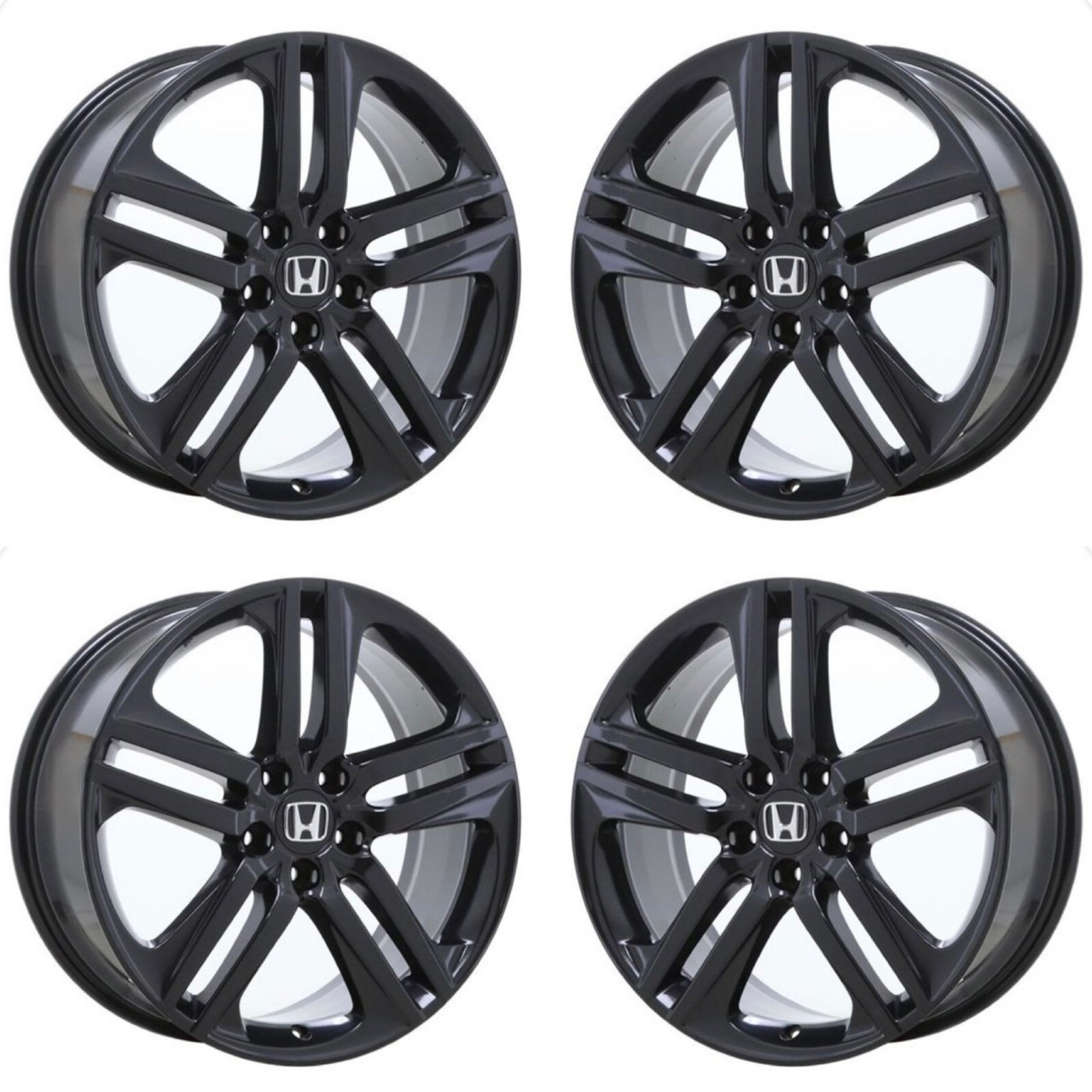
Replacing or upgrading the wheels on a 2019 Honda Accord requires careful attention to factory specifications to ensure vehicle safety, handling performance, and proper fitment. The 2019 model year features specific bolt patterns, offsets, and hub bore requirements that must be met to avoid mechanical interference or long-term damage to the suspension and braking components of the vehicle.
Understanding Factory Specifications for the 2019 Honda Accord
When searching for a 2019 Accord rim, the most critical step is identifying the exact specifications required by the vehicle. The 10th generation Honda Accord (which includes the 2019 model year) typically utilizes a 5x114.3 bolt pattern, also known as 5x4.5 inches. This is the standard pattern for most mid-sized Honda vehicles, but it is not the only variable that dictates whether a wheel will fit correctly.
The hub bore—the hole in the center of the wheel that sits on the wheel hub—is 64.1 millimeters for the 2019 Accord. If you purchase aftermarket wheels with a larger center bore, you will need to utilize hub-centric rings to prevent vibrations at highway speeds. Using wheels with a smaller bore is physically impossible without professional machining, which is generally discouraged due to structural integrity concerns.
Offset, measured in millimeters, determines how far the wheel sits inward or outward from the wheel well. The factory offset for a 2019 Accord generally ranges between +45mm and +55mm, depending on the trim level (LX, Sport, EX, EX-L, or Touring). Deviating significantly from this range can negatively impact the scrub radius, placing unnecessary stress on wheel bearings and altering the vehicle's intended steering geometry.
Identifying Your Trim Level and Wheel Size
The 2019 Honda Accord was sold with varying wheel diameters depending on the factory trim configuration. Recognizing your specific trim level is essential because the brake caliper clearance can differ between models.
- LX and EX Trims: These models typically came from the factory with 17-inch alloy wheels. These provide a higher tire sidewall, which often results in a smoother ride quality and lower replacement costs for tires.
- Sport and Touring Trims: These models frequently featured 19-inch alloy wheels. These larger diameters offer a more aggressive aesthetic and improved cornering response due to the lower tire profile, but they are also more susceptible to damage from potholes and road debris compared to the 17-inch variants.
If you are looking to downsize for winter tires or upsize for a custom look, always check that the new wheel diameter allows for enough clearance for the factory brake calipers. A wheel that is too small in diameter will interfere with the brake assembly, while a wheel that is too wide may rub against the inner wheel well liner during full-lock turns.
Comparative Analysis of Rim Materials and Construction
When shopping for replacement rims, you will encounter different manufacturing processes. Understanding these differences helps in balancing your budget with your performance expectations.
| Construction Type | Durability | Weight | Cost |
|---|---|---|---|
| Cast Aluminum | Moderate | Moderate | Low |
| Flow Formed | High | Light | Moderate |
| Forged | Very High | Very Light | High |
Cast aluminum is the most common and affordable option, representing standard original equipment. Flow-formed wheels (sometimes called rotary forged) offer a middle ground, providing significant weight savings and structural strength without the high price point of a fully forged wheel. Forged wheels are primarily intended for performance-oriented drivers who want to reduce unsprung weight to improve acceleration and braking efficiency.
Essential Considerations for Aftermarket Wheels
If you are moving away from original equipment manufacturer (OEM) wheels, several technical factors must be addressed to ensure the vehicle remains safe to operate.
Lug Nut Compatibility
Honda wheels use a ball-seat lug nut design. Many aftermarket wheels utilize a conical (acorn) seat design. You cannot use your factory Honda lug nuts on conical-seat aftermarket wheels. Using the wrong lug nut seat will result in the wheel not centering correctly, which can lead to the wheel loosening while the vehicle is in motion. Always verify the seat type required by your new rims and purchase the appropriate lug nuts.
TPMS Compatibility
The 2019 Honda Accord uses an indirect Tire Pressure Monitoring System (TPMS). Unlike systems that require sensors inside the wheel, the 2019 Accord monitors tire pressure through the ABS wheel speed sensors. This is a significant advantage for owners, as you do not need to purchase expensive, vehicle-specific TPMS sensors when changing wheels. Simply resetting the system via the vehicle's infotainment screen after a tire pressure adjustment or wheel change is usually sufficient.
Tire Clearance and Speedometer Accuracy
If you choose a different tire size to go along with your new rims, you must ensure the overall rolling diameter remains as close to the factory specification as possible. If the overall diameter changes, your speedometer and odometer will provide inaccurate readings, and the vehicle's stability control systems may be triggered prematurely or fail to activate when needed. A general rule of thumb is to keep the total diameter within 3% of the factory original.
Troubleshooting Common Issues After Installation
Following a wheel installation, you may encounter specific symptoms if the setup is not perfectly matched to the vehicle.
- Vibrations at Speed: This is most commonly caused by an imbalance in the wheel/tire assembly, but if it occurs specifically between 50 and 70 mph, it often indicates the wheels are not "hub-centric." If your aftermarket wheels do not fit snugly against the hub, the weight of the car is being supported by the lug studs rather than the hub itself. Hub-centric rings are the solution to this issue.
- Rubbing Noises: If you hear rubbing when turning the steering wheel, your offset is likely too low, causing the wheel to push outward and contact the plastic fender liner. You may need to have your fenders rolled or switch to a wheel with a higher offset.
- Brake Dust and Staining: If you opt for polished or chrome-finished aftermarket wheels, be aware that these finishes require more frequent cleaning than the standard painted silver or charcoal factory finish. Brake dust is corrosive; if left to sit on the surface of the rim, it can permanently etch the finish.
Practical Steps for Purchasing 2019 Accord Rims
Before finalizing any purchase, follow these steps to ensure success:
- Verify Bolt Pattern: Confirm your vehicle is 5x114.3.
- Check Offset: Ensure the new rim's offset is within 5mm of your current factory rim.
- Confirm Hub Bore: Match the 64.1mm bore or purchase hub-centric rings to bridge the gap.
- Test Fit: If buying used, try to test fit at least one front wheel to ensure the brake caliper clears the inner barrel of the rim.
- Inspect Condition: If buying used alloy rims, look for "bends" or "cracks" in the inner barrel, which are often caused by previous impacts with potholes.
Frequently Asked Questions
Can I put 18-inch rims on a 2019 Accord if it came with 17-inch rims? Yes, you can change wheel sizes as long as you adjust the tire sidewall height to maintain the same total rolling diameter. An 18-inch rim will require a lower-profile tire to ensure the total height matches your original 17-inch configuration.
Do I need a professional alignment after changing rims? If you are only changing the wheels and keeping the same tires, an alignment is not strictly required. However, if you are changing your suspension setup at the same time or if you have noticed uneven tire wear, a professional alignment is highly recommended to protect your tire investment.
Are 2019 Accord rims compatible with other Honda models? Many Honda models, such as the Civic or CR-V, share the same 5x114.3 bolt pattern. However, the hub bore, offset, and weight ratings vary. Always verify that the rim's load rating is sufficient for the weight of your Accord before installing a rim meant for a lighter vehicle.
What is the best way to clean 2019 Accord alloy wheels? Use a pH-neutral wheel cleaner and a soft microfiber mitt. Avoid acidic cleaners, as they can strip the clear coat off the factory alloy finish, leading to clouding or oxidation over time.
How do I recalibrate the TPMS after changing wheels? Once the new wheels are installed and the tires are inflated to the recommended PSI listed on the driver’s side door jamb, navigate to the "Vehicle Settings" menu on your infotainment screen, select "TPMS Calibration," and choose "Calibrate." The system will then learn the new pressures during a short drive.
Recommended Next Action
If you are currently experiencing vibrations or damage, inspect the inner barrel of each wheel for signs of deformation. If you are upgrading for aesthetic reasons, consult a reputable tire shop to confirm the offset of your desired wheel choice to ensure it will sit flush with your fender without requiring modifications to the vehicle's bodywork.