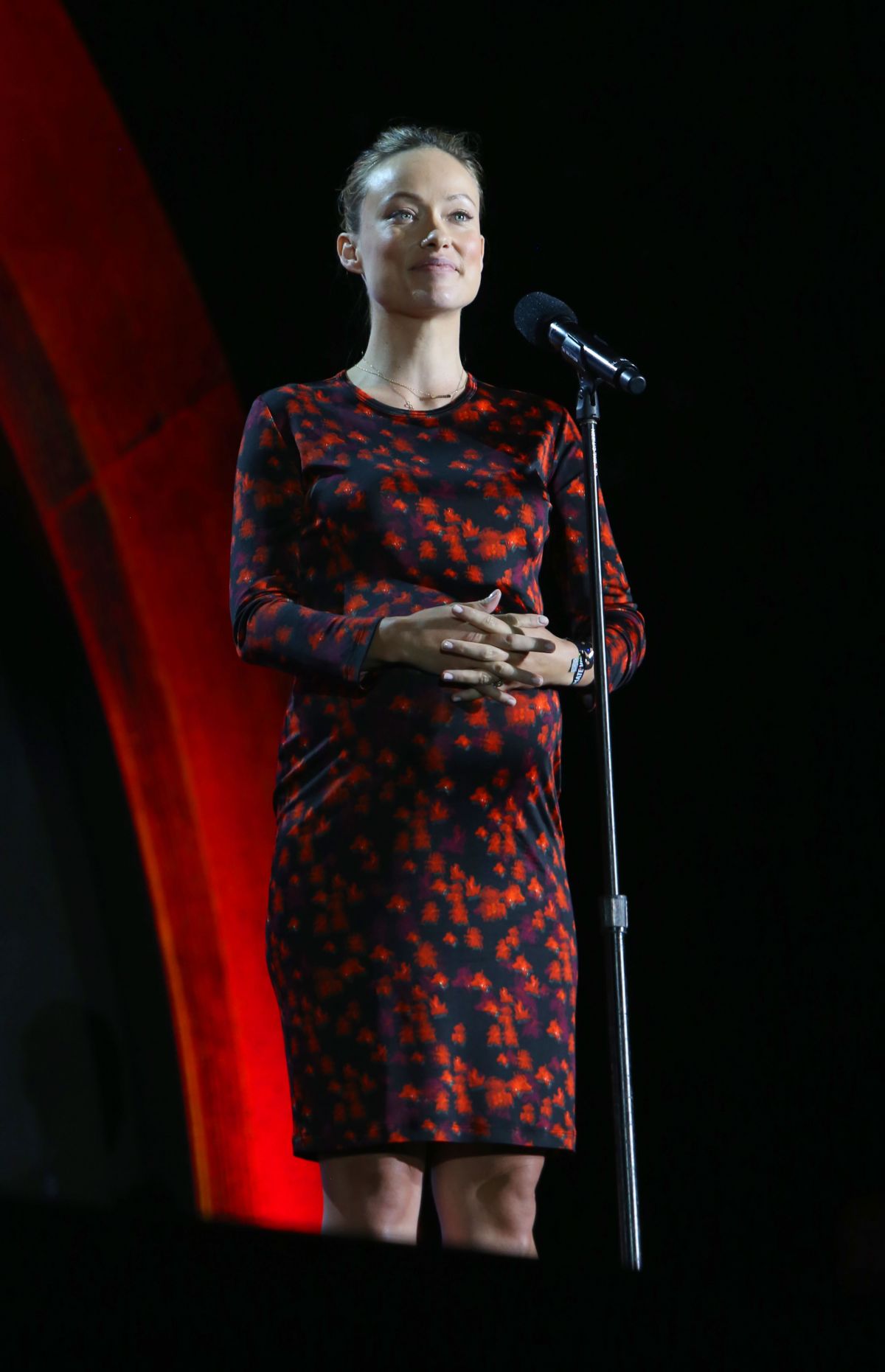
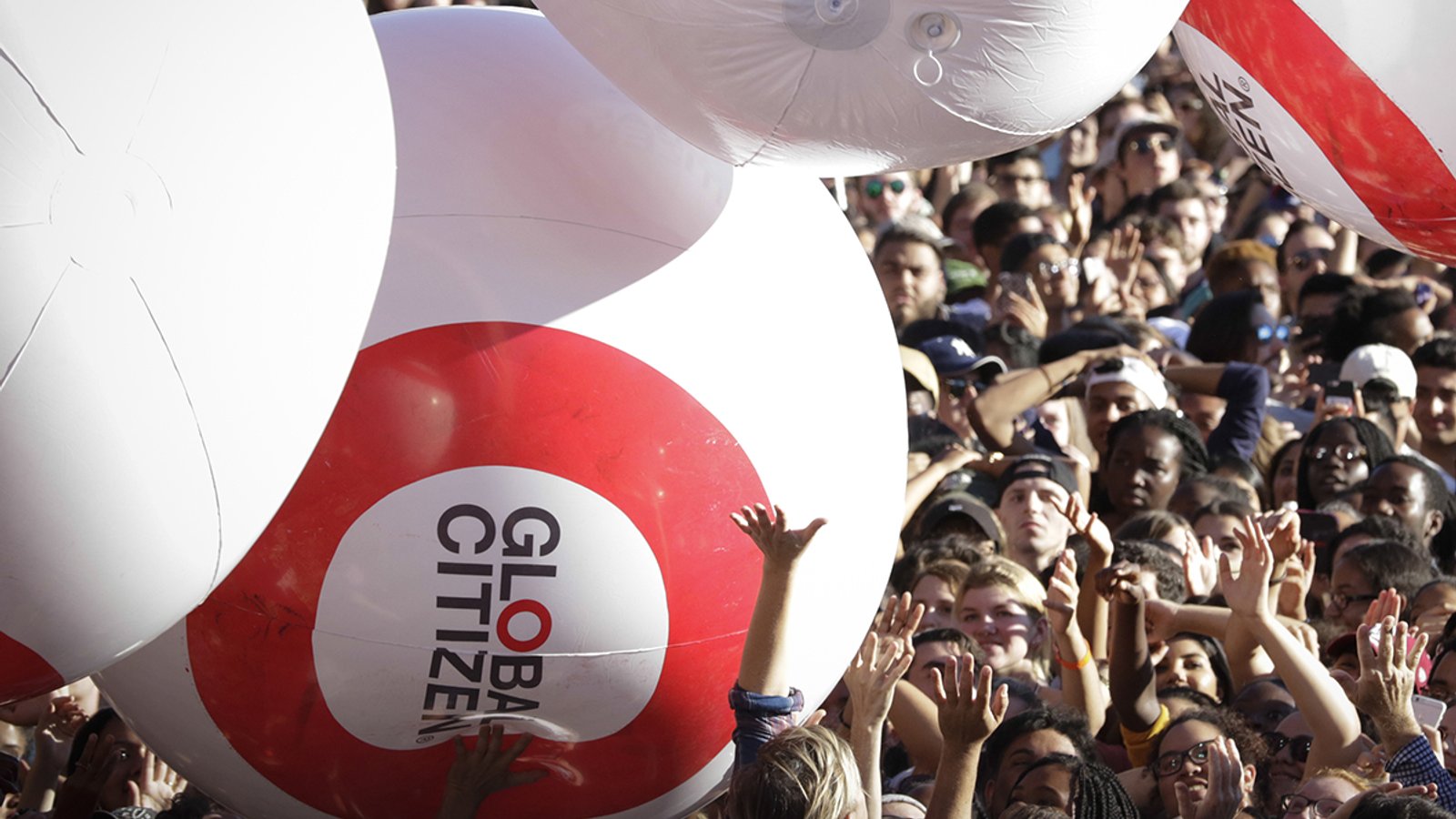
The 2016 Global Citizen Festival was a landmark advocacy event held on September 24, 2016, at the Great Lawn in New York City’s Central Park. Headlined by Rihanna, Kendrick Lamar, Metallica, and Demi Lovato, the festival utilized a "ticked-for-action" model to mobilize 60,000 attendees and secure over $1.9 billion in multi-year financial commitments aimed at ending extreme poverty.
Historical Significance and the 2030 Agenda
To understand the 2016 Global Citizen Festival, one must view it through the lens of the United Nations Sustainable Development Goals (SDGs). In September 2015, world leaders agreed to 17 global goals designed to eradicate poverty, fight inequality, and tackle climate change by 2030. The 2016 festival served as the first major public accountability check following the adoption of these goals.
The event was not merely a concert; it was a high-level advocacy platform. By 2016, the Global Citizen movement had matured from a niche activist gathering into a mainstream cultural phenomenon. The organizers, Global Poverty Project, recognized that music was the most effective "Trojan Horse" to deliver complex policy demands to a younger, more engaged demographic. The 2016 iteration focused heavily on the "Level the Law" campaign, which targeted gender-discriminatory laws, and the "Education Cannot Wait" fund, aimed at providing schooling for children in conflict zones.
The 2016 Performance Lineup and Cultural Impact
The musical curation of the 2016 festival was intentionally diverse, bridging gaps between pop, hip-hop, and heavy metal to ensure a broad coalition of "Global Citizens."
Rihanna: The Global Icon
Rihanna’s headlining set was the most anticipated performance of the night. Beyond her hits, her presence was significant due to her role as the founder of the Clara Lionel Foundation. During the festival cycle, she became a powerful voice for global education, eventually becoming an ambassador for the Global Partnership for Education. Her performance was a masterclass in pop production, but her off-stage advocacy for girls' education in sub-Saharan Africa provided the set with a deeper purpose.
Kendrick Lamar: Social Justice through Hip-Hop
Kendrick Lamar’s set brought a raw, urgent energy to the Great Lawn. In 2016, Lamar was at the height of his "To Pimp a Butterfly" era, and his lyrics regarding systemic racism and resilience resonated deeply with the festival's themes of social justice. His performance of "Alright" became an anthem for the crowd, reinforcing the idea that the fight against poverty is inextricably linked to the fight for human rights.
Metallica: A Shift in Tone
The inclusion of Metallica was a departure from previous years, which leaned more toward pop and indie rock. By bringing heavy metal to Central Park, the festival organizers signaled that the mission to end poverty was universal. The band’s high-octane performance of classics like "Enter Sandman" and "Master of Puppets" energized a segment of the audience that might not have traditionally engaged with UN-led initiatives.
Demi Lovato and Mental Health Advocacy
Demi Lovato, who stepped in for Selena Gomez, used her platform to speak candidly about mental health and the importance of healthcare access. This aligned with SDG 3 (Good Health and Well-being). Her powerhouse vocals on "Confident" and "Skyscraper" served as a backdrop for calls to increase funding for mental health services in developing nations.
The Action-Based Ticketing Model
The 2016 Global Citizen Festival was famous for its unique "Earn Your Way In" system. Unlike traditional festivals where tickets are purchased with currency, the majority of the 60,000 tickets were distributed to individuals who performed specific "Global Actions."
How Attendees Earned Tickets
To enter the ticket lottery, participants had to use the Global Citizen app or website to:
- Sign Petitions: Support legislation like the Reach Every Mother and Child Act.
- Tweet at World Leaders: Publicly call on prime ministers and presidents to commit to specific funding goals.
- Call Representatives: Use provided scripts to urge the U.S. State Department to maintain foreign aid budgets.
- Take Quizzes: Educate themselves on the specifics of water, sanitation, and hygiene (WASH) crises.
By the time the gates opened in September 2016, millions of actions had been logged. This model proved that digital advocacy could be scaled and that the "reward" of a high-profile concert could drive tangible political pressure.
Major Policy Outcomes and Financial Commitments
The 2016 festival was a massive success in terms of "policy wins." While the music grabbed headlines, the stage was frequently occupied by heads of state and CEOs announcing significant financial pledges.
| Cause Area | Commitment Source | Impact/Details |
|---|---|---|
| Education | Government of Canada | $20 million CAD to the "Education Cannot Wait" fund. |
| Polio Eradication | Government of Luxembourg | Continued support for the Global Polio Eradication Initiative. |
| Gender Equality | Various Corporations | Commitments to source $300 million from women-owned businesses. |
| Water & Sanitation | Government of the Netherlands | Commitment to provide 30 million people with clean water by 2030. |
| Global Health | Bill & Melinda Gates Foundation | Matching grants for various vaccination and nutrition programs. |
The "Level the Law" campaign saw several African nations commit to reviewing and repealing laws that allowed for child marriage or prevented women from inheriting property. These were not just vague promises; they were public declarations made in front of a global audience of millions via live stream, making it harder for leaders to backtrack.
The Role of Celebrity Ambassadors and Hosts
The 2016 event was hosted by a rotating cast of high-profile celebrities who kept the momentum going between musical sets. Chelsea Handler, Deborra-lee Furness, Hugh Jackman, Neil Patrick Harris, Priyanka Chopra, Salma Hayek Pinault, and Seth Meyers acted as "emcees of activism."
The presence of Hugh Jackman and Deborra-lee Furness was particularly impactful, as they had been long-term supporters of the Global Poverty Project. Their ability to explain the nuances of the "poverty trap" helped bridge the gap between the entertainment value of the show and the serious nature of the cause. Furthermore, special guest appearances by Yusuf / Cat Stevens and a collaboration between Chris Martin (Coldplay) and Eddie Vedder (Pearl Jam) provided "viral moments" that ensured the festival remained trending on social media, further amplifying the advocacy messages.
Challenges, Logistics, and Production
Organizing a festival for 60,000 people on the Great Lawn of Central Park is a logistical feat. The 2016 event required months of coordination with the NYC Parks Department and the Secret Service, given the presence of various international dignitaries.
Security and Crowd Management
Because the festival coincided with the UN General Assembly, security was exceptionally tight. Attendees faced multi-layered checkpoints. Despite the high security, the atmosphere remained largely celebratory. However, like any large-scale event, there were minor issues with entry wait times and the "dust bowl" effect on the Great Lawn, which led to subsequent discussions about how to better protect the park's environment during such massive gatherings.
Digital Reach
The 2016 festival was broadcast live on MSNBC and streamed globally via YouTube and Twitter. This was a critical component of the strategy. The goal was never just to reach the 60,000 people in the park; it was to reach the millions watching at home. The production quality—managed by Ken Ehrlich and his team—ensured that the transitions between the music and the "impact segments" were seamless, preventing the broadcast from feeling like a dry telethon.
Long-Term Impact: Looking Back from 2026
As we look back from 2026, the 2016 Global Citizen Festival is seen as a turning point in the "advocacy-tainment" industry. It proved that a dedicated platform could sustain interest in the SDGs year-over-year. Many of the children who were granted access to education through the $20 million Canadian pledge in 2016 have now completed their primary schooling.
The 2016 event also refined the way Global Citizen tracks "impact." Following criticism that "clicktivism" was too shallow, the organization began implementing more robust verification systems to ensure that the billions of dollars pledged on stage actually reached the intended NGOs and government agencies. By 2026, the data transparency sparked by the 2016 cycle has become the industry standard for humanitarian festivals.
Frequently Asked Questions
Was the 2016 Global Citizen Festival really free?
The tickets were free in the sense that no monetary payment was required. However, they were not "free" in terms of effort. Most attendees had to complete "Actions" on the Global Citizen platform to enter a lottery for tickets. A small number of VIP tickets were sold to corporate sponsors and high-net-worth individuals to help fund the production costs of the event.
Where exactly in Central Park was the festival held?
The festival was held on the Great Lawn, located in the center of Central Park between 79th and 85th Streets. This area has a long history of hosting massive free concerts, ranging from the New York Philharmonic to Paul Simon and Elton John.
Who were the surprise guests at the 2016 festival?
One of the most talked-about moments was when Eddie Vedder of Pearl Jam joined Chris Martin on stage for a surprise acoustic set, performing "Nothingman" and a cover of Patti Smith’s "People Have the Power." Additionally, Usher made a guest appearance to perform with the house band, adding to the night's star power.
What was the "Level the Law" campaign mentioned in 2016?
"Level the Law" was a flagship Global Citizen campaign focused on SDG 5 (Gender Equality). Its goal was to encourage world leaders to change or remove laws that discriminate against women and girls. In 2016, this included targeting laws related to child marriage, domestic violence, and workplace discrimination in over a dozen countries.
How did the 2016 festival address the Syrian refugee crisis?
The 2016 event coincided with the peak of the global refugee crisis. Much of the funding secured for the "Education Cannot Wait" fund was specifically earmarked for children living in refugee camps and conflict zones, ensuring that a "lost generation" of students could continue their education despite being displaced.
Practical Recommendations for Future Global Citizens
If you are looking to engage with the movement today in 2026 or looking back at the lessons of 2016, consider the following actions:
- Verify the Impact: Don't just celebrate a pledge; follow the Global Citizen Impact Tracker to see how the billions of dollars committed in 2016 and subsequent years were actually spent.
- Move Beyond the Click: While signing a petition is a great first step, the 2016 festival showed that real change happens when citizens follow up with their local representatives. Use the momentum of these events to build long-term relationships with policy offices.
- Support Grassroots Organizations: Many of the commitments made on the Global Citizen stage are funneled through large organizations like UNICEF or the Global Fund. However, grassroots, local-led NGOs often need direct support to implement these programs on the ground.
- Stay Educated on the SDGs: The 17 Sustainable Development Goals are the roadmap to 2030. Understanding the specific targets within each goal allows you to be a more effective advocate than simply supporting a general "end poverty" message.
The 2016 Global Citizen Festival remains a masterclass in how to blend the power of celebrity with the necessity of political action. It transformed the Great Lawn into a global stage where the world's most vulnerable populations were finally given a voice through the collective roar of 60,000 activists and some of the greatest musical performers of the century.