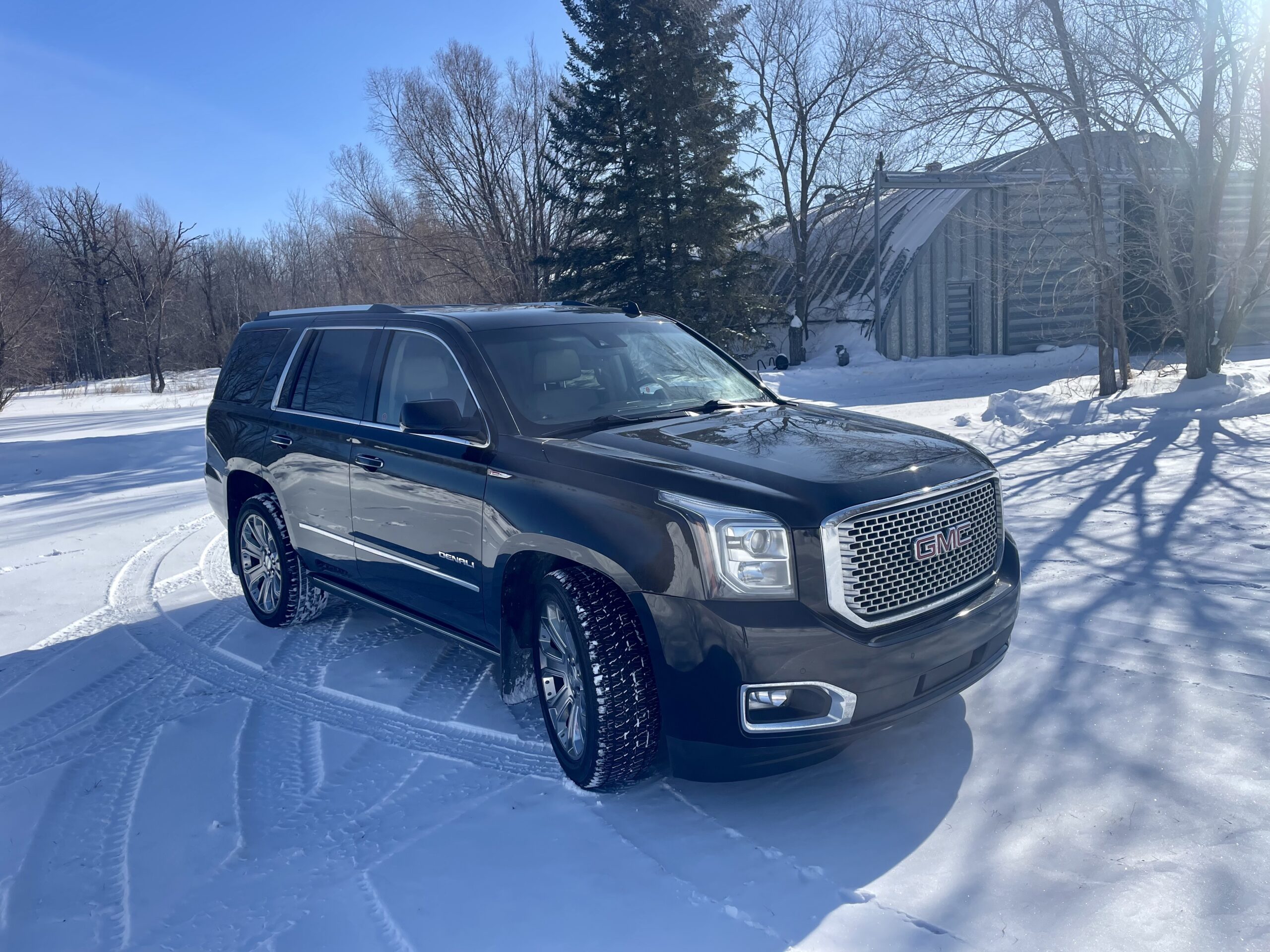
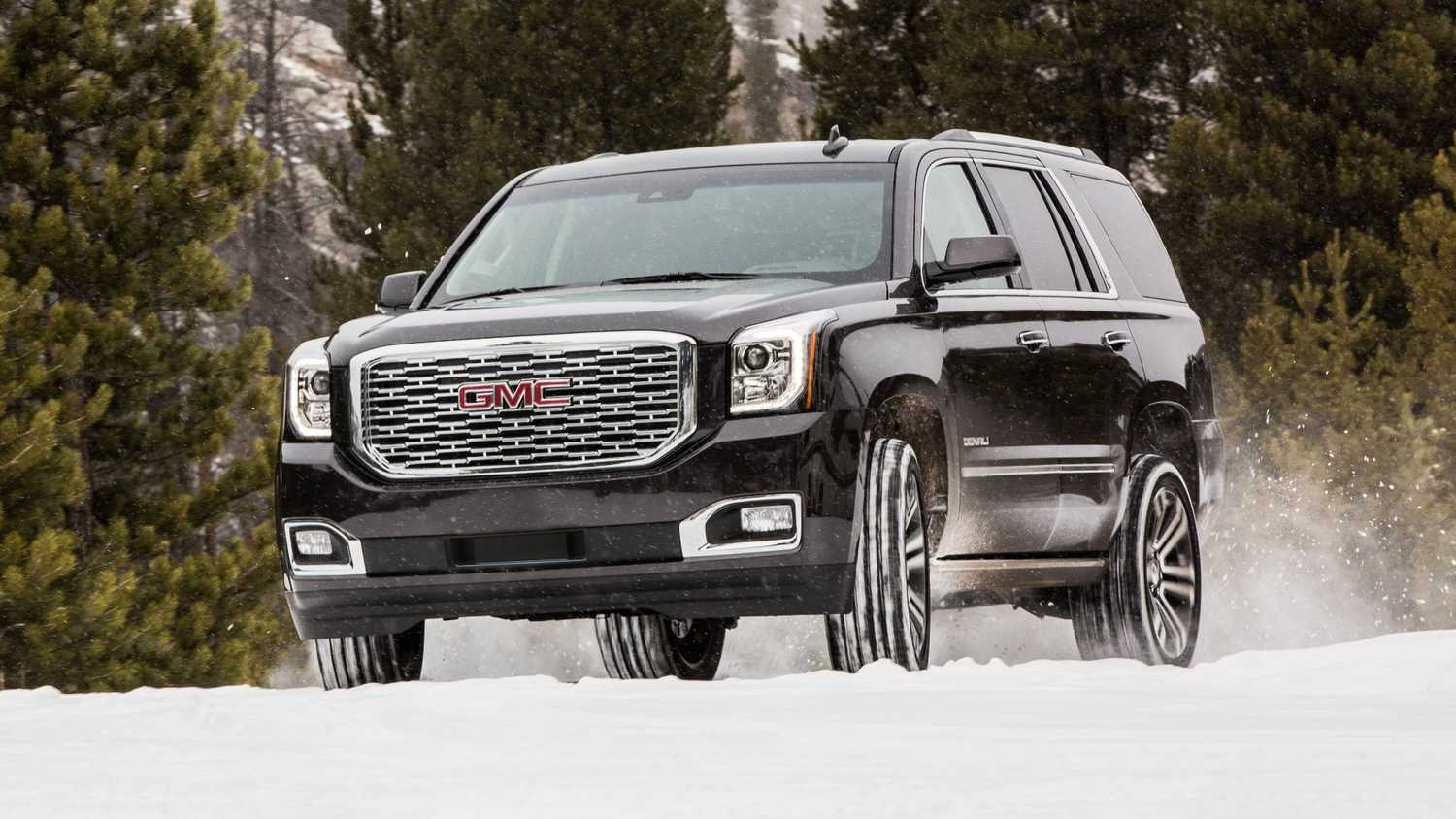
Evaluating the reliability of the 2015 GMC Yukon Denali requires looking past its luxurious interior and commanding road presence to examine the mechanical realities of its first-year redesign. When placed in historical perspective, this full-size luxury SUV represents a complex ownership proposition characterized by upscale comfort, potent V8 performance, and a series of well-documented powertrain and electronic teething issues that demand careful inspection and proactive maintenance.
As the flagship of General Motors' K2XX full-size SUV platform introduced for the 2015 model year, the Yukon Denali stepped into a highly competitive market segment. It replaced the aging GMT900 generation with a stiffer, lighter frame, a quieter cabin, and an array of advanced safety features. Yet, being the introductory year of a major generational overhaul, the 2015 model inherited several first-year manufacturing hurdles. Understanding how these vehicles hold up over time involves weighing their premium attributes against recurring mechanical vulnerabilities, maintenance costs, and common points of failure that accumulate as these SUVs cross high mileage thresholds.
Generational Context: The K2XX Platform Shift
The 2015 model year marked a monumental transition for General Motors' full-size truck and SUV architecture. Moving from the GMT900 platform to the K2XX platform brought significant structural improvements, including high-strength steel usage, enhanced aerodynamics, and a completely redesigned interior layout featuring fold-flat second and third-row seats.
For the Denali trim specifically, this generation introduced the 6.2-liter EcoTec3 V8 engine paired with an 8-speed automatic transmission—a combination that promised superior power delivery and improved highway efficiency compared to the older 6.2L 6-speed setup. However, this powertrain pairing in the 2015 model year was entirely new to the Yukon lineup. While the engine block shared a foundation with other GM truck powerplants, the specific calibration of the 8-speed automatic transmission (designated as the 8L90) during its introductory year has become a focal point for long-term reliability discussions.
The 6.2L EcoTec3 V8 Engine Architecture
Under the hood, the 2015 GMC Yukon Denali features the aluminum-block L86 6.2-liter V8 engine, generating 420 horsepower and 460 lb-ft of torque. This powerplant incorporates direct fuel injection, continuously variable valve timing, and Active Fuel Management (AFM), a cylinder-deactivation system designed to shut down four cylinders under light-load driving conditions to save fuel.
From a mechanical standpoint, the core block and rotating assembly of the L86 are robust, capable of easily exceeding 200,000 miles with proper oil changes and preventative care. However, the auxiliary systems attached to the engine—most notably the AFM hardware and the direct-injection high-pressure fuel pump—introduce complexity. The AFM lifters, which use hydraulic pins to collapse and decouple the pushrods on designated cylinders, have historically been a point of failure across various GM small-block V8 engines of this era. When an AFM lifter sticks or collapses, it can cause severe valvetrain damage, requiring extensive repairs.
Transmission Performance and the 8L90 Experience
One of the most consequential decisions GM made for the 2015 Yukon Denali was equipping it with the Hydra-Matic 8L90 8-speed automatic transmission. While it offered tighter gear spacing and an overdrive ratio that lowered highway cruising RPMs, the early calibration iterations of this transmission have drawn criticism from owners and automotive technicians alike.
Common complaints regarding the 2015 8L90 transmission center on harsh shifting, hesitation, shuddering at highway speeds, and occasional premature internal wear. The torque converter used in early versions of this transmission was particularly susceptible to premature breakdown of the clutch friction material due to fluid contamination and thermal stress. This issue often manifested as a distinctive shudder, frequently mistaken by drivers for a misfire or driving over rumble strips.
To address these concerns, General Motors issued technical service bulletins (TSBs) recommending specific transmission fluid flushes utilizing Mobil 1 Synthetic LV ATF HP, alongside computer TCM (Transmission Control Module) recalibrations. For buyers evaluating a used 2015 model, verifying whether these transmission updates were performed—or if the transmission or torque converter has already been replaced—is a critical step in assessing long-term reliability.
Suspension, Steering, and Magnetic Ride Control
The Denali trim distinguishes itself from lower Yukon trim levels by featuring Magnetic Ride Control (MRC), an adaptive suspension system that utilizes magnetorheological fluid in the dampers to adjust stiffness in milliseconds based on road conditions. While MRC provides an exceptionally smooth ride and responsive handling for a three-row SUV, the components are considerably more expensive to replace than traditional steel springs and shocks.
| Component | Standard Yukon (Leveled/Conventional) | Yukon Denali (Magnetic Ride Control) | Typical Replacement Cost Range (Parts & Labor) |
|---|---|---|---|
| Front Struts | Standard gas-charged shocks | Magnetorheological adaptive struts | $800 – $1,500 per pair |
| Rear Shocks | Standard hydraulic/gas shocks | Electronic self-leveling air/magnetic shocks | $1,000 – $2,200 per pair |
| Steering Rack | Hydraulic or basic electric assist | Variable-effort electronic power steering | $1,200 – $2,000 complete |
| Brake Rotors/Pads | Standard ventilated discs | Heavy-duty vented performance discs | $400 – $800 per axle |
As these vehicles accumulate mileage, the magnetic struts and shocks are prone to weeping fluid, losing their damping efficiency, or triggering suspension warning lights on the dashboard. Furthermore, the rear suspension often incorporates air-assisted Nivomat or electronic leveling shocks designed to handle heavy tongue weights when towing. If the compressor fails or air lines develop leaks, the rear end will sag, compromising ride quality and towing stability.
Electronics, Infotainment, and Cabin Accessories
Beyond mechanical systems, modern luxury vehicles are heavily dependent on complex electrical architecture. The 2015 model year sits squarely in the era of GM's CUE and IntelliLink infotainment systems, which have proven to be persistent sources of frustration for owners.
Common electrical and interior durability issues reported on the 2015 Yukon Denali include:
- Infotainment Delays and Delamination: The touchscreen display can suffer from bubbling, ghost touching (where the screen registers inputs without user touch), or complete blackouts due to adhesive failure behind the digitizer glass.
- CUE/IntelliLink Glitches: Bluetooth connectivity drops, backup camera freezing, and audio system lockups often require software flashes or complete head-unit replacements.
- Power Liftgate Failures: The motorized rear tailgate frequently experiences sensor calibration loss, failing gas struts, or motor burnout, leading to incomplete closing or manual-only operation.
- AC Condenser and Evaporator Leaks: Dual-zone and tri-zone climate control systems are prone to refrigerant leaks within the dashboard evaporator core or external condenser fins, resulting in warm air blowing from the vents.
Maintenance Costs and Long-Term Ownership Realities
Operating a high-end luxury SUV past its factory warranty window requires budgeting for higher-than-average maintenance and repair expenses. While parts availability is excellent due to GM's shared platform architecture with the Chevrolet Tahoe, Suburban, and Cadillac Escalade, the Denali-specific components command a premium.
Preventative maintenance is the single most effective strategy for mitigating unexpected repair bills. Routine fluid changes for the transmission, transfer case (on four-wheel-drive models), and differential fluids should be performed more frequently than factory intervals suggest—ideally every 45,000 to 50,000 miles—to offset the heavy thermal loads generated by towing and highway driving. Additionally, monitoring oil consumption is vital; direct-injection engines can experience minor oil loss through the PCV system, and letting oil levels drop can accelerate wear on the variable valve timing and AFM components.
Frequently Asked Questions
What are the most common mechanical problems with the 2015 GMC Yukon Denali?
The most frequent mechanical issues include transmission shudder and harsh shifting associated with the 8-speed automatic transmission torque converter, Active Fuel Management (AFM) lifter failure, leaks from the Magnetic Ride Control suspension struts, and failure of the internal infotainment touchscreen digitizer.
Is the 6.2L EcoTec3 V8 engine reliable over high mileage?
Yes, the core mechanical block of the L86 6.2L V8 is durable and capable of surpassing 200,000 miles. However, its longevity depends heavily on strict adherence to oil change intervals to protect the complex direct-injection and cylinder-deactivation valvetrain components.
How does the 8-speed transmission in the 2015 model compare to later years?
The 2015 model year was the debut for the 8L90 8-speed transmission in this platform, making it more prone to shift quality complaints and torque converter wear than later production years. Many of these units require updated fluid flushes or hardware replacements to achieve smooth operation.
Are replacement parts expensive for a used Yukon Denali?
While basic engine and chassis maintenance parts are widely available and reasonably priced through aftermarket suppliers, luxury-specific items like Magnetic Ride Control struts, OEM infotainment units, and specialized transmission components carry significantly higher costs.
What should I look for when inspecting a used 2015 GMC Yukon Denali?
Verify the service history for transmission fluid changes and recall completions. Test drive the vehicle thoroughly at highway speeds to check for transmission shudder, inspect the suspension for fluid leaks or warning lights, and test all interior electronics, including the touchscreen and power accessories.
Final Recommendation
When viewed in perspective, the 2015 GMC Yukon Denali remains a capable, luxurious, and powerful utility vehicle, but it is not a low-maintenance appliance. Purchasing or maintaining one today requires acknowledging its first-year platform quirks, particularly regarding the 8-speed transmission and adaptive suspension. Buyers should prioritize examples with comprehensive service documentation, verify that transmission updates have been completed, and set aside a dedicated maintenance fund to handle the inevitable auxiliary component repairs that accompany high-mileage luxury vehicle ownership.