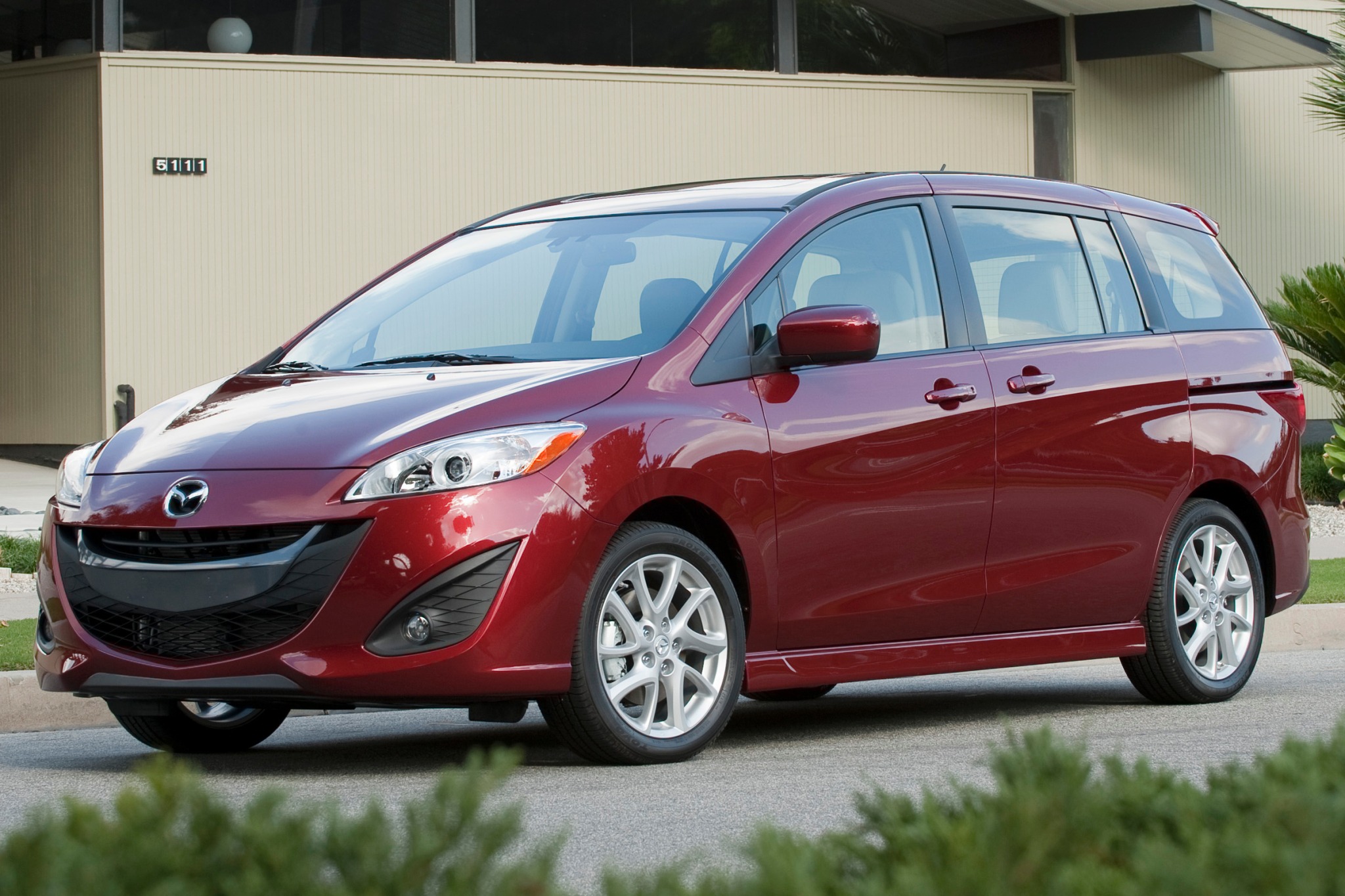
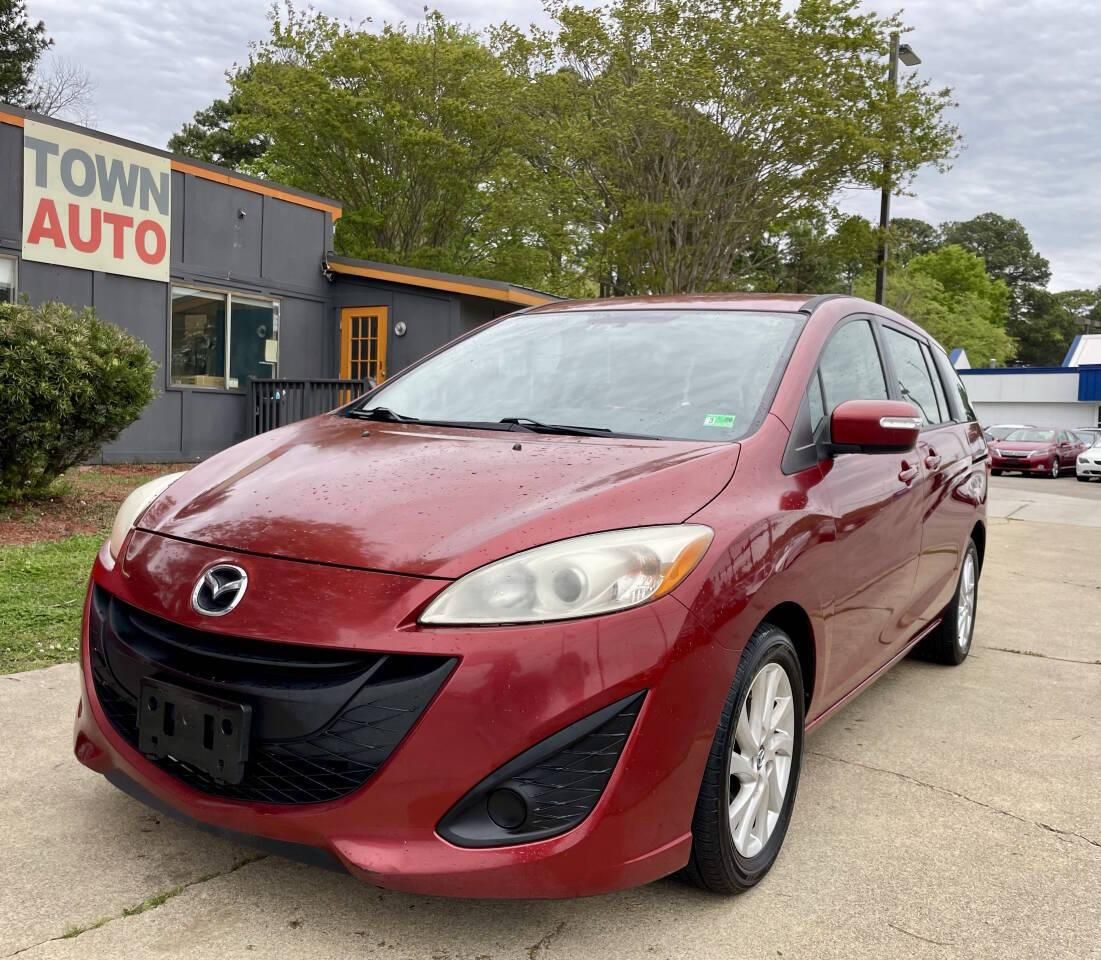
The 2013 Mazda Mazda5 remains a unique used-market option in 2026, offering a rare blend of six-passenger capacity and nimble, car-like handling. While it lacks modern driver-assistance technology and heavy-duty towing power, its sliding doors and reliable 2.5L engine make it an efficient, budget-friendly alternative to bulky full-sized minivans for urban families.
The automotive landscape of 2026 is dominated by electrified crossovers and massive three-row SUVs, making the "mini-minivan" niche of the 2013 Mazda5 feel like a relic from a more sensible era. Originally designed for the European and Japanese markets as the Mazda Premacy, the North American Mazda5 carved out a dedicated following among drivers who needed more than a sedan but less than a bus. For those evaluating this vehicle more than a decade after its release, the focus shifts from its "Zoom-Zoom" marketing to its long-term durability, parts availability, and everyday utility.
The Philosophy of the "Micro-Van"
The 2013 Mazda5 occupies a "Goldilocks" zone in terms of sizing. It is built on the same "C1" platform that underpinned the first-generation Mazda3 and the contemporary Ford Focus. This gives the vehicle a footprint significantly smaller than a Honda Odyssey or Toyota Sienna of the same year. In a 2026 context, where city parking has become increasingly premium and fuel costs remain a primary concern for internal combustion engine (ICE) vehicle owners, the Mazda5’s compact dimensions are a distinct advantage.
Unlike larger vans, the Mazda5 uses a 2+2+2 seating configuration. This means it provides six dedicated seats rather than seven or eight. The "walk-through" design between the second-row captain's chairs allows easy access to the third row, making it ideal for families with two or three children who frequently transport friends. However, the trade-off is a narrow body; you cannot fit three car seats across any row in this vehicle.
Powertrain and Performance Dynamics
The heart of the 2013 Mazda5 is the 2.5-liter MZR four-cylinder engine. This naturally aspirated powerplant produces 157 horsepower and 163 lb-ft of torque. By 2026 standards, these numbers seem modest, especially when compared to the turbocharged small-displacement engines or high-torque electric motors common in newer vehicles.
Transmission Options
The 2013 model year was one of the last to offer a six-speed manual transmission on the base Sport trim, a rarity that has made this specific configuration a "cult classic" in the used car market. Most buyers, however, will encounter the five-speed automatic transmission. While the automatic is generally robust, it lacks the smoothness and fuel-saving ratios of modern eight-speed or CVT units.
On-Road Behavior
The primary reason to choose a Mazda5 over a contemporary small SUV (like a 2013 Honda CR-V or Toyota RAV4) is the handling. Because it sits lower to the ground and shares its suspension architecture with the Mazda3, the Mazda5 resists body roll surprisingly well. The hydraulic power steering provides more feedback than the numb electronic systems found in many modern cars. It feels "tossable," a word rarely used to describe anything with sliding doors.
Interior Functionality and "Karakuri" Design
Mazda utilized a design philosophy called "Karakuri" for the interior, which refers to traditional Japanese mechanized puppets. In the Mazda5, this translates to clever, folding storage solutions.
- Second-Row Versatility: The second-row captain's chairs feature hidden storage compartments under the seat cushions. One side contains a "Karakuri" storage bin and tray that can be deployed between the seats, while the other side offers a mesh storage net.
- Third-Row Compromise: The third row is best reserved for children or short trips for adults. When the third row is in use, cargo space is almost non-existent (roughly 5.6 cubic feet). Most owners in 2026 treat the Mazda5 as a four-passenger vehicle with a large trunk, only deploying the rear seats when necessary.
- Sliding Doors: The dual manual sliding doors are a standout feature. In tight garage spaces or crowded parking lots, they allow for much easier entry and exit than traditional swing-out doors. Unlike power sliding doors found in larger vans, these manual doors are less prone to expensive motor failures as the vehicle ages.
2013 Mazda5 Specifications and Trim Levels
When shopping for a Mazda5 in 2026, understanding the differences between the three available trims is crucial for determining value.
| Feature | Sport | Touring | Grand Touring |
|---|---|---|---|
| Engine | 2.5L I4 | 2.5L I4 | 2.5L I4 |
| Transmission | 6-Spd Manual / 5-Spd Auto | 5-Spd Automatic | 5-Spd Automatic |
| Wheels | 16-inch Alloy | 17-inch Alloy | 17-inch Alloy |
| Climate Control | Manual | Automatic | Automatic |
| Sunroof | No | No | Standard |
| Headlights | Halogen | Halogen | Xenon (HID) |
| Seating Surface | Cloth | Cloth | Leather-trimmed |
| Bluetooth/USB | Optional/Limited | Standard | Standard |
Long-Term Reliability and Common 2026 Issues
After thirteen years on the road, the 2013 Mazda5 has a well-documented reliability profile. The 2.5L MZR engine is widely considered one of Mazda’s most durable engines, often reaching 200,000 miles with basic maintenance. However, there are specific "age-related" issues that potential buyers should inspect.
Suspension Wear
The most common complaint regarding the Mazda5 involves the rear suspension. The vehicle is relatively heavy for its platform, which puts significant stress on the rear shocks and bushings. Listen for a "clunking" or "thumping" sound over bumps, which usually indicates the rear sway bar bushings or trailing arm bushings need replacement.
Tire Wear Patterns
Due to the suspension design, the Mazda5 is prone to "cupping" or uneven tire wear, especially in the rear. Regular rotations and keeping the vehicle in alignment are mandatory. In 2026, if you see a used Mazda5 with brand-new tires, check the alignment records to ensure the previous owner wasn't just hiding a suspension issue.
Rust and Corrosion
For vehicles located in "salt belt" regions, rust can be a significant concern. The rear wheel arches and the side sills (rocker panels) are the primary areas where corrosion starts. Since the Mazda5 was discontinued in North America after the 2015 model year, finding clean, rust-free body panels is becoming increasingly difficult in 2026.
Transmission TCM Failure
While the mechanical gears of the 5-speed automatic are strong, the Transmission Control Module (TCM) is known to fail due to heat soak (as it is mounted directly to the transmission case). Symptoms include the "AT" and "Check Engine" lights illuminating simultaneously, often accompanied by the car going into "limp mode." Many owners in 2026 have moved these modules to a cooler location within the engine bay to prevent recurrence.
Safety and Technology Gaps
It is important to be realistic about safety when buying a 2013 vehicle in 2026. The 2013 Mazda5 lacks modern features like Automatic Emergency Braking (AEB), Blind Spot Monitoring (BSM), or Lane Departure Warning.
According to the Insurance Institute for Highway Safety (IIHS), the Mazda5 struggled with the "Small Overlap Front" crash test, receiving a Poor rating. This test simulates the front corner of the vehicle hitting an object like a tree or utility pole. However, it performed well in side-impact and moderate overlap tests for its era.
In terms of technology, the 2013 interior is firmly in the "analog" age. The infotainment system is a basic dot-matrix display. While the Touring and Grand Touring trims offer Bluetooth for calls, audio streaming can be finicky with modern 2026 smartphones. Most current owners choose to install an aftermarket double-DIN head unit with Apple CarPlay or Android Auto to bring the vehicle's tech up to modern standards.
Fuel Economy and Running Costs
The 2013 Mazda5 is rated at approximately 22 mpg city and 28 mpg highway (24 mpg combined) for the automatic transmission. In the 2026 economy, these numbers are respectable but not stellar. It outperforms full-sized V6 minivans by a few miles per gallon but falls short of modern hybrid three-row SUVs like the Toyota Highlander Hybrid.
Maintenance costs remain low because the 2.5L MZR engine was used in millions of Mazda and Ford vehicles (as the Duratec 25). Parts are plentiful at any local auto parts store, and the engine bay is spacious enough for DIY mechanics to perform oil changes, spark plug replacements, and belt swaps easily.
Frequently Asked Questions (FAQ)
1. Does the 2013 Mazda5 have a timing belt or timing chain?
The 2.5L MZR engine in the 2013 Mazda5 uses a timing chain. Unlike a timing belt, the chain is designed to last the lifetime of the engine and does not require periodic replacement. This is a significant advantage for high-mileage used car buyers, as it removes a common $800–$1,200 maintenance item.
2. Can you fit three car seats in a Mazda5?
No, you cannot fit three car seats across any single row. The Mazda5 has two seats in each of its three rows. While you can fit four car seats total (two in the middle, two in the back), the third-row seats lack the lower LATCH anchors found in the second row, usually requiring the use of seatbelt installations for child seats in the very back.
3. Why was the Mazda5 discontinued?
The Mazda5 was discontinued in North America primarily due to the shifting consumer preference toward Crossovers (CUVs) like the Mazda CX-5 and CX-9. Additionally, stricter safety standards (like the aforementioned small-overlap crash test) would have required a total platform redesign that Mazda judged was not financially viable for the segment's low sales volume.
4. Is the 2013 Mazda5 good in the snow?
The Mazda5 is front-wheel drive (FWD) only. While it does not offer All-Wheel Drive (AWD), its weight distribution and relatively narrow tires allow it to perform well in winter conditions when equipped with high-quality snow tires. Its low ground clearance is the primary limitation in deep snow.
5. What are the best aftermarket upgrades for a Mazda5 in 2026?
The most impactful upgrades for a 2013 Mazda5 today are:
- A modern head unit: Adding a touchscreen with a backup camera and smartphone integration.
- Upgraded rear shocks: Replacing the OEM shocks with heavy-duty aftermarket units (like Koni or Bilstein) to improve load-carrying stability.
- LED interior lighting: Replacing the dim halogen cabin bulbs significantly modernizes the interior feel.
Final Recommendation: Should You Buy One in 2026?
The 2013 Mazda Mazda5 is a "sensible" purchase for a specific type of driver. If you are looking for a primary family vehicle for long-distance road trips with six adults, this is not the right choice. However, if you live in a city, have two or three children, and want a vehicle that is easy to park, fun to drive, and cheap to maintain, the Mazda5 is arguably the best "bang-for-your-buck" utility vehicle on the used market.
Before purchasing, prioritize finding a model with a documented service history—specifically one that has had its suspension bushings and motor mounts addressed. If you can find a clean Grand Touring model, the HID headlights and sunroof add a touch of luxury that helps the vehicle feel less like a "budget" choice and more like a clever alternative to the bloated SUVs of 2026.
For further information on safety recalls and technical service bulletins for this model, visit the National Highway Traffic Safety Administration (NHTSA) website and enter the VIN of the vehicle you are considering.