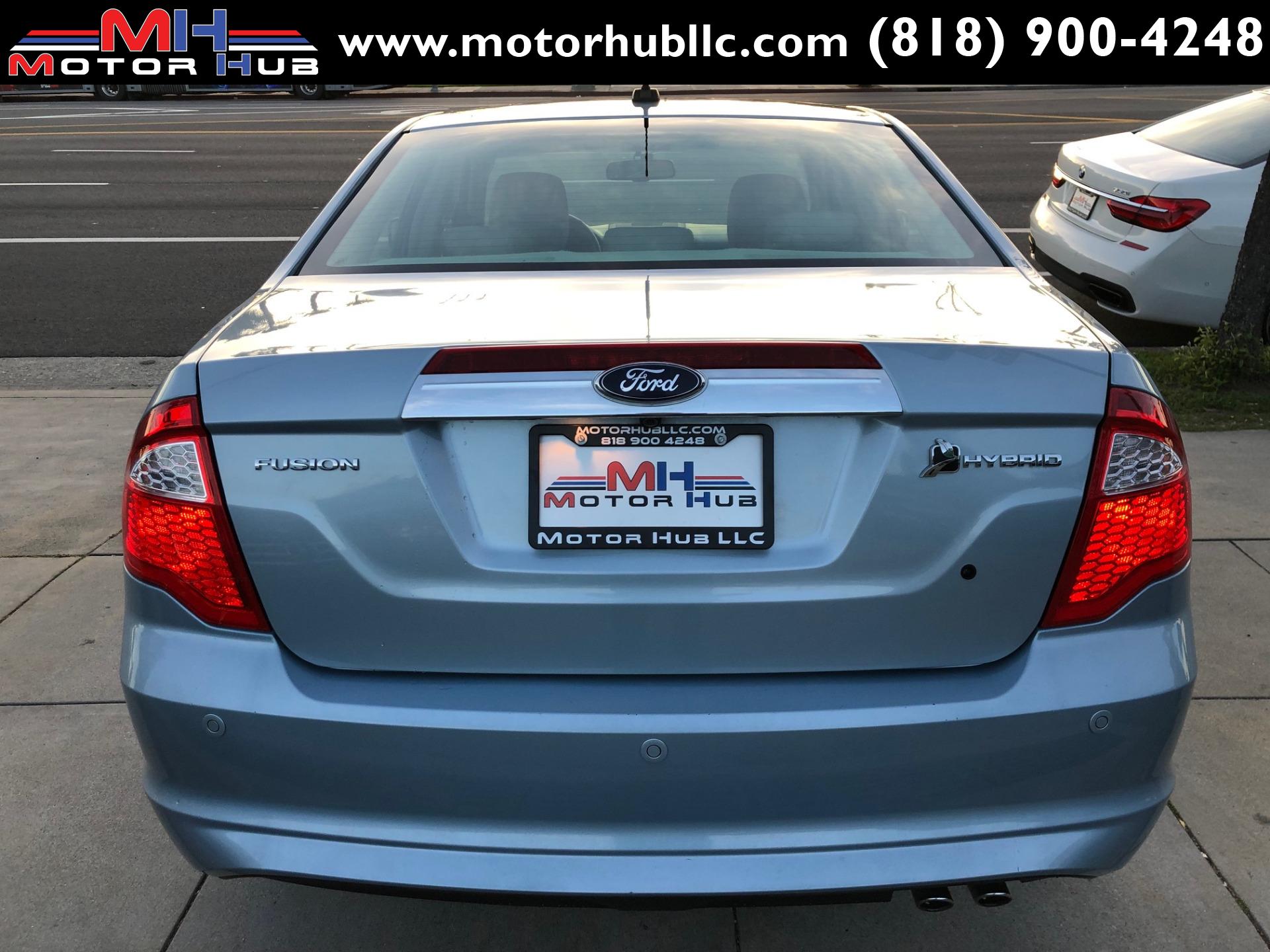
The 2010 Ford Fusion Hybrid requires SAE 5W-20 engine oil, and utilizing a full synthetic formulation provides superior thermal stability, better cold-start protection, and cleaner engine operation compared to conventional oils. Sticking to this specific viscosity grade and oil type is essential for maintaining the longevity, fuel efficiency, and complex mechanical integrity of your vehicle's 2.5-liter Atkinson-cycle four-cylinder engine.
Understanding the 2010 Ford Fusion Hybrid Engine Dynamics
When maintaining a first-generation Ford Fusion Hybrid, recognizing the unique operating environment of its powertrain is critical. Released for the 2010 model year, this hybrid combines a 2.5-liter I4 Atkinson-cycle engine with an electric motor and an electronically controlled Continuously Variable Transmission (eCVT). Unlike traditional internal combustion engines that run continuously while the vehicle is active, a hybrid engine starts and stops frequently under varying loads, temperature ranges, and driving conditions.
These frequent ignition cycles place distinct demands on the lubrication system. During stop-and-go city driving, the gasoline engine may shut down entirely at idle and instantly restart when acceleration is required. This means the engine oil must provide immediate protection upon startup, minimizing metal-on-metal friction before oil pressure fully stabilizes. Selecting the correct oil type ensures that critical components—such as the camshafts, pistons, bearings, and timing chain—receive a continuous, protective film of lubrication regardless of how often the engine cycles on and off.
Furthermore, because hybrids often operate at lower average coolant temperatures during short trips or heavy electric-only driving, moisture and unburned fuel can occasionally accumulate in the crankcase. High-quality synthetic oils manage these contaminants more effectively than conventional mineral oils, resisting thermal breakdown and maintaining their viscosity characteristics over longer oil change intervals.
Why Choose 5W-20 Full Synthetic Oil?
Ford explicitly specifies SAE 5W-20 viscosity oil for the 2010 Ford Fusion Hybrid. Understanding what these numbers mean helps clarify why this choice is non-negotiable for engine health:
- The "5W" Rating: The number before the "W" (Winter) indicates the oil's flow capability or viscosity at low temperatures. A 5W rating ensures that the oil remains fluid enough during cold winter mornings to pump rapidly through narrow oil galleries, protecting internal components the moment the ignition engages.
- The "20" Rating: The second number represents the oil's viscosity at normal operating temperatures (typically 100°C or 212°F). A 20-weight oil provides a balanced film thickness that reduces hydrodynamic friction, allowing internal moving parts to glide with minimal resistance. This reduction in parasitic drag directly supports the vehicle's EPA fuel economy ratings.
Conventional versus Full Synthetic
While conventional oils are refined directly from crude oil, full synthetic oils are chemically engineered in a laboratory. Synthetic base stocks feature uniform molecular structures and are virtually free of the impurities found in conventional petroleum. This engineering difference yields several distinct operational advantages:
- Superior Thermal Stability: Synthetic oils resist high-temperature oxidation far better than conventional oils, preventing the formation of sludge and varnish deposits inside narrow oil passages and around piston rings.
- Consistent Viscosity: Synthetics maintain their protective thickness across a much wider temperature spectrum, flowing easily in sub-zero weather while retaining high film strength during prolonged highway driving in summer heat.
- Reduced Volatility: Because fewer lightweight molecules evaporate at high operating temperatures, synthetic oils experience less oil consumption between routine service intervals.
Ford Specifications and Industry Standards
When purchasing engine oil for a 2010 Ford Fusion Hybrid, checking the product label for specific manufacturer certifications ensures you are buying a product that meets original equipment manufacturer (OEM) standards.
Ford outlines its lubrication requirements using specific material standards. For the 2010 Fusion Hybrid 2.5L engine, the recommended oil should meet Ford specification WSS-M2C930-A (or the updated backward-compatible standard WSS-M2C945-A). In addition to manufacturer approvals, look for certifications from the American Petroleum Institute (API) and the International Lubricant Standardization and Approval Committee (ILSAC).
| Certification Standard | Designation | Purpose / Relevance |
|---|---|---|
| Viscosity Grade | SAE 5W-20 | Ensures proper flow at startup and optimal film thickness at operating temperature. |
| Ford Specification | WSS-M2C930-A / WSS-M2C945-A | Guarantees the oil meets Ford’s specific bench-test requirements for wear, deposit control, and fuel economy. |
| API Certification | API Certified (Starburst) | Confirms the oil has passed standard industry tests for emission system compatibility and wear protection. |
| ILSAC Standard | GF-4 or GF-5 (or newer) | Validates enhanced fuel economy performance and high-temperature deposit protection. |
Oil Capacity and Filter Requirements
Performing an accurate oil change on a 2010 Ford Fusion Hybrid requires knowing the exact fluid capacity and selecting the correct filtration hardware. Putting in too much or too little oil can lead to poor performance, engine damage, or dashboard warning lights.
Engine Oil Capacity
- With Filter Change: The 2.5L engine in the 2010 Fusion Hybrid typically holds 4.5 quarts (4.3 liters) of oil when replacing the oil filter simultaneously.
- Filling Practice: Always start by adding approximately 4.0 quarts, run the engine briefly to fill the new filter, shut it down, allow the oil to settle for a few minutes, and then check the dipstick. Top off gradually until the fluid level reaches the upper limit of the crosshatched "Full" zone. Never overfill beyond the maximum indicator mark, as excess oil can cause aeration, pressure spikes, and seal leaks.
Oil Filter Selection
Using a high-quality oil filter is just as important as selecting premium synthetic oil. For the 2010 Ford Fusion Hybrid 2.5L engine, the standard OEM replacement filter is the Motorcraft FL-910S.
- Anti-Drainback Valve: The FL-910S features an internal silicone anti-drainback valve that prevents oil from draining out of the filter back into the pan when the engine is turned off. This is particularly vital for hybrid vehicles, as the engine shuts down frequently during operation. A proper anti-drainback valve ensures that oil is instantly available upon the next engine restart.
Step-by-Step Oil Change Procedure for the 2010 Fusion Hybrid
Performing a routine oil change on this vehicle is straightforward for DIY mechanics with basic tools. Safety and preparation ensure a clean and successful service.
Tools and Supplies Needed
- 4.5 quarts of 5W-20 full synthetic motor oil meeting Ford specifications
- Motorcraft FL-910S oil filter (or equivalent premium filter)
- 13mm socket and ratchet (for the oil pan drain plug)
- Oil filter wrench (if the old filter is tightly secured)
- Drain pan and funnel
- Clean shop rags or paper towels
- Floor jack and sturdy jack stands (or automotive ramps)
- Safety glasses and gloves
Procedure Steps
- Prepare the Vehicle: Park on a level surface, engage the parking brake, and run the engine for 3 to 5 minutes to warm the oil, which helps contaminants suspend in the fluid for better drainage. Turn off the vehicle completely.
- Elevate the Front End: Safely raise the front of the vehicle using a hydraulic floor jack and secure it with rated jack stands. Never work beneath a vehicle supported solely by a hydraulic jack.
- Drain the Old Oil: Locate the oil drain pan underneath the engine. Place your drain pan beneath the drain plug, loosen the 13mm plug with your socket wrench, and carefully remove it by hand, keeping your fingers clear of the warm stream. Allow the oil to drain completely.
- Inspect and Replace the Drain Plug: Wipe the drain plug clean, inspect its rubber O-ring or gasket for cracking or flattening, and thread it back into the oil pan by hand to avoid cross-threading. Tighten it securely to manufacturer torque specifications (do not overtighten).
- Remove the Old Filter: Position your drain pan under the oil filter location. Use an oil filter wrench to loosen it counter-clockwise if necessary, then spin it off by hand. Ensure the old rubber gasket comes off with the filter and does not stick to the engine mounting surface.
- Install the New Filter: Dip a clean finger in fresh synthetic oil and smear a thin film across the rubber gasket of the new Motorcraft FL-910S filter. Screw the filter onto the mounting stud until the gasket contacts the seating surface, then turn it an additional three-quarters to one full turn by hand. Do not use tools to tighten the filter.
- Add Fresh Oil: Remove the engine oil filler cap located on the valve cover. Insert a clean funnel and pour in 4.0 quarts of 5W-20 full synthetic oil. Replace the oil filler cap securely.
- Verify Level and Check for Leaks: Lower the vehicle back to the ground. Start the engine and let it idle for 30 seconds while checking underneath for any leaks around the drain plug and filter. Turn off the engine, wait five minutes for oil to drain back into the pan, pull the dipstick, and top off to the full mark using the remaining 0.5 quarts.
- Reset the Oil Life Monitor: Turn the ignition key to the ON position (without starting the engine), and simultaneously press and hold the accelerator and brake pedals down firmly for about 15 to 30 seconds until the message center confirms the oil life has been reset.
Maintenance Intervals and Best Practices
Determining how often to change your full synthetic oil depends on driving habits, environmental conditions, and maintenance guidelines.
While full synthetic oils possess exceptional longevity—often rated for 7,500 to 10,000 miles in modern vehicles—hybrid owners should evaluate their specific driving cycle:
- Normal Service Interval: Every 7,500 miles or 6 months, whichever comes first, for standard commuting and highway driving.
- Severe Service Interval: Every 3,000 to 5,000 miles if the vehicle frequently operates under severe conditions, such as continuous short trips where the engine never reaches full operating temperature, extreme ambient temperatures, dusty environments, or heavy idling (common in fleet or rideshare use).
Frequent short trips prevent the engine oil from reaching temperatures high enough to boil off accumulated moisture and fuel dilution. Under these conditions, shortening the oil change interval protects internal components from premature wear and acidic corrosion.
Frequently Asked Questions
Can I use conventional 5W-20 oil in my 2010 Ford Fusion Hybrid?
Yes, conventional 5W-20 oil that meets Ford specifications will technically lubricate the engine, but it is not recommended for optimal performance and longevity. Full synthetic oil resists thermal breakdown, handles frequent engine stop-start cycles much better, and keeps internal components cleaner over extended mileage intervals.
What happens if I use 5W-30 instead of 5W-20?
Using a slightly heavier oil like 5W-30 will not instantly ruin your engine, but it is discouraged. The thicker oil creates more internal fluid resistance, which can marginally decrease fuel economy and alter oil flow dynamics through the precise tolerances of modern hybrid valve trains. Always stick to the manufacturer-specified 5W-20.
How do I reset the oil change indicator on a 2010 Ford Fusion Hybrid?
Turn the ignition key to the ON position without starting the engine. Press and hold both the accelerator and brake pedals all the way to the floor simultaneously. Hold them down for approximately 30 seconds until the dashboard message center displays a confirmation message indicating that the oil life monitor has been successfully reset.
Does a hybrid engine consume more oil than a standard gas engine?
Not necessarily, but because the gasoline engine in a hybrid cycles on and off rapidly under varying thermal loads, monitoring your oil level via the dipstick monthly is good practice. Catching minor consumption early prevents running low on oil between scheduled maintenance intervals.
Is synthetic oil worth the higher initial cost?
Yes. Although full synthetic oil carries a higher upfront price tag per quart, its extended change intervals, superior resistance to sludge formation, and enhanced protection during frequent hybrid startup sequences easily offset the price difference by extending engine lifespan.
Final Recommendations
Maintaining your 2010 Ford Fusion Hybrid with the correct 5W-20 full synthetic oil and a quality Motorcraft filter ensures your powertrain operates efficiently for hundreds of thousands of miles. Check your oil level monthly, adhere to sensible change intervals based on your driving habits, and always verify that your replacement fluids meet Ford engineering specifications.