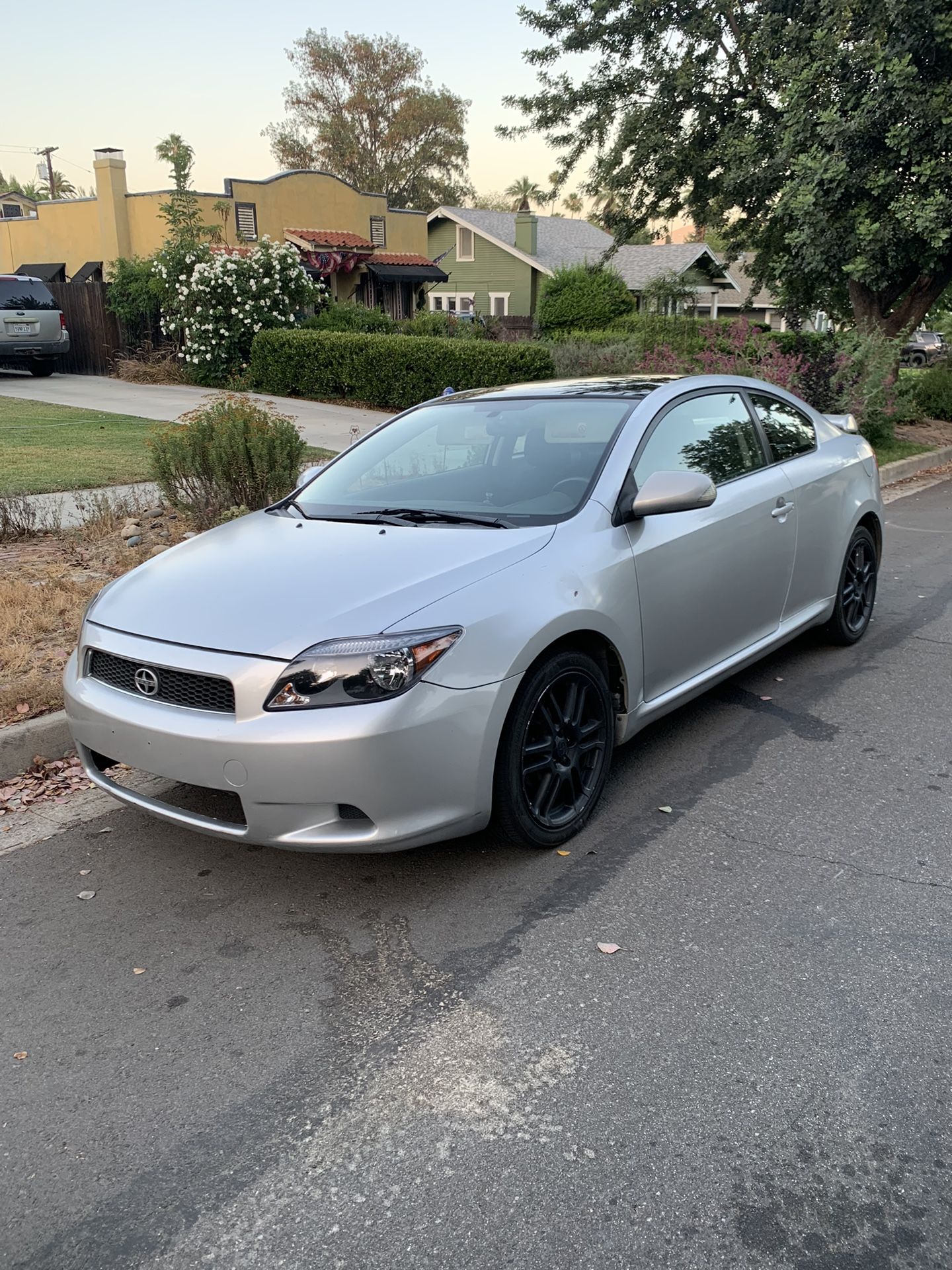
The 2006 Scion tC features a 2.4-liter inline-four engine, designated as the 2AZ-FE, which produces a factory-rated 161 horsepower at 6,000 RPM and 162 lb-ft of torque at 4,000 RPM. This naturally aspirated engine was designed to provide a balance of daily drivability, fuel efficiency, and moderate sportiness for the compact coupe market segment during the mid-2000s.
Engineering Foundation: The 2AZ-FE Engine
The core of the 2006 Scion tC’s performance identity is the 2AZ-FE engine. Developed by Toyota, this powerplant was a staple in the manufacturer’s lineup, appearing in various models including the Camry and the RAV4. In the tC, the engine serves as a transverse-mounted, front-wheel-drive configuration.
The 2AZ-FE utilizes an aluminum cylinder block and cylinder head, which helps reduce overall vehicle weight compared to iron-block designs of the era. It features a dual overhead camshaft (DOHC) layout with four valves per cylinder. A critical component for the engine’s delivery of its 161 horsepower is the Variable Valve Timing with intelligence (VVT-i) system. By continuously adjusting the intake camshaft timing, VVT-i allows the engine to optimize torque delivery at low RPMs while maintaining peak horsepower output at the top of the rev range. This technical implementation ensures that the car remains responsive during city driving while providing adequate passing power on the highway.
Transmission Impacts on Power Delivery
The feeling of horsepower is often dictated by the transmission paired with the engine. For the 2006 model year, Scion offered two distinct transmission choices: a five-speed manual and a four-speed electronically controlled automatic (ECT).
Drivers choosing the five-speed manual transmission typically experience a more direct transfer of the 161 horsepower to the pavement. The manual allows the operator to hold gears longer, keeping the engine in its "power band"—the range of RPMs where the engine produces the most usable force—for optimal acceleration. Conversely, the four-speed automatic transmission is geared toward comfort and smooth gear changes. While the peak power rating remains identical regardless of the transmission chosen, the automatic transmission’s shift logic may prioritize fuel economy and seamless transitions over the rapid, sustained acceleration favored by enthusiasts.
Performance Context and Real-World Usage
While 161 horsepower may appear modest by the standards of 2026, it was highly competitive within the sport-compact segment during the 2006 model year. The Scion tC was designed as a "youth-oriented" vehicle, balancing the requirements of an entry-level price point with the expectation of a more engaging driving experience than a standard economy sedan.
The power-to-weight ratio is the true metric of the tC’s performance. Weighing in at approximately 2,900 to 3,000 pounds, the vehicle achieves a respectable agility. The engine is tuned for a "mid-range punch," meaning that much of the available 162 lb-ft of torque is accessible at lower engine speeds. This is intentional; it makes the car feel quicker in stop-and-go traffic than a pure "peak horsepower" engine would, which would require the driver to rev the engine to redline just to merge safely into traffic.
Comparison Table: 2006 Scion tC Specifications
| Specification | Details |
|---|---|
| Engine Model | 2AZ-FE (2.4L I4) |
| Horsepower | 161 hp @ 6,000 RPM |
| Peak Torque | 162 lb-ft @ 4,000 RPM |
| Valvetrain | DOHC 16-valve with VVT-i |
| Compression Ratio | 9.8:1 |
| Redline | 6,200 RPM |
Factors Affecting Current Horsepower Output
As of 2026, many 2006 Scion tC vehicles have surpassed high mileage milestones. It is a common misconception that an engine will maintain its factory-rated horsepower indefinitely. Several variables can lead to "horsepower degradation," where an engine produces less power than it did when it left the factory assembly line:
- Carbon Buildup: Over two decades of operation, carbon deposits can accumulate on the intake valves and inside the combustion chamber. This can disrupt airflow and alter the compression ratio, leading to a loss in volumetric efficiency.
- Ignition and Fuel System Health: The 2AZ-FE relies on precise spark timing and fuel injection patterns. Worn spark plugs, failing ignition coils, or a clogged fuel filter can lead to incomplete combustion, directly reducing the power output.
- Sensor Aging: The Mass Airflow (MAF) sensor and the Oxygen (O2) sensors are responsible for the engine's air-fuel mixture calculations. As these sensors degrade over time, the Engine Control Unit (ECU) may default to a "safe" or "rich" running mode, which is designed to protect the engine but often sacrifices peak power.
- Exhaust Restriction: The catalytic converter can become restricted or clogged after many years of service. A restricted exhaust path increases backpressure, preventing the engine from "breathing" effectively at high RPMs, which is exactly when the peak 161 horsepower is meant to be achieved.
Maintaining Performance
To retain as much of the original performance as possible, owners of the 2006 Scion tC must adhere to a strict maintenance regimen. Regular oil changes are paramount, as the VVT-i system is oil-pressure-operated; using the manufacturer-specified viscosity ensures that the valve timing mechanism operates within its design parameters.
Additionally, keeping the intake system clean is vital. Periodic cleaning of the throttle body and the use of high-quality fuel can help prevent the accumulation of deposits that hinder power. If an owner suspects a significant drop in power, the first step is often to check for "check engine" codes, as even an engine that seems to run smoothly may be operating under a "limp mode" due to a minor sensor fault.
Potential for Performance Modification
Many owners of the 2006 Scion tC look toward the aftermarket to increase horsepower beyond the 161 factory rating. The 2AZ-FE engine platform has historically been popular in the tuning community. Common modifications include cold air intakes, cat-back exhaust systems, and ECU re-flashes.
However, it is important to note the limitations. Without internal engine modifications, such as high-compression pistons or forced induction (turbocharging or supercharging), the gains from basic "bolt-on" modifications are often modest. Forced induction is the only reliable way to achieve significant, track-noticeable increases in horsepower for this chassis. Should an owner consider these modifications, they must be aware that increasing output beyond the factory limits can increase stress on the transmission and clutch, potentially leading to premature mechanical failure.
Frequently Asked Questions
Does the 2006 Scion tC use a timing belt or a timing chain? The 2006 Scion tC’s 2AZ-FE engine uses a timing chain. Unlike a belt, which requires periodic replacement, a timing chain is designed to last the life of the engine, provided the oil is changed at regular intervals to maintain proper lubrication and tensioner health.
Is premium fuel required to achieve the 161 horsepower rating? No, the 2006 Scion tC is designed to run on 87-octane (regular) gasoline. The compression ratio of 9.8:1 is low enough that the engine does not require high-octane fuel to prevent knocking. Using premium fuel will not result in a measurable increase in horsepower unless the vehicle has been specifically tuned or modified to take advantage of higher-octane fuel.
Why does the car feel slower than its 161 horsepower rating suggests? Perception of speed is influenced by torque delivery and gearing. If the vehicle feels sluggish, it may be due to "heat soak" (where the engine compartment becomes too hot, causing the ECU to pull timing), an aging transmission fluid that causes power loss through torque converter slippage, or simply the weight of the vehicle being distributed in a way that emphasizes comfort over acceleration.
Can I swap the engine for more power? While engine swaps are technically possible, the 2AZ-FE is well-integrated with the chassis's electronics. Most swaps are complex and costly, requiring custom wiring harnesses and ECU programming. For most owners, maintaining the stock engine is more cost-effective than attempting a swap to gain marginal horsepower.
What is the most effective way to restore lost horsepower in a 2006 tC? The most effective approach is a comprehensive tune-up: replace the spark plugs with OEM-spec units, clean the MAF sensor, replace the engine air filter, and ensure there are no vacuum leaks. These steps return the engine to its baseline operating efficiency.
Final Recommendation
The 2006 Scion tC offers a robust and reliable engine platform that delivers a solid 161 horsepower. Rather than seeking ways to artificially boost output through modifications, owners are best served by performing diligent preventative maintenance. Focus on the ignition, intake, and exhaust systems to ensure that the engine is breathing and firing exactly as it was engineered to do. If the vehicle is suffering from a noticeable lack of power, a diagnostic scan of the ECU is the recommended next action to identify any underlying mechanical or sensor-related issues.