Consuming 20 shots of alcohol is a life-threatening event that typically results in a Blood Alcohol Concentration (BAC) exceeding 0.40% for most individuals. This level of intoxication causes severe central nervous system depression, potentially leading to respiratory failure, coma, or death. It constitutes extreme binge drinking and requires immediate emergency medical intervention to prevent fatal outcomes.
The consumption of 20 shots of distilled spirits—equivalent to roughly 30 ounces of 80-proof liquor—represents a massive physiological assault on the human body. Whether consumed over a few hours or an entire day, this volume of ethanol overwhelms the liver's metabolic capacity and poses immediate risks to every major organ system. Understanding the scale of this intake requires a look at standard measurements, metabolic rates, and the cascade of biological failures that occur when the body is flooded with ethanol.
Defining the Measurement: The Math of 20 Shots
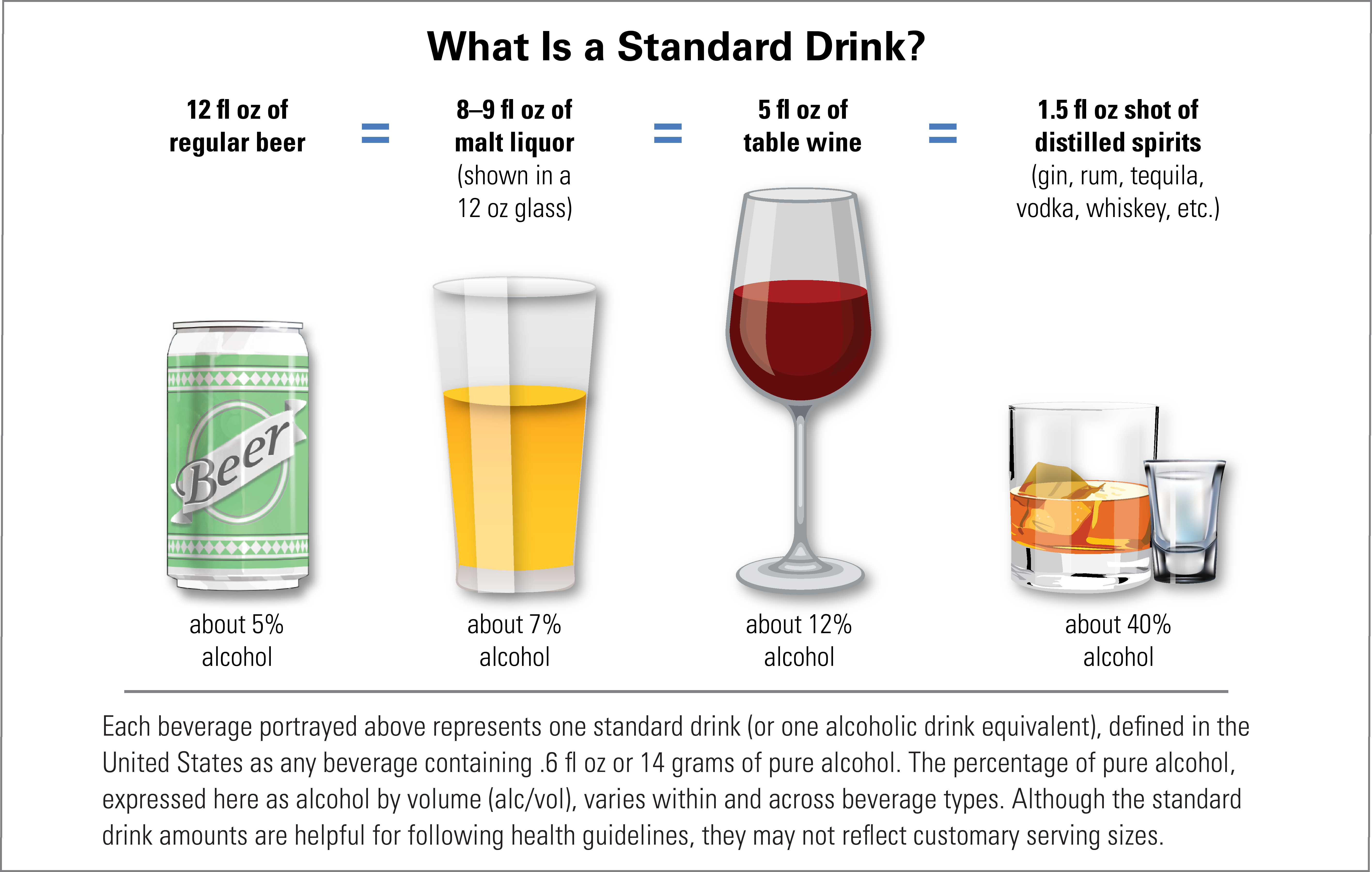
To understand the health implications, we must first define what "20 shots" means in terms of pure ethanol. In the United States, a standard "shot" is typically 1.5 fluid ounces of distilled spirits, which generally contain about 40% alcohol by volume (ABV).
- Total Volume: 20 shots x 1.5 ounces = 30 ounces (approx. 887 milliliters).
- Pure Ethanol: 30 ounces x 0.40 = 12 ounces of pure alcohol.
- Standard Drink Comparison: According to the National Institute on Alcohol Abuse and Alcoholism (NIAAA), a standard drink contains 0.6 ounces of pure ethanol. Therefore, 20 shots are equivalent to 20 standard drinks.
For context, a standard 750ml bottle of liquor (a "fifth") contains approximately 17 shots. Consuming 20 shots means finishing more than an entire bottle of hard liquor in a single session. This far exceeds the definition of binge drinking, which the Centers for Disease Control and Prevention (CDC) defines as five or more drinks for men or four or more for women within a two-hour period.
Acute Physiological Effects and the Danger of Alcohol Poisoning
When an individual consumes 20 shots, the primary concern is acute alcohol poisoning, also known as ethanol toxicity. The human liver can only metabolize approximately one standard drink per hour. When consumption far outpaces metabolism, BAC levels skyrocket.
Central Nervous System Depression
Alcohol is a central nervous system (CNS) depressant. It enhances the effects of the neurotransmitter GABA (gamma-aminobutyric acid) and inhibits glutamate. At the levels produced by 20 shots, the brain begins to shut down involuntary functions. The medulla oblongata, which controls breathing and heart rate, becomes severely suppressed. This can lead to:
- Respiratory Depression: Breathing becomes shallow, irregular, or stops entirely.
- Hypothermia: Alcohol dilates blood vessels, causing rapid heat loss. Combined with a suppressed shivering response, this can lead to dangerous drops in core body temperature.
- Loss of Gag Reflex: This is one of the most common causes of death in extreme intoxication. If a person vomits while their gag reflex is suppressed, they may aspirate the vomit into their lungs, leading to asphyxiation or fatal aspiration pneumonia.
Blood Alcohol Concentration (BAC) Thresholds
While individual tolerance, weight, and metabolism vary, the following table illustrates the general progression of impairment as BAC rises toward the levels expected from 20 shots.
| BAC Level (%) | Physical and Mental Effects | Clinical Classification |
|---|---|---|
| 0.01 – 0.05 | Relaxation, slight euphoria, minor impairment of judgment. | Sobriety to Mild Impairment |
| 0.06 – 0.15 | Significant impairment of motor skills, slurred speech, blurred vision. | Increased Impairment |
| 0.16 – 0.29 | Severe motor impairment, loss of consciousness (blackout), nausea. | Severe Impairment |
| 0.30 – 0.39 | Severe CNS depression, unconsciousness, possible bladder failure. | Stupor / Life-Threatening |
| 0.40 + | High risk of coma, respiratory failure, and sudden death. | Fatal Risk Zone |
For a 180-pound man, consuming 20 shots over four hours would likely result in a BAC between 0.40% and 0.50%, placing them firmly in the "Fatal Risk Zone."
Metabolic Overload and the Role of the Liver
The liver is the primary site of alcohol metabolism, utilizing two main enzymes: alcohol dehydrogenase (ADH) and acetaldehyde dehydrogenase (ALDH).
When you drink 20 shots, the ADH enzyme works at maximum capacity to convert ethanol into acetaldehyde. Acetaldehyde is a highly toxic substance and a known carcinogen. Usually, ALDH quickly converts acetaldehyde into acetate, which is then broken down into water and carbon dioxide. However, with 20 shots, the ALDH enzyme becomes saturated.
This results in a "bottleneck" where toxic acetaldehyde lingers in the bloodstream and tissues, causing widespread cellular damage. This metabolic backup contributes to the extreme "hangover" symptoms but also causes acute inflammation of the liver (alcoholic hepatitis) even after a single episode of such extreme drinking.
Long-Term Health Consequences of Repeated High-Volume Intake
If the consumption of 20 shots is not a one-time accident but a recurring behavior, the health consequences shift from acute crisis to chronic systemic failure.
Liver Cirrhosis and Failure
Repeated exposure to high doses of ethanol leads to three stages of liver disease:
- Steatosis (Fatty Liver): The earliest stage where fat builds up in liver cells. This is often reversible with abstinence.
- Alcoholic Hepatitis: Acute inflammation that can cause liver cell death and scarring.
- Cirrhosis: The replacement of healthy liver tissue with scar tissue. Cirrhosis is generally irreversible and leads to liver failure, portal hypertension, and an increased risk of liver cancer.
Cardiovascular Impact
Extreme alcohol consumption is cardiotoxic. It can lead to alcoholic cardiomyopathy, where the heart muscle weakens and thins, making it unable to pump blood effectively. Furthermore, heavy drinking sessions can trigger "Holiday Heart Syndrome," characterized by atrial fibrillation and other arrhythmias, which significantly increase the risk of stroke.
Neurological and Cognitive Decline
Chronic high-volume drinking can lead to permanent brain damage. One of the most severe conditions is Wernicke-Korsakoff Syndrome, caused by a deficiency in Vitamin B1 (thiamine) resulting from poor nutrition and alcohol's interference with vitamin absorption. Symptoms include severe memory loss, confusion, and loss of muscular coordination.
The Gastrointestinal and Nutritional Toll
Consuming 20 shots of alcohol is incredibly irritating to the lining of the stomach and esophagus.
- Gastritis: The ethanol erodes the stomach lining, leading to inflammation, pain, and potentially bleeding ulcers.
- Pancreatitis: Alcohol causes the pancreas to produce toxic substances that lead to inflammation. Chronic pancreatitis is a painful condition that impairs digestion and can lead to diabetes.
- Malabsorption: Alcohol interferes with the small intestine's ability to absorb essential nutrients, including B vitamins, zinc, and magnesium, leading to systemic malnutrition regardless of caloric intake.
Psychological and Social Implications
Beyond the physical pathology, the consumption of 20 shots is often indicative of a severe Alcohol Use Disorder (AUD). The mental health implications include increased risks of depression, anxiety, and suicidal ideation. Socially, this level of consumption is frequently associated with "blackouts"—periods of anterograde amnesia where the individual remains awake but the brain stops recording new memories. Actions taken during these blackouts can have devastating legal, professional, and personal consequences.
Emergency Response: What to Do If Someone Consumes 20 Shots
If you suspect someone has consumed this volume of alcohol, it is a medical emergency. Do not wait for them to "sleep it off."
- Call Emergency Services: Contact 911 or your local emergency number immediately.
- Monitor Breathing: Stay with the person and ensure they are breathing.
- The Recovery Position: If the person is unconscious or lying down, roll them onto their side (the Bacchus Maneuver) to prevent them from choking on vomit.
- Keep Them Awake: Try to keep the person conscious if possible.
- Provide Information: Tell emergency responders exactly how much was consumed and if any other substances (medications or drugs) were involved.
Medical Disclaimer: The information provided in this article is for educational purposes only and is not a substitute for professional medical advice, diagnosis, or treatment. Always seek the advice of a physician or other qualified health provider with any questions regarding a medical condition or alcohol consumption.
Frequently Asked Questions
Can someone build a tolerance to 20 shots?
While "functional alcoholics" may develop a high metabolic or functional tolerance—meaning they appear less impaired at high BAC levels—their internal organs do not develop immunity. The liver, heart, and brain still suffer the same toxic damage regardless of how "sober" the person feels. At 20 shots, even a high-tolerance individual is at significant risk of sudden death via respiratory failure.
Does drinking water or eating food "cancel out" 20 shots?
No. Food in the stomach can slow the rate of absorption, but it does not prevent the alcohol from eventually entering the bloodstream. Water helps with dehydration but does not speed up the liver's metabolic rate. The liver processes alcohol at a fixed speed (roughly 0.015% BAC per hour), and no amount of water, coffee, or cold showers can change that biological reality.
How long does it take for 20 shots to leave the system?
If the liver metabolizes roughly one standard drink per hour, it would take approximately 20 hours for the body to fully process 20 shots of alcohol. During much of this time, the individual will remain legally intoxicated and physically impaired.
Is it possible to survive 20 shots without medical help?
While some individuals survive extreme intoxication, it is a matter of chance and biological resilience rather than a safe outcome. Factors such as body mass, hydration levels, and genetics play a role, but the risk of aspirating vomit or suffering respiratory arrest remains extremely high without clinical monitoring.
What are the "Critical Six" symptoms of alcohol poisoning?
The "Critical Six" signs that indicate a life-threatening emergency include:
- Confusion or stupor.
- Vomiting while unconscious.
- Seizures.
- Slow breathing (fewer than eight breaths per minute).
- Irregular breathing (gaps of more than 10 seconds between breaths).
- Blue-tinged or pale skin (cyanosis) and low body temperature.
Recommended Action
If you or someone you know is consuming alcohol in quantities such as 20 shots, it is imperative to seek professional help. This level of consumption is a clear indicator of a high-risk health situation or a severe substance use disorder. Consult with a healthcare provider or a local addiction specialist to discuss detoxification and long-term recovery options. For immediate support in the United States, you can contact the SAMHSA National Helpline at 1-800-662-HELP (4357).