Exploring downtown Portland reveals a vibrant urban core defined by historic architecture, expansive green spaces, world-class culinary destinations, and a thriving arts community. Navigating this Pacific Northwest hub effectively requires understanding its unique layout, transit options, and the specific cultural landmarks that anchor its distinct neighborhoods.
Downtown Portland offers a dense concentration of cultural institutions, historic plazas, and architectural landmarks that can be easily explored on foot or via the city's extensive public transit network. From the sprawling urban forestry of Washington Park to the historic brick storefronts of the Skidmore/Old Town Historic District, the city blends outdoor accessibility with urban sophistication. Whether you are planning a weekend itinerary or looking to deepen your familiarity with the Rose City, visiting these twelve essential locations provides a comprehensive introduction to downtown Portland's distinct identity.
Navigating Downtown Portland: Practical Planning and Transit
Before diving into specific attractions, understanding the logistical framework of downtown Portland ensures a smooth journey. The city is organized into quadrants divided by the Willamette River, with downtown and the Pearl District situated primarily on the west side. The grid system is exceptionally pedestrian-friendly, numbered streets running north-south and named streets running east-west, often named after prominent historical figures.
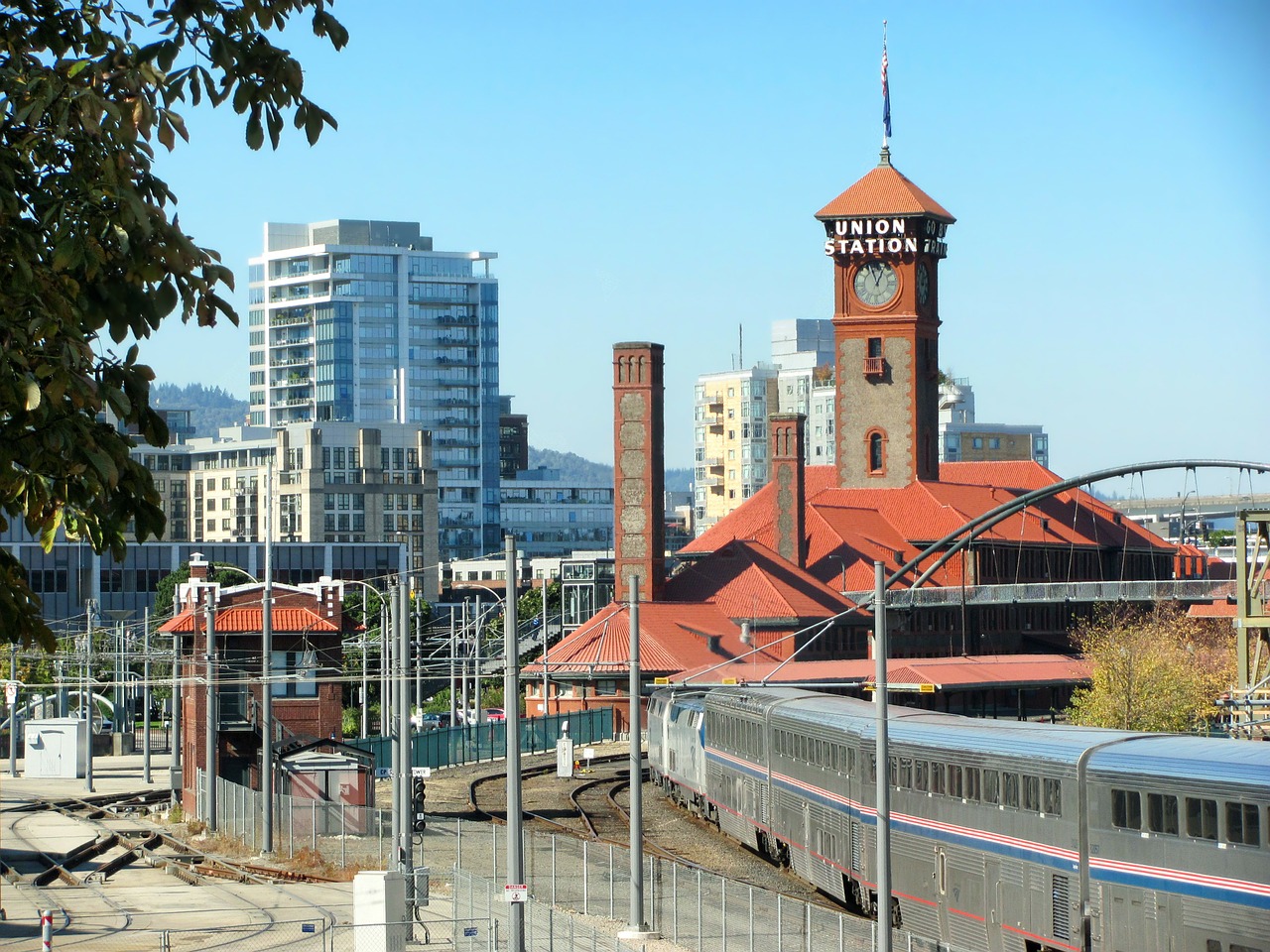
Public transit in Portland is among the most integrated and efficient in the United States, operated by TriMet. The MAX Light Rail system, Portland Streetcar, and bus lines converge throughout the downtown core. Visitors can utilize the Hop Fastpass electronic fare system or simply tap contactless credit cards and mobile devices directly at validators on trains and buses.
Essential Transit and Navigation Options
- MAX Light Rail: Connects downtown to Portland International Airport (PDX), the Oregon Zoo, and suburban communities via the Red, Blue, and Yellow lines.
- Portland Streetcar: Operates three loops (North/South, Central Loop, and Eastside) facilitating easy movement between downtown, the Pearl District, and the South Waterfront.
- Walking and Biking: Downtown features dedicated bike lanes and wide sidewalks, making it ideal for micro-mobility options like Biketown bike-share.
1. Powell’s City of Books
Occupying an entire city block in the Pearl District adjacent to downtown proper, Powell’s City of Books is the world’s largest independent new and used bookstore. Spanning over 68,000 square feet with approximately one million volumes across color-coded rooms, it stands as a literary landmark for readers and authors alike.
Navigating the store requires a map, provided at the entrance, which categorizes sections by color rooms such as the Rare Book Room, the Orange Room for travel literature, and the Green Room for science fiction. Beyond commercial retail, Powell's hosts a robust schedule of author readings, book signings, and community events, cementing its status as an intellectual anchor for the Pacific Northwest.
2. Portland Art Museum
Founded in 1892, the Portland Art Museum is the oldest art museum on the West Coast and the seventh oldest in the country. Situated in the South Park Blocks, the museum's campus spans multiple buildings, housing a permanent collection of more than 50,000 objects.
The museum is particularly renowned for its extensive holdings of Native American art, Northwest art, English silver, and a growing collection of modern and contemporary works. Recent expansions, including the forthcoming Rothko Pavilion, aim to improve accessibility and connect the museum's historic structures. Visitors should allocate at least two to three hours to thoroughly experience the permanent galleries and rotating international exhibitions.
3. Pioneer Courthouse Square
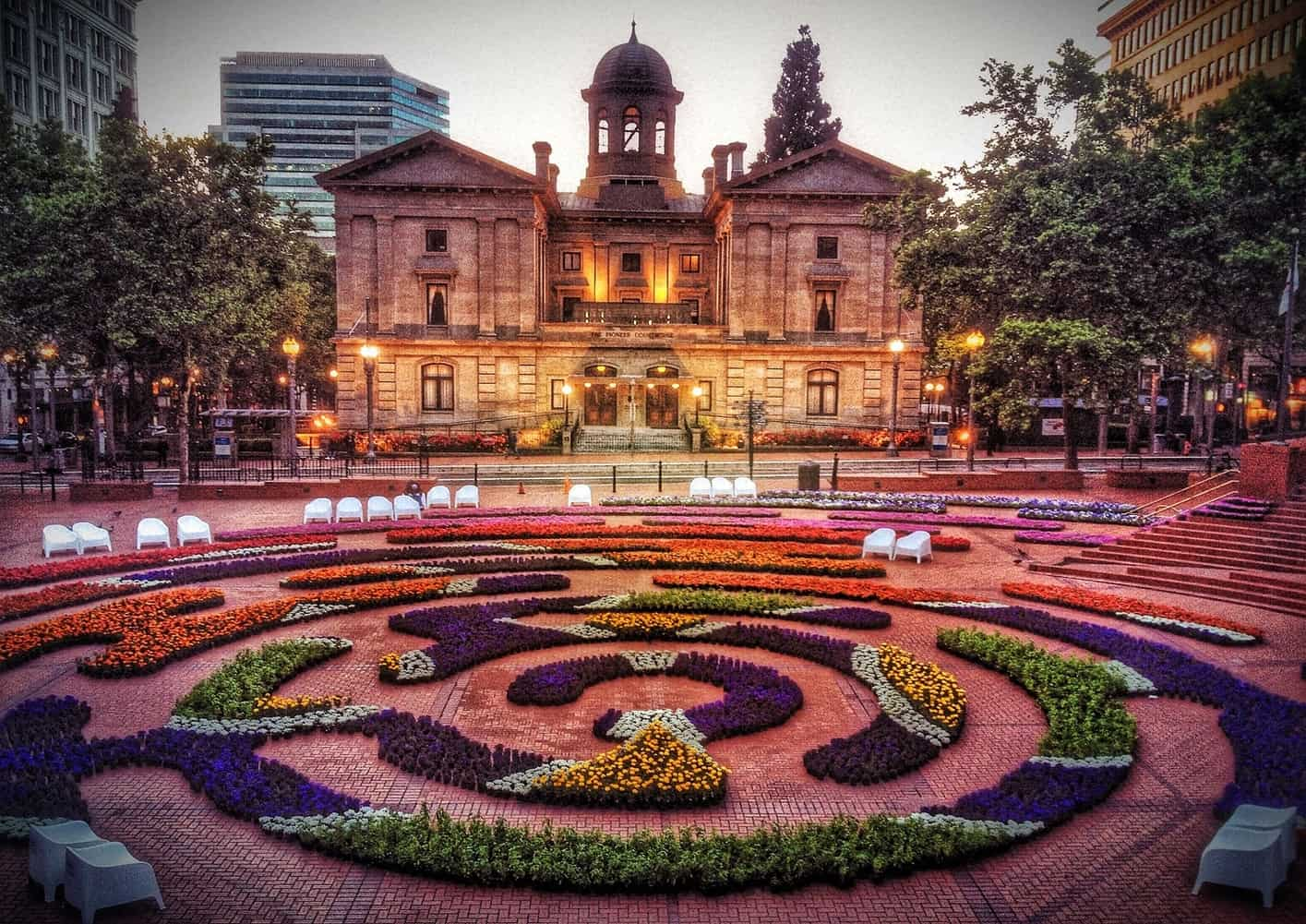
Often referred to as "Portland's living room," Pioneer Courthouse Square is a brick-paved public plaza that occupies a full city block in the heart of downtown. Named after the historic Pioneer Courthouse completed in 1875, the square hosts hundreds of public events, concerts, and farmers markets annually.
The square's design features amphitheater-style seating, a cascading water fountain known as the Weather Machine—which uses mechanical figures to predict daily weather—and personalized bricks engraved with the names of local residents. It also serves as a central hub for the TriMet MAX light rail system, making it an ideal starting point for downtown exploration.
4. Washington Park and the International Rose Test Garden
Perched in the West Hills overlooking downtown, Washington Park encompasses over 400 acres of forested parkland, cultural attractions, and miles of hiking trails. Within its boundaries sits the International Rose Test Garden, the oldest official, continuously operating public rose test garden in the United States.
Established in 1917, the garden features more than 10,000 individual rose bushes representing over 600 varieties. Peak bloom occurs from June through October, offering panoramic views of downtown Portland and Mount Hood on clear days. The park is also home to the Portland Japanese Garden, World Forestry Center, and the Oregon Zoo, though these require separate admission.
5. Tom McCall Waterfront Park
Stretching along the western bank of the Willamette River for nearly two miles, Tom McCall Waterfront Park transforms a former multi-lane expressway into an expansive linear green space. Named after the progressive former Oregon governor who championed the state's land-use planning and beach access laws, the park serves as Portland's premier outdoor event venue.
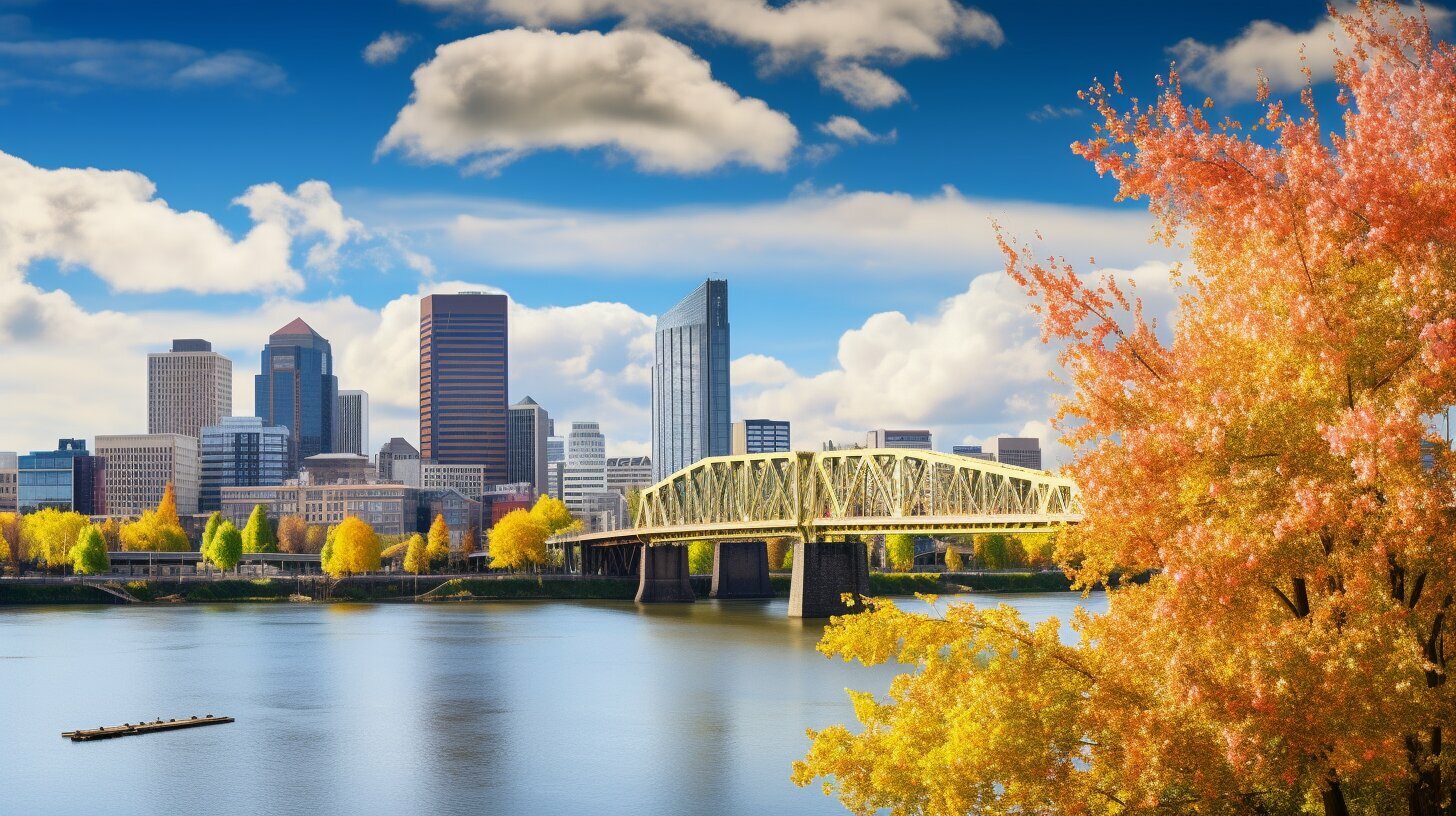
Key features include the Salmon Street Springs fountain, historic anchors from maritime history, and groves of cherry trees donated by the Japanese Association of Oregon, which bloom in vibrant pink every spring. The park provides uninterrupted paths for walking, running, and cycling while offering iconic views of the city's historic bridges, including the Steel Bridge and Hawthorne Bridge.
6. The Lan Su Chinese Garden
Located in historic Old Town Chinatown, the Lan Su Chinese Garden is one of the most authentic Chinese gardens outside of China. Built in collaboration with Portland's sister city of Suzhou, China, the walled garden is designed in the Ming Dynasty style, emphasizing natural harmony, meticulous stonework, and tranquil water features.
The garden features dozens of mature trees, thousands of perennials, traditional pavilions, covered walkways, and a central lake reflecting the surrounding urban architecture. Visitors can participate in traditional tea culture presentations at the Tower of Cosmic Reflections teahouse and view rotating cultural exhibitions throughout the year.
7. Pittock Mansion
Perched 1,000 feet above the city in the West Hills, Pittock Mansion is a French Renaissance-style chateau built in 1914 for Henry Pittock, publisher of The Oregonian, and his wife, Georgiana. The 22-room historic house museum showcases fine turn-of-the-century craftsmanship, early-20th-century technology, and period furnishings.
Beyond the historical significance of the interior exhibits, the mansion grounds offer what is widely considered the best panoramic vantage point of downtown Portland, the Willamette River valley, and the Cascade Mountain range, including Mount St. Helens and Mount Hood.
8. Saturday Market and the Skidmore/Old Town Historic District
Operating every weekend from March through December, the Portland Saturday Market is the largest continuously operating open-air arts and crafts market in the United States. Situated beneath the Burnside Bridge in the Skidmore/Old Town Historic District, the market features hundreds of local artisans selling handmade jewelry, pottery, clothing, and fine art.
The surrounding historic district is notable for being the city's densest concentration of cast-iron architecture, constructed largely after a devastating fire in 1872. Visitors can explore cobblestone streets, view the historic Skidmore Fountain cast in 1888, and sample diverse foods from regional culinary vendors.
9. The South Park Blocks
Spanning twelve blocks through downtown and the campus of Portland State University, the South Park Blocks form a linear urban park planted with elms, maples, and oaks in the late 19th century. This shaded urban corridor provides a peaceful walking path lined with public sculptures, historic churches, and cultural institutions.
Significant landmarks along the park blocks include the Oregon Historical Society, the Portland Art Museum, and the First Congregational United Church of Christ. On Saturdays, a portion of the park hosts the Portland Farmers Market, where regional agricultural producers sell fresh fruits, vegetables, baked goods, and prepared foods.
10. The Pearl District
Originally an industrial and warehouse district characterized by brick and cast-iron industrial buildings, the Pearl District underwent one of the nation's most successful urban renewal projects, transforming into a premier upscale neighborhood filled with art galleries, boutiques, loft apartments, and restaurants.
The neighborhood's industrial heritage remains visible in its cobblestone alleys and repurposed manufacturing plants. Notable stops include Tanner Springs Park—an urban wetland restoration project—and Jamison Square, featuring a wading fountain popular with families during summer months.
11. Portland’s Food Cart Pods
No exploration of downtown Portland is complete without experiencing its world-renowned food cart culture. Unlike single food trucks, Portland organizes mobile vendors into centralized "pods" that function as outdoor food courts offering global cuisines.
Prominent pods in and around downtown include Cart Blocks, located at SW Park Avenue and SW Alder Street, featuring dozens of vendors serving everything from authentic Thai curries and wood-fired pizza to Middle Eastern falafel and artisanal pastries. This culinary scene reflects the city's emphasis on independent entrepreneurship, local sourcing, and culinary innovation.
12. The Freakybuttrue Peculiarium and Museum
For visitors seeking a departure from traditional historical sites, the Freakybuttrue Peculiarium and Museum in the nearby Northwest district offers a quirky, immersive dive into pop culture, cryptozoology, and urban legends.
The interactive space features exhibits dedicated to Bigfoot, alien autopsies, and bizarre historical artifacts. It provides a lighthearted look at the eccentric subcultures that contribute to Portland's unofficial motto, "Keep Portland Weird."
| Attraction Name | Primary Focus | Best For | Typical Visit Duration |
|---|---|---|---|
| Powell’s City of Books | Literature & Retail | Book lovers, culture seekers | 1.5 – 3 hours |
| Portland Art Museum | Fine Arts & History | Art enthusiasts, history buffs | 2 – 3 hours |
| Pioneer Courthouse Square | Civic Space & Events | People-watching, transit access | 30 minutes – 1 hour |
| International Rose Test Garden | Nature & Horticulture | Photography, outdoor strolls | 1 – 2 hours |
| Tom McCall Waterfront Park | Recreation & Views | Walking, running, river views | 1 hour |
| Lan Su Chinese Garden | Architecture & Tranquility | Relaxation, cultural immersion | 1 – 1.5 hours |
Frequently Asked Questions
What is the best time of year to visit downtown Portland?
The summer months—from June through September—offer the most reliable weather, characterized by warm, dry days and abundant sunshine. This period also coincides with peak bloom at the International Rose Test Garden and numerous outdoor festivals. Spring and autumn bring vibrant foliage and fewer crowds, though rainfall is more frequent.
Is downtown Portland easily walkable?
Yes, downtown Portland is exceptionally compact and pedestrian-friendly. The blocks are unusually short—about 200 feet each—making walking distances manageable. Furthermore, the extensive TriMet public transit network provides easy connections if you prefer to ride between distant neighborhoods.
Are there free public transit options in downtown?
While Portland previously operated a "Fareless Square," that program has been replaced. Regular fares now apply across all TriMet services. However, visitors can use contactless payment methods directly on buses and trains, eliminating the need to purchase separate paper tickets in advance.
How safe is downtown Portland for visitors?
Like many major urban centers, downtown Portland experiences issues related to property crime and homelessness, particularly in certain pockets after dark. Standard urban awareness—such as keeping valuables secure, staying in well-lit areas, and remaining mindful of your surroundings—ensures a safe and enjoyable visit.
Where can I park when exploring downtown?
Downtown Portland features numerous parking garages, surface lots, and on-street metered parking spaces. Meters are typically enforced Monday through Saturday, with payment accepted via coins, credit cards, or parking apps like Parking Kitty. Using public transit or rideshare services is often recommended to avoid parking fees and navigation challenges.
Conclusion
Downtown Portland presents a dynamic mix of historical preservation, urban forestry, and culinary innovation. By exploring destinations ranging from the literary expanse of Powell’s City of Books to the botanical beauty of the International Rose Test Garden, visitors gain a comprehensive understanding of the Pacific Northwest's cultural capital. Plan your transit routes in advance, allocate adequate time for major cultural institutions, and embrace the city's distinct neighborhood character to maximize your downtown experience.