A standard 10x8 storage unit typically costs between $75 and $140 per month, depending on location, climate control, and facility amenities. This compact yet surprisingly spacious footprint—providing 80 square feet and roughly 640 to 800 cubic feet of volume—is ideal for storing the contents of a studio apartment, a small one-bedroom home, or bulky seasonal gear while offering an accessible intermediate step between smaller locker sizes and large vehicle-capable bays.
Navigating the self-storage market requires understanding more than just the monthly sticker price. Renters must weigh regional cost variations, the necessity of climate control, security infrastructure, accessibility constraints, and administrative fees. Analyzing these factors ensures that you select a unit that accommodates your inventory safely without overspending on unused space or unneeded amenities.
Understanding the 10x8 Storage Unit Footprint
The 10x8 storage unit occupies an interesting middle ground in the self-storage industry. While the 10x10 unit is far more common, many modern facilities utilize 10x8 layouts to maximize architectural floor plans, fit odd-sized building wings, or provide a cost-conscious alternative for customers who need slightly less room than a standard square 100-square-foot space offers.
With 80 square feet of floor space, a 10x8 unit comfortably accommodates furnishings and boxes equivalent to a one-bedroom apartment or a large studio. Assuming a standard ceiling height of 8 to 10 feet, the total volume ranges from 640 to 800 cubic feet. This volume is sufficient for standard items such as:
- A queen-sized mattress set, bed frame, and dressers
- A small living room sofa, armchair, and coffee table
- Entertainment centers, televisions, and electronic boxes
- Dining tables with four chairs
- Up to 30 to 40 medium-to-large moving boxes
- Bicycles, golf clubs, and seasonal sports equipment
Despite its utility, spatial efficiency depends heavily on vertical packing. Failing to stack boxes securely or leaving bulky items unmanaged can quickly reduce the usable capacity of an 80-square-foot room.
Breakdown of 10x8 Storage Unit Costs
Monthly rental rates for a 10x8 storage unit fluctuate based on a variety of market pressures, geographic locations, and facility types. Gaining a clear picture of these expenses involves examining both baseline rental fees and hidden administrative costs.
Average Monthly Pricing by Market Type
Geographic location remains the single most significant driver of self-storage pricing. Real estate values, local demand, and municipal taxes dictate what operators charge.
| Market Type | Typical Monthly Cost Range | Key Pricing Drivers |
|---|---|---|
| Rural / Small Town | $60 – $90 | Lower land costs, lower regional demand, limited climate-controlled options |
| Suburban | $85 – $130 | Moderate competition, high demand from residential movers, easy highway access |
| Urban / Metro Core | $140 – $225+ | High population density, premium land values, multi-level indoor facilities |
Additional Fees and Financial Considerations
Beyond the monthly rental rate, first-time self-storage renters frequently encounter startup costs that can alter the initial budget. Being aware of these charges prevents unexpected surprises at the rental counter:
- Administrative Setup Fees: Most facilities charge a one-time setup fee ranging from $15 to $30 to establish the tenant account and process digital or physical paperwork.
- Insurance Requirements: Facilities generally require tenants to maintain insurance coverage for stored property. If your renter's or homeowner's insurance policy does not cover off-site storage, facility protection plans typically cost $10 to $25 per month.
- Lock Purchases: Tenants are almost universally required to provide their own padlocks. Heavy-duty disc locks, which offer superior resistance to bolt cutters, generally cost $15 to $25 if purchased directly from the facility.
- Security Deposits: While less common today due to automated billing, some operators still require a refundable security deposit equal to one month's rent.
Key Features to Evaluate
When shopping for an 80-square-foot storage unit, examining the structural and operational features of the facility is just as important as analyzing the price.
Climate Control vs. Standard Drive-Up Access
The choice between a climate-controlled indoor unit and a standard drive-up outdoor unit depends entirely on the sensitivity of the items being stored.
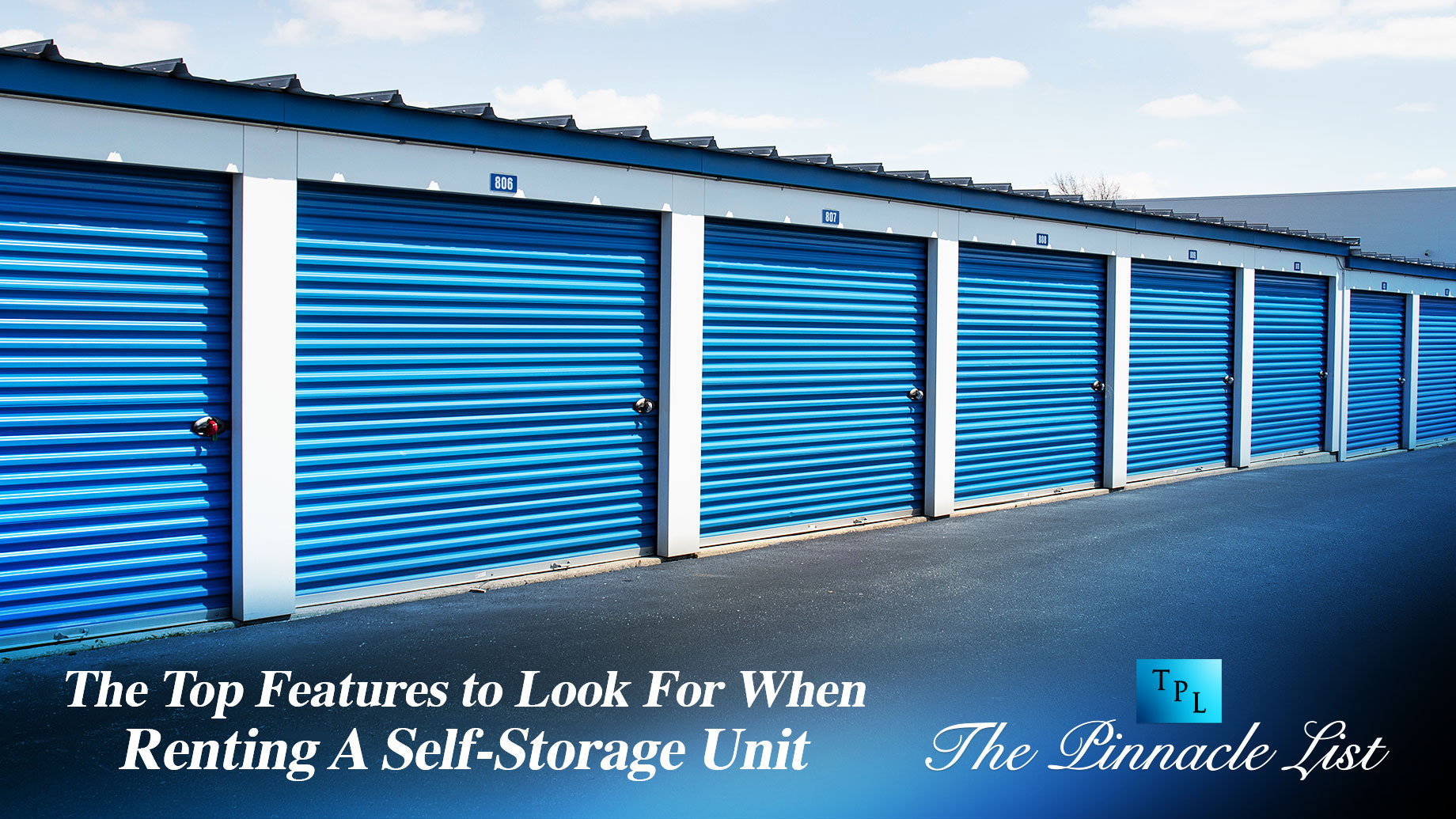
Standard drive-up units feature roll-up doors facing the outdoor parking lot or loading lane. They provide maximum convenience for loading and unloading heavy items directly from a vehicle or truck. However, they are subject to extreme outdoor temperature swings and humidity fluctuations.
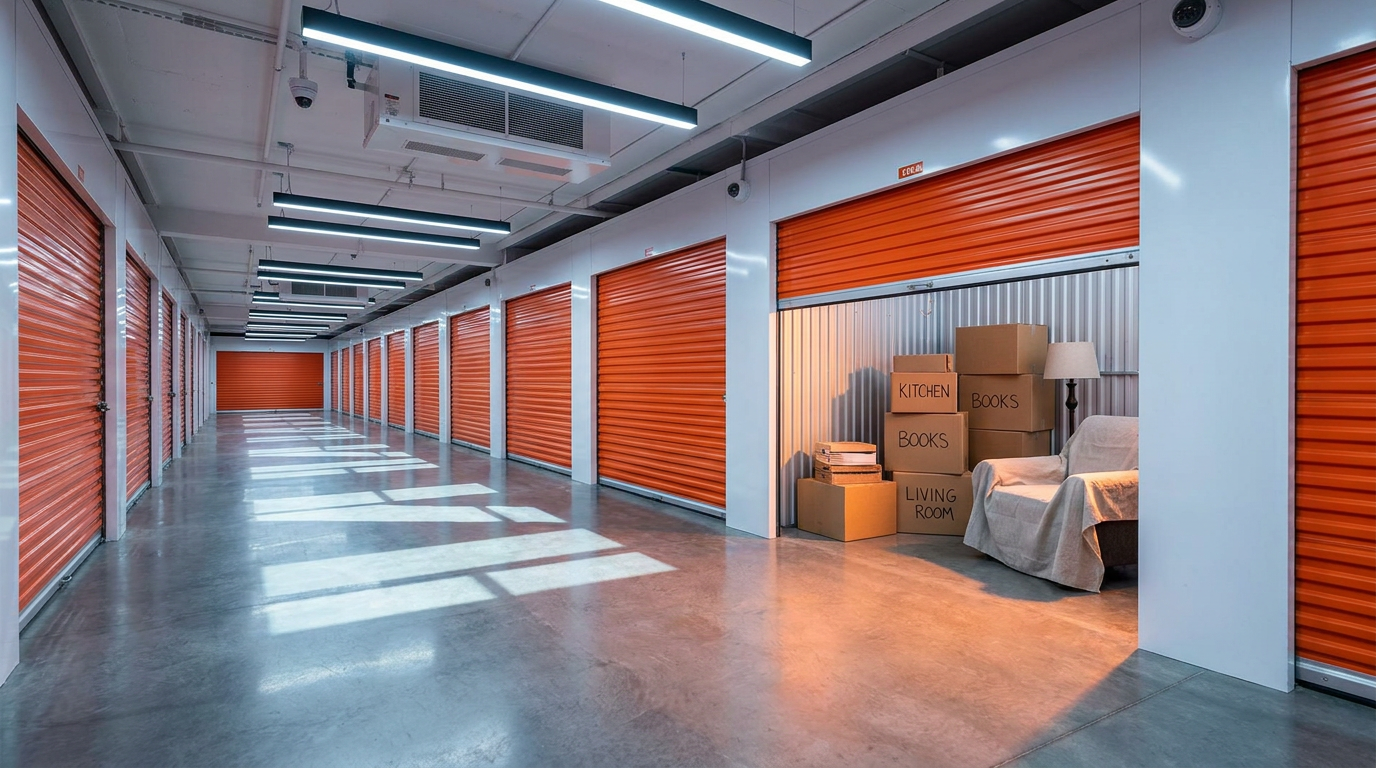
Climate-controlled units maintain regulated interior temperatures (typically between 55°F and 80°F) and controlled humidity levels year-round. This feature is non-negotiable for items susceptible to warping, cracking, mold growth, or mechanical degradation, including:
- Wooden and leather furniture
- Musical instruments (pianos, guitars, brass instruments)
- Electronics, photographic gear, and media archives
- Fine art, vinyl records, and important paper documents
- Photographs and upholstered goods
Security Infrastructure
Protecting stored assets requires a multi-layered security approach. High-quality facilities implement several standard safeguards:
- Perimeter Fencing and Electronic Gates: Controlled gate access via individualized keypad codes or mobile app authentication restricts entry strictly to authorized tenants and staff.
- 24/7 Video Surveillance: Comprehensive closed-circuit television (CCTV) coverage monitors hallways, entry gates, perimeter fences, and loading zones.
- Individual Door Alarms: Advanced indoor facilities feature door sensors that trigger an alarm if an unauthorized attempt is made to tamper with a unit's lock.
- On-Site Management: Facilities with resident managers or active daytime staff provide a higher degree of visual deterrence against theft and vandalism.
Access Hours and Operational Logistics
Convenience matters significantly when accessing stored belongings. Facility operational models vary widely and dictate when tenants can retrieve or drop off items.
Traditional gate hours typically run from 6:00 AM to 9:00 PM or 10:00 PM daily. These hours accommodate most residential and commercial schedules. However, some modern automated facilities offer 24-hour access, allowing tenants to visit their units overnight. This is particularly valuable for small business owners managing inventory, contractors grabbing tools before dawn, or individuals working unconventional shifts.
Furthermore, consider the physical layout of the building. If the 10x8 unit is located on an upper floor of a multi-story facility, verify the availability, size, and weight capacity of the freight elevators. A spacious elevator streamlines the moving process, whereas a single, slow elevator can cause frustrating bottlenecks during move-in day.
Common Mistakes to Avoid When Renting
Navigating the self-storage market successfully requires avoiding several common missteps that can inflate costs or complicate asset management.
Underestimating Space Requirements
While a 10x8 unit handles a one-bedroom apartment well, packing poorly can cause overflow. Renters often underestimate the volume of bulky items like couches and mattresses when left unmanaged. Always measure large furniture pieces and map out a vertical packing strategy before finalizing the unit size.
Skipping Insurance Verification
Assuming that personal renter's insurance automatically covers off-site storage without reading the policy details can lead to uninsured losses in the event of a fire, theft, or natural disaster. Always verify coverage limits with your insurance provider prior to move-in.
Neglecting Proximity and Location Convenience
Renting a slightly cheaper unit across town might save $10 a month, but if the facility is a 45-minute drive away, the cost of fuel, time, and friction will quickly outweigh the nominal savings. Choose a location close to your primary residence or regular daily commute.
Frequently Asked Questions
Is a 10x8 storage unit big enough for a one-bedroom apartment?
Yes, a 10x8 unit (80 square feet) can typically fit the contents of a standard studio or small one-bedroom apartment. This includes major furniture items like a mattress, dresser, small sofa, and numerous boxes, provided belongings are stacked vertically and organized efficiently.
How much does a climate-controlled 10x8 storage unit cost?
Climate control generally adds 15% to 35% to the base rental rate. While a standard outdoor drive-up unit might cost $80 per month, an equivalent climate-controlled indoor unit of similar size typically ranges from $100 to $150 per month depending on regional market conditions.
Do I need to buy insurance from the storage facility?
You are not legally forced to buy insurance directly from the storage facility, but you must prove you have active coverage. Many standard renter's or homeowner's insurance policies extend coverage to off-site storage units, though coverage caps may apply. Check your policy documents before declining facility protection plans.
What is the difference between a 10x8 and a 10x10 storage unit?
The primary difference is 20 square feet of floor space. A 10x8 unit provides 80 square feet, while a 10x10 unit provides 100 square feet. A 10x10 unit is better suited for larger one-to-two-bedroom apartments or bulky commercial inventory.
Can I park a car inside a 10x8 storage unit?
No, a standard passenger vehicle cannot fit into an 80-square-foot unit. Standard cars require at least a 10x15 or 10x20 storage bay to accommodate both the length of the vehicle and clearance for walking around it.
Conclusion and Next Actions
Renting a 10x8 storage unit provides a practical, cost-effective solution for organizing residential clutter, managing apartment transitions, or securing business inventory. By evaluating regional price variations, determining whether climate control is necessary, and factoring in administrative fees, renters can secure a secure and appropriately sized space. To begin, inventory your belongings, measure bulky items, and contact multiple local facilities to compare move-in promotions and security features before signing a rental agreement.