The early 2000s marked a transformative period for the Food Network, shifting from instructional, chef-led programming to entertainment-focused culinary television. Shows like Iron Chef America, 30-Minute Meals, and Emeril Live moved cooking into the mainstream, turning chefs into celebrities and making home kitchens a central hub for lifestyle experimentation.
The Shift Toward Culinary Entertainment
During the early 2000s, the Food Network transitioned from being a niche channel primarily for amateur cooks into a powerhouse of cultural relevance. This shift was characterized by high-energy presentation, competition-based formats, and the rise of the "television chef." Viewers were no longer just seeking recipes; they were seeking personalities who could make the kitchen feel like a stage. This era solidified the channel’s identity, blending the educational foundations of earlier years with the fast-paced, high-stakes drama that defines reality television today.
1. Iron Chef America
Debuting in the U.S. in 2005 as a spin-off of the Japanese original, Iron Chef America brought a dramatic, high-stakes flair to the network. Each episode featured a challenger chef competing against an "Iron Chef" in Kitchen Stadium, all centered around a "Secret Ingredient." This show was pivotal in establishing the "chef-as-athlete" narrative, utilizing intense commentary and strict time limits to drive engagement.
2. 30-Minute Meals
Rachael Ray’s 30-Minute Meals, which gained massive popularity in the early 2000s, addressed the needs of the time-strapped home cook. Ray’s approachability and "EVOO" (extra virgin olive oil) catchphrases simplified the process of creating balanced meals. It remains one of the most significant examples of instructional programming that prioritized accessibility and speed over haute cuisine.
3. Emeril Live
Emeril Lagasse’s Emeril Live was the flagship of the early 2000s Food Network. With a live studio audience, a band, and high energy, it brought a sense of spectacle to the kitchen. Lagasse’s signature style, characterized by "kicking it up a notch" and generous use of his proprietary spice blends, transformed cooking into a loud, festive, and highly marketable event.
4. Good Eats
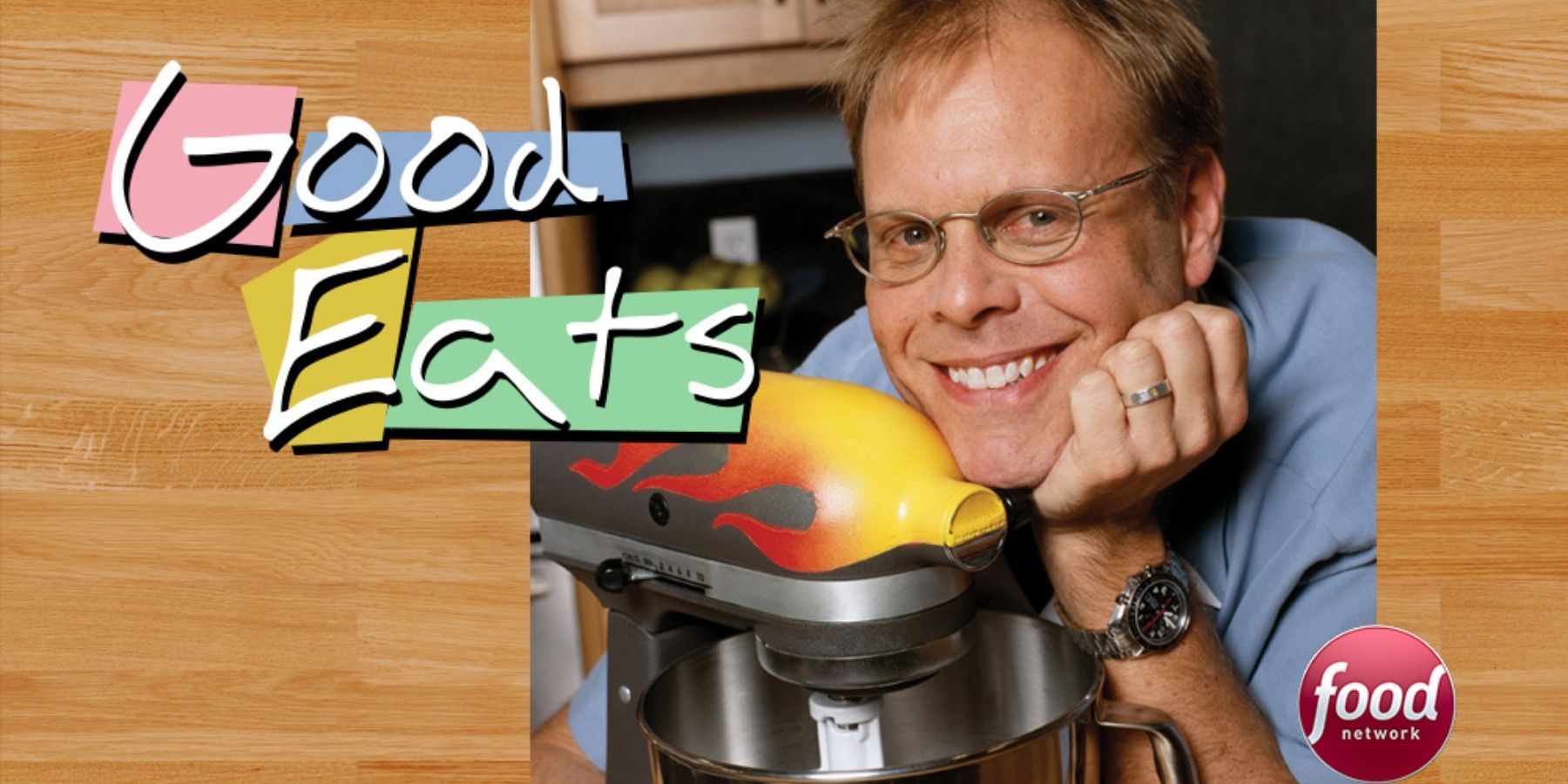
Alton Brown’s Good Eats provided a technical, science-based approach to cooking. While other shows focused on celebrity personalities, Good Eats focused on the chemistry, history, and physics behind food preparation. Brown’s unique use of puppets, quirky props, and laboratory-style experiments made complex culinary concepts digestible for the average viewer, setting a high standard for educational content.
5. Barefoot Contessa
Ina Garten’s Barefoot Contessa, which premiered in 2002, offered a starkly different aesthetic: elegant, sophisticated, and aspirational. Garten focused on the art of entertaining, showcasing high-quality ingredients and classic techniques in a warm, inviting home setting. The show resonated deeply with viewers who wanted to elevate their hosting skills, focusing on the social aspect of dining.
6. Boy Meets Grill
Bobby Flay’s Boy Meets Grill captured the rise of the urban, masculine culinary aesthetic. Centered on outdoor cooking and high-heat techniques, the show moved away from traditional indoor ovens and onto the rooftop grill. It emphasized flavor profiles involving bold spices and chiles, reflecting Flay’s signature Southwestern influence and reinforcing his image as a master of the grill.
7. Molto Mario
Mario Batali’s Molto Mario was a cornerstone of the network’s efforts to introduce viewers to authentic regional Italian cuisine. Batali’s deep knowledge of Italian ingredients and his signature orange clogs became iconic. The show was less about flashy production and more about the respect for ingredients and tradition, providing a more grounded, educational experience than some of the network’s more frantic competition shows.
8. Food Network Challenge
The Food Network Challenge capitalized on the growing public fascination with extreme baking and food artistry. Whether focusing on cake design, chocolate sculpting, or sugar work, this show pushed the limits of what food could look like. It helped catalyze the "cake decorating craze" that dominated the mid-to-late 2000s, showcasing the immense skill required to turn food into temporary, edible sculpture.
9. Paula’s Home Cooking
Paula Deen’s Paula’s Home Cooking, debuting in 2002, introduced Southern comfort food to a national audience. The show focused on heavy, traditional flavors and "from-scratch" cooking. It was a cultural touchstone that highlighted regional American cooking, bringing dishes like fried chicken, butter-laden sides, and decadent desserts into the mainstream spotlight.
10. Throwdown! with Bobby Flay
Launching in 2006, Throwdown! with Bobby Flay combined travel, competition, and ego. Flay would visit a local cook or restaurant famous for a specific signature dish and challenge them to a cook-off. This series highlighted the democratization of culinary expertise, proving that "hometown heroes" could stand their ground against world-renowned celebrity chefs.
Comparison of Early 2000s Food Network Styles
| Show Title | Primary Focus | Host Persona |
|---|---|---|
| Iron Chef America | Competitive Sports | High-Energy / Dramatic |
| Good Eats | Science & Technique | Analytical / Quirky |
| Barefoot Contessa | Entertaining / Hosting | Sophisticated / Calm |
| Emeril Live | Culinary Spectacle | Boisterous / Charismatic |
| 30-Minute Meals | Efficiency / Utility | Approachable / Fast |
The Legacy of the Early 2000s
The programming choices made by the Food Network during this period did more than just fill airtime; they changed how the public viewed domestic labor. Cooking was successfully rebranded from a chore into a lifestyle hobby. The influence of these shows is still felt in 2026, as the "celebrity chef" model remains the dominant archetype for food media across streaming platforms and social media.
Frequently Asked Questions
Did the Food Network start in the early 2000s? No, the Food Network was founded in 1993. However, the early 2000s were critical for the network's growth as it shifted from a pure instructional format to the personality-driven entertainment model that defines it today.
Are these early shows still available to watch? Many of these classic programs are available via on-demand streaming services or the network’s digital archives. Licensing availability may vary by region and streaming platform as of 2026.
Which show had the biggest impact on home cooking trends? 30-Minute Meals is widely considered the most influential regarding everyday home cooking, as it normalized the idea that healthy, home-cooked food could be prepared in under half an hour.
Why did "competition" shows become so popular? Competition shows provided a narrative arc that standard instructional videos lacked. By adding a clock, a judge, and a winner, producers created natural tension that kept viewers watching until the final result.
Recommendations for Further Viewing
If you are interested in the evolution of food media, look for the early seasons of Good Eats to understand the technical foundations of the era. If you prefer the entertainment and competitive side of culinary history, Iron Chef America serves as the gold standard for how the network transitioned into high-production-value television.