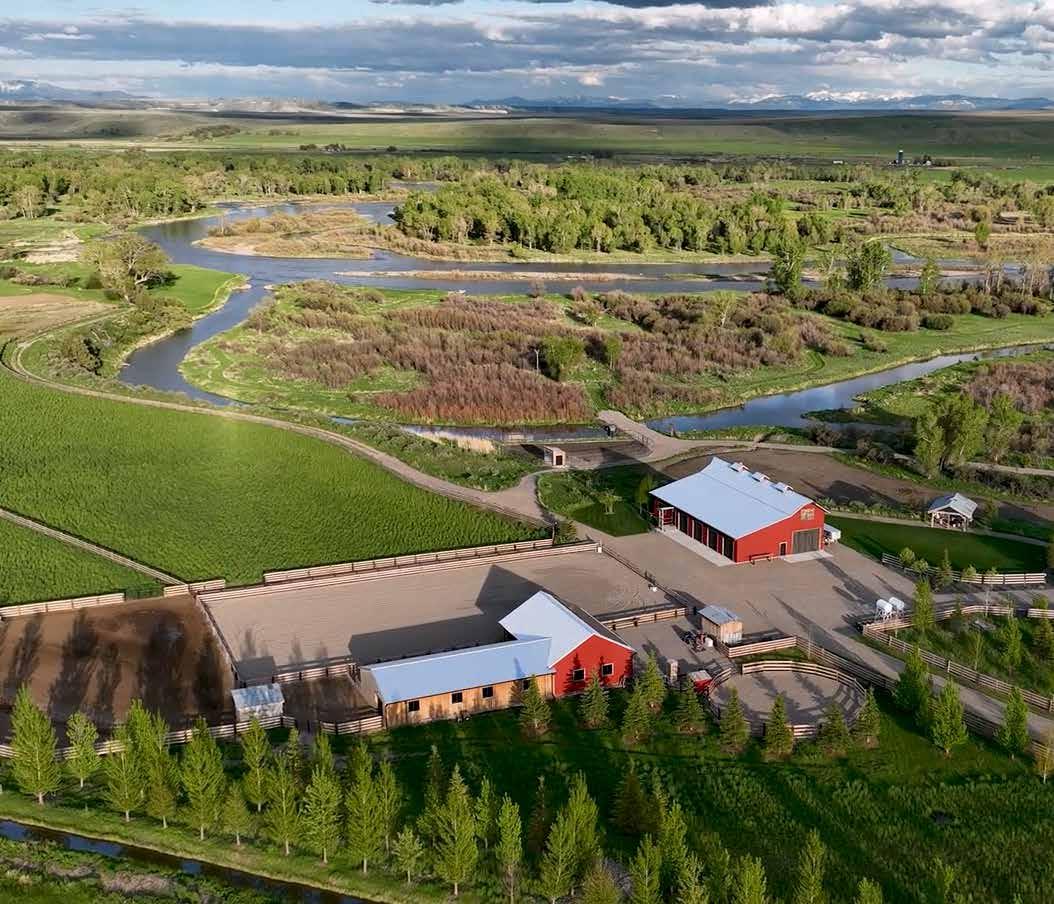
In 1987, the actor River Phoenix, then a burgeoning star in Hollywood following the success of Stand by Me, utilized his early earnings to purchase a ranch in Micanopy, Florida. This property served as a critical retreat for the Phoenix family, providing a sense of stability and privacy away from the high-pressure environment of the film industry during a pivotal year in his career.
The Significance of 1987 in River Phoenix’s Career
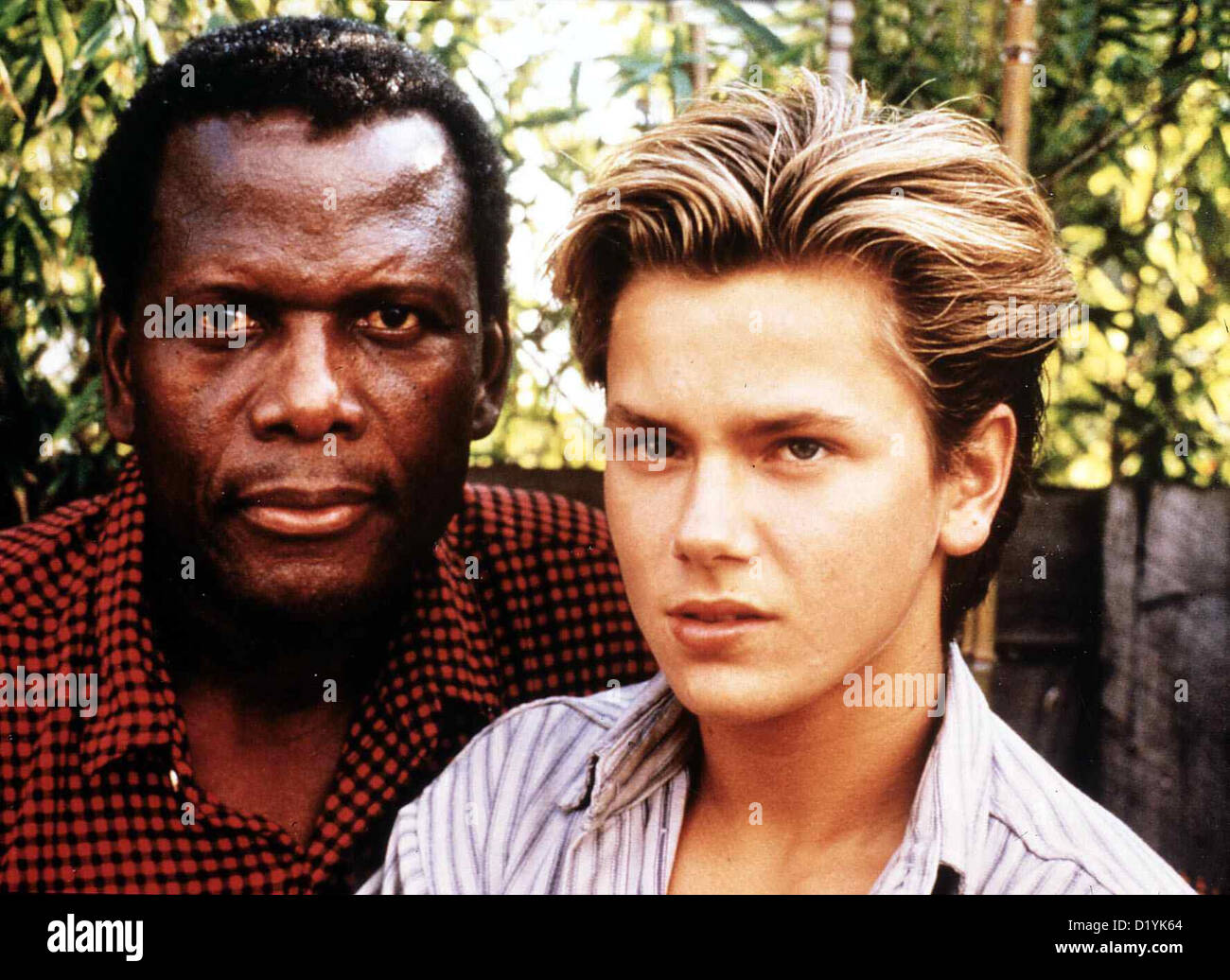
The year 1987 was a transformative period for River Phoenix. Having gained significant critical acclaim for his role as Chris Chambers in Rob Reiner’s 1986 film Stand by Me, Phoenix was rapidly transitioning from a child actor to a serious dramatic lead. During this time, he was actively involved in various projects, including The Mosquito Coast (1986), which had already earned him an Academy Award nomination, and the 1988 films Running on Empty and Little Nikita.
The decision to acquire a ranch in Micanopy, a small town near Gainesville, reflected the values held by the Phoenix family. The family, known for their nomadic lifestyle and deep-rooted commitment to environmentalism and animal rights, sought a permanent base where they could live more sustainably and foster their creative pursuits away from the scrutiny of Los Angeles.
Location and Property Context: Micanopy, Florida
Micanopy is one of the oldest inland towns in Florida, characterized by its historic character, moss-draped oaks, and proximity to the Paynes Prairie Preserve State Park. For the Phoenix family, this location was not merely a real estate transaction; it was a geographical anchor.
The purchase of the ranch allowed the family—including his parents, John and Arlyn, and his siblings Rain, Joaquin, Liberty, and Summer—to cultivate a lifestyle that mirrored their personal philosophies. The ranch provided the necessary space for the family to practice the organic gardening and self-sufficiency they advocated for, even as River continued to manage his professional commitments in the entertainment industry.
Financial Aspects of the Purchase
While private real estate transactions for celebrities often remain shielded from public record databases in terms of specific dollar amounts or financing terms, the purchase occurred at a time when Phoenix was becoming one of the most sought-after young actors in the world. His financial independence, achieved through early film roles, afforded him the agency to invest in real estate that aligned with his family's needs rather than traditional Hollywood investment strategies.
The ranch acquisition is often cited by biographers and observers of the Phoenix family as a testament to River’s devotion to his family. By 1987, he had become the primary breadwinner, and his decision to secure a homestead in Florida was an act of prioritizing family unity and geographic stability over the transient nature of acting contracts.
Life at the Ranch
Living in Micanopy provided a sharp contrast to the film sets of Hollywood. The ranch allowed the Phoenix family to maintain their status as a tightly knit unit. Reports from that era often highlight how the family members engaged in local community life, participated in animal rescue, and maintained a low profile.
This period is frequently studied by those interested in the life of River Phoenix because it represents the nexus between his burgeoning fame and his genuine, off-screen persona. The ranch served as a physical manifestation of his desire to lead an authentic life. It was a space where the demands of the film industry could be set aside, allowing for the development of his personal interests, which included music, songwriting, and environmental activism.
Comparison of Hollywood Real Estate Trends in the 1980s
During the 1980s, it was common for high-earning young actors to invest in luxury properties in urban centers like Beverly Hills or the Hollywood Hills. The choice of the Phoenix family to relocate to a rural, quiet environment in Northern Florida was an unconventional move that highlighted their non-conformist approach to celebrity living.
| Feature | Typical 1980s Hollywood Investment | Phoenix Family Ranch Investment |
|---|---|---|
| Primary Goal | Asset Appreciation / Status | Family Stability / Sustainability |
| Environment | Urban / High Density | Rural / Low Density |
| Community | Industry Networking | Local Community Integration |
| Lifestyle | High-Profile / Public | Private / Secluded |
The Legacy of the Micanopy Property
The ranch remained an important fixture in the Phoenix family history long after the late 1980s. It represented the era before the actor’s untimely death in 1993, anchoring his formative adult years in a place of relative peace. The property continues to be referenced in retrospective accounts of his life, symbolizing the actor's values of compassion and family loyalty.
For researchers and fans, understanding the purchase of the ranch requires an appreciation for the social and cultural climate of the late 1980s. It was a time when the "child star" narrative was often one of exploitation, yet the Phoenix family successfully carved out a counter-narrative, using the capital earned from River’s talent to secure a sanctuary that remained untainted by the industrial aspects of his profession.
Frequently Asked Questions
Why did River Phoenix choose Micanopy, Florida for his ranch? The Phoenix family had a history of living in various locations throughout the Americas and felt a strong connection to the natural beauty and community atmosphere of Northern Florida. Micanopy provided the seclusion and environment necessary to support their sustainable lifestyle.
Was the 1987 ranch purchase the only property owned by the family? The Phoenix family lived a relatively nomadic life before and during parts of River’s rise to fame. While they stayed in various locations, the Micanopy ranch was the most significant and well-documented family homestead that provided a sense of permanence during the height of River's career.
How did the ranch affect River Phoenix’s career? The ranch served as a grounding force. It allowed him to retreat from the intensity of the film industry, enabling him to approach his work with a sense of perspective and authenticity that many critics noted in his performances in films like Running on Empty.
Does the property still exist today? While the status and ownership of the specific property have changed over the decades since 1987, the region remains known for its rural and historical preservation. The area retains the same environmental characteristics that originally attracted the Phoenix family to the location in the late 1980s.
What was the primary purpose of the ranch? The primary purpose was to provide a stable, private, and sustainable living environment for the entire Phoenix family. It was not intended to be a commercial enterprise or a vacation home in the traditional sense, but rather a permanent, functional residence.
Next Actions for Further Research
To gain a deeper understanding of this era of River Phoenix’s life, researchers should consult the archival collections of regional Florida newspapers from the late 1980s, which occasionally provided coverage of the family’s integration into the local community. Furthermore, authorized biographies of the Phoenix family provide the most reliable narratives regarding the motivations behind their relocation and the significance of the property in their collective history.