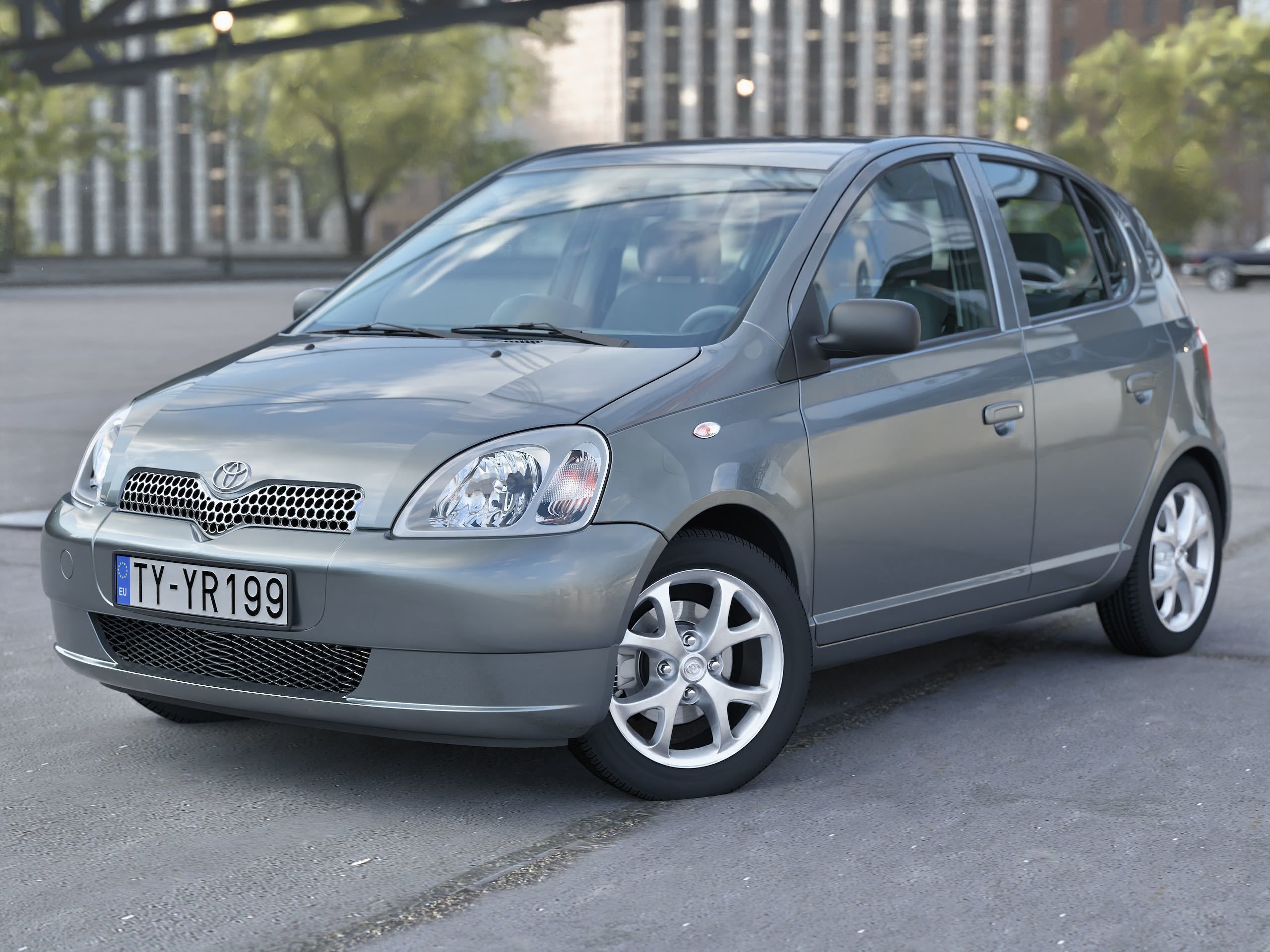
The Toyota Yaris 2000 model remains an enduring symbol of automotive reliability, minimalist engineering, and remarkable fuel efficiency. Decades after its introduction to the global market, this first-generation subcompact vehicle—known in its home market of Japan as the Toyota Vitz—continues to command respect among budget-conscious drivers, hypermilers, and urban commuters who value mechanical simplicity and longevity over digital wizardry and complex infotainment systems.
Evaluating a vehicle from the year 2000 in the modern era requires a shift in perspective. Safety standards, cabin technology, and aesthetic expectations have evolved drastically over the past two and a half decades. However, the core engineering philosophy that birthed the original Yaris—lightweight construction, efficient packaging, and bulletproof reliability—ensures that surviving examples still hold practical value. This overview examines the identity, specifications, daily usability, common mechanical traits, and long-term viability of the Yaris 2000 model in contemporary traffic.
Identity, Origins, and Market Positioning of the First-Generation Yaris
Introduced globally around 1999 and 2000 to replace the aging Toyota Starlet, the first-generation Yaris was designed primarily for European, Asian, and select international markets. Toyota engineered the car under the concept of "New Basic Car," aiming to maximize interior volume within a compact exterior footprint. Its distinctive exterior styling, characterized by a high roofline and a centrally mounted instrument cluster, made it instantly recognizable.
The Yaris 2000 model was offered in several body configurations, most notably three-door and five-door hatchbacks, alongside a four-door sedan variant known in some markets as the Toyota Echo. In Europe and parts of Asia, it quickly captured market share from established continental hatchbacks due to its clever interior ergonomics and low cost of ownership. Today, finding a clean, unmodified example of this era has shifted from finding cheap college transportation to preserving an increasingly rare piece of modern automotive history.
Design Philosophy and Packaging
One of the defining triumphs of the Yaris 2000 model is its spatial efficiency. Despite measuring less than 3.7 meters in length for the hatchback version, the vehicle utilizes a relatively long wheelbase relative to its overall size. This pushed the wheels out to the corners, expanding cabin volume.
The interior features sliding and folding rear seats—a feature pioneered or popularized in this class by Toyota—allowing owners to configure cargo space to accommodate bulky items. The central digital instrument cluster, styled after an electronic pocket calculator in early trims, cleared the dashboard space directly ahead of the driver, creating an airy, open feel that remains surprisingly pleasant by modern standards.
Technical Specifications and Powertrain Options
Under the hood, the Yaris 2000 relied on a family of lightweight, all-aluminum engines known as the Toyota NZ engine series. These powerplants featured variable valve timing (VVT-i), which was cutting-edge technology for an entry-level economy car at the turn of the millennium.
Engine Lineup
| Engine Code | Displacement | Configuration | Power Output | Torque | Fuel Efficiency (Estimated) |
|---|---|---|---|---|---|
| 1SZ-FE | 1.0 Litre | Inline-4, DOHC | 68 hp (50 kW) | 90 Nm (66 lb-ft) | 5.6 L/100 km (42 MPG US) |
| 2SZ-FE | 1.3 Litre | Inline-4, DOHC | 86 hp (63 kW) | 124 Nm (91 lb-ft) | 5.8 L/100 km (40 MPG US) |
| 1ND-TV | 1.4 Litre | Diesel (Turbo) | 75 hp (55 kW) | 170 Nm (125 lb-ft) | 4.5 L/100 km (52 MPG US) |
Note: Availability of specific engines varied significantly by region. The North American market primarily received the 1.5-liter 1NZ-FE engine when the model arrived as the Echo later in 2000.
Transmission choices included a five-speed manual gearbox and a traditional four-speed automatic transmission, as well as an early automated manual transmission called "MMT" (Multi-Mode Transmission) in select European markets. Mechanically, the manual gearboxes are exceptionally durable, while the older four-speed automatics absorb a noticeable amount of engine power but offer smooth, predictable shifts if the transmission fluid has been maintained.
Daily Usability and Practical Performance in Modern Traffic
Driving a Yaris 2000 model in modern traffic requires an understanding of its performance limitations balanced against its dynamic agility. With power outputs hovering between 68 and 86 horsepower for standard gasoline variants, acceleration is leisurely. Merging onto high-speed motorways demands full throttle and advance planning, particularly when the vehicle is loaded with passengers or cargo.
However, in congested urban environments, the Yaris shines. Its featherlight curb weight (often under 900 kilograms depending on the spec) gives it a nimble, eager character. The turning radius is exceptionally tight, making parallel parking effortless. Visibility is broad and unobstructed by thick modern roof pillars, contributing to a secure feeling in dense city driving.
Comfort and Cabin Environment
Cabin isolation from wind and road noise is minimal by contemporary standards. Engine hum permeates the cabin at highway speeds, and the ride can feel choppy on rough pavement due to the short wheelbase and simple torsion-beam rear suspension. Air conditioning systems, where functional, work well, but heaters can take time to warm up during cold winter mornings. Interior plastics are hard, durable, and scratch-resistant; while they lack tactile softness, they have proven resistant to cracking and degradation over decades of sun exposure.
Common Mechanical Issues and Maintenance Realities
The primary appeal of the Yaris 2000 model today is its legendary reliability. However, vehicles of this age require specific preventative maintenance to remain roadworthy. Addressing minor issues promptly prevents cascading failures.
Frequent Areas of Concern
- Ignition Coils: The individual coil-on-plug ignition system can degrade over time, leading to engine misfires and rough idling. Replacing them with OEM-spec components usually resolves the issue.
- Suspension Bushings and Struts: Rubber components in the front control arms and rear axle mounts frequently dry out, crack, and compress, resulting in clunking noises over bumps and vague steering feedback.
- Oil Consumption: High-mileage 1.0-liter (1SZ-FE) engines can occasionally suffer from stuck piston rings, leading to minor oil burning. Regular oil level checks are mandatory.
- Body Rust: Depending on regional climate and winter road salting, structural rust can develop around the rear wheel arches, rocker panels, and subframe attachment points.
Parts availability remains excellent. Because Toyota utilized mechanical components shared across numerous models and produced millions of these engines, aftermarket replacement parts are inexpensive and widely stocked globally.
Safety Standards and Modern Limitations
Safety represents the single most significant compromise when operating a Yaris 2000 model in the contemporary automotive landscape. When crash-tested in its era, the vehicle performed reasonably well for its class, typically earning respectable marks in European Euro NCAP evaluations. However, automotive safety has progressed exponentially since 2000.
Passive safety equipment in standard models often consisted of dual front airbags and three-point seatbelts. Side curtain airbags, electronic stability control (ESC), and anti-lock braking systems (ABS) were either optional or entirely absent on base-trim models. Furthermore, the sheer physical mass disparity between a Yaris 2000 and modern heavy SUVs and crossover vehicles means that accident outcomes favor larger, modern structures. Drivers utilizing this vehicle today must rely heavily on defensive driving habits and spatial awareness.
Comparing the Yaris 2000 to Later Generations
To appreciate the 2000 model, it helps to contextualize how the vehicle evolved through subsequent iterations up to the modern era.
- First Generation (2000): Focused on packaging innovation, ultra-lightweight construction, and minimalist simplicity. Mechanically bulletproof with basic interior features.
- Second and Third Generations (2006–2019): Grew larger, heavier, and more refined. Safety features expanded significantly, and cabins gained more sophisticated materials and electronics.
- Fourth Generation (Modern Era): Built on the GA-B TNGA platform, introducing hybrid powertrains, advanced driver-assistance systems (ADAS), and connectivity features that place it light-years ahead of its year-2000 ancestor.
While newer generations offer superior comfort, safety, and efficiency, the first-generation model remains uniquely prized for its lack of electronic complexity, making it a favorite for DIY mechanics.
Frequently Asked Questions
Is the Toyota Yaris 2000 a good first car for a beginner driver?
Yes, due to its low purchase cost, excellent outward visibility, forgiving handling, and inexpensive maintenance. However, buyers should prioritize finding an example equipped with anti-lock brakes (ABS) and airbags if safety is a primary concern.
What kind of fuel economy can I expect from a Yaris 2000 today?
With proper maintenance, clean air filters, and healthy spark plugs, even a vintage Yaris can achieve between 5.0 and 6.0 liters per 100 kilometers (roughly 39 to 47 MPG US) in mixed driving conditions, making it competitive with many modern economy cars.
Are replacement parts difficult to find for a Yaris 2000?
No. Because Toyota produced this platform in massive volumes and shared components across multiple global models, mechanical parts, filters, and suspension components remain widely accessible through both OEM and aftermarket suppliers.
How does the Yaris 2000 handle highway driving?
It is capable of maintaining highway speeds of 100 to 120 km/h (60 to 75 mph), but the cabin experience is loud, and crosswinds can affect stability due to the car's light weight and tall profile. It is fundamentally optimized for city and suburban commuting.
What should I look for when inspecting a used Yaris 2000 to buy?
Check for service history confirming regular oil changes, inspect the suspension for worn rubber bushings, test all electrical switches, and carefully examine the undercarriage for structural rust, especially if the vehicle spent winters in regions that use road salt.
Practical Next Actions and Buying Advice
Purchasing or maintaining a Yaris 2000 model requires a pragmatic mindset. If you are looking for a reliable, ultra-low-cost daily commuter or a dependable runabout for city errands, acquiring a well-maintained specimen remains a sound financial decision.
Prioritize vehicles with documented maintenance records over those with exceptionally low mileage that have sat unused for years. Check the condition of all rubber hoses, tires, and belts, as age degrades these materials regardless of distance traveled. By performing baseline fluid changes and addressing suspension wear immediately, a Yaris 2000 can continue to deliver dependable, economical transportation for years to come.