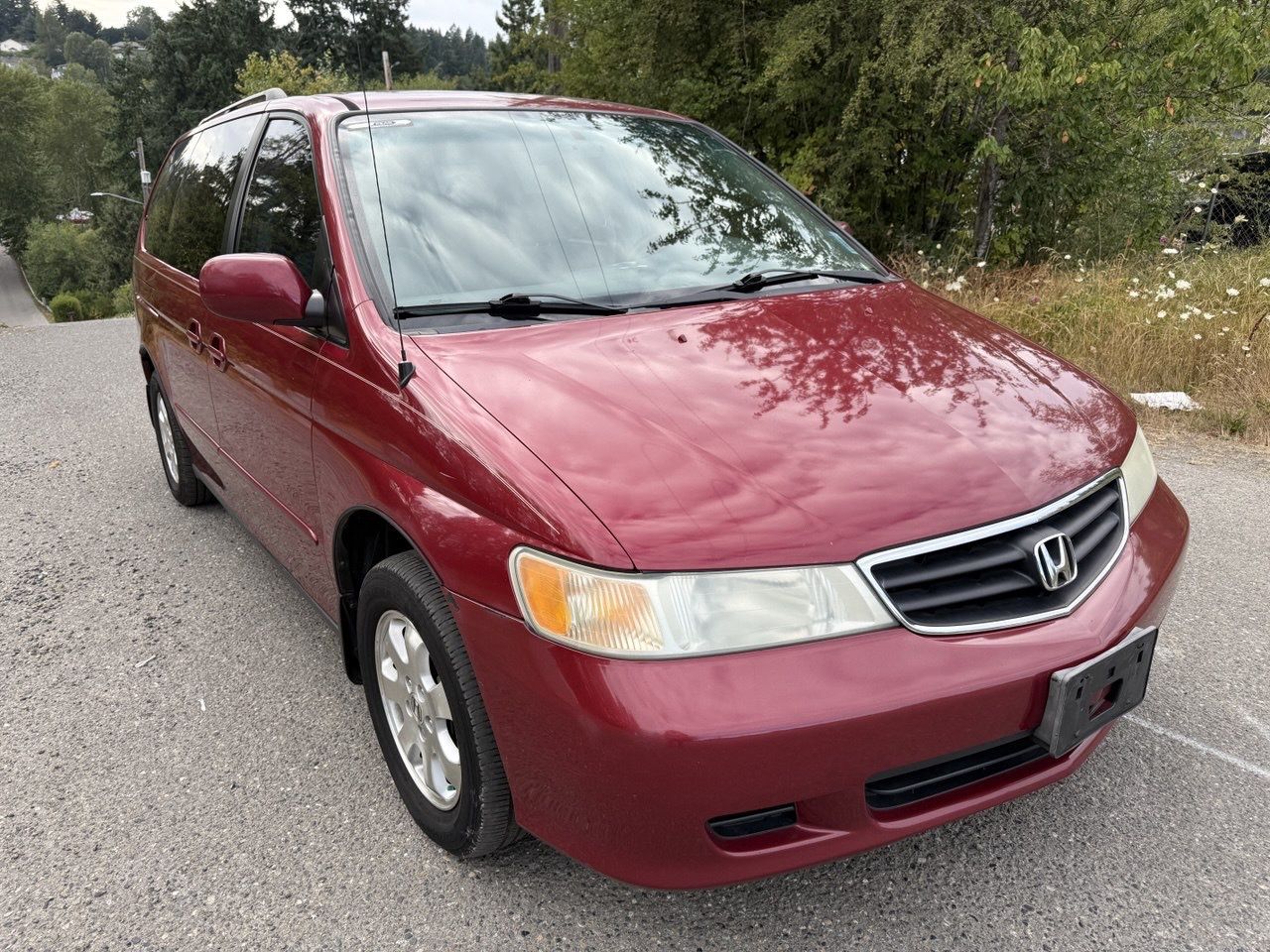
The Honda Odyssey typically achieves a 0-60 mph acceleration time ranging from 6.5 to 7.8 seconds, depending on the specific model year, engine configuration, and transmission tuning. While minivans are rarely categorized as performance vehicles, the Odyssey consistently ranks as one of the quicker options in its segment, benefiting from Honda’s high-revving V6 engine architecture and refined automatic transmissions.
Understanding Minivan Performance Metrics
When prospective buyers investigate the 0-60 mph time of a vehicle like the Honda Odyssey, they are often seeking an assurance of power for specific driving scenarios rather than track-day performance. Acceleration in a minivan context is synonymous with safety and utility; the ability to merge onto a busy highway, overtake slower vehicles, or navigate uphill mountain passes with a full load of passengers and cargo is essential.
For the Odyssey, acceleration is defined by its long-standing reliance on the i-VTEC V6 powerplant. Since the late 2010s, the model has primarily featured a 3.5-liter V6 engine capable of producing roughly 280 horsepower. This engine delivers a linear power curve that, while not "fast" in the traditional sports car sense, provides sufficient torque to move the chassis with confidence even when the vehicle is at its Gross Vehicle Weight Rating (GVWR).
Factors Influencing 0-60 Acceleration Times
Acceleration is not an immutable statistic; it is a variable metric influenced by a confluence of mechanical and environmental factors. To understand why a specific Odyssey might vary in its 0-60 performance, one must consider the following elements:
Powertrain Evolution and Transmission Efficiency
The evolution of the Honda Odyssey transmission has played a massive role in its acceleration profile. Older generations utilized traditional five-speed or six-speed automatic transmissions. While robust, these transmissions were tuned for longevity and fuel economy rather than rapid gear changes. The introduction of the ten-speed automatic transmission in recent years marked a significant shift. The additional gear ratios allow the engine to stay within its optimal power band longer, minimizing the "lag" often associated with heavy family haulers.
Curb Weight and Load Distribution
The Odyssey is a substantial vehicle. Trim levels significantly impact performance; a base trim with fewer electronic features, a standard audio system, and non-powered seat options will inherently be lighter than a top-tier Touring or Elite trim. An extra 100 to 200 pounds of features—such as integrated vacuum systems, rear-seat entertainment modules, and complex driver-assist hardware—can impact the 0-60 time by a measurable fraction of a second.
Environmental Conditions
Engine performance is fundamentally tied to air density. Because the Odyssey uses a naturally aspirated V6, its power output is susceptible to changes in elevation and temperature. At high altitudes, the thinner air results in a reduction of oxygen, which can cause a noticeable decrease in throttle response and a slower 0-60 sprint compared to sea-level testing. Similarly, extreme heat can affect intake air temperature, triggering the engine control unit (ECU) to adjust ignition timing to prevent knocking, which may subtly inhibit maximum acceleration.
Historical Performance Context
The Honda Odyssey has maintained a consistent performance niche over the last decade. Unlike some competitors that transitioned to turbocharged four-cylinder engines or hybrid-only platforms, Honda remained committed to the naturally aspirated V6. This choice has provided a reliable, predictable acceleration experience for consumers.
In controlled testing conditions conducted by automotive media outlets over the years, the Odyssey has consistently proven to be a segment leader. While some competitors may offer more "off-the-line" torque through forced induction, the Odyssey is often lauded for its mid-range passing power, which is arguably more critical for the typical minivan owner.
Comparative Analysis: Odyssey vs. Segment Peers
Evaluating the Odyssey against other popular minivans helps establish where it sits in the competitive landscape. Below is a comparative overview of how the Odyssey typically compares in real-world driving contexts.
| Vehicle Model | Typical 0-60 mph Time | Powertrain Characteristic |
|---|---|---|
| Honda Odyssey | 6.5 – 7.5 seconds | 3.5L V6 (Naturally Aspirated) |
| Toyota Sienna | 7.7 – 8.2 seconds | 2.5L Hybrid (CVT) |
| Kia Carnival | 7.0 – 7.5 seconds | 3.5L V6 (Naturally Aspirated) |
| Chrysler Pacifica | 7.3 – 7.8 seconds | 3.6L V6 (Naturally Aspirated) |
Note: Data represents industry averages for stock vehicles; individual performance may vary based on tire condition, fuel octane, and vehicle load.
Real-World Utility and Driver Confidence
Why does the 0-60 time matter to the average parent or fleet manager? It is rarely about winning a race at a traffic light. It is about the "confidence factor." When a vehicle has sluggish acceleration, drivers are forced to wait for larger gaps in traffic before merging, which can lead to hesitation and driver fatigue.
The Odyssey’s acceleration profile allows for seamless highway merging. When the throttle is depressed, the transmission downshifts crisply, and the V6 provides a surge of power that feels intuitive. This responsiveness is a cornerstone of the Odyssey’s driving dynamics, contributing to a "car-like" handling feel that sets it apart from traditional truck-based SUVs or heavier, less aerodynamic alternatives.
Troubleshooting Performance Issues
If an owner feels that their Honda Odyssey is not meeting its expected acceleration potential, it is usually a maintenance issue rather than a mechanical failure. Before seeking professional diagnosis, consider these common variables:
- Air Filter Obstruction: A severely clogged engine air filter restricts airflow, essentially "choking" the engine during hard acceleration. Replacing the air filter is a low-cost, high-impact maintenance task.
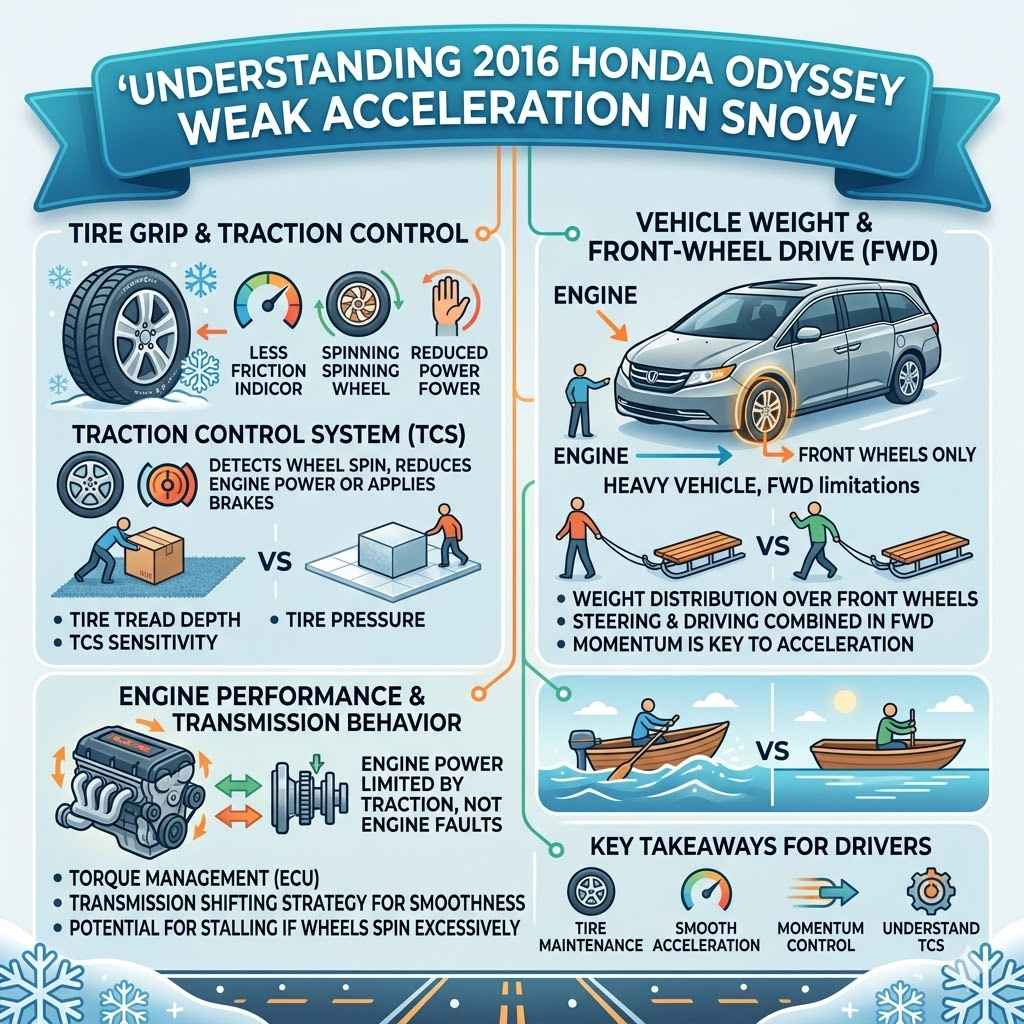
- Tire Pressure and Tread: If the tires are underinflated, rolling resistance increases. Furthermore, worn tires may struggle to gain traction during an aggressive launch, causing the traction control system to intervene prematurely and cut power.
- Fuel Quality: Using low-octane fuel in an engine tuned for higher performance or allowing the fuel system to become dirty can lead to a slight degradation in performance.
- Weight Management: The most common culprit for slow acceleration in a minivan is auxiliary weight. If the vehicle is weighed down by heavy sports equipment, excess cargo, or aftermarket accessories, it will naturally take longer to reach highway speeds.
Frequently Asked Questions
Does the Eco-Mode feature in the Honda Odyssey affect 0-60 acceleration? Yes. When the Econ mode is engaged, the throttle mapping is altered to be less sensitive. This creates a more gradual increase in engine power to favor fuel efficiency. If you need maximum acceleration—such as for a quick lane change—disengaging Econ mode or pressing the pedal firmly past the resistance point will restore full engine output.
Is the Honda Odyssey faster than its competitors? The Odyssey is generally one of the faster minivans on the market. While some competitors offer hybrid options that prioritize fuel economy over raw acceleration, the Odyssey’s V6 engine is optimized for high-end power, allowing it to stay ahead of the curve in terms of raw acceleration metrics.
Does carrying a full load of passengers impact the 0-60 time significantly? Yes. Adding several hundred pounds of passengers and luggage increases the vehicle's inertia. While the Odyssey’s V6 is capable of handling the load, you will notice a difference in acceleration. Drivers should anticipate longer merge times and adjust their driving style accordingly when the vehicle is fully occupied.
Can I improve my Odyssey's acceleration with aftermarket parts? While various aftermarket performance products exist, they are generally discouraged for a vehicle like the Odyssey. The stock powertrain is optimized for longevity and fuel economy. Modifications such as cold-air intakes or ECU "tunes" may void the manufacturer’s warranty and could potentially lead to premature wear of the transmission or other drive-line components.
How does transmission maintenance affect acceleration over time? Regular transmission fluid changes are vital. As fluid ages, it loses its ability to protect internal components and maintain optimal pressure for gear changes. Old, degraded fluid can lead to sluggish or "slurred" shifts, which will negatively impact the vehicle's 0-60 performance. Following the manufacturer’s maintenance schedule is the best way to preserve acceleration.
Conclusion and Recommendations
The Honda Odyssey provides a balanced acceleration profile that meets the needs of modern families. While it is not a performance vehicle, its consistent ability to reach 60 mph in under 8 seconds ensures that it remains competitive and safe in daily driving environments.
For the best performance, prioritize consistent maintenance—specifically timely oil changes, air filter replacements, and adherence to the manufacturer’s transmission fluid service intervals. Keeping your tires at the correct pressure and ensuring the vehicle is not unnecessarily weighed down by extraneous items will ensure that your Odyssey continues to deliver the responsive, reliable acceleration it is known for. If you believe your vehicle is experiencing a significant loss in power, it is recommended to have the diagnostic codes checked by a certified technician, as this can often identify underlying issues before they result in a breakdown.