Congestive Heart Failure (CHF) is primarily represented by the I50 series of codes in the ICD-10-CM system. While the general, unspecified code for CHF is I50.9 (Heart failure, unspecified), modern coding standards in 2026 require significantly higher specificity, distinguishing between the type of failure (systolic, diastolic, or combined) and the acuity (acute, chronic, or acute on chronic).
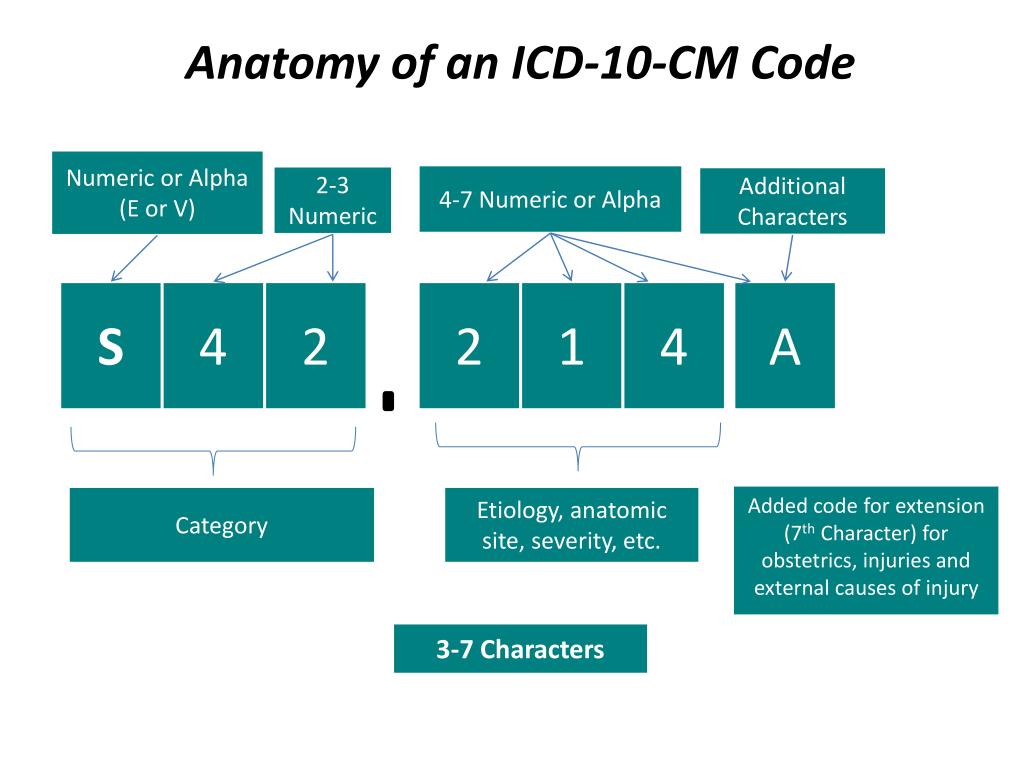
Understanding the Structure of the I50 Code Category
The International Classification of Diseases, 10th Revision, Clinical Modification (ICD-10-CM) uses a hierarchical structure to categorize heart failure. In the clinical and billing environment of 2026, relying on a single "CHF" code is often insufficient for proper reimbursement and risk adjustment. The I50 category serves as the foundation for reporting heart failure, but it is rarely the final stop for a proficient medical coder or clinical documentation specialist.
The codes within the I50 family are designed to capture the physiological mechanism of the heart's failure to pump effectively. This includes differentiating between the heart’s inability to contract with enough force (systolic) and its inability to relax and fill properly (diastolic). As medical technology has advanced, clinical documentation now frequently refers to these conditions as Heart Failure with Reduced Ejection Fraction (HFrEF) and Heart Failure with Preserved Ejection Fraction (HFpEF). For coding purposes, HFrEF is mapped to systolic failure, while HFpEF is mapped to diastolic failure.
The necessity for this level of detail stems from the Shift toward Value-Based Purchasing (VBP) and the Hierarchical Condition Category (HCC) models used by the Centers for Medicare & Medicaid Services (CMS). Accurate coding ensures that the severity of the patient's illness is reflected in the data, which directly impacts the resource allocation and quality scores for healthcare providers.
The Hierarchy of Specificity: Types and Acuity
To accurately code a diagnosis of heart failure, the documentation must provide two primary pieces of information: the type of failure and the acuity of the condition. In 2026, the ICD-10-CM guidelines continue to prioritize these distinctions to provide a clear picture of the patient's clinical status during a specific encounter.
Systolic Heart Failure (I50.2-)
Systolic heart failure, or HFrEF, occurs when the left ventricle cannot contract normally. When a physician documents "systolic heart failure," the coder must look for the acuity to assign the fourth and fifth characters.
- I50.21: Acute systolic heart failure. This is used when the patient is experiencing a sudden onset or a rapid worsening of symptoms.
- I50.22: Chronic systolic heart failure. This describes the ongoing, long-term management of the condition.
- I50.23: Acute on chronic systolic heart failure. This is a common diagnosis in hospital settings, indicating a patient with known chronic failure who is currently experiencing an acute exacerbation.
Diastolic Heart Failure (I50.3-)
Diastolic heart failure, or HFpEF, occurs when the left ventricle becomes stiff and cannot relax. Similar to systolic failure, this requires acuity indicators.
- I50.31: Acute diastolic heart failure.
- I50.32: Chronic diastolic heart failure.
- I50.33: Acute on chronic diastolic heart failure.
Combined Systolic and Diastolic Failure (I50.4-)
In some complex cases, patients exhibit signs of both contraction and relaxation deficits. This is captured in the I50.4- series, following the same acuity logic (I50.41, I50.42, and I50.43). Reporting a combined code is more accurate than reporting two separate codes for systolic and diastolic failure, as per the ICD-10-CM Official Guidelines for Coding and Reporting.
The Role of Ejection Fraction in 2026 Coding
By 2026, the clinical use of Ejection Fraction (EF) percentages has become the gold standard for defining heart failure types. While the ICD-10-CM alphabetic index allows for the mapping of "HFrEF" to systolic and "HFpEF" to diastolic, clinicians often record specific percentages (e.g., "EF of 35%").
It is important for coders to understand that while they can use the EF percentage to support the diagnosis, the physician must still explicitly state the type of heart failure (systolic or diastolic) in the medical record. If a physician only notes "heart failure" and "EF 20%," the coder may need to query the provider to confirm if they wish to specify systolic heart failure. However, coding guidelines have increasingly allowed for more fluid interpretation when the clinical evidence is overwhelming.
The documentation of "mid-range" ejection fraction (HFmrEF) has also gained traction. In these instances, the coding often defaults to unspecified types unless the provider specifies the underlying mechanism. Consistent communication between the coding department and the cardiology team is essential to ensure that these nuances are captured correctly for both inpatient and outpatient settings.
Navigating Comorbidities: The I11 and I13 Connection
One of the most complex areas of CHF coding involves the "assumed relationship" between heart failure, hypertension, and chronic kidney disease (CKD). The ICD-10-CM convention "with" implies a causal relationship between these conditions unless the provider specifically states they are unrelated.
Hypertensive Heart Disease (I11.0)
When a patient has both hypertension and heart failure, the coder must use a combination code from category I11. The code I11.0 (Hypertensive heart disease with heart failure) is used as the primary code, followed by an additional code from the I50 category to identify the specific type of heart failure. For example, a patient with hypertension and chronic diastolic heart failure would be coded as:
- I11.0 (Hypertensive heart disease with heart failure)
- I50.32 (Chronic diastolic heart failure)
Hypertensive Heart and Chronic Kidney Disease (I13.-)
If the patient has hypertension, heart failure, and CKD, the coder moves to category I13. This category requires codes that specify the stage of CKD and the presence of heart failure. This is critical for 2026 reimbursement models, as the combination of these three conditions significantly increases the patient's risk profile.
| ICD-10 Code | Description | Key Requirement |
|---|---|---|
| I50.9 | Heart failure, unspecified | Use only when no further detail is available. |
| I50.23 | Acute on chronic systolic heart failure | Requires documentation of both baseline and exacerbation. |
| I50.32 | Chronic diastolic heart failure | Often used for patients with HFpEF in stable condition. |
| I50.41 | Acute combined systolic and diastolic failure | Used for severe exacerbations in patients with complex failure. |
| I50.814 | Right heart failure due to left heart failure | Specific to cases where left-sided failure causes right-sided issues. |
| I11.0 | Hypertensive heart disease with heart failure | Mandatory combination code when hypertension is present. |
| I13.0 | Hypertensive heart and CKD with heart failure | Used when hypertension, heart failure, and CKD (stages 1-4) coexist. |
Left Ventricular Failure and Right Heart Failure
While "CHF" is often used as a catch-all, clinicians frequently specify which side of the heart is failing. I50.1 (Left ventricular failure, unspecified) is often used to describe pulmonary edema resulting from heart failure. However, this code should not be used if a more specific type of failure (like systolic or diastolic) is documented.
Right heart failure (I50.8-) is another area that requires precision. In 2026, the codes for right heart failure are more granular:
- I50.811: Acute right heart failure.
- I50.812: Chronic right heart failure.
- I50.814: Right heart failure due to left heart failure. This code is particularly useful in describing the progression of long-term cardiac disease where left-sided dysfunction eventually leads to right-sided congestion.
Clinical Documentation Improvement (CDI) Strategies
For healthcare organizations in 2026, high-quality coding is a byproduct of high-quality documentation. Clinical Documentation Improvement (CDI) specialists focus on bridging the gap between clinical language and coding requirements. To optimize the "1 CHF" code overview, providers should be encouraged to use specific descriptors.
- Avoid "CHF" alone: Encourage clinicians to specify systolic, diastolic, or combined.
- State the Acuity: Always clarify if the condition is acute, chronic, or an acute exacerbation of a chronic issue.
- Link Comorbidities: Explicitly link heart failure to hypertension or kidney disease to ensure the correct combination codes are utilized.
- Use Objective Data: Reference echocardiogram results (e.g., Ejection Fraction) in the assessment and plan to support the chosen ICD-10 code.
The financial implications of these details are substantial. Under the 2026 CMS Hospital Inpatient Prospective Payment System (IPPS), the presence of "acute" or "acute on chronic" heart failure often qualifies as a Complication or Comorbidity (CC) or even a Major Complication or Comorbidity (MCC). This categorization can significantly increase the Diagnostic Related Group (DRG) weight and the resulting payment.
Common Pitfalls in Heart Failure Coding
Despite the clear guidelines, several common mistakes persist in the field. One of the most frequent errors is the over-reliance on I50.9. While this code is technically correct for "congestive heart failure," it is a non-specific code that often triggers audits or results in lower reimbursement. Payers in 2026 are increasingly denying claims that use unspecified codes when more specific clinical data is available in the medical record.
Another pitfall involves the sequencing of codes. In cases of hypertensive heart and kidney disease, the combination code (I13.-) must be sequenced first, followed by the heart failure code and the CKD stage code. Failure to follow this sequence can lead to claim rejections or inaccurate data reporting.
Lastly, coders must be careful not to "assume" acuity based on the patient's location. Just because a patient is in the Intensive Care Unit (ICU) does not mean their heart failure is "acute" for coding purposes; the physician must explicitly document it as such.
Frequently Asked Questions
Can I code systolic heart failure if the doctor only writes "HFrEF"?
Yes. In 2026, the ICD-10-CM index and clinical standards recognize HFrEF (Heart Failure with Reduced Ejection Fraction) as a clinical synonym for systolic heart failure. You should follow the index to the I50.2- category.
What is the difference between I50.9 and I50.1?
I50.9 is the general code for heart failure that is not further specified. I50.1 is specifically for left ventricular failure. While I50.1 is more specific than I50.9, it is still less specific than the codes that identify systolic or diastolic failure. If both are documented, the type-specific code (I50.2-I50.4) takes precedence.
How do I code CHF when the patient also has end-stage renal disease (ESRD)?
You must use category I13. If the patient has hypertension, heart failure, and ESRD, the correct primary code is usually I13.2 (Hypertensive heart and chronic kidney disease with heart failure and with stage 5 chronic kidney disease, or end stage renal disease). You then add a code for the type of heart failure (I50.-) and the code for ESRD (N18.6).
When is "acute on chronic" heart failure appropriate to code?
This code is appropriate when a patient has an established history of chronic heart failure but is currently experiencing a sudden flare-up or worsening that requires acute medical intervention, such as IV diuretics or oxygen therapy. This is very common in emergency department and inpatient settings.
Do I need to code the ejection fraction percentage separately?
While not always mandatory for the heart failure diagnosis itself, codes from category Z92.89 or other specific status codes are sometimes used in research or specific registry reporting. However, the EF percentage is primarily used to determine which I50 code is clinically supported.
Recommendation for Coding Compliance
To ensure the highest level of accuracy and compliance in 2026, medical coding teams should perform regular internal audits on heart failure cases. Focusing on the transition from "unspecified" to "specific" codes can improve the financial health of a facility and the accuracy of patient care data. Providers should receive targeted education on the importance of documenting acuity (acute vs. chronic) and the functional type of failure (systolic vs. diastolic). By aligning clinical documentation with the I50 hierarchy, organizations can meet the rigorous demands of modern healthcare reporting.