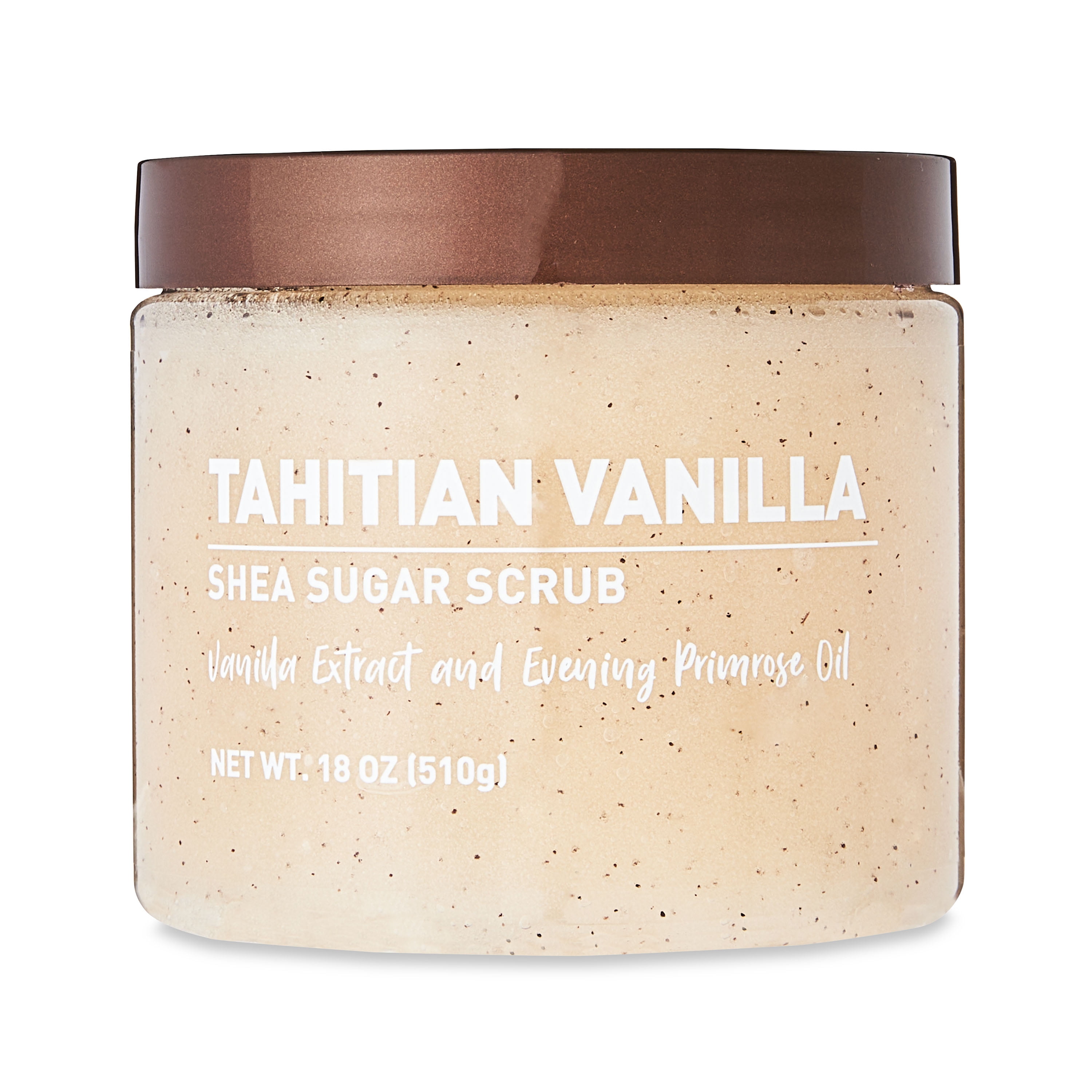
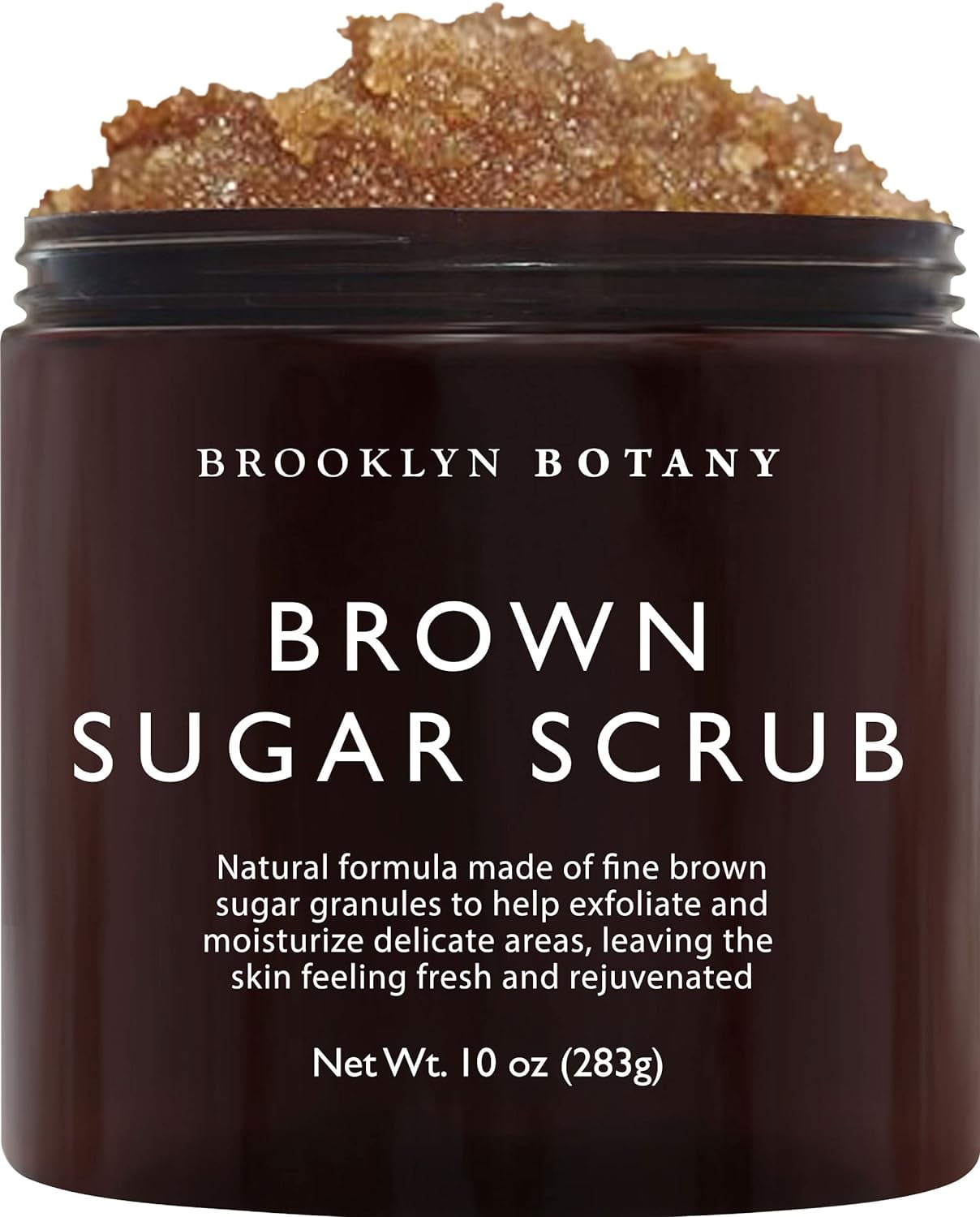
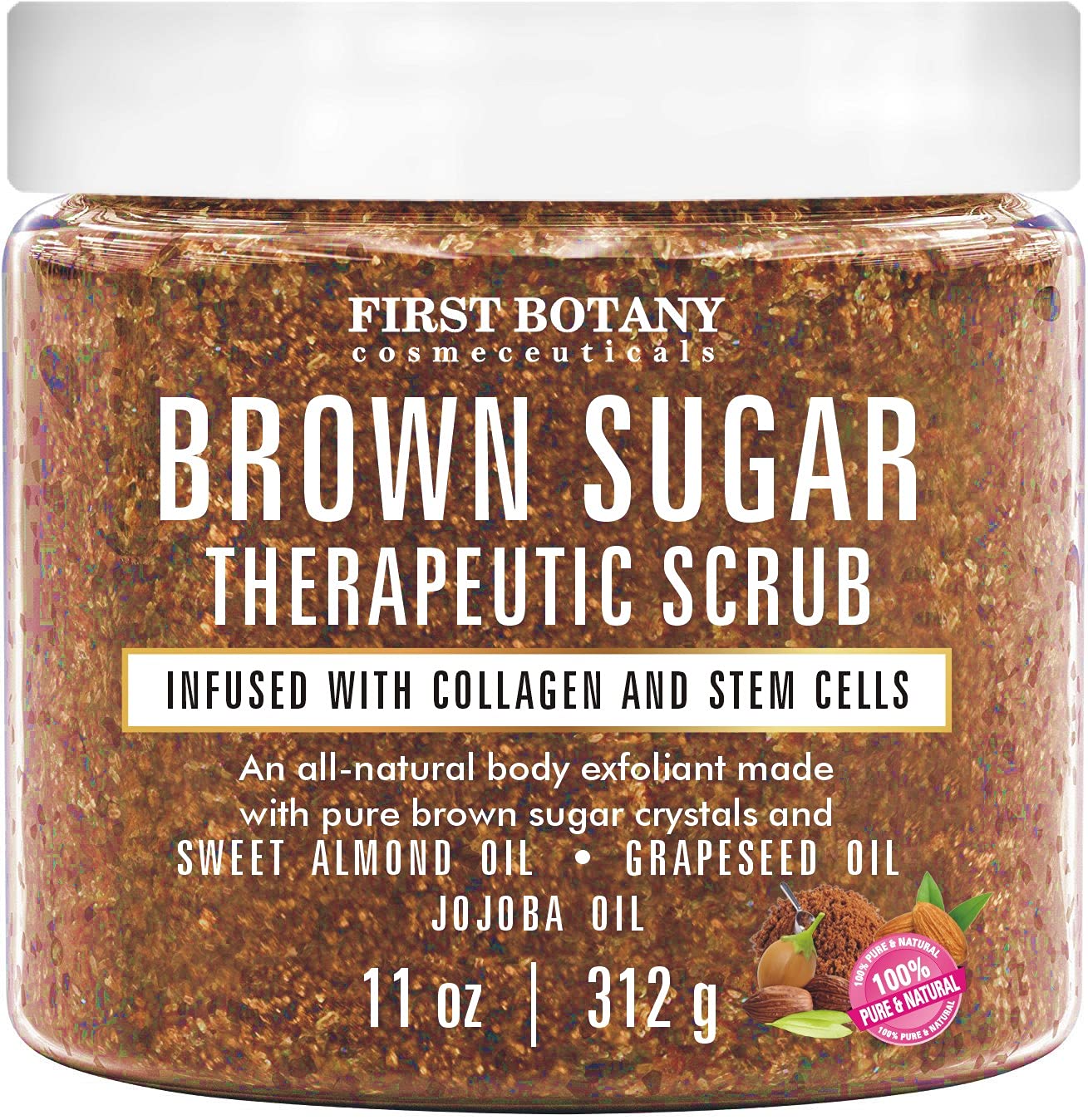
Selecting the best sugar scrub for the face requires understanding how physical exfoliants interact with delicate facial skin. Unlike body scrubs, which often feature coarse grains and heavy oils, a facial sugar scrub must utilize finely milled crystals—such as brown sugar or micro-fine white sugar—combined with non-comedogenic emollients to gently buff away dead skin cells without causing micro-tears, irritation, or compromised skin barrier integrity.
Understanding Facial Exfoliation: Chemical Versus Physical Scrubs
Exfoliation is a foundational step in modern skincare routines, designed to accelerate cellular turnover, clear pore congestion, and enhance the absorption of subsequent serums and moisturizers. Broadly speaking, exfoliation falls into two categories: chemical and physical.
Chemical exfoliants utilize acids—such as alpha-hydroxy acids (AHAs) like glycolic and lactic acid, or beta-hydroxy acids (BHAs) like salicylic acid—to dissolve the intercellular glue holding dead skin cells to the stratum corneum. These ingredients work uniformly across the surface and deep within pores, making them well-suited for acne-prone or congested skin.
Physical exfoliants, conversely, rely on manual friction to slough off dead cells. While traditional physical scrubs have historically earned a poor reputation due to jagged, irregular abrasives like crushed walnut shells or apricot kernels, sugar represents a distinct mechanical option. Sucrose naturally contains glycolic acid, and its granules are water-soluble. As you massage a sugar scrub onto damp skin, the crystals gradually dissolve, softening in texture and naturally limiting the duration and intensity of the friction applied to the epidermis.
Key Characteristics of the Best Sugar Scrub for Face
When evaluating commercial or DIY facial sugar scrubs, several critical criteria dictate whether a formula is safe and effective for facial skin:
- Crystal Particle Size: Facial scrubs must use micro-fine sugar grains. Large granules designed for legs or elbows can easily tear the delicate facial barrier.
- Emollient and Humectant Base: Sugar is a humectant, drawing moisture into the skin. A quality formulation pairs this with nourishing carrier oils (such as jojoba oil, squalane, or grapeseed oil) or soothing agents like honey and glycerin to prevent stripping.
- Absence of Irritants: The best formulations avoid synthetic fragrances, drying alcohols, and essential oils that can trigger contact dermatitis or exacerbate conditions like rosacea and eczema.
- pH Balance: Physical scrubs do not inherently possess a specific pH, but the overall product formulation should remain skin-friendly, typically between 4.5 and 5.5, to protect the acid mantle.
Comparing Facial Exfoliation Methods
| Exfoliant Type | Primary Mechanism | Best Suited For | Potential Risks |
|---|---|---|---|
| Micro-Fine Sugar Scrub | Manual buffing + natural glycolic acid | Normal, combination, and dry skin | Over-exfoliation, micro-tears if granules are too large |
| AHA Chemical Exfoliant | Enzymatic/acidic dissolution of bonds | Sun-damaged, dry, or mature skin | Increased UV sensitivity, chemical stinging |
| BHA Chemical Exfoliant | Oil-soluble pore penetration | Oily, acne-prone, and congested skin | Drying, irritation, peeling if overused |
| Enzyme Powder Scrub | Gentle protein breakdown (papain, bromelain) | Sensitive and reactive skin | Short shelf-life once activated, mild efficacy |
Ingredients to Look For and Avoid
The efficacy and safety of a facial sugar scrub depend heavily on its secondary ingredients. Formulators often blend sugar with botanical extracts and oils to target specific skin concerns.
Beneficial Supporting Ingredients
- Jojoba Oil: Mimics the skin’s natural sebum, providing deep hydration without clogging pores or triggering breakouts.
- Honey: Acts as a natural humectant and antibacterial agent, soothing inflammation and supporting skin healing.
- Glycerin: Draws ambient moisture into the outer layers of the skin, preventing transepidermal water loss during the scrubbing process.
- Green Tea Extract: Delivers potent polyphenol antioxidants that neutralize free radicals and calm redness.
Ingredients to Avoid
- Synthetic Fragrances: Artificial perfumes are among the leading causes of cosmetic-induced contact dermatitis.
- Walnut Shells or Fruit Pits: These ingredients feature jagged, irregular edges that create microscopic lacerations in the skin barrier.
- Denatured Alcohol: Strips natural oils rapidly, leading to rebound oil production and compromised barrier function.
Step-by-Step Guide to Safe Facial Scrubbing
Using a sugar scrub incorrectly can lead to irritation, redness, and inflammation. Follow these steps to maximize benefits while protecting your skin barrier:
- Cleanse First: Never apply a scrub to dirty skin. Remove makeup, sunscreen, and surface impurities with a gentle, hydrating cleanser.
- Keep Skin Damp: Apply the scrub to thoroughly wet skin. Water helps dissolve the sugar crystals prematurely, softening their edges and reducing friction.
- Use Featherlight Pressure: Let the weight of your fingers guide the product. Do not press down or scrub aggressively. Limit the massage to 30 to 60 seconds.
- Rinse with Lukewarm Water: Ensure all sugar residue and carrier oils are thoroughly rinsed away using lukewarm—never hot—water.
- Lock in Moisture: Immediately follow with a restorative moisturizer or hydrating serum to reinforce the lipid barrier.
Frequency Recommendations by Skin Type
- Dry and Normal Skin: 1 to 2 times per week.
- Combination Skin: 1 time per week, focusing primarily on the T-zone (forehead, nose, and chin).
- Sensitive, Acne-Prone, or Rosacea-Prone Skin: Avoid physical scrubs entirely or consult a dermatologist, as manual friction can rupture pustules and worsen vascular inflammation.
Common Mistakes and Troubleshooting
Even with a high-quality product, improper usage habits can undermine your skincare goals.
- Mistake: Scrubbing Daily. Daily physical exfoliation strips the stratum corneum, leading to chronic inflammation, sensitivity, and increased vulnerability to UV damage. Limit usage to a maximum of twice weekly.
- Mistake: Using Body Scrubs on the Face. Body formulations contain coarser crystals and heavy, pore-clogging butters (such as heavy coconut oil) that frequently trigger breakouts when applied to facial skin.
- Mistake: Skipping Sun Protection. Freshly exfoliated skin is acutely sensitive to ultraviolet radiation. Always apply a broad-spectrum sunscreen with an SPF of 30 or higher during daylight hours after exfoliating.
Frequently Asked Questions
Can I use a body sugar scrub on my face?
No. Body sugar scrubs typically feature larger, coarser sugar crystals and heavier oils that can damage delicate facial skin and clog facial pores. Always use a product specifically formulated and tested for facial use.
Is brown sugar better than white sugar for the face?
Brown sugar is generally softer and finer than granulated white sugar due to the presence of molasses, making it gentler and less abrasive on facial skin. However, the overall formulation and crystal milling process matter more than the raw sugar type.
Can sugar scrubs help with acne?
Sugar scrubs can remove dead surface skin cells that contribute to clogged pores, but they should be avoided on active, inflamed, or cystic acne. Manual friction can rupture pustules, spreading bacteria across the face and worsening scarring.
How often should I use a facial sugar scrub?
Most skin types benefit from physical exfoliation no more than once or twice a week. If you experience redness, stinging, or tightness after use, reduce your frequency or discontinue the product.
Can I make a DIY sugar scrub for my face?
While DIY scrubs using kitchen ingredients like sugar and olive oil are popular, they often lack proper preservatives (risking bacterial growth), feature inconsistently sized granules, and miss balanced pH levels. Commercial formulations provide better quality control and skin safety.
Final Recommendations
When integrating the best sugar scrub for your face into your regimen, prioritize formulas with micro-fine sucrose crystals, nourishing non-comedogenic oils, and zero synthetic fragrances. Always patch-test new products on your inner forearm before facial application, and listen to your skin's feedback. If irritation occurs, scale back your exfoliation routine and focus on barrier repair with ceramides and hyaluronic acid.