A rebuilt transmission can be as reliable as a new factory-produced unit, provided the rebuild process follows strict technical standards, replaces all critical wear components, and uses high-quality parts. Reliability is determined less by the inherent nature of a "rebuild" and more by the specific methodology of the technician, the quality of the internal components installed, and the integrity of the subsequent testing phase.
Understanding the Rebuild Process vs. Replacement
When a vehicle's transmission fails, the owner typically faces a choice between buying a brand-new unit from the manufacturer, purchasing a remanufactured unit, or opting for a rebuild. Understanding the differences is critical for determining long-term reliability.
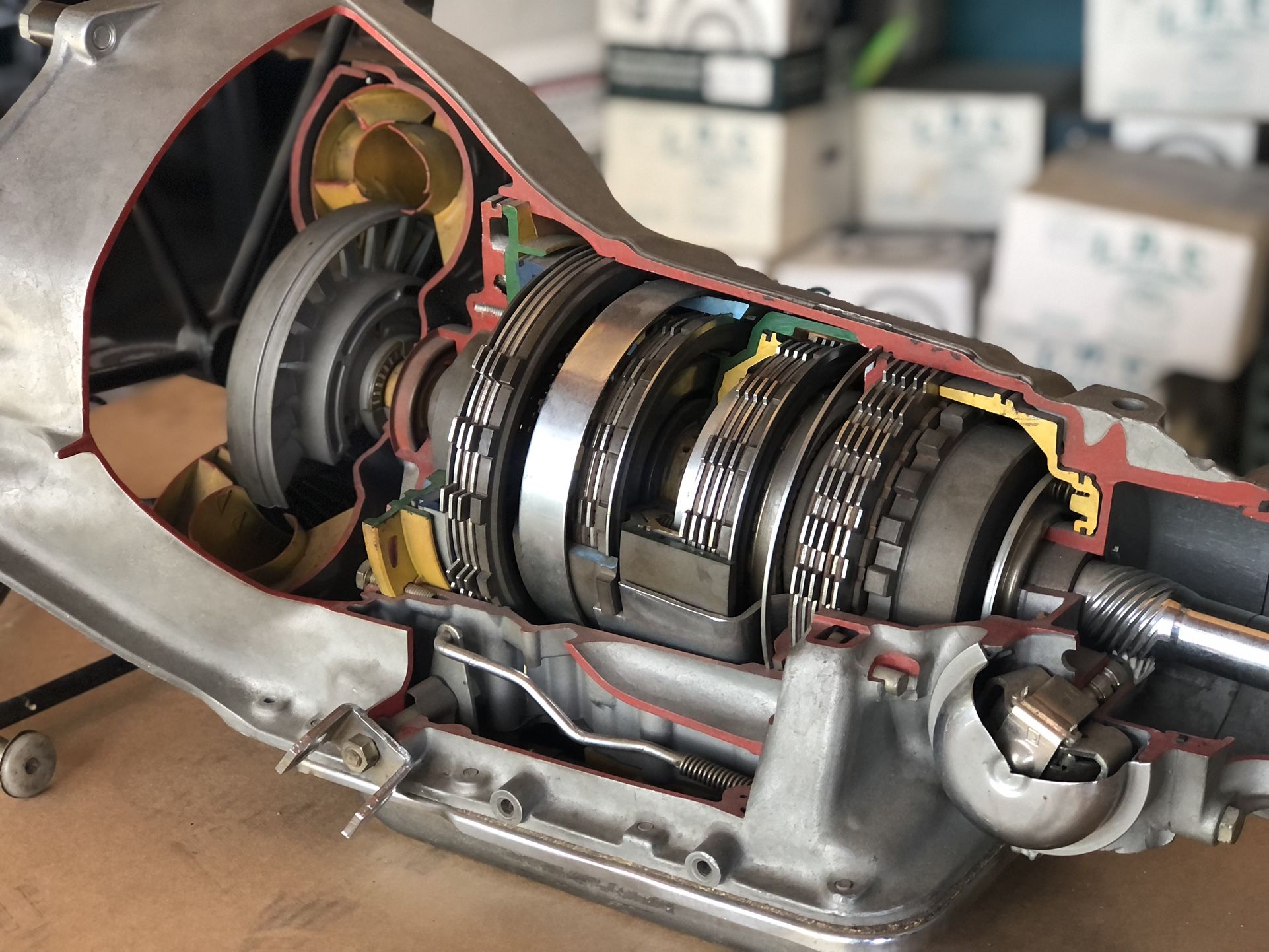
A "rebuild" specifically refers to the process of disassembling an existing transmission, cleaning all components, and replacing only those parts that show signs of significant wear or failure. In contrast, a "remanufactured" transmission is usually built in a factory setting where all internal components are brought to a standardized specification, often replacing high-mortality parts like clutches, bands, and seals regardless of their condition.
A rebuilt transmission is highly reliable if the technician performs a complete "master kit" installation. This includes replacing all friction materials, seals, gaskets, and solenoids. If a shop only replaces the specific failed component—often called a "patch job"—the remaining aged parts will likely cause a secondary failure in the near future. Reliability is contingent upon the shop’s commitment to restoring the transmission to its original design specifications, not just making it functional again.
The Role of Quality Components in Reliability
The internal environment of an automatic or manual transmission is punishing. Components are subjected to extreme heat, high pressure, and constant friction. Reliability hinges on the quality of the parts used during the rebuild.
Critical Components for Longevity
- Friction Materials: High-quality clutch packs and bands are essential. Cheap aftermarket friction discs often lack the heat dissipation properties of OEM (Original Equipment Manufacturer) components, leading to premature slippage and degradation.
- Seals and Gaskets: Modern transmissions utilize complex hydraulic circuits. A single degraded seal can cause a pressure leak that leads to shifting delays or total gear loss. A reliable rebuild uses a complete overhaul kit that includes every seal, O-ring, and gasket.
- Valve Body and Solenoids: In electronic transmissions, the valve body acts as the "brain." If the solenoid blocks are not tested or replaced, the transmission may suffer from erratic shifting, even if the mechanical gears are sound.
- Torque Converter: A transmission is only as reliable as its torque converter. If the old converter is not properly flushed or rebuilt, contaminated fluid or debris from the previous failure will circulate through the newly rebuilt unit, causing immediate internal damage.
Common Myths Regarding Rebuilt Transmissions
There is a pervasive belief that a rebuilt unit will never match the lifespan of a factory-new transmission. While it is true that a poor-quality rebuild will fail quickly, modern diagnostic equipment and specialized rebuilding techniques have significantly closed the gap in reliability.
One major myth is that "used" transmissions are a safer alternative to rebuilds. A used unit from a salvage yard is a complete unknown. It lacks the benefit of a professional inspection, and the internal state of its clutches and seals remains a mystery. A rebuilt transmission provides a controlled environment where the internal state has been verified by a professional, often backed by a warranty that a salvage yard part cannot provide.
Another myth is that rebuilding a transmission with high mileage is impossible or unwise. While extremely high-mileage cases might have housing wear that makes rebuilding difficult, most modern transmission housings are robust. As long as the aluminum casting is not cracked or warped, the internal "guts" can be replaced to restore the unit to "like-new" operational status.
Factors Influencing Reliability and Lifespan
The lifespan of a rebuilt transmission is governed by three primary variables: the expertise of the technician, the operating environment of the vehicle, and post-rebuild maintenance.
Technician Expertise and Shop Integrity
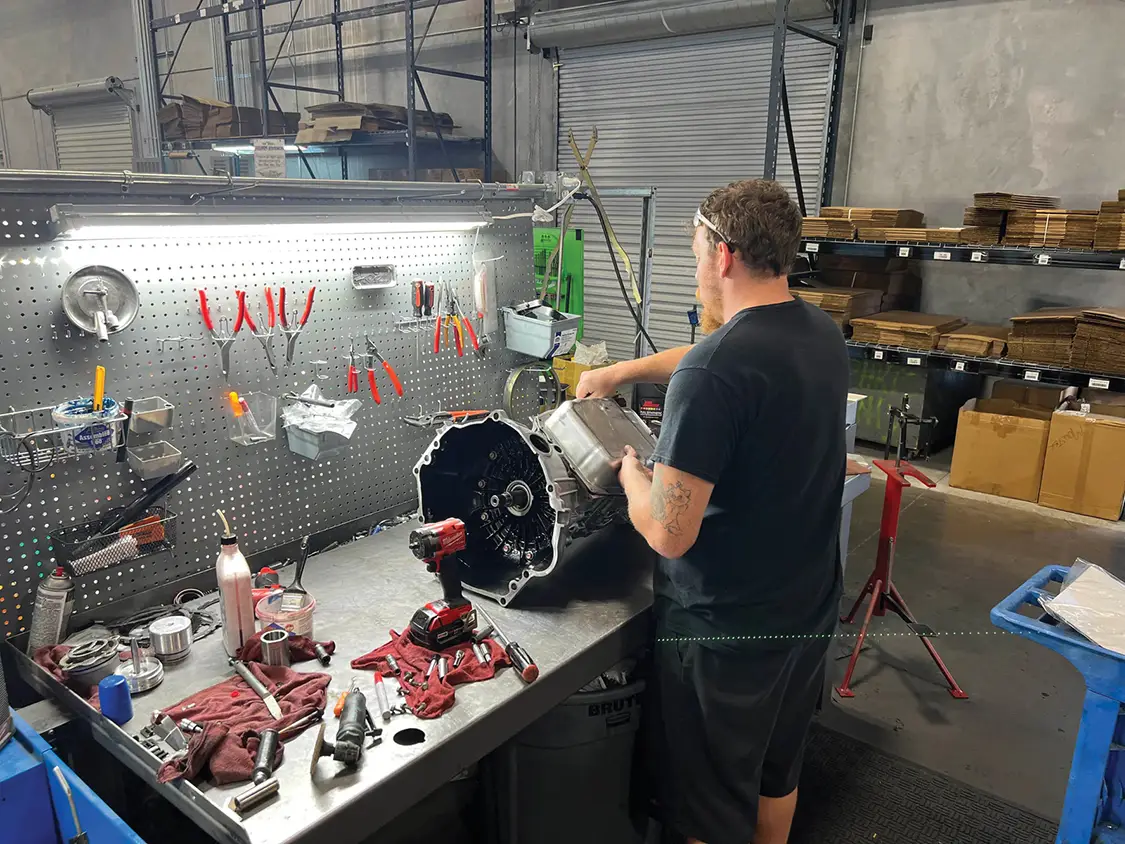
A transmission is a complex mechanical system involving hydraulic, electrical, and mechanical engineering. A technician must correctly calibrate line pressures and ensure that the end-play (the movement of shafts within the housing) is within the manufacturer's specific tolerance. If these clearances are off by even a few thousandths of an inch, the transmission will generate excessive heat and wear out prematurely.
Operating Environment and Use Case
A transmission rebuilt for a daily driver that spends time in stop-and-go traffic will have different cooling requirements than one used for towing or heavy hauling. A reliable rebuild shop will often add an auxiliary transmission cooler to extend the life of the fluid and, by extension, the transmission. If the transmission is used for heavy work, the rebuild must reflect that with upgraded parts, such as increased clutch counts or a high-performance torque converter.
Post-Rebuild Maintenance
The "break-in" period is vital. Most reputable shops mandate a fluid and filter change after the first 500 to 1,000 miles. This is because small amounts of debris may dislodge during the initial run-in of new friction surfaces. Neglecting this maintenance is the most common reason a perfectly rebuilt transmission suffers an early failure.
Comparative Overview of Transmission Solutions
| Solution | Reliability Potential | Cost Basis | Warranty Coverage |
|---|---|---|---|
| New OEM Unit | Highest (Factory Certified) | Very High | Standard Manufacturer |
| Remanufactured | High (Factory Standardized) | High | Extended (Usually 2-3 years) |
| Professional Rebuild | High (Technician Dependent) | Moderate | Shop Dependent (1-2 years) |
| Used Transmission | Low (High Risk) | Low | Limited or None |
Expert Guidance for Ensuring a Reliable Rebuild
If you decide to proceed with a rebuild, your choice of shop is the single most important factor. Follow these steps to ensure you are getting a reliable service:
- Request a Detailed Estimate: A professional shop should list every part being replaced. Beware of quotes that simply say "transmission repair" without detailing the inclusion of master overhaul kits, torque converter servicing, and electronic component testing.
- Inquire About Testing Procedures: Ask if the shop uses a valve body vacuum tester or a dynamometer to verify the transmission under load before it is installed in your vehicle.
- Review Warranty Terms: A reliable shop will offer a written warranty. Carefully read what it covers. If a shop only offers a "30-day" warranty, look elsewhere. A solid shop should offer at least 12 months or 12,000 miles.
- Discuss Fluid Standards: Verify that the technician uses the specific fluid mandated by the manufacturer. Using generic "universal" fluids in modern, electronically controlled transmissions is a frequent cause of premature failure.
Frequently Asked Questions
Will a rebuilt transmission drive like a new one?
Yes. If the rebuild is performed correctly, the transmission should perform exactly as it did when the vehicle was new. The shifting should be crisp, and the transmission should operate at the correct temperatures without slipping or hesitating.
How do I know if my transmission needs a rebuild or just a repair?
Minor issues like a leaking seal or a faulty external solenoid can often be fixed without a full rebuild. However, if the transmission fluid contains metal shavings or if the transmission is slipping in multiple gears, the internal clutches are likely failing, and a full rebuild is the only reliable path forward.
How long does a properly rebuilt transmission last?
With proper maintenance, a professional rebuild can last 100,000 miles or more. The longevity is largely determined by how well the cooling system is maintained and whether the vehicle is used within its design parameters.
Is it cheaper to rebuild or buy a new transmission?
In almost all cases, a rebuild is more cost-effective than buying a new OEM unit, which can often cost several thousand dollars more due to the price of the factory-new casting and shipping logistics.
What causes a rebuilt transmission to fail prematurely?
The most common causes are overheating due to a clogged cooler, failing to perform the post-rebuild fluid change, or the use of low-quality, non-OEM internal components that cannot handle the vehicle's torque output.
Final Recommendation: Verification and Maintenance
A rebuilt transmission is a highly viable, reliable, and cost-effective alternative to a new unit, provided you move away from the mindset of "fixing the problem" and toward "restoring the system." Before selecting a shop, confirm they have specific experience with your vehicle's transmission model, as some units have known design flaws that require specific updates or "shift kits" to ensure they outlast the original factory unit.
Once the rebuild is complete, treat the vehicle to a strict maintenance schedule. Never skip fluid changes, and ensure the cooling system is inspected annually. By treating a rebuilt transmission with the same care as a new vehicle component, you can expect long-term, reliable performance that justifies the investment.