A purse is usually not classified as a carry-on bag, but rather as a "personal item." While many passengers use these terms interchangeably, airlines strictly differentiate between the two based on size, storage location, and baggage allowance policies. Understanding these technical distinctions is essential for avoiding unexpected fees at the boarding gate.
The Distinction Between Personal Items and Carry-On Bags
To understand why a purse is not typically considered a carry-on, one must look at the standard definitions used by commercial airlines. Most global carriers categorize passenger luggage into three distinct tiers: checked bags, carry-on bags, and personal items.
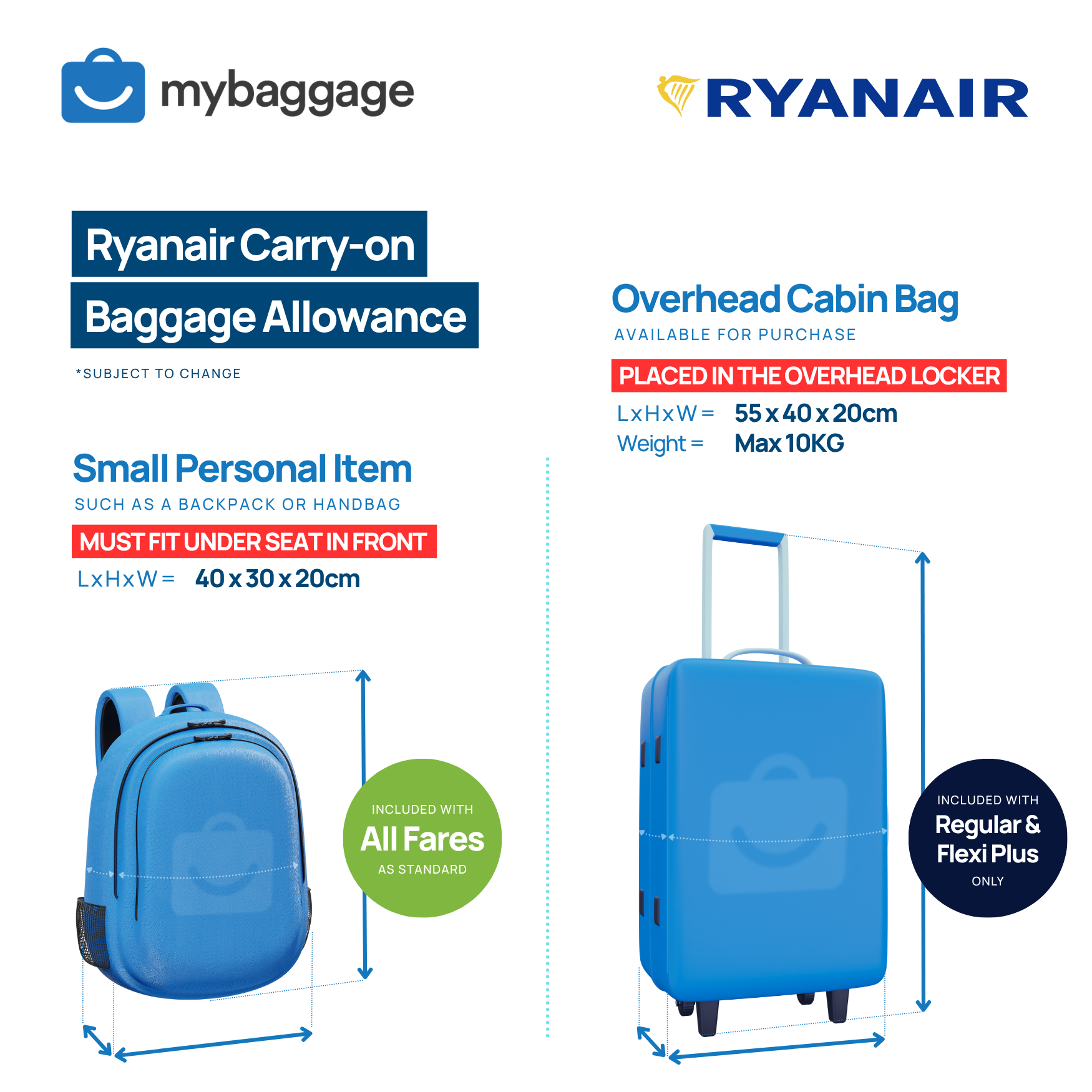
A carry-on bag is intended to be stored in the overhead bin of the aircraft. These bags are subject to specific maximum dimensions—typically around 22 x 14 x 9 inches (56 x 36 x 23 cm)—and weight limits that vary significantly by carrier. Because they occupy limited overhead space, airlines strictly regulate the number and size of these bags allowed in the cabin.
Conversely, a personal item is designed to be stored underneath the seat directly in front of the passenger. This category is intended for smaller essentials, such as a purse, a briefcase, a laptop bag, or a small backpack. Because a personal item does not infringe upon the overhead bin capacity, it is almost universally granted as an additional allowance alongside a carry-on bag or, in the case of basic economy tickets, as the sole allowance.
Analyzing Size Constraints and Requirements
The primary reason for the classification of a purse as a personal item is its footprint. Airlines establish these categories to ensure that every passenger has a safe and accessible place to stow their belongings during takeoff and landing.
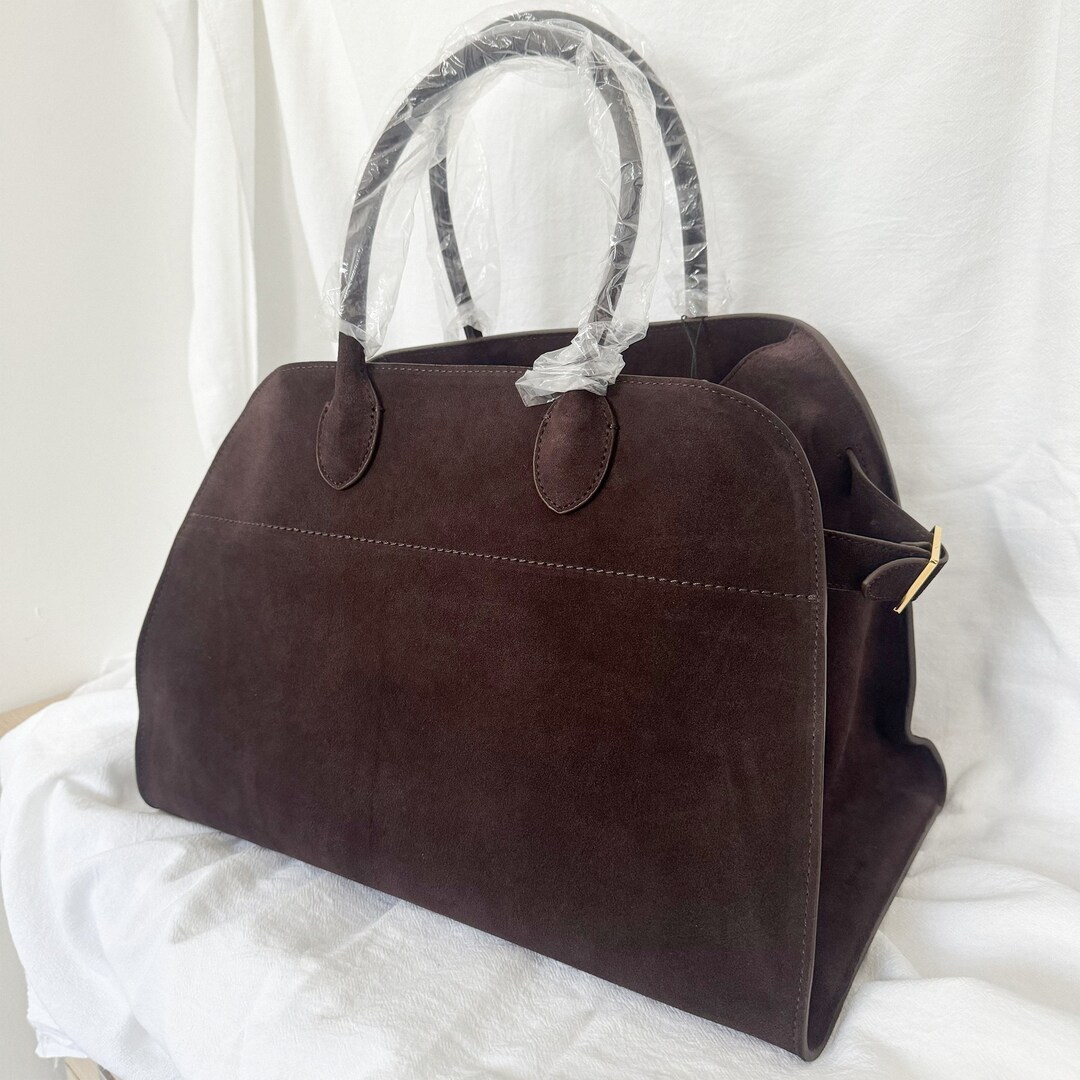
If a purse is exceptionally large—for example, an oversized tote or a travel-sized duffel that exceeds the dimensions allowed for under-seat storage—the airline may reclassify it as a carry-on bag. If you have already reached your carry-on allowance, an oversized purse can result in being forced to check the bag, often incurring a significant fee at the gate.
To ensure your purse qualifies as a personal item, consider the following technical constraints:
- Footprint: The bag must be small enough to fit completely under the seat in front of you.
- Accessibility: You should be able to retrieve the bag without blocking the aisle or interfering with the safety of other passengers.
- Flexibility: Unlike structured carry-on suitcases, personal items like purses are often soft-sided, allowing them to be compressed into tighter spaces if necessary.
Airline Baggage Policies: A Comparative Overview
Baggage policies are not universal. While major legacy carriers generally follow similar standards, low-cost carriers (LCCs) often impose much stricter rules to monetize their overhead bin space. In 2026, the trend of unbundling fares remains a standard practice, where the lowest-priced tickets often limit passengers to only one personal item.
The following table illustrates the typical classification of baggage categories across different carrier types.
| Baggage Category | Typical Location | Standard Purpose | Included in Basic Fare? |
|---|---|---|---|
| Personal Item | Under seat | Purse, laptop, medications | Usually |
| Carry-On Bag | Overhead bin | Clothing, bulky items | Varies by carrier |
| Checked Bag | Cargo hold | Heavy or oversized items | Rarely |
Note: Always consult your specific airline’s website, as these definitions are subject to change based on the aircraft type and the specific ticket class purchased.
The "Gate Check" Risk: Why Classification Matters
The conflict between a purse and a carry-on bag usually arises at the boarding gate. When a gate agent observes a passenger carrying a suitcase (carry-on) and a large purse (personal item) that appears to be the size of a carry-on, they may perform a visual assessment.
If the agent determines that your purse is too large to fit under the seat, they will require you to treat it as your primary carry-on. If you have already brought a standard carry-on suitcase, you will be forced to check one of the two bags. In 2026, gate-check fees are often higher than pre-paid checked bag fees, making this a costly error.
To avoid this, use a "sizers" box if provided at the airport. These metal frames, located near the gate or check-in counters, match the exact dimensions allowed for personal items. If your purse fits easily into the frame, it is officially classified as a personal item, regardless of its weight.
Packing Strategy for Efficient Travel
Mastering the use of your personal item is a key skill for frequent travelers. Because a purse is not a carry-on, it represents "bonus" packing space that does not count toward your overhead bin quota.
- Strategic Weight Distribution: Place your heaviest, densest items in your personal item. Since these items are kept under the seat, they do not need to be lifted into the overhead bins, reducing the risk of strain and allowing for faster boarding.
- Essential Access: Use your purse to store items you will need during the flight, such as passports, electronics, charging cables, medications, and reading material. Storing these in a carry-on in the overhead bin creates unnecessary congestion during the flight.
- The Layering Approach: If you are traveling with a very large purse, try to keep it slightly under-filled. An overstuffed purse is rigid and less likely to fit under a seat, whereas a moderately filled bag can be squeezed into irregular spaces.
Common Mistakes and How to Avoid Them
The most common mistake is assuming that "purse" is a protected term. Airlines define baggage by dimensions, not by name. A "purse" that is 24 inches long is, to an airline, a large piece of luggage, not a small personal item.
Another frequent error is packing items that should be in a checked bag into a purse. For example, large quantities of liquids or prohibited items (such as certain tools or sporting equipment) will be flagged at security checkpoints. Being forced to remove these items at the TSA checkpoint will cause significant delays and may force you to discard items if they do not fit in your permitted bags.
Related Frequently Asked Questions
Can I carry both a purse and a carry-on bag? Yes, most airlines allow one carry-on bag and one personal item. Since a purse is almost always classified as a personal item, you can typically carry both. However, always verify the specific policy for your airline and ticket class, as some ultra-low-cost carriers may charge extra for a carry-on bag.
What happens if my purse is considered too large? If your purse exceeds the dimensions for a personal item, the airline may require you to count it as your carry-on bag. If you already have a carry-on, you will be required to check one of the items. This may result in a fee, depending on your fare class.
Does a laptop bag count as a personal item? Yes, most airlines classify a dedicated laptop bag as a personal item. If you carry a purse and a laptop bag, some airlines may consider this as two personal items, which is generally not permitted. It is often better to place your laptop inside your purse or a larger carry-on to remain within the "one personal item" limit.
Are there weight limits for a purse? While airlines rarely weigh personal items, they do have a general limit for total cabin baggage. If your purse is exceptionally heavy, it may draw the attention of ground staff. Keep the weight reasonable, generally under 10–15 pounds, to avoid suspicion.
Do duty-free items count toward my baggage allowance? Policies vary. Many airlines allow duty-free shopping bags in addition to your standard carry-on and personal item. However, this is at the discretion of the carrier and should be confirmed at the gate if you plan on carrying multiple shopping bags.
Next Steps for Your Journey
Before your next flight, take a few minutes to visit your airline's official website and locate the "Baggage Information" or "Carry-on Policy" section. Review the specific dimensions for personal items. If you frequently travel with a large handbag, measure it empty and compare those dimensions to the airline’s maximum allowance. If it is close to the limit, consider a smaller, more flexible bag to ensure your journey is seamless and free of unexpected gate-check charges.