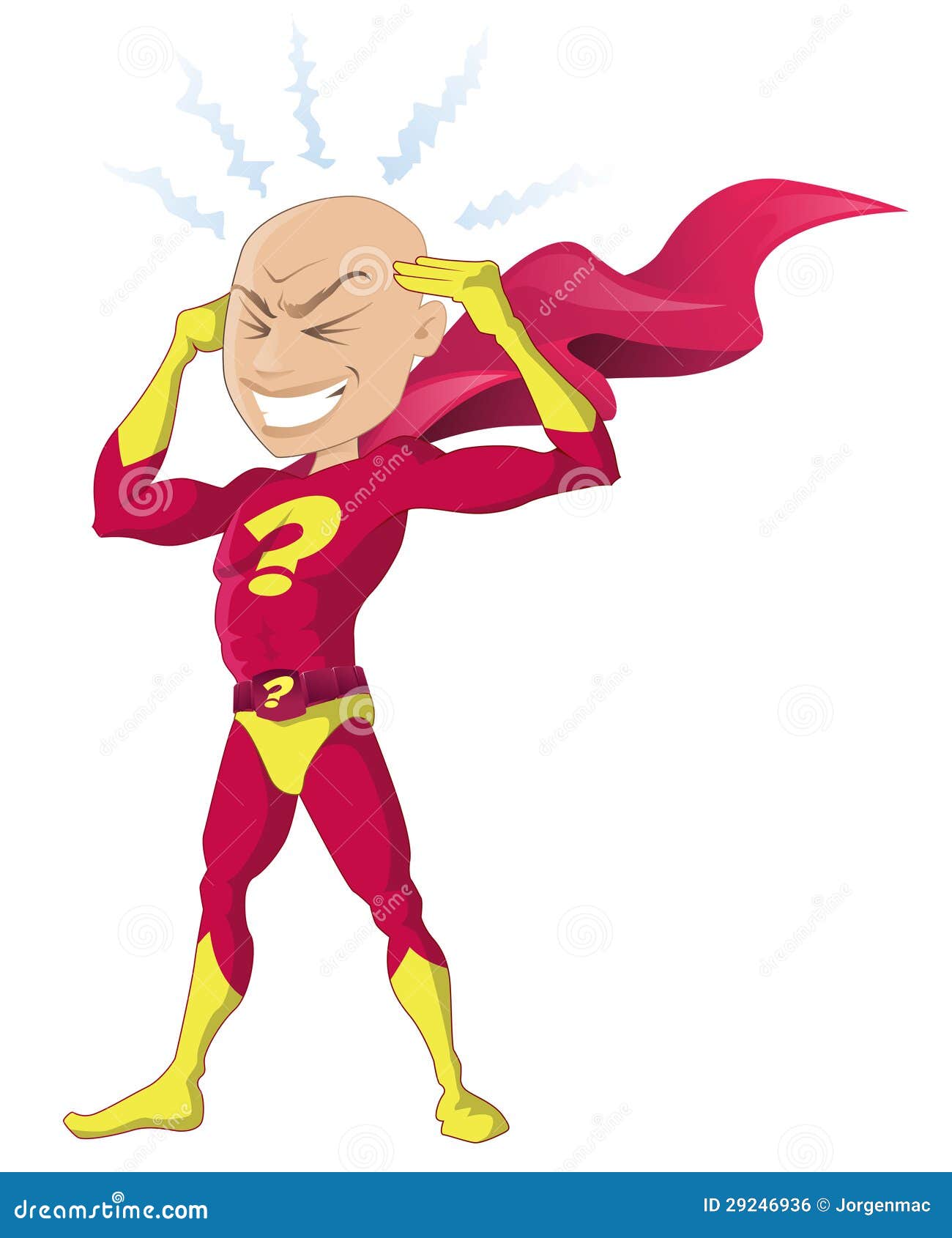
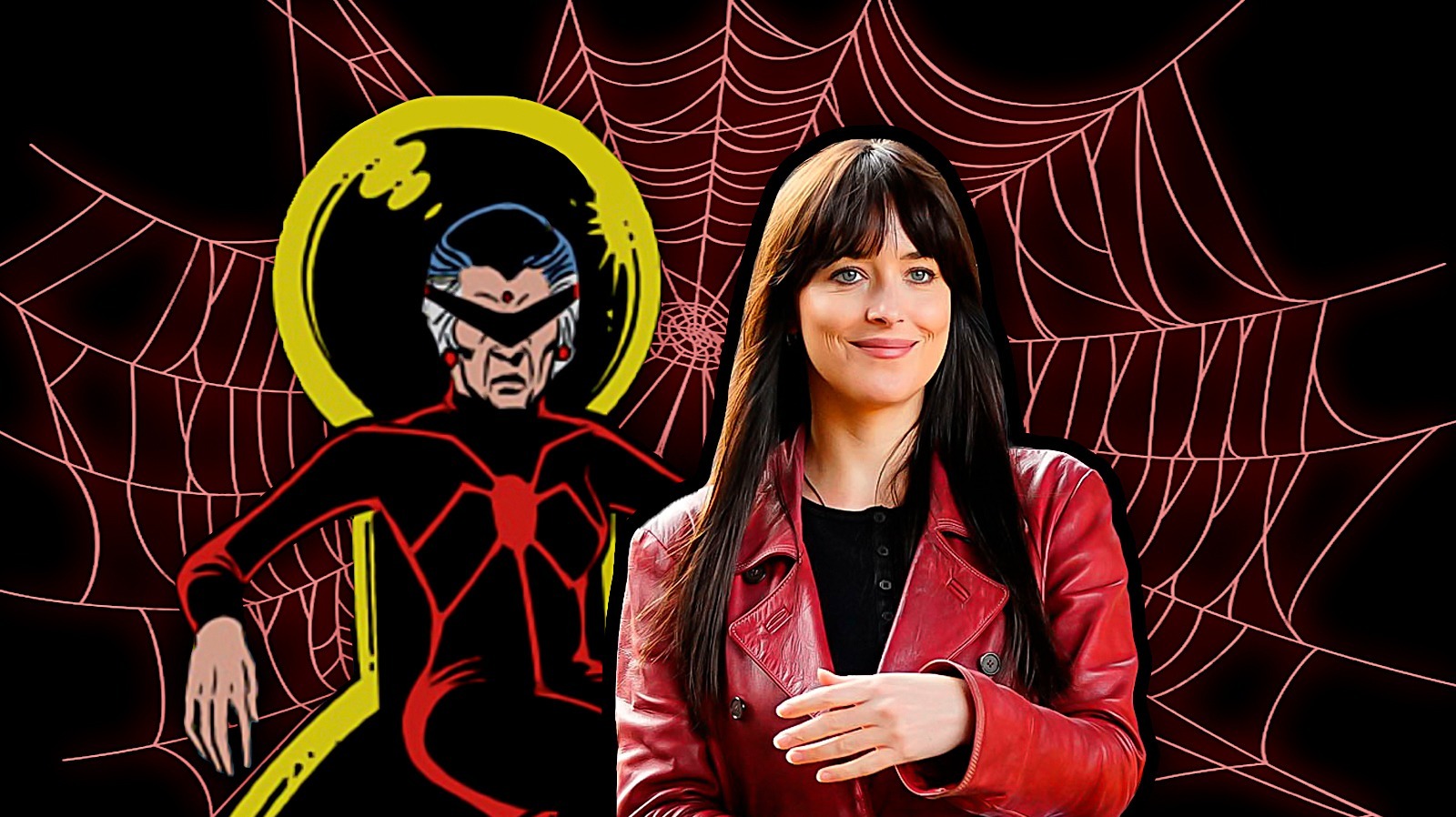
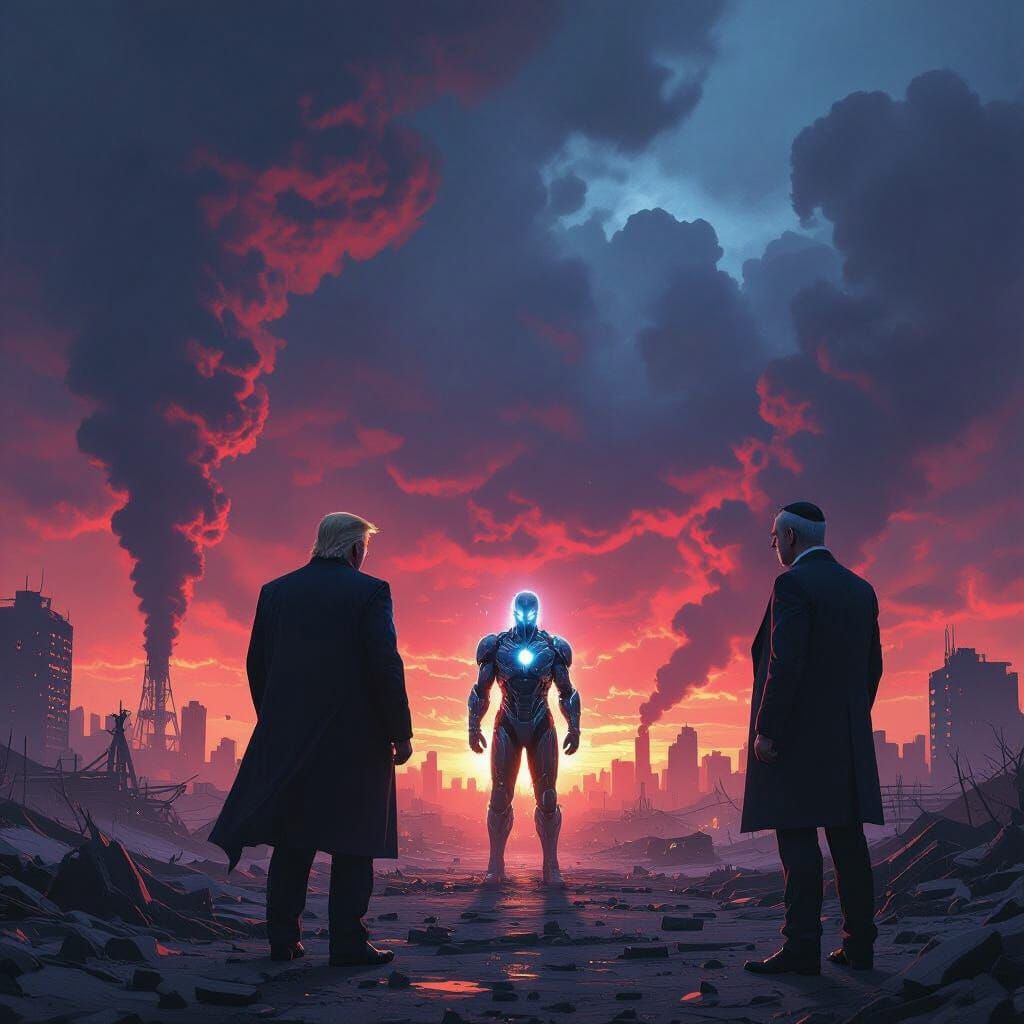
When a psychic superhero emerges in contemporary storytelling, it represents a fundamental shift in the power dynamics of the genre, moving away from physical dominance toward the complexities of mental agency and internal conflict. This character archetype forces both the protagonist and the audience to navigate the moral gray areas of cognitive intrusion, the weight of involuntary foresight, and the psychological burden of sensing the thoughts of others.
Defining the Psychic Superhero Archetype
In the landscape of 2026 media, the psychic superhero has evolved from a supporting character—often the "glass cannon" or the mentor figure—into a central protagonist. Unlike the traditional hero defined by super-strength or tactical gear, the psychic hero operates primarily within the conceptual space of the human mind. The emergence of such a character is typically defined by a triad of abilities: telepathy (reading or projecting thoughts), telekinesis (physical manipulation via mental focus), and precognition (perceiving future events).
The primary differentiator for this archetype is the lack of "armor." A hero who can move mountains or lift trucks is physically resilient, but the psychic hero remains essentially human in their vulnerability. This physical fragility necessitates a reliance on intellect, emotional intelligence, and proactive manipulation of one’s environment. As this archetype emerges in a narrative, the stakes transition from physical destruction to the protection of autonomy and the preservation of truth.
The Mechanisms of Psychic Ability in Fiction
To understand how a psychic superhero functions, one must distinguish between "active" and "passive" mental powers. Writers and creators typically employ these mechanics to drive narrative conflict:
- Telepathic Intrusion: This is the most complex mechanic, as it raises ethical questions regarding privacy and consent. An emerging hero must decide when it is acceptable to "read" an adversary or a companion.
- Psychokinetic Feedback: Many narratives impose a cost on the hero for using their powers, such as physical exhaustion, nosebleeds, or sensory overload. This balances the immense tactical advantage of telekinesis with a realistic, grounding limitation.
- The Precognitive Dilemma: Perhaps the most taxing ability, precognition, presents the classic "determinism vs. free will" conflict. Does the hero see a singular, unchangeable future, or are these visions merely probabilistic warnings?
Narrative Prerequisites: Why They Emerge Now
The current cultural appetite for the psychic superhero reflects a broader fascination with mental health, cognitive privacy, and the influence of information technology on the human experience. In a world where personal data is constantly monitored, the psychic hero acts as a metaphor for the struggle to maintain internal borders.
When a story introduces such a character, it often follows a specific structural pattern:
- The Awakening: The hero realizes their difference, usually accompanied by sensory overload.
- The Struggle for Control: A period of isolation or training where the protagonist learns to filter out external "noise."
- The Ethical Threshold: The point at which the hero must decide whether to use their powers for personal gain, public safety, or to challenge systemic corruption.
Comparative Analysis: The Psychic vs. The Physical Hero
The following table breaks down the differences between the traditional physical archetype and the psychic archetype in terms of narrative strategy and tactical application.
| Feature | Physical Superhero | Psychic Superhero |
|---|---|---|
| Primary Strength | Kinetic/Mechanical | Cognitive/Informational |
| Primary Weakness | Physical Damage/Containment | Sensory Overload/Ethical Drains |
| Common Narrative Arc | Overcoming impossible odds | Resolving complex moral dilemmas |
| Engagement Style | Direct confrontation | Subterfuge and prevention |
| Visibility of Power | High (Explosive/Visible) | Low (Subtle/Hidden) |
Ethical Implications and Moral Hazards
The primary conflict for a psychic superhero is rarely the villain's strength; it is the erosion of their own humanity. If one can read minds, the temptation to manipulate or "fix" the world becomes overwhelming. Narratives that successfully explore this archetype focus on the hero’s adherence to a self-imposed moral code.
For instance, does the hero have the right to alter the memories of a criminal to prevent a crime? Does telepathically sensing a lie negate the need for justice? These questions turn the superhero story into an exploration of philosophy and ethics. The emergence of a psychic character effectively forces the supporting cast to become more suspicious, creating a dynamic where the hero is often feared even by those they protect.
Troubleshooting the "Overpowered" Problem
One common critique of the psychic superhero is the risk of the "Deus Ex Machina"—the tendency for a psychic hero to solve all problems with a mere thought. Writers address this through:
- Mental Shielding: Introducing antagonists or environments (such as lead-lined rooms or high-tech jammers) that neutralize mental interference.
- The Cost of Focus: Requiring deep, meditative states that leave the hero physically vulnerable.
- Moral Limitations: Establishing that the character’s powers are tied to their emotional state. If the hero is angry or fearful, their powers become erratic or destructive.
The Role of Precognition in Storytelling
When the psychic superhero uses precognition, the storytelling shifts from action-oriented to detective-oriented. The goal is no longer to "hit harder" but to "be faster" in an intellectual sense. This introduces the concept of the "Fixed Point" or the "Mutable Future." If the hero can see the future, the drama lies in their attempt to prevent a tragedy that they alone are aware of, often resulting in tragic irony when their interference actually causes the predicted event.
FAQ: Understanding the Psychic Archetype
How does a psychic superhero maintain their sanity? They generally utilize meditation, isolation, or specialized training techniques to "gate" or filter the constant stream of external input. Failure to do so typically results in a mental break, which serves as a common trope for the character's early development.
Is telekinesis always paired with telepathy? Not necessarily. While they are often grouped, modern narrative treats these as distinct skill sets. Some heroes may possess immense physical mental influence (telekinesis) without being able to read thoughts, which changes their tactical approach significantly.
Can a psychic hero be defeated by physical force? Yes. In almost all established lore, the physical body of a psychic hero is as fragile as a normal human’s. Stealth, traps, and speed are effective counters to their mental acuity, provided the hero is caught unaware.
Why are these characters often depicted as loners? The burden of knowing others' private thoughts makes intimate relationships difficult. This trope serves to highlight the loneliness of power and the constant distance between the hero and the humanity they fight to save.
What is the "Mental Block" trope? This is a standard narrative device where a psychic hero is unable to read a specific person or access a specific memory, often due to trauma or a "shield" generated by an antagonist, providing a necessary hurdle to the plot.
How does this archetype impact the genre in 2026? The current trend is toward "grounded" stories where the psychological impact of being a hero is prioritized over the spectacle of battle. This creates more nuanced, character-driven scripts that appeal to audiences looking for emotional resonance.
Final Recommendations for Creators and Enthusiasts
For those looking to analyze or create content featuring a psychic superhero, the focus should remain on the internal cost of the power. Whether writing a screenplay, analyzing literature, or participating in role-playing games, the most compelling moments arise when the character’s greatest strength becomes their most difficult burden.
To explore this archetype effectively, prioritize the "Why" behind the power. Does the character see their ability as a gift or a curse? By anchoring the psychic's mental dominance in a relatable human weakness, you ensure that the emergence of the superhero remains a compelling, character-focused journey rather than a simple exhibition of supernatural force.