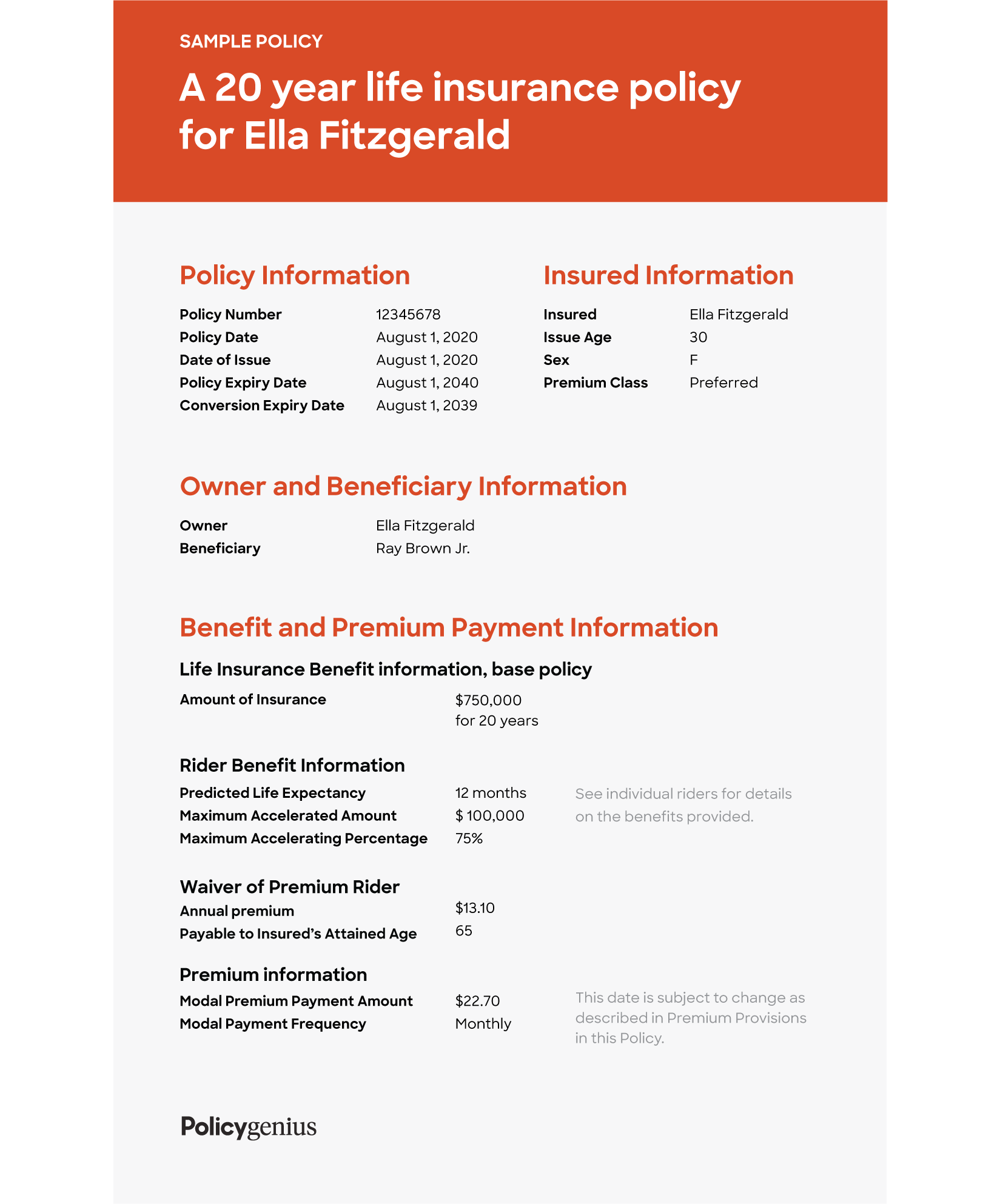
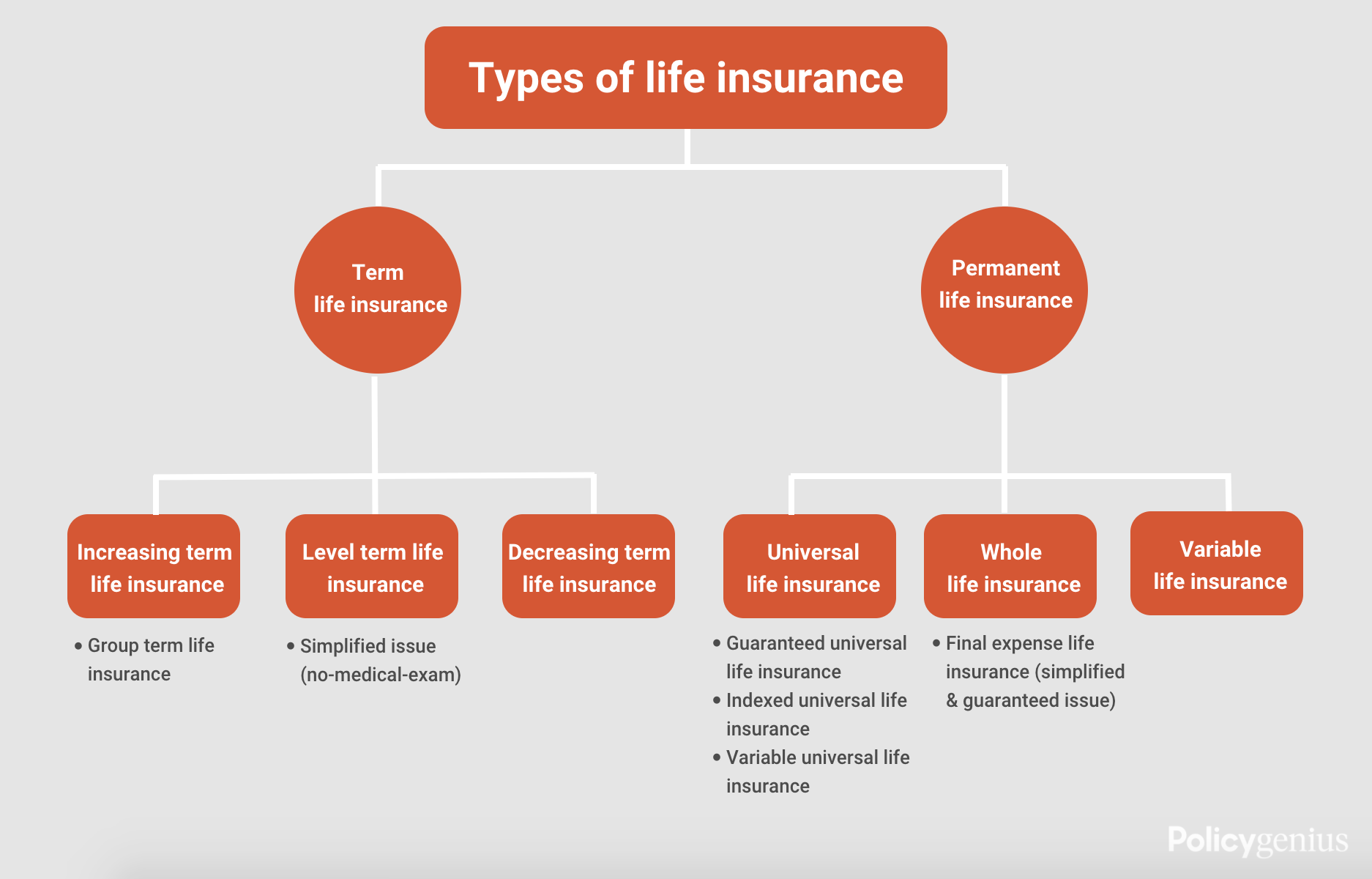
A life insurance policy owner must identify a beneficiary to ensure the death benefit is paid directly to the intended recipients, bypassing the costly and time-consuming probate process. If no beneficiary is named, the proceeds typically default to the insured's estate, where they may be subjected to creditor claims, legal fees, and significant distribution delays.
When you purchase a life insurance policy, you are entering into a legal contract with an insurance carrier. One of the most critical obligations of the policy owner is the clear and unambiguous designation of beneficiaries. While it may seem like a simple administrative task, the way you identify these individuals or entities determines how your legacy is handled and how quickly your loved ones receive financial support. In 2026, with the rise of digital estate planning and complex family structures, understanding the nuances of beneficiary designation is more vital than ever.
The Legal Significance of Beneficiary Designations
In the eyes of the law, a life insurance policy is a non-probate asset. This means that the death benefit is intended to pass "by operation of contract" rather than through a will. Because the contract takes precedence over a will, the names listed on your insurance documents are the final word on who receives the money. If your will says your spouse should get everything, but your life insurance still lists an ex-spouse as the beneficiary, the insurance company is legally obligated to pay the ex-spouse.
Identifying a beneficiary creates a direct path for the transfer of wealth. This bypasses the probate court, which is the legal process of validating a will and settling an estate. Probate can take months or even years, and it often involves public records and high legal fees. By naming a beneficiary, you ensure that the funds are available to your family within weeks, providing the liquidity needed for funeral expenses, mortgage payments, and daily living costs.
Primary vs. Contingent Beneficiaries
When a policy owner identifies beneficiaries, they must categorize them by priority. This structure ensures that the policy remains effective even if the primary recipient is unable to collect the benefit.
Primary Beneficiaries
The primary beneficiary is first in line to receive the death benefit. You can name one person or multiple people. If you name multiple primary beneficiaries, you must specify the percentage of the benefit each person should receive (e.g., 50% to a spouse and 25% to each of two children). It is crucial that these percentages total 100%.
Contingent (Secondary) Beneficiaries
A contingent beneficiary serves as a backup. They receive the death benefit only if all primary beneficiaries have predeceased the insured or are legally unable to accept the funds. Failing to name a contingent beneficiary is a common mistake. If your primary beneficiary dies before you and you have no contingent listed, the policy proceeds will likely default to your estate, triggering the very probate issues you sought to avoid.
Technical Designations: Per Stirpes vs. Per Capita
When identifying beneficiaries, particularly children or grandchildren, policy owners must choose how the money should be distributed if one of those beneficiaries dies before the insured.
- Per Stirpes: This translates to "by the branch." If a named beneficiary dies before the policy owner, their share of the death benefit automatically passes to their own heirs (their children). This is often preferred by those who want to ensure that a specific branch of the family is supported.
- Per Capita: This translates to "by the head." If one of your named beneficiaries dies, their share is vacated and divided equally among the remaining surviving beneficiaries. This is often used when a policy owner wants the money to stay within a specific generation.
Choosing the Right Entity as a Beneficiary
While most people name individuals, a policy owner can identify various entities to receive the proceeds. Each choice carries specific legal and tax implications.
Individuals
The most common choice is a spouse, child, or family member. However, naming individuals directly can be problematic if they are minors or if they have special needs (discussed in detail below).
Trusts
Naming a trust as a beneficiary provides the policy owner with the highest level of control. Instead of a lump sum being paid to an individual, the money goes into the trust, and the trustee distributes it according to your specific instructions. This is ideal for managing how young adults spend their inheritance or for protecting the assets of a beneficiary who struggles with financial management.
Charities
Life insurance is a powerful tool for philanthropy. You can name a registered 501(c)(3) organization as a beneficiary. This often provides the estate with a charitable tax deduction and allows the policy owner to leave a significant legacy to a cause they support.
The Estate
Naming "The Estate" as a beneficiary is generally discouraged. While it might seem like a catch-all solution, it forces the life insurance proceeds into the probate process. This makes the money accessible to creditors who may be seeking payment for the deceased's debts.
Special Considerations for Specific Demographics
The process of identifying a beneficiary is not a "one size fits all" task. Certain situations require specialized legal structures to protect the recipients.
Minor Children
In 2026, insurance companies still cannot legally pay a death benefit directly to a minor. If a minor is named as a beneficiary without a legal guardian or trust in place, the court will appoint a guardian to manage the money until the child reaches the age of majority (usually 18 or 21). This court intervention is expensive and may not align with your wishes. To avoid this, policy owners should use a Uniform Transfers to Minors Act (UTMA) designation or name a Minor’s Trust as the beneficiary.
Special Needs Beneficiaries
If you have a loved one who relies on government assistance, such as Supplemental Security Income (SSI) or Medicaid, a direct life insurance payout could disqualify them from these benefits. To prevent this, policy owners should identify a Special Needs Trust (SNT) as the beneficiary. The trust manages the money to provide for the beneficiary’s "supplemental" needs without impacting their eligibility for state or federal aid.
Community Property States
In states with community property laws (such as California, Texas, and Washington), a spouse may have a legal claim to a portion of the life insurance proceeds if the premiums were paid with "community" funds. If a policy owner in these states wishes to name someone other than their spouse as the primary beneficiary, the spouse may need to sign a formal waiver of their rights.
Comparison of Beneficiary Types and Impact
The following table outlines the practical differences between various beneficiary designations and how they impact the distribution process.
| Beneficiary Type | Speed of Payout | Creditor Protection | Flexibility | Common Use Case |
|---|---|---|---|---|
| Individual (Adult) | High | Generally High | Low | Spouses and adult children. |
| Trust | Moderate | Very High | Very High | Minor children or wealth protection. |
| Minor (Directly) | Very Low | Low | Low | Often a mistake; requires court intervention. |
| Charity | High | N/A | Moderate | Legacy giving and tax planning. |
| Estate | Very Low | None | Low | Generally avoided due to probate. |
Step-by-Step Guide to Identifying a Beneficiary
When you are ready to identify or update your beneficiaries, follow these steps to ensure the process is legally sound and clearly documented.
- Gather Full Legal Information: You will need the full legal name, Social Security Number (SSN), date of birth, and current address of every beneficiary. Providing only a relationship (e.g., "my wife") can lead to disputes if you have been married more than once.
- Determine Percentages: Decide if you want an equal split or a specific tiered distribution. Ensure the primary tier equals 100% and the contingent tier equals 100%.
- Review Existing Legal Documents: Check your will, trust documents, and any divorce decrees. A divorce decree may legally mandate that you maintain a former spouse as a beneficiary for a certain period.
- Use the Proper Forms: Most insurance carriers in 2026 provide secure online portals for beneficiary updates. Ensure you receive a confirmation of the change. Paper forms should be signed, dated, and witnessed if required by the carrier.
- Communicate Your Decision: While not legally required, telling your beneficiaries about the policy and where the documents are located ensures they know how to file a claim when the time comes.
Common Pitfalls in Beneficiary Designation
Even with the best intentions, policy owners often make mistakes that complicate the claim process.
- Naming a "Lifelong" Beneficiary: Many people name a beneficiary when they buy a policy in their 20s and never update it. If the beneficiary dies, gets divorced, or becomes estranged, the policy remains unchanged.
- Vague Descriptions: Using terms like "my children" or "my heirs" is problematic. Does this include stepchildren? Does it include children born after the policy was written? Always use specific names and Social Security Numbers.
- The "Silent" Beneficiary: If you name a trust but fail to actually create the trust, or if you name a person who doesn't know the policy exists, the money may go unclaimed. According to the National Association of Insurance Commissioners (NAIC), billions of dollars in life insurance benefits go unclaimed because beneficiaries are unaware of the policies.
- Assuming a Will Overrides the Policy: As mentioned, the insurance contract is a separate legal entity. A will does not change a life insurance beneficiary in the majority of jurisdictions.
Frequently Asked Questions
Can I change my beneficiary at any time?
In most cases, yes. Most life insurance policies have revocable beneficiaries, meaning the owner can change them without the beneficiary's permission. However, if you have designated an irrevocable beneficiary (often required in divorce settlements or business buy-sell agreements), you cannot change the designation without the written consent of that beneficiary.
What happens if my beneficiary and I die at the same time?
If the insured and the primary beneficiary die simultaneously (or within a very short window, such as 24 to 120 hours, depending on the state's Uniform Simultaneous Death Act), the insurance company usually proceeds as if the primary beneficiary died first. This is why having a contingent beneficiary is critical; the benefit would then flow to the contingent rather than the estate.
Are life insurance payouts to beneficiaries taxable?
Generally, no. According to the Internal Revenue Service (IRS), life insurance death benefits paid to a named beneficiary are typically not included in the recipient's gross income and are not subject to federal income tax. However, any interest earned on the proceeds before they are paid out is taxable. If the benefit is paid to an estate, it may be subject to estate taxes if the total estate value exceeds federal or state thresholds.
Can a creditor take my beneficiary's life insurance payout?
Once the money is in the beneficiary’s bank account, it is generally treated like any other asset and can be seized by their creditors. However, while the money is still with the insurance company, many states provide "spendthrift" protections that prevent the beneficiary's creditors from claiming the death benefit. Using a trust as a beneficiary provides the highest level of protection against the beneficiary's creditors.
Do I need my beneficiary's Social Security Number?
While not strictly required by every insurance company to start a policy, it is highly recommended. Using an SSN is the most accurate way for an insurance company to verify the identity of the person making the claim. Without it, the payout process can be significantly delayed while the carrier conducts an investigation to ensure they are paying the correct person.
Final Recommendation: The Annual Review
A life insurance policy is a dynamic part of a financial plan, not a "set it and forget it" document. The most practical action a policy owner can take in 2026 is to conduct an Annual Beneficiary Audit. Every year—perhaps during tax season or on your birthday—log into your insurance portal and verify that the names, addresses, and percentages listed are still accurate.
Life events such as births, deaths, marriages, and divorces should trigger an immediate update. By proactively identifying and maintaining your beneficiaries, you ensure that your financial protection reaches the right people at the exact moment they need it most. If you have a complex family situation or significant assets, consult with an estate planning attorney to ensure your beneficiary designations align with your broader legal strategy.