A modern demolition technician is a specialized professional responsible for the controlled dismantling, removal, and recycling of structures and materials. Unlike traditional "wrecking" roles, today’s technicians utilize precision robotics, advanced structural analysis, and environmental mitigation strategies to prepare sites for new development while maximizing material recovery and ensuring public safety in dense urban environments.
Beyond the Wrecking Ball: Defining the Modern Technician
The image of a massive iron ball swinging into a brick facade is largely a relic of the past. In 2026, the demolition technician operates at the intersection of engineering, environmental science, and heavy machinery operation. As urban centers become more crowded and sustainability mandates become stricter, the "brute force" approach has been replaced by "surgical deconstruction."
A demolition technician’s primary objective is to clear the path for new construction while minimizing the impact on the surrounding infrastructure. This requires a deep understanding of structural integrity. Before a single wall is breached, the technician must understand how the building is supported. If they remove a load-bearing element prematurely, they risk an uncontrolled collapse—a catastrophic failure that can lead to loss of life and massive legal liabilities.
Furthermore, the technician serves as the first line of defense in environmental protection. Modern construction sites are often "brownfields" or older structures containing hazardous materials. The technician must be trained to identify, contain, and dispose of these substances according to rigid federal and state regulations.
Core Responsibilities and Pre-Demolition Planning
The role begins long before the first excavator arrives on site. A senior demolition technician is heavily involved in the site assessment and planning phase. This involves reviewing "as-built" blueprints and conducting physical surveys to identify potential hazards like post-tension cables, which can snap with lethal force if cut incorrectly.
Structural Analysis and Hazard Identification
Technicians must work alongside structural engineers to develop a demolition sequence. This sequence is a step-by-step guide that dictates which parts of a building come down and in what order. In 2026, this often involves using 3D Building Information Modeling (BIM) to simulate the demolition process. By identifying "pinch points" or areas of potential instability in a digital twin, the technician can avoid real-world accidents.
Utility Termination and Management
A critical task is ensuring the "safe-to-work" status of a site. This involves coordinating with utility companies to cap gas lines, disconnect high-voltage electrical feeds, and manage water and sewage lines. A mistake here—such as hitting an active gas main—can result in an explosion that affects entire city blocks. The technician verifies these disconnects personally, using specialized testing equipment to ensure no "legacy" lines remain active.
Technological Integration and Robotic Operations
The most significant change in the technician's role over the last decade has been the adoption of advanced technology. In 2026, manual labor with sledgehammers is reserved for the most delicate "soft-strip" tasks. For the majority of the work, technicians utilize a suite of high-tech tools.
- Remote-Controlled Demolition Robots: Frequently used in interior or high-risk environments, these machines (often referred to by brand names like Brokk) allow the technician to stand at a safe distance while a hydraulic arm performs heavy breaking, crushing, or shearing.
- High-Reach Excavators: For multi-story buildings where explosives are not viable, technicians operate excavators with telescopic booms that can reach 150 feet or more. These machines use hydraulic "processors" to crunch concrete and snip steel beams rather than knocking them down.
- Drones and Photogrammetry: Technicians use drones to inspect roof structures or chimneys that are too dangerous for human access. These drones generate high-resolution maps used to track progress and identify structural shifts during the demolition process.
- Vibration and Noise Sensors: Modern technicians monitor real-time data from seismic sensors placed on adjacent buildings. This ensures that the energy generated by demolition doesn't damage the foundations of neighboring historical structures or sensitive infrastructure like subway tunnels.
The Shift Toward Deconstruction and Sustainability
In 2026, a demolition technician is often judged more by what they save than what they destroy. The "Circular Economy" in construction mandates that a high percentage of building materials be diverted from landfills. This has shifted the job description toward deconstruction—the systematic taking apart of a building to preserve the value of its components.
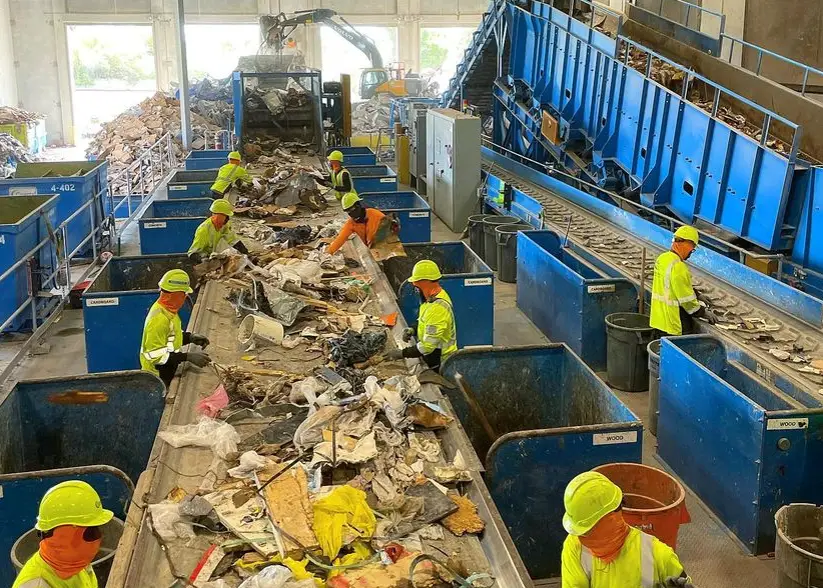
Technicians are now experts in material separation. Steel, copper, and aluminum are stripped and sent to metal recyclers. Concrete is crushed on-site to be used as road base or aggregate for new pours. Old-growth timber and architectural features are salvaged for the reclaimed materials market.
According to the Construction & Demolition Recycling Association (CDRA), high-performing demolition teams can now achieve diversion rates exceeding 90%. The technician manages the logistics of this "urban mining," ensuring that bins are not cross-contaminated, which would decrease the value of the recyclables.
Essential Skills, Training, and Certification
The barrier to entry for a demolition technician has risen significantly. It is no longer an "unskilled" labor position. A competent technician in 2026 requires a mix of formal certification and hands-on experience.
| Requirement Type | Specific Qualification | Description |
|---|---|---|
| Safety | OSHA 30-Hour Construction | Essential safety training focusing on falls, silica dust, and trench safety. |
| Hazardous Materials | HAZWOPER 40 | Necessary for working on sites with chemical or toxic waste. |
| Specialized Skills | Asbestos/Lead Abatement | Specific state-level licensing for removing legacy hazardous materials. |
| Machinery | NCCER Crane/Excavator Ops | National certification for operating heavy hydraulic machinery. |
| Technical | Blueprint Reading / BIM | The ability to interpret 2D and 3D architectural and structural drawings. |
Beyond certifications, the technician must possess "situational awareness." They must be able to read the sounds of a building—creaks, pops, and shifts—that indicate the structure is behaving differently than predicted. This "mechanical intuition" is developed through years on the ground.
Safety Protocols and Risk Management
Safety is the cornerstone of the modern demolition industry. The Occupational Safety and Health Administration (OSHA) maintains strict standards for demolition (Standard 1926 Subpart T). A technician’s day begins and ends with safety briefings.
Dust and Silica Control
One of the greatest long-term health risks is crystalline silica dust, which is released when crushing concrete or masonry. Modern technicians are responsible for implementing "wet methods"—using high-pressure misting cannons to knock dust out of the air before it can be inhaled or travel to neighboring properties. They must also manage Personal Protective Equipment (PPE), including fit-tested respirators where engineering controls are insufficient.
Fire Prevention
Demolition sites are surprisingly high-risk environments for fires. Torch-cutting steel beams creates sparks that can ignite debris or old insulation. The technician must establish a "fire watch" and ensure that specialized extinguishers and water sources are immediately available whenever "hot work" is performed.
Career Path and Economic Outlook in 2026
The demand for skilled demolition technicians is at an all-time high. Urban renewal projects, the retrofitting of old industrial sites for residential use, and the decommissioning of aging infrastructure (like bridges and power plants) provide a steady stream of work.
Entry-level technicians often start as laborers or "spotters," assisting machine operators and learning material separation. With experience and certification, they move into heavy equipment operation, and eventually into supervisory roles like Site Superintendent or Estimator. In 2026, salaries reflect the technical nature of the work, with experienced operators in metropolitan areas often earning significantly above the median for general construction labor.
Common Challenges and Troubleshooting
Demolition rarely goes exactly according to plan. Technicians frequently encounter "unforeseen conditions," such as undocumented underground storage tanks or structural modifications made to a building that were never recorded on the blueprints.
When a project stalls, the technician must act as a problem-solver. For example, if a wall is found to be thicker than reported, the technician may need to switch from a hydraulic breaker to a diamond-wire saw to minimize vibration. If unexpected asbestos is found, they must immediately "red-tag" the area and initiate abatement protocols to prevent cross-contamination.
FAQs
What is the difference between a demolition technician and a general laborer?
A demolition technician is a skilled specialist trained in structural mechanics, hazardous material handling, and heavy equipment operation. While a general laborer may perform manual tasks, the technician is responsible for the strategic execution of the demolition plan, safety monitoring, and technical equipment usage.
Does modern demolition always involve explosives?
No. In 2026, explosives (implosions) are used in less than 1% of demolition projects. They are reserved for very tall structures or large industrial complexes where mechanical demolition is too slow or dangerous. Most modern work is done through "high-reach" mechanical shearing or robotic dismantling.
How does a technician handle hazardous materials like asbestos?
Technicians must follow strict containment procedures. This includes sealing the work area with plastic sheeting, using HEPA-filtered negative air machines to prevent dust escape, and wearing specialized suits and respirators. The material is then double-bagged and transported to a licensed hazardous waste landfill.
Can a demolition technician work in residential areas?
Yes, but the requirements are much stricter. In residential areas, technicians must manage strict noise ordinances, dust control, and vibration limits to avoid damaging nearby homes. They often use "quiet" tools like hydraulic crushers instead of impact hammers.
What is "Soft Stripping" in demolition?
Soft stripping is the process of removing all non-structural elements from a building—such as carpets, drywall, ceiling tiles, and electrical fixtures—before the main structure is brought down. This allows for much higher recycling rates and prevents the contamination of the main structural rubble.
Practical Recommendations for Project Managers
If you are hiring or working with a demolition team in 2026, ensure that the lead technicians are involved in the pre-bid site walk. Their ability to spot potential structural issues or environmental hazards early can save hundreds of thousands of dollars in change orders. Furthermore, prioritize firms that utilize telematics and real-time monitoring; the data provided by these systems offers a layer of legal protection and safety assurance that manual methods cannot match.