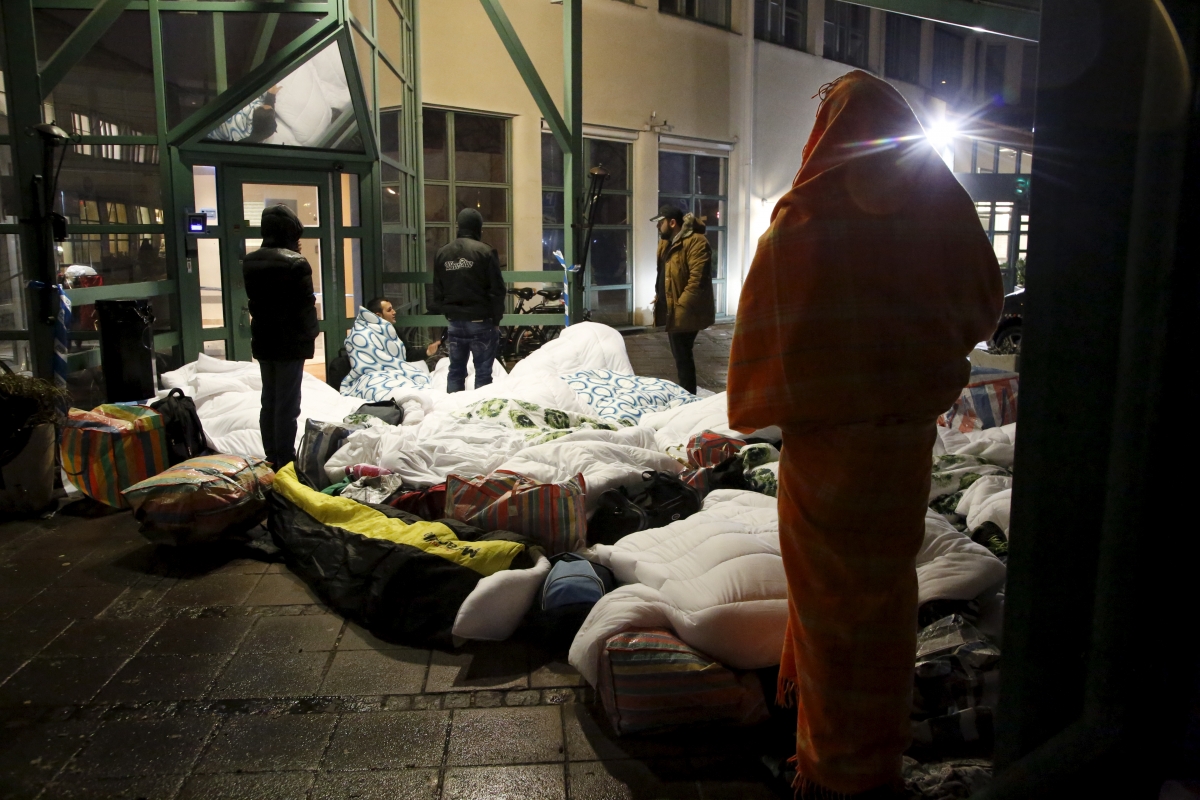
To seek asylum in Sweden, you must physically present yourself to the Swedish Migration Agency (Migrationsverket) or the border police and demonstrate a well-founded fear of persecution or serious harm. The process involves a rigorous investigation of your identity, travel route, and grounds for protection under international and Swedish law.
Applying for asylum is a fundamental human right, yet the legal landscape in Sweden has undergone significant transformations over the last decade. As of 2026, Sweden’s migration policy remains tightly aligned with the European Union’s minimum standards, emphasizing temporary residence permits and strict requirements for long-term integration. This guide provides a comprehensive overview of the current procedures, legal frameworks, and practical realities for those seeking international protection in Sweden.
The Legal Framework for Asylum in 2026
The Swedish asylum system is governed by a combination of domestic legislation and international treaties. The primary piece of legislation is the Aliens Act (Utlänningslagen), which defines who is eligible for a residence permit. Sweden is also bound by the 1951 Geneva Convention relating to the Status of Refugees and the EU Migration and Asylum Pact, which ensures a harmonized approach across member states.
In 2026, the focus of the Swedish government is on "controlled migration." This means that while the right to seek asylum is preserved, the criteria for being granted a permit are strictly applied. Most residence permits granted on asylum grounds are temporary rather than permanent. The duration of these permits depends on whether the applicant is classified as a refugee or a person in need of subsidiary protection.
Refugee Status vs. Subsidiary Protection
Sweden recognizes two primary categories of protection. Understanding the distinction between them is crucial, as they carry different rights regarding permit duration and family reunification.
- Refugee Status: This is granted to individuals who have a well-founded fear of persecution based on race, nationality, religious or political beliefs, gender, sexual orientation, or membership in a particular social group. Under the 1951 Convention, these individuals are typically granted a residence permit for three years.
- Subsidiary Protection Status: This is for those who do not qualify as refugees but are at risk of the death penalty, torture, or injury due to armed conflict in their home country. In 2026, individuals in this category are generally granted a residence permit for 13 months.
Both types of permits can be extended if the grounds for protection still exist at the time of renewal.
Step-by-Step: The Asylum Application Process
The journey through the Swedish asylum system is a multi-stage process that begins the moment an individual enters the country. Each step is designed to verify the applicant's identity and the validity of their claims.
1. Registering the Application
You cannot apply for asylum from another country or at a Swedish embassy. You must be at the Swedish border or already inside the country. Applications are registered at one of the Migration Agency’s application centers in cities like Stockholm, Gothenburg, or Malmö.
During registration, officials will:
- Take your photograph and fingerprints.
- Check your fingerprints against the Eurodac database to see if you have applied for asylum in another EU country.
- Conduct a brief initial interview to determine your identity and travel route.
- Issue an LMA card (Lagen om mottagande av asylsökande), which serves as your temporary ID while your application is pending.
2. The Dublin Regulation Assessment
Before Sweden investigates your reasons for seeking asylum, they must determine if Sweden is the country responsible for your application. Under the Dublin Regulation, the first EU country you entered or where you previously applied for asylum is usually responsible for processing your claim. If the Migration Agency finds that another country is responsible, they will initiate a transfer, and your case will not be heard in Sweden.
3. The Asylum Investigation
If Sweden accepts responsibility for your case, you will be invited to an asylum investigation. This is the most critical part of the process. You will be assigned a public counsel (a lawyer paid for by the state) to assist you, unless it is deemed unnecessary (e.g., in clearly unfounded cases).
During the investigation, you must explain in detail why you cannot return to your home country. It is your responsibility to provide evidence, such as identity documents, police reports, or medical records, to support your story. The Migration Agency will assess your credibility—whether your story is consistent and plausible—and the reliability of your evidence.
4. The Decision
After the investigation, the Migration Agency will issue a decision. In 2026, processing times vary significantly depending on the complexity of the case and the volume of applicants.
- Approval: If approved, you receive a temporary residence permit and a Swedish personal identity number (personnummer), which is essential for accessing full social services.
- Rejection: If your application is denied, you will receive an order to leave the country. You have the right to appeal this decision to the Migration Court.
| Feature | Refugee Status | Subsidiary Protection |
|---|---|---|
| Permit Duration | 3 Years (Renewable) | 13 Months (Renewable) |
| Travel Document | Refugee Travel Document | Alien's Passport (if needed) |
| Family Reunification | Available under strict conditions | Available under strict conditions |
| Maintenance Req. | Exempt if applied within 3 months | Exempt if applied within 3 months |
| Right to Work | Yes | Yes |
Rights and Obligations While Waiting
While your application is being processed, you have specific rights and duties. Sweden provides a reception system designed to meet basic needs, though it is not intended for long-term comfort.
Housing and Financial Support
Asylum seekers can choose to live in the Migration Agency's provided accommodation (ABO) or arrange their own housing (EBO), such as living with relatives. However, as of 2026, living in certain socio-economically challenged areas may disqualify you from receiving financial assistance.
If you have no money of your own, you can apply for a daily allowance. This allowance is modest and intended to cover food, clothing, and personal hygiene products. In 2026, the allowance levels remain strictly regulated to ensure they do not exceed the minimum cost of living.
Healthcare and Education
Asylum-seeking children have the same right to education and healthcare as Swedish citizens. For adults, the right to healthcare is limited to "care that cannot be deferred" (vård som inte kan anstå). This includes emergency care, maternity care, and care for infectious diseases. Dental care is similarly restricted to emergency procedures.
The Right to Work (AT-UND)
In many cases, asylum seekers are granted an exemption from the requirement to have a work permit, known as AT-UND. To qualify, you must provide valid identity documents or otherwise cooperate in clarifying your identity. Having the right to work is highly beneficial, as it allows you to support yourself and potentially transition to a work permit if your asylum application is eventually denied (under specific "change of track" rules).
Common Challenges and Troubleshooting
The asylum process is complex, and many applicants encounter significant hurdles. Awareness of these can help in navigating the system more effectively.
Identity Documentation
The most common reason for a negative decision is the failure to prove one's identity. If you do not have a passport, you should gather any other official documents, such as birth certificates, military service records, or marriage licenses. If you cannot provide documents, you must offer a convincing explanation of why they are missing and how you attempted to obtain them.
Credibility Issues
If your story changes between the initial interview and the main investigation, the Migration Agency may find you "not credible." It is vital to be truthful and detailed from the very beginning. If you are traumatized and find it difficult to speak about certain events, inform your public counsel or a medical professional early in the process.
Changing Laws and Policies
By 2026, Sweden has implemented stricter requirements for Permanent Residency (PUT). Permanent residency is no longer granted automatically after a certain number of years. Instead, applicants must demonstrate:
- A long-term ability to support themselves financially.
- Basic proficiency in the Swedish language.
- Knowledge of Swedish society (civics).
- A clean criminal record.
Appeals and Legal Recourse
If the Migration Agency rejects your application, the process does not necessarily end there. You have three weeks from the date you were notified of the decision to file an appeal.
- Migration Court: The first level of appeal. The court will review the evidence and may hold an oral hearing.
- Migration Court of Appeal: This is the highest court for migration cases. It only hears cases that are of "precedential interest"—meaning the case could help clarify the law for future decisions. It is very difficult to have a case heard at this level.
If your appeal is rejected by the Migration Court and the Court of Appeal refuses to hear your case, the rejection becomes final and non-appealable. You are then expected to leave Sweden voluntarily. Failure to do so may result in a re-entry ban to the entire Schengen area or forced deportation by the police.
Practical Recommendations for Applicants
Navigating the Swedish asylum system in 2026 requires patience, honesty, and proactive engagement with the legal process.
- Cooperate fully: Always attend your appointments with the Migration Agency and the police. Failure to cooperate can lead to a withdrawal of financial support or a negative impact on your case.
- Keep Records: Save every document you receive from the authorities. Use your LMA card as your primary identification.
- Seek Legal Advice Early: Ensure you communicate openly with your assigned public counsel. They are there to protect your legal rights and help you present your case effectively.
- Learn the Language: Even while waiting for a decision, use available resources (like NGO-led classes) to learn Swedish. This is vital for your future integration, regardless of the outcome of your asylum claim.
- Stay Informed via Official Sources: Only rely on the Swedish Migration Agency's official website for updates on laws and procedures, as third-party information can often be outdated or misleading.
FAQ
Can I apply for asylum in Sweden if I am already in another EU country?
According to the Dublin Regulation, you should generally apply for asylum in the first EU country you entered. If you apply in Sweden after visiting another EU member state, Sweden may transfer you back to that country to have your application processed there.
How long does the asylum process take in 2026?
Processing times vary. While the Migration Agency aims for a resolution within six to ten months, complex cases involving extensive investigations or appeals can take over a year. You can check the current average waiting times on the Migration Agency’s website.
What happens if my country of origin becomes safe while I am waiting?
The Migration Agency assesses the situation in your home country at the time they make their decision. If the situation improves significantly during the processing period, it could result in a denial of your application, as the "well-founded fear" of persecution may no longer exist.
Can my family join me in Sweden?
If you are granted refugee status or subsidiary protection, you may have the right to family reunification. However, you must usually meet a maintenance requirement, meaning you must have a home of sufficient size and an income that can support both yourself and your family. There are exceptions if you apply within three months of receiving your residence permit.
Is it possible to stay in Sweden if my asylum claim is denied?
If your asylum claim is denied, you must leave the country. However, if you have been working for at least four months during your asylum process and meet specific salary and insurance requirements, you may be able to apply for a work permit without leaving Sweden (known as a "change of track").
Next Action: If you are currently in Sweden and need to seek protection, locate the nearest Migrationsverket Application Center immediately to register your claim and receive your LMA card.