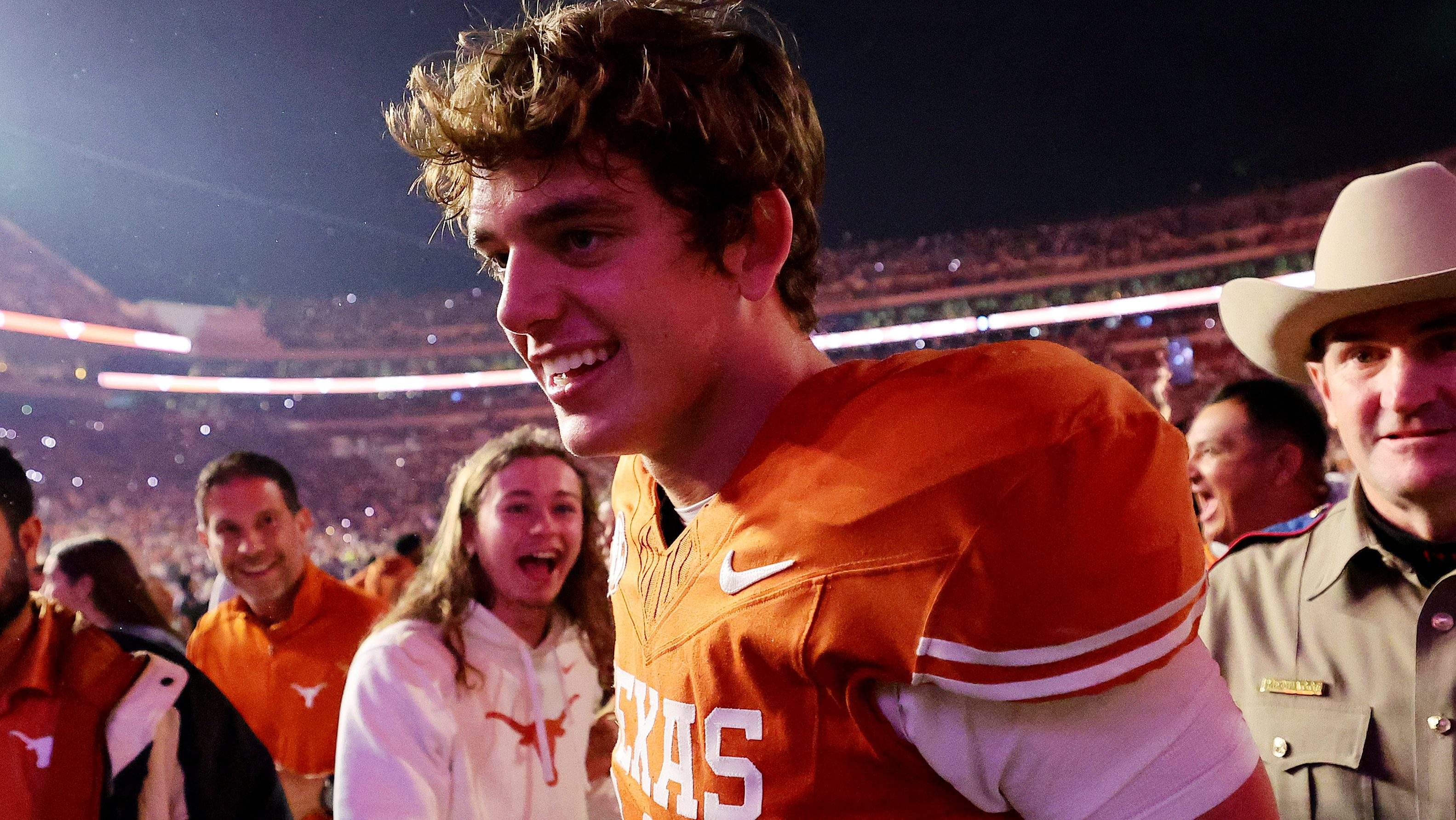
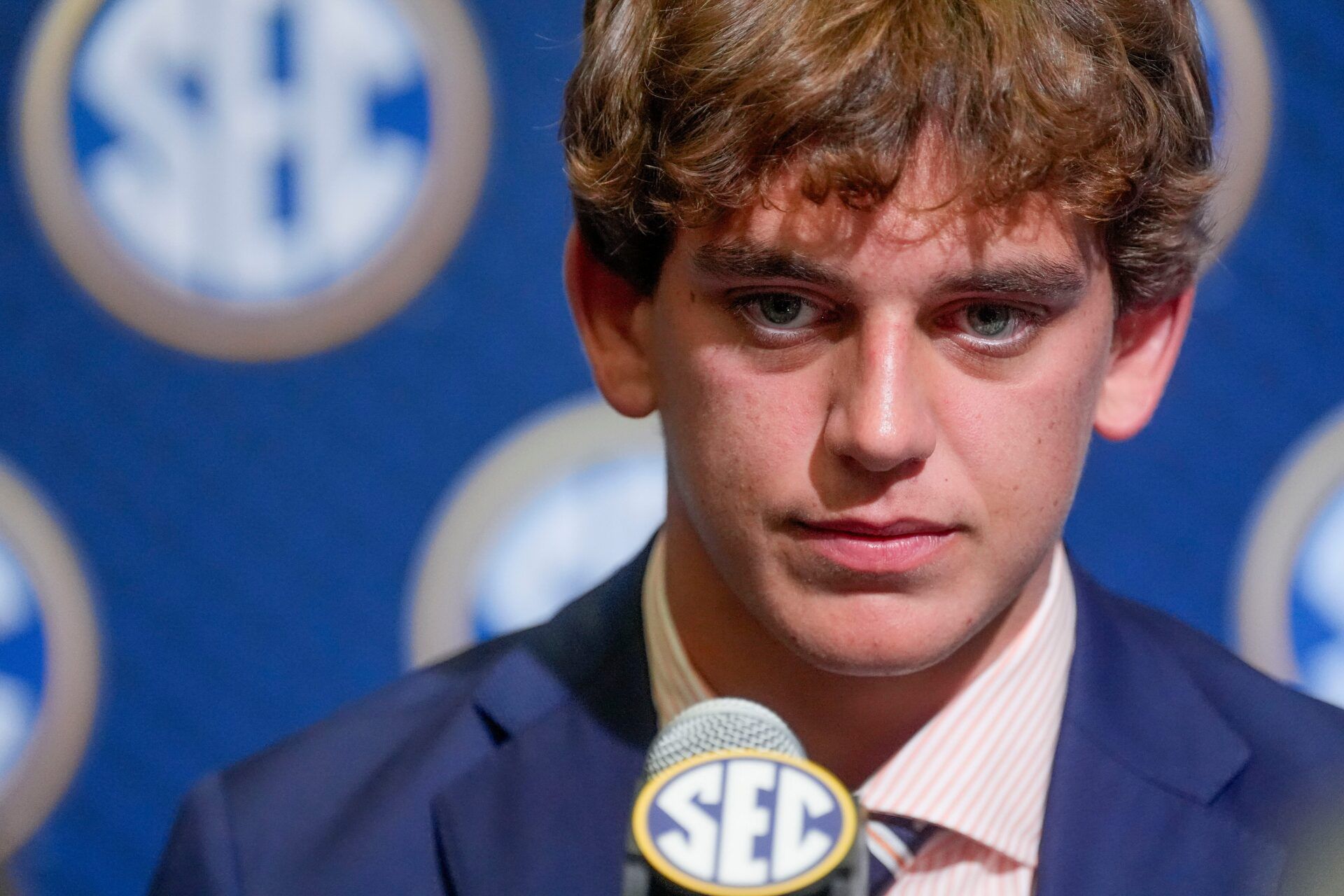
Arch Manning’s total earnings for the 2025 calendar year are primarily driven by his Name, Image, and Likeness (NIL) valuation as a quarterback at the University of Texas at Austin. While official private contract figures remain confidential, industry-standard reporting estimates his total valuation during this period to be among the highest in college sports, consistently trending in the $2.5 million to $3.5 million range due to high-profile brand partnerships, social media engagement, and his status as a marquee athlete in the Southeastern Conference (SEC).
Understanding the Landscape of Collegiate NIL Earnings
To grasp why athletes like Arch Manning command significant compensation, it is necessary to understand the regulatory shift that transformed collegiate athletics. In 2021, the Supreme Court’s ruling in NCAA v. Alston and subsequent internal policy changes by the National Collegiate Athletic Association (NCAA) allowed student-athletes to monetize their NIL. This shift moved college sports from a strictly scholarship-based model to one where individual market value plays a dominant role.
For a quarterback at a premier program like the University of Texas, the financial ecosystem is multifaceted. It is not merely a salary; rather, it is a collection of revenue streams. These streams include endorsement deals with national brands, participation in collectives—organizations composed of boosters that pool money to provide NIL opportunities to athletes—and local business partnerships. In 2025, the maturation of these collectives became a defining feature of the financial landscape, providing a structured, albeit complex, mechanism for compensating high-profile players.
The Components of Arch Manning’s 2025 Financial Portfolio
Arch Manning’s financial footprint is unique because it blends his individual athletic performance with the substantial brand value inherent in his family name. His 2025 earnings are not derived from a single paycheck but from a diversified approach to personal branding.
1. Strategic Brand Endorsements
Throughout 2025, Manning engaged in select brand partnerships that emphasized authenticity and long-term value over short-term volume. Companies that partner with an athlete of his profile are often looking for association with his specific demographic reach and the prestige associated with his position at a top-tier university. Unlike athletes who take numerous small, localized deals, Manning’s portfolio has historically prioritized high-visibility campaigns that maintain his public image while generating significant capital.
2. The Role of Collectives
The Texas Longhorn collective, often referred to within the industry as a vital pillar of the program's success, plays a significant role in providing NIL funds. Collectives function as the primary vehicle for donors and businesses to funnel money into the program. By 2025, these organizations had become highly sophisticated, often operating with dedicated personnel to manage the administrative, legal, and tax implications of athlete contracts. A significant portion of any elite quarterback's 2025 earnings is tied to these collective-driven opportunities, which are designed to support the recruitment and retention of top-tier talent.
3. Social Media and Digital Presence
While Manning has maintained a relatively private digital presence compared to many of his peers, the value of that presence is immense. In 2025, the metric for NIL earnings often tracks "social media valuation," which estimates the marketing equivalent of a post or a mention. For an athlete of Manning's stature, the scarcity of his social media content actually increases the value of any brand partnership he chooses to endorse, as the audience is more likely to engage with the rare content he does produce.
Factors Influencing NIL Valuations
Determining the exact dollar amount of an athlete’s NIL earnings involves several variables. It is incorrect to assume that every dollar earned comes from a contract; much of it is market-determined based on the following metrics:
| Variable | Influence on Earnings | Description |
|---|---|---|
| Position Value | High | Quarterbacks traditionally command the highest NIL valuations due to their impact on team success. |
| School Prestige | High | Schools with large, national fanbases like Texas generate higher engagement for sponsors. |
| Social Reach | Moderate | The size and quality of an athlete’s digital audience drive sponsorship premiums. |
| Performance | High | On-field statistics and success in high-stakes games directly increase marketability. |
| Market Exclusivity | High | The scarcity of an athlete's availability for interviews or ads drives up their individual price. |
The Evolution of Financial Regulations by 2026
As of 2026, the environment surrounding athlete earnings has faced increased scrutiny. Tax implications remain a primary focus for many student-athletes. NIL earnings are considered taxable income, and the complexity of these contracts—which often involve state laws, university guidelines, and multi-state tax jurisdictions—requires professional management.
Furthermore, the "House v. NCAA" settlement, which began shaping the landscape in late 2024 and throughout 2025, introduced new rules regarding how schools can directly compensate athletes. While NIL deals were initially intended to be third-party agreements, the lines have blurred. By 2026, the industry is transitioning toward a model where universities may have more direct involvement in the distribution of funds, which shifts the burden of compliance and financial reporting from the athlete to the institution's athletic department.
Frequently Asked Questions Regarding Collegiate Earnings
1. Are NIL earnings considered a salary paid by the university? No. NIL earnings are not institutional salaries. They are third-party agreements between an athlete and brands, or payments from collectives, which are independent organizations. While schools may assist with the logistics of these deals, the money does not come from the university’s athletic department budget as a payroll item.
2. How do athletes manage the taxes on their NIL earnings? Athletes are responsible for their own tax filings, as they are generally considered independent contractors. This requires them to set aside a significant portion of their income for federal and state taxes. Many high-profile athletes, including those in Manning's position, employ professional business managers, accountants, and legal counsel to ensure compliance with tax laws.
3. Does Arch Manning’s family name influence his NIL valuation? Yes. In the world of sports marketing, brand recognition is a primary driver of value. The Manning name is one of the most recognizable brands in American sports history. Sponsors recognize that association with this legacy provides instant credibility and national interest, which allows for significantly higher valuation tiers compared to athletes with similar performance metrics but less historical name recognition.
4. Can an athlete lose their NIL earnings if they are benched or injured? This depends entirely on the structure of the specific contract. Many NIL deals are performance-incentivized or tied to participation metrics. If a contract requires an athlete to appear at a certain number of events or maintain a starting position, failure to do so could result in a reduction or termination of those specific payments.
5. Are there limits on how much an athlete can earn? There is no "cap" on NIL earnings. The market determines the valuation based on what a sponsor or collective is willing to pay. However, schools often have internal policies and codes of conduct that mandate the disclosure of all NIL agreements to the university's compliance office to ensure they do not violate NCAA rules regarding "pay-for-play" or booster involvement restrictions.
Practical Considerations for Understanding Athlete Finances
For those tracking the financial progress of collegiate athletes in 2026, it is vital to distinguish between reported valuations and realized cash flow. Many NIL valuations provided by tracking services—such as On3 or similar industry benchmarks—are estimates based on market reach and local influence. They do not account for the overhead costs of the athlete, such as agent fees (which can range from 10% to 20%), tax withholdings, and the costs of maintaining a professional support staff.
When analyzing the financial trajectory of a player like Arch Manning, observers should look toward long-term brand equity rather than immediate, short-term cash. The most successful athletes in this space use their collegiate years to build a foundation for professional partnerships that will transition seamlessly into their post-collegiate careers.
Conclusion and Next Steps
The financial ecosystem surrounding collegiate football remains in a state of rapid development. To accurately assess the earnings of a high-profile athlete, one must move beyond the headlines and look at the underlying economic drivers: the strength of the collective, the athlete's strategic brand partnerships, and the broader institutional support at the University of Texas. For those interested in the ongoing financial evolution of the sport, keeping up with updates from the NCAA compliance office and monitoring official financial disclosures remains the most reliable method for understanding how these valuations are calculated and distributed.