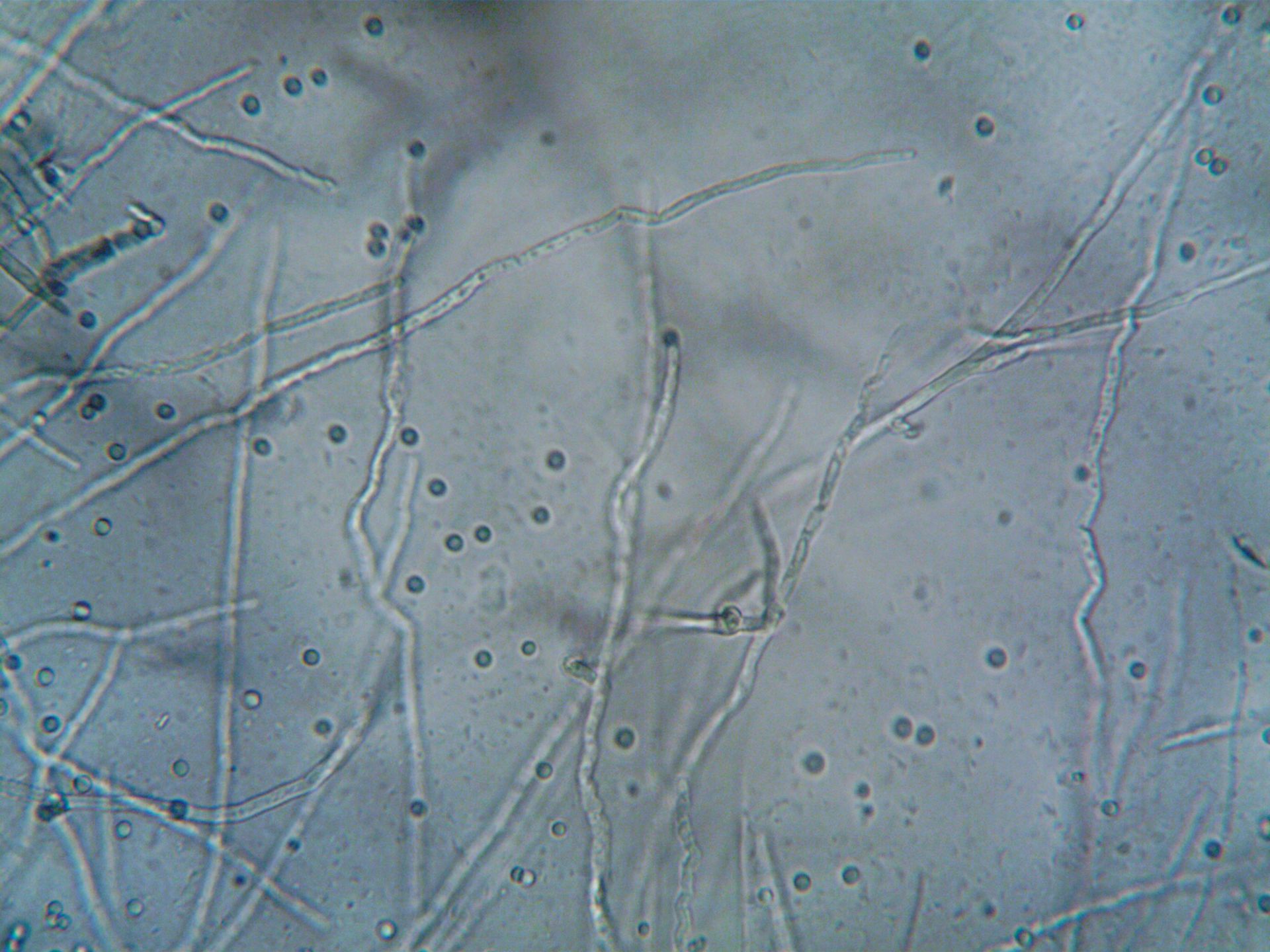
When faced with mold growth in a residential or commercial property in Saint Lucie County, timely and professional intervention is essential to protect structural integrity and indoor air quality. Mold remediation is not a simple cleaning task; it is a rigorous, multi-stage process involving containment, moisture source identification, physical removal, and air purification. Residents and business owners seeking professional services must prioritize certified experts who understand the specific environmental challenges posed by the humid, subtropical climate of the Florida Treasure Coast.
Understanding the Mold Risk in Saint Lucie County
The environmental conditions in Saint Lucie County—characterized by high humidity, frequent rain, and seasonal storms—create an ideal breeding ground for fungal spores. Mold requires only three elements to flourish: moisture, a food source (such as drywall, wood, or carpet), and a temperature range typical of Florida’s climate.
In this region, mold often manifests following roof leaks, pipe bursts, or inadequate HVAC ventilation. Because the humidity levels often remain high, surfaces that become damp are unlikely to dry out on their own, allowing mold colonies to establish themselves within 24 to 48 hours of initial exposure. Addressing these issues immediately is the most effective way to prevent widespread infestation and the associated costs of extensive reconstruction.
Prerequisites for Selecting a Remediation Provider
Before engaging a remediation firm, property owners should verify certain credentials. Florida law does not require a specific state-level license for mold remediation firms, but it does mandate that the person performing the assessment be distinct from the person performing the remediation to prevent conflicts of interest.
When evaluating potential services:
- Certification: Look for firms certified by the IICRC (Institute of Inspection, Cleaning and Restoration Certification).
- Insurance: Ensure the company carries both general liability and pollution/mold-specific insurance.
- Equipment: A professional firm should utilize HEPA-filtered air scrubbers, moisture meters, thermal imaging cameras, and antimicrobial agents specifically formulated for mold eradication.
- Transparency: Avoid companies that provide "one-size-fits-all" pricing over the phone. A reputable professional will insist on an onsite inspection to determine the scope of the contamination before offering an estimate.
The Standard Remediation Workflow
Professional mold remediation follows a strict industry-standard protocol, typically based on the ANSI/IICRC S520 Standard for Professional Mold Remediation.
1. Assessment and Inspection
The process begins with a professional site visit. During this phase, technicians use moisture mapping tools to determine the extent of the water intrusion. In many cases, mold is visible, but the true danger often lies behind baseboards, under cabinets, or inside HVAC ductwork.
2. Containment and Safety
Before any physical disturbance of the mold occurs, the area must be isolated. This prevents cross-contamination. Professionals use physical barriers, such as 6-mil polyethylene sheeting, to create a "negative pressure" zone. This ensures that when they remove contaminated materials, spores are pulled into the filtration system rather than drifting into unaffected rooms.
3. Moisture Control and Removal
You cannot successfully remediate mold without first stopping the source of moisture. If a plumbing leak or a roof issue is not repaired, the mold will inevitably return. Once the source is addressed, technicians physically remove materials that cannot be sanitized (such as porous drywall or insulation) and deep-clean salvageable structural wood and concrete.
4. HEPA Filtration and Final Cleaning
After materials are removed, the space undergoes a deep cleaning. High-Efficiency Particulate Air (HEPA) vacuums are used to remove microscopic spores from surfaces. Air scrubbers are often left running for several days to cycle the air and capture any remaining airborne particulates.
Comparison of Remediation Methods
| Method | Application | Pros | Cons |
|---|---|---|---|
| Physical Removal | Porous materials (drywall, carpet) | Permanently eliminates mold presence | Destructive; requires reconstruction |
| Media Blasting | Hard surfaces (wood framing, concrete) | Highly effective for large areas | Creates significant debris |
| Antimicrobial Fogging | Airborne spores/HVAC ducts | Reaches inaccessible areas | Does not remove the source of food |
| Controlled Drying | High-humidity environments | Prevents recurring growth | Requires specialized equipment |
Financial Considerations and Insurance Coverage
Mold remediation costs in Saint Lucie County vary significantly based on the square footage affected, the toxicity level of the mold, and the complexity of the reconstruction needed. Costs can range from a few hundred dollars for localized bathroom mold to thousands for full-scale property remediation after a flood event.
It is critical to review your homeowners' insurance policy before or immediately after discovering mold. Many policies have specific exclusions for "mold, fungi, or bacteria," or provide only limited coverage (often called "Limited Mold Coverage"). If the mold growth is the direct result of a "covered peril"—such as a sudden pipe burst—the policy may cover the remediation. However, mold resulting from long-term maintenance neglect or high humidity is rarely covered. Always document the damage with photographs and keep all communication with your insurance adjuster in writing.
Troubleshooting and When to DIY vs. Hire Pros
If you discover a small patch of mold (less than 10 square feet) on a hard, non-porous surface, it is often manageable as a DIY project. However, you should strictly avoid DIY methods for several scenarios:
- HVAC Contamination: Mold in your air conditioning system can circulate throughout the entire home. This requires professional mechanical cleaning.
- Structural Compromise: If mold is found on structural beams or inside walls, attempting to clean it yourself risks spreading spores through your home’s ventilation system.
- Health Sensitivities: If members of your household suffer from asthma, allergies, or a compromised immune system, professional remediation is the only safe option to ensure air quality standards are met.
- Hidden Mold: If you smell a musty odor but cannot find the source, hire a professional to perform a mold inspection to locate hidden colonies.
Common Mistakes to Avoid
- Using Bleach: A common myth suggests bleach kills mold on porous surfaces. In reality, bleach is mostly water; while it may kill the surface mold, the water content can seep into porous materials like drywall, actually fueling deeper root growth.
- Ignoring Ventilation: Relying on fans to "dry out" an area before removing the mold is dangerous; fans often blow active spores throughout the home.
- Skipping Post-Remediation Verification (PRV): Always request a PRV. This is an independent air quality test performed after the remediation is complete to verify that spore counts have returned to normal levels.
Frequently Asked Questions
What is the difference between mold remediation and mold removal? Mold removal is technically impossible, as mold spores are ubiquitous in the natural environment. Remediation focuses on reducing the spore count to a normal, safe level and eliminating the moisture source to prevent further growth.
How long does the remediation process typically take? For a standard residential room, the process usually takes three to five days. This includes the initial drying, removal of contaminated items, antimicrobial treatment, and final HEPA vacuuming. Complex cases involving structural damage can take weeks.
Will my homeowners' insurance cover the costs? Coverage depends entirely on your specific policy and the cause of the mold. If the mold is the result of a sudden, accidental water release, it may be covered. If it is the result of a long-term leak or humidity issue, it is typically considered a maintenance issue and is not covered.
Are there health risks associated with mold exposure? Yes. Mold exposure can cause respiratory distress, skin irritation, and headaches, especially in vulnerable populations. Professional remediation services prioritize safety protocols to prevent these health issues during the cleanup process.
What should I do if I find mold after a hurricane or storm? Storm-related mold requires urgent action. Contact your insurance company immediately and document the damage. Hire a licensed restoration professional to perform "water mitigation" before the mold can spread through your entire property.
Next Steps for Property Owners
If you suspect a mold issue in your home, start by identifying the source of moisture. If the moisture is persistent, contact a professional remediation company in Saint Lucie County to conduct a moisture mapping assessment. Do not attempt to disturb suspected mold colonies if they span a large area or are located inside wall cavities. By taking professional, methodical steps early, you can protect your property from long-term damage and ensure a safe, healthy environment for your family.