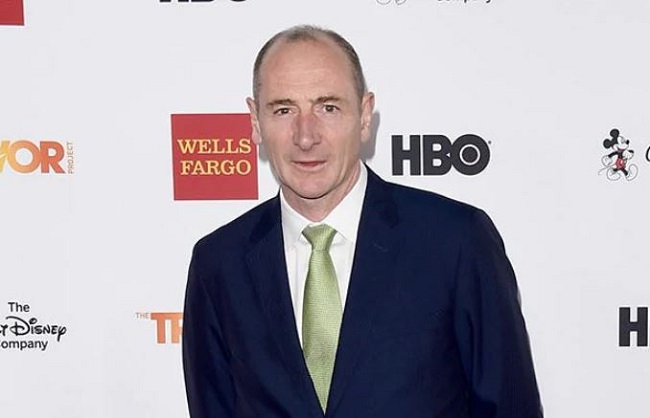
Andy Bird’s estimated net worth ranges between $30 million and $50 million, accumulated through more than three decades of top-tier media and corporate leadership. The primary drivers of his wealth include his 14-year tenure as Chairman of Walt Disney International and his high-profile compensation structure as Chief Executive Officer of Pearson plc from 2020 through early 2024.
Who Is Andy Bird? Career Background and Corporate Leadership
Andy Bird (CBE) is a prominent British media executive whose leadership career spans global broadcasting, digital entertainment, and international publishing. Before taking the helm at major public corporations, Bird developed his career in UK television and radio before ascending to global media management roles.
Early Career and Turner Broadcasting
Bird began his media career at the UK’s Capital Radio and subsequently moved through creative and managerial roles across British radio and television networks. His global corporate trajectory accelerated during his tenure at Turner Broadcasting System, where he served as President of Turner Broadcasting System International. In this role, he oversaw international operations for networks such as CNN International, Cartoon Network, and TNT across Europe, Asia, and Latin America.
Leadership at Walt Disney International (2004–2018)
In 2004, The Walt Disney Company appointed Andy Bird as Chairman of Walt Disney International. For 14 years, Bird was responsible for driving Disney's expansion in key growth markets outside the United States, particularly across Asia-Pacific, Latin America, Europe, and the Middle East.
Under his leadership, Disney expanded its localized content strategy, opened landmark international theme park developments (including Shanghai Disney Resort), and established localized corporate structures that drove double-digit revenue growth in emerging markets. His long tenure at Disney positioned him among the highest-compensated international media executives in the entertainment sector.
CEO Position at Pearson plc (2020–2024)
In September 2020, Pearson plc—the global educational publishing giant listed on the London Stock Exchange (LSE: PSON) and the New York Stock Exchange (NYSE: PSO)—appointed Bird as its Chief Executive Officer. Bird was charged with accelerating Pearson's transition from a traditional textbook publisher into a direct-to-consumer digital learning company.
During his tenure, Bird spearheaded the launch of the Pearson+ subscription service, restructured core business divisions, and integrated artificial intelligence tools into educational courseware. He retired as CEO at the end of December 2023, officially handing leadership over to Omar Abbosh in January 2024.
Pearson Compensation Breakdown: Base Salary, Incentives, and Equity
To understand Andy Bird’s net worth, his compensation package as CEO of Pearson plc offers the most detailed public paper trail. Because Pearson is a publicly listed British company, its executive remuneration details are disclosed annually in filings submitted to Companies House and published in Pearson's annual reports.
| Andy Bird's Pearson Compensation Structure | Details |
|---|---|
| Base Salary | ~$1.25 Million annually |
| Annual Incentive (Bonus) | Up to 200% of Base Salary |
| Co-Investment/LTIP | Multi-million dollar share awards |
| Retirement/Benefits | Cash allowance in lieu of pension (~16%) |
Base Salary and Cash Allowances
When Bird joined Pearson in September 2020, his initial base salary was set at $1.25 million per year (paid in US dollars due to his US residency). In addition to base salary, his agreement included a retirement allowance equal to approximately 16% of salary—subsequently adjusted in line with UK corporate governance guidelines—along with standard executive health and relocation allowances.
Annual Incentive Plan (AIP)
Pearson’s short-term incentive plan allowed the CEO to earn a target bonus equal to 100% of base salary, with a maximum payout cap of 200% of base salary ($2.5 million). Performance metrics for these annual bonuses were heavily tied to:
- Adjusted operating profit performance
- Group revenue growth, particularly in digital learning channels
- Operating cash flow generation
- Strategic ESG and digital product adoption benchmarks
During his tenure, Bird routinely achieved incentive metrics that brought his total annual cash pay (salary plus bonus) into the $2.5 million to $3.5 million range per year.
The Co-Investment Plan and Shareholder Scrutiny
The most significant component of Bird's Pearson remuneration was a specialized co-investment share scheme designed to secure his recruitment in 2020. Under this plan:
- Bird purchased $3.75 million worth of Pearson shares using his own personal funds shortly after taking the position.
- In return, Pearson granted him a performance-based matching share award valued at up to three times his personal investment (approximately $11.25 million at target grants).
This co-investment award vested over a multi-year period, contingent upon meeting strict total shareholder return (TSR) targets and operational performance metrics. While the structure faced scrutiny and pushback from certain UK institutional shareholders regarding compensation limits, the arrangement was approved, generating substantial equity value as Pearson's stock price recovered during 2022 and 2023.
Disney Tenure and Long-Term Wealth Accumulation
While Bird’s compensation at Pearson is fully documented through public governance reports, his 14-year period at The Walt Disney Company laid the initial foundation for his high-net-worth status.
Executive Compensation Structure at Disney
As Chairman of Walt Disney International, Bird occupied a senior corporate executive rank within Disney's management hierarchy. Executive compensation at Disney for business unit leaders typically comprises three primary elements:
- Base Salary: Senior corporate division chairpersons at Disney traditionally receive base salaries ranging between $1 million and $2 million annually.
- Management Incentive Bonuses: Performance-based cash bonuses tied to international revenue goals and corporate earnings per share (EPS).
- Restricted Stock Units (RSUs) and Stock Options: Long-term incentive plans grants issued annually under Disney's Equity Incentive Plan.
Impact of Disney Stock Performance (2004–2018)
During Bird’s 14 years at Disney, the company experienced historic market expansion, driven by major acquisitions including Pixar (2006), Marvel Entertainment (2009), and Lucasfilm (2012), alongside international resort developments.
Between 2004 and 2018, Disney’s stock price appreciated significantly—rising from approximately $25 per share in mid-2004 to over $110 per share by late 2018. Executive equity awards accumulated over this decade-plus period benefited enormously from dividend reinvestment and long-term capital growth, forming a major component of Bird's permanent capital base.
Known Earnings and Remuneration Overview
The table below summarizes the key financial components, known compensation figures, and estimated earnings streams across Andy Bird’s primary corporate roles.
| Corporate Entity | Role | Active Period | Primary Compensation Elements | Estimated Total Value / Annual Range |
|---|---|---|---|---|
| Pearson plc | Chief Executive Officer | 2020–2024 | Base salary ($1.25M), annual bonus, co-investment share awards, LTIP grants | $3M – $8M+ annually (inclusive of equity vestings) |
| Walt Disney International | Chairman | 2004–2018 | Executive base salary, performance bonuses, RSUs, Disney stock option grants | $2.5M – $5M+ annually (career average inc. stock) |
| Turner Broadcasting | President, Turner Broadcasting International | Late 1990s–2004 | Senior executive salary, corporate bonus plans, corporate benefits | $800K – $1.5M annually |
| Personal Share Purchase | Shareholder Investment | 2020 | Direct personal open-market equity buy in Pearson shares | $3.75M initial investment |
Note: Figures are compiled from public annual reports, regulatory SEC disclosures, and standard executive remuneration filings.
How Executive Net Worth Is Calculated
Calculating the net worth of a corporate executive involves analyzing public disclosures, subtracting tax obligations, and estimating asset retention. Corporate filing data from regulatory authorities like the U.S. Securities and Exchange Commission (SEC) and the UK Financial Conduct Authority (FCA) provide verified foundation data.
1. Gross Earnings vs. Net Equity Retention
Reported executive compensation packages often cite gross equity grant values. However, real net worth reflects net holdings after tax withholding:
- Tax Deductions: High-earning corporate executives in top tax brackets (US federal/state and UK income tax rates) face tax liabilities ranging between 40% and 50% on cash compensation and vesting equity.
- Sell-to-Cover Transactions: When equity awards vest, companies typically sell a portion of the shares automatically to satisfy statutory tax withholding requirements, reducing net equity retention.
2. Illiquid vs. Liquid Wealth
An executive’s net worth comprises both liquid assets and structured investments:
- Direct Equity Disclosures: Form 4 SEC filings and LSE Director Shareholding notifications explicitly record share purchases and sales.
- Real Estate and Private Holdings: Real estate purchases, private fund investments, and personal liquidity reserves are generally held privately and are estimated using standard wealth management allocation models.
3. Cumulative Income Model
Based on reported earnings over 20+ years of top-tier corporate leadership:
- Gross Lifetime Career Earnings: Estimated between $70 million and $100 million across Disney, Pearson, and Turner roles.
- Taxes, Asset Depreciation, and Expenses: Estimated at 45–50% total impact over time.
- Net Wealth Accumulation: Results in a net worth range between $30 million and $50 million.
Post-Pearson Positions, Board Roles, and Financial Status
Following his retirement from Pearson plc at the beginning of 2024, Andy Bird transitioned into non-executive advising, personal investing, and institutional governance.
- Media & Executive Career: Turner to Disney to Pearson
- Post-Executive Advisory Phase (2024+)
- Corporate Boards & Advising
- Private Equity & Investments
Non-Executive and Board Roles
Throughout his career, Bird has held positions on various corporate and advisory boards, including previous service on the board of directors of PA Media Group and initial advisory work in digital edtech and media funds. Board positions at public or large private institutions typically provide non-executive director fees ranging from $80,000 to $250,000 annually, depending on committee assignments.
Financial Position
With no active operational CEO duties required, Bird’s income stream is governed by dividend yield from retained corporate stock holdings, board compensation, and investment returns from personal wealth management portfolios. His financial position remains strong, backed by decades of low-volatility blue-chip executive equity grants.
Key Factors Influencing Net Worth Estimates
When evaluating figures published in media reports or executive bio profiles, several analytical variables influence the final net worth estimate for corporate leaders like Andy Bird:
- Fluctuations in Pearson and Disney Share Prices: A substantial percentage of executive net worth remains tied to equity holdings. Shifts in the stock price of Disney or Pearson alter total net asset value month-to-month.
- Currency Conversion Rates: Bird received compensation in both US Dollars ($) and British Pounds Sterling (£) across his international postings. Fluctuations in foreign exchange rates impact total converted asset values.
- Private Investment Portfolios: Unlisted venture investments, private equity allocations, and real estate assets remain outside public reporting mandates.
Frequently Asked Questions
What was Andy Bird's salary as CEO of Pearson?
Andy Bird's base salary as CEO of Pearson plc was set at $1.25 million annually. With performance bonuses, health allowances, pension contributions, and vesting share awards, his total annual compensation package ranged between $3 million and $8 million depending on financial performance metrics.
How much did Andy Bird earn during his time at Disney?
While exact year-by-year historical compensation is not fully detailed in single public tables for all non-CEO officers, as Chairman of Walt Disney International, Bird earned an estimated $2.5 million to $5 million annually in combined base salary, cash bonuses, and restricted stock awards over his 14-year tenure.
Why was Andy Bird's pay package at Pearson debated by shareholders?
In 2020, Pearson’s recruitment package for Bird included a substantial co-investment matching share scheme. Some UK corporate governance advisory groups and institutional shareholders raised questions regarding the upfront size of the equity grant structure, leading to a closely watched shareholder vote before the plan was approved.
When did Andy Bird retire from Pearson?
Andy Bird stepped down from his operational responsibilities as Chief Executive Officer of Pearson plc on December 31, 2023, and was officially succeeded by Omar Abbosh in January 2024.
What is Andy Bird's estimated total net worth?
Andy Bird's net worth is estimated between $30 million and $50 million. This estimate reflects accumulated salaries, performance bonuses, long-term share awards, and investment returns across his executive leadership roles at Turner Broadcasting, Disney, and Pearson.
Practical Takeaway for Analyzing Executive Net Worth
When researching the financial status and career earnings of public corporate executives:
- Consult Official Governance Documents: Review verified Annual Remuneration Reports, proxy statements (SEC Form DEF 14A), and regulatory disclosures rather than relying on unverified celebrity financial sites.
- Distinguish Cash from Equity: Remember that headline compensation numbers often represent unvested equity subject to performance criteria and market changes, rather than liquid cash in hand.
- Account for Taxation and Retention: Subtract statutory top-tier federal, state, or international tax obligations when evaluating long-term cumulative career wealth.