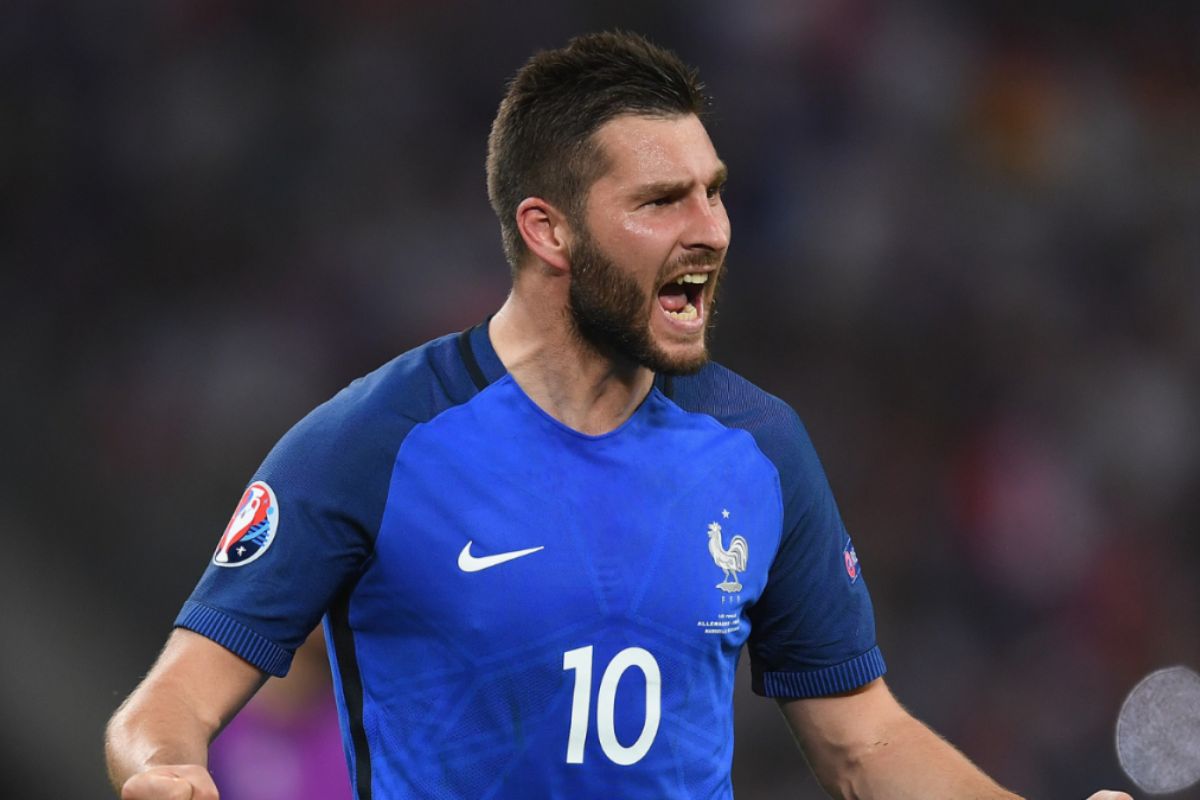
As of 2026, French football icon André-Pierre Gignac has an estimated net worth between $15 million and $25 million USD. His financial standing stems primarily from a lucrative two-decade professional playing career, highlighted by high-earning contracts at Olympique de Marseille and a revolutionary, long-term tenure as the highest-paid player in Mexico’s Liga MX with Tigres UANL.
Financial & Advisory Notice
Disclaimer: Net worth estimates and financial figures discussed in this article are derived from public contract reports, tax disclosures, sports financial databases, and verified reporting. Real estate holdings, private investments, and gross income are subject to tax liabilities, agent fees, and undisclosed private expenditures. This analysis is for informational purposes only and does not constitute formal financial advice.
Early Career and Financial Growth in Ligue 1
Before establishing himself as one of the most celebrated foreign athletes in Mexican football history, André-Pierre Gignac built his financial foundation within French football (Ligue 1).
Gignac began his professional trajectory at FC Lorient, signing his first professional contract in 2004. During his early seasons, including a loan spell at Pau FC, his compensation reflected standard developmental contracts within the lower tier of French professional football. However, his performance quickly attracted upper-tier attention.
Professional Career Progression Timeline: [2004–2007: Lorient / Pau FC] ➔ [2007–2010: Toulouse FC] ➔ [2010–2015: Olympique de Marseille] ➔ [2015–Present: Tigres UANL]
The Toulouse Breakthrough (2007–2010)
Gignac transferred to Toulouse FC in 2007 for an estimated transfer fee of €4.5 million. His financial trajectory accelerated during the 2008–2009 season, when he finished as Ligue 1's top goalscorer with 24 goals in 38 matches. This performance triggered performance bonuses, wage escalation clauses, and international call-ups for the French national team.
By 2009, his annual compensation at Toulouse reached an estimated €1.5 million to €2 million gross per season, setting the stage for a major transfer.
The Olympique de Marseille Contract (2010–2015)
In August 2010, Gignac completed a high-profile transfer to Olympique de Marseille (OM) for an estimated transfer fee of €16 million to €18 million. Marseille signed Gignac to a five-year contract that made him one of the highest earners in the French top flight.
- Base Salary: Reported gross base salary between €3.5 million and €3.8 million per year (approximately €300,000 per month).
- Tax Considerations: During his time at Marseille, France introduced aggressive high-income tax regulations, including a temporary 75% marginal tax rate on income above €1 million for corporations paying employee salaries. While clubs absorbed a portion of these costs, taxation significantly impacted net retained earnings compared to gross figures.
- On-Field Production: Across 186 appearances for Marseille, Gignac scored 77 goals, maintaining his market value throughout the duration of his five-year agreement.
The Historic Move to Tigres UANL: A Financial Masterstroke
In June 2015, at age 29, Gignac made a career move that redefined both his personal wealth and the financial landscape of North American football. Expiring his contract at Marseille, he chose to sign with Mexican club Tigres UANL as a free agent.
Free Agency Value Transfer Mechanism: No Transfer Fee Required ➔ Tigres Capital Savings ➔ Converted to Higher Player Wages & Signing Bonus
By entering the market without a required transfer fee, Gignac negotiated a financial package rarely seen outside European elite clubs:
- The Signing Bonus: Tigres allocated a significant portion of the money saved on transfer fees directly to Gignac in the form of an upfront signing bonus, estimated between $3 million and $5 million.
- Record Liga MX Base Salary: Gignac secured an initial base salary reported at approximately $4.5 million to $5 million USD per year, instantly making him the highest-paid player in Liga MX history at the time.
- Tax Advantages in Mexico: Compared to France's top marginal income tax brackets, Mexico's top personal tax rate (35%) allowed Gignac to retain a higher net percentage of his total compensation.
Contract Extensions and Salary Stability
Gignac’s sustained performance on the pitch—leading Tigres to multiple Liga MX titles and the CONCACAF Champions League title—allowed him to negotiate lucrative contract extensions in 2018, 2021, and subsequent years.
Throughout his decade-plus in Monterrey, his annual guaranteed income consistently remained between $4 million and $4.6 million USD, supplemented by team incentives, competition bonuses, and personal commercial deals.
Estimated Net Worth Breakdown
Accumulated earnings across a 20+ year career involve multiple revenue streams, tax jurisdictions, and asset allocations. Below is a breakdown of how Gignac’s financial portfolio has developed over time:
| Financial Element | Estimated Value / Contribution | Primary Sources / Key Notes |
|---|---|---|
| Gross Career Player Wages | $60M – $70M USD (Cumulative) | Combined contracts from Toulouse, Marseille, and Tigres UANL (2007–2026). |
| Estimated Net Retained Wages | $25M – $32M USD | Adjusted for French and Mexican tax liabilities, agent commissions, and legal fees. |
| Endorsement Income | $5M – $8M USD (Lifetime) | Partnerships with Nike, Charly, regional North American brands, and licensing. |
| Real Estate & Investments | $8M – $12M USD | Residential properties in Monterrey (Mexico) and Southern France; private equity. |
| Estimated Total Net Worth | $15M – $25M USD | Liquid assets, real estate holdings, investment portfolio minus liabilities. |
Salary and Contract Comparison Across Career Eras
To understand how Gignac’s wealth developed, it is helpful to contrast his financial earnings across his major professional clubs:
[Toulouse FC: ~$1.8M/yr Gross] ➔ [OM: ~$4.2M/yr Gross] ➔ [Tigres UANL: ~$4.5M-$5M/yr Net Equivalent]
1. FC Lorient & Toulouse FC (2004–2010)
- Contract Structure: Standard developmental progressing to top-tier domestic salary.
- Financial Focus: Establishing baseline wealth, initial representation deals, early real property investments in France.
2. Olympique de Marseille (2010–2015)
- Contract Structure: High gross European contract.
- Financial Focus: Top 10 salary bracket in Ligue 1. High gross figures offset by severe European income taxes during the early 2010s.
3. Tigres UANL Era (2015–Present)
- Contract Structure: High net-value guaranteed contracts, performance bonuses, image rights agreements.
- Financial Focus: Long-term wealth consolidation, North American commercial endorsements, cross-border real estate assets.
Endorsements, Image Rights, and Commercial Deals
While European superstars often rely heavily on global endorsement portfolios (such as Adidas or Nike global campaigns), Gignac developed a highly focused, lucrative regional commercial profile.
Main Commercial Partnerships
- Nike: Gignac maintained a long-standing boot and apparel sponsorship throughout his European and early Mexican career phases.
- Charly Football: In later career stages, Gignac aligned with major regional brands in Mexico, taking advantage of his position as a dominant sports figure in North America.
- Regional Endorsements: Based in Monterrey—one of Mexico's economic and industrial hubs—Gignac secured corporate partnerships with regional automotive dealerships, financial institutions, and retail chains.
Image Rights and Merchandise Revenue
Under Mexican football regulations, clubs often negotiate separate image-rights contracts alongside standard employment agreements. Tigres UANL leveraged Gignac's marketability across Mexico and the United States (where the club enjoys massive fan bases during cross-border tournaments like the Leagues Cup). A portion of jersey sales, official merchandise, and localized media appearances added millions to his total career earning potential.
Investments, Property, and Lifestyle
Gignac has managed his assets conservatively, focusing on real estate and family wealth preservation over high-risk speculative ventures.
Real Estate Assets
- Monterrey, Mexico: Gignac established a permanent footprint in the prestigious San Pedro Garza García enclave in Nuevo León—one of the wealthiest municipalities in Latin America. His residential holdings there represent a multi-million-dollar component of his non-liquid net worth.
- Southern France: He retains property holdings in his home region of Southern France, providing long-term real estate stability across multiple currencies (Euro and Mexican Peso/USD).
Naturalization and Community Footprint
In 2019, Gignac officially took the oath to become a naturalized Mexican citizen, alongside his family. This decision reflected both a personal commitment to the country and a practical integration into local economic systems. He has launched localized philanthropic efforts, funding children's hospitals and local youth sports programs in Nuevo León, often funding these initiatives through custom merchandise auctions and personal contributions.
Impact on Liga MX Wage Structures
Gignac’s move to Mexico in 2015 fundamentally altered how Latin American clubs approach top-tier player compensation.
Post-2015 Market Shift: Gignac's $4M+ Success ➔ Proved ROI for Elite Foreign Signings ➔ Elevated Compensation League-Wide
Before Gignac's arrival, Liga MX teams rarely offered multi-year guarantees exceeding $2 million to $3 million annually for foreign international players. Gignac's success—delivering five Liga MX championships and breaking the club's all-time scoring record with over 200 goals—proved to team owners (specifically corporate owners like CEMEX, which backs Tigres) that top-market compensation could yield massive operational returns through ticket sales, international brand expansion, and sponsorship growth.
This financial model laid the groundwork for subsequent high-profile international transfers into Mexican football and established a direct financial alternative to Major League Soccer (MLS) designated player contracts.
Frequently Asked Questions
What is André-Pierre Gignac's net worth in 2026?
André-Pierre Gignac’s net worth is estimated to be between $15 million and $25 million USD. This total accounts for his earnings over two decades in Ligue 1 and Liga MX, minus taxes, combined with real estate holdings, sponsorships, and smart financial investments.
How much does Gignac earn per year at Tigres UANL?
Throughout his time with Tigres UANL, Gignac's base salary has ranged between $4 million and $4.6 million USD per year, making him consistently one of the highest-paid players in North American football outside of top MLS stars.
Was Gignac paid more at Marseille or Tigres?
While Gignac had a high gross salary at Marseille (around €3.8 million to €4 million per year), France's high income tax rates significantly reduced his net pay. At Tigres, a combination of a massive free-agent signing bonus, favorable tax structures, and guaranteed net pay provided him with higher overall retained wealth.
What are Gignac's main sources of income outside of football?
Beyond his playing salary, Gignac earns money through endorsement deals (including footwear and regional Mexican brands), image rights licensing, commercial appearances, and returns on real estate investments in both Mexico and France.
Is Gignac the highest-paid player in Liga MX history?
Gignac held the title of highest-paid player in Liga MX for several consecutive years following his arrival in 2015. While subsequent international signings have occasionally surpassed his single-season figures, Gignac remains the highest total wage earner in Liga MX history due to his longevity and contract extensions.
Financial Summary and Strategic Legacy
André-Pierre Gignac’s career offers a classic study in maximizing athletic earning potential through strategic market positioning. By opting out of the traditional European transfers at age 29 and taking advantage of free agency, he transformed a successful European career into a multi-decade financial and sporting legacy in North America.
To replicate his model of wealth preservation, athletes and sports finance analysts point to three core moves:
- Utilizing free-agent leverage to convert potential transfer fees into personal base salary and signing bonuses.
- Structuring contracts in markets with favorable tax treatment relative to high-gross jurisdictions.
- Reinvesting primary sports income into stable international real estate to protect wealth against currency fluctuations across the Euro, US Dollar, and Mexican Peso.
Gignac's career demonstrates how strategic career choices off the pitch can turn high athletic performance into lasting, long-term financial security.