H.R. 4537, known as the International Insurance Standards Act, is a critical piece of legislation supported by the American Council of Life Insurers (ACLI) to safeguard the U.S. state-based insurance regulatory system. It ensures that international standards do not supersede domestic laws and requires federal negotiators to coordinate closely with state regulators to protect American policyholders and markets.
The Legislative Genesis of H.R. 4537
The International Insurance Standards Act, or H.R. 4537, was originally introduced in the 115th Congress to address a growing concern within the domestic financial sector: the potential for international regulatory bodies to impose "one-size-fits-all" capital standards on U.S. insurers. Introduced by Representatives Sean Duffy and Denny Heck, the bill sought to establish a clear framework for how the United States engages with global entities like the International Association of Insurance Supervisors (IAIS) and the Financial Stability Board (FSB).
In the years leading up to 2026, the principles embedded in H.R. 4537 have remained a cornerstone of U.S. trade and insurance policy. The primary objective was to prevent federal agencies—specifically the Department of the Treasury and the Federal Reserve—from agreeing to international standards that would be inconsistent with existing state and federal laws. This is particularly vital in the U.S., where insurance regulation has been the primary responsibility of individual states for over 150 years under the McCarran-Ferguson Act.
For the American Council of Life Insurers (ACLI), H.R. 4537 represented more than just a procedural hurdle for negotiators; it was a defense of the "Aggregation Method" (AM). The AM is the U.S.-developed approach to assessing the solvency of large insurance groups, which differs significantly from the market-based "Insurance Capital Standard" (ICS) preferred by European regulators. By the mid-2020s, the battle over these methodologies has defined the relationship between the U.S. insurance industry and international governing bodies.
The ACLI’s Strategic Advocacy Role
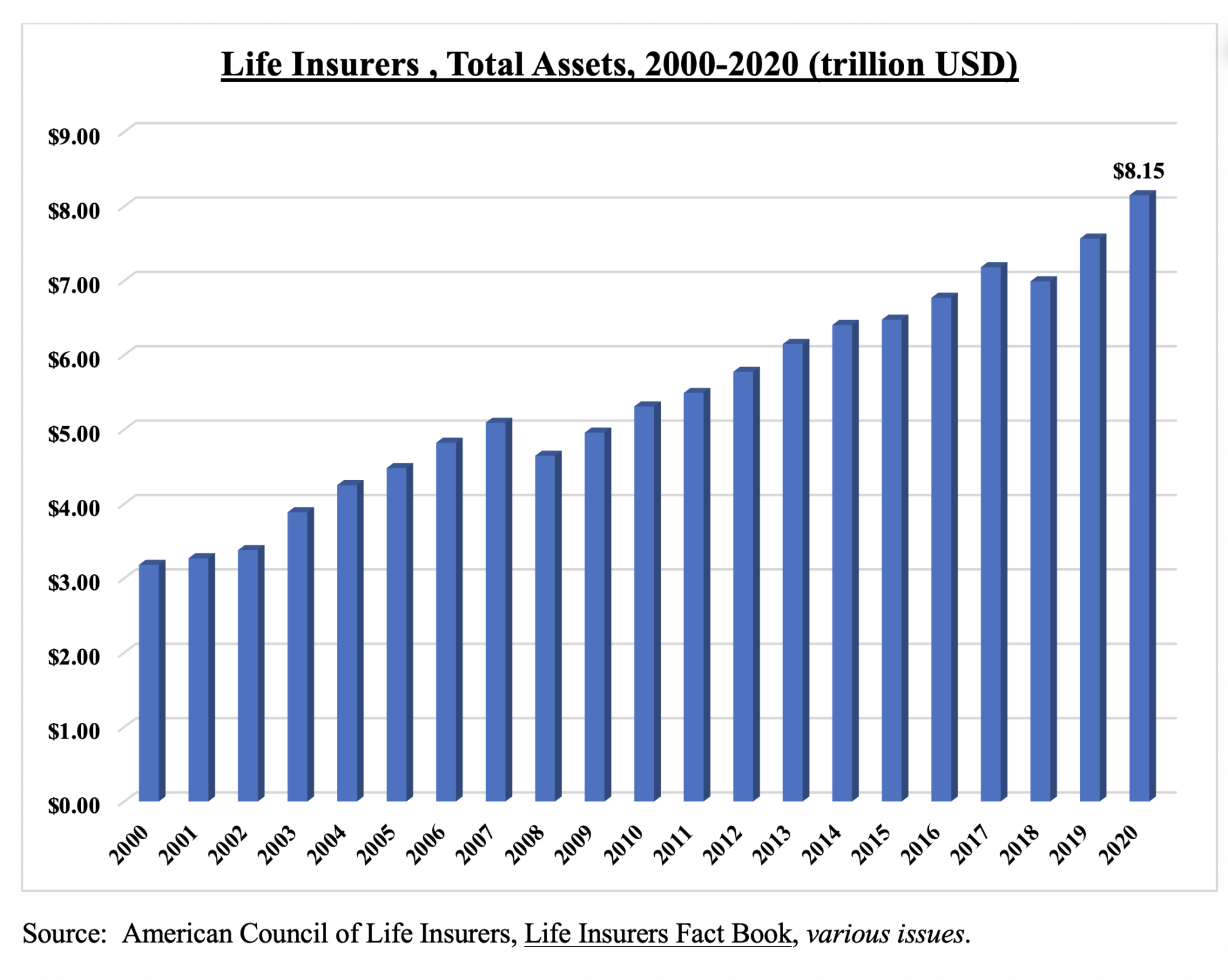
The American Council of Life Insurers represents approximately 275 member companies that account for 93 percent of industry assets in the United States. Given this massive footprint, the ACLI’s endorsement of H.R. 4537 was a powerful signal to Capitol Hill that the life insurance industry viewed international regulatory encroachment as a high-stakes economic risk.
The ACLI’s advocacy focused on several key areas:
- Preservation of State Authority: The ACLI argued that state regulators are best positioned to understand the unique risks of their local markets. H.R. 4537 mandates that federal representatives include state insurance commissioners in international negotiations, ensuring that the "boots-on-the-ground" experts have a seat at the table.
- Competitiveness of U.S. Insurers: If U.S. life insurers were forced to adopt international capital standards that are ill-suited for long-term products (like whole life insurance or annuities), they might be forced to hold excessive capital. This would lead to higher premiums for consumers and a reduced ability for insurers to invest in the U.S. economy.
- Transparency and Accountability: The bill requires that any international insurance standard be subject to public notice and comment. This prevents "backdoor" regulations from being implemented without the scrutiny of the American public or the life insurance industry.
By 2026, the ACLI has successfully utilized the spirit of H.R. 4537 to ensure that the "Team USA" approach remains unified. This approach consists of the Federal Insurance Office (FIO), the Federal Reserve, and the National Association of Insurance Commissioners (NAIC) working in concert rather than at cross-purposes.
Key Provisions and Requirements for Federal Negotiators
H.R. 4537 set forth rigorous requirements that federal officials must follow before signing off on any international agreement. These provisions were designed to create a "check and balance" system between the executive branch and the state-regulated insurance industry.
The Consultation Mandate
The legislation requires the Secretary of the Treasury and the Board of Governors of the Federal Reserve to consult with the National Association of Insurance Commissioners (NAIC). This is not a mere formality. The consultation must be substantive, focusing on whether a proposed international standard would disadvantage U.S. consumers or markets. In the context of 2026, this has evolved into a sophisticated technical exchange where state-level data is used to model the impact of international proposals before they are finalized.
The "No Disadvantage" Clause
A central pillar of H.R. 4537 is the requirement that federal negotiators ensure any international standard does not place U.S. insurers at a competitive disadvantage. This is particularly relevant for life insurers who manage long-term liabilities. International standards often favor short-term market valuations, which can create artificial volatility in the balance sheets of companies that provide 30-year life insurance policies or lifetime annuities.
Congressional Oversight
The bill ensures that Congress is not bypassed. It requires reports to the House Committee on Financial Services and the Senate Committee on Banking, Housing, and Urban Affairs regarding the progress of international negotiations. This transparency allows the ACLI and other stakeholders to provide timely input and ensure that negotiators are adhering to the "American-first" regulatory philosophy.
The Global Capital Standard (ICS) vs. the U.S. Aggregation Method
To understand why the ACLI fought so hard for H.R. 4537, one must understand the technical divide between the Insurance Capital Standard (ICS) and the Aggregation Method (AM). This technical debate is at the heart of international insurance diplomacy in 2026.
| Feature | International Capital Standard (ICS) | U.S. Aggregation Method (AM) |
|---|---|---|
| Primary Philosophy | Market-adjusted valuation and a consolidated group capital requirement. | Builds on existing legal entity requirements by "aggregating" capital across the group. |
| Valuation Basis | Often relies on current market prices, which can be volatile for long-term assets. | Uses a mix of statutory accounting and GAAP, emphasizing long-term stability. |
| Regulatory Lead | Developed by the IAIS with significant influence from European (Solvency II) models. | Developed by the NAIC and supported by the ACLI, FIO, and Federal Reserve. |
| Impact on Life Insurers | Potential for "pro-cyclicality," forcing insurers to sell assets during market downturns. | Designed to reflect the long-term nature of life insurance and annuity obligations. |
| Treatment of Products | May require higher capital buffers for products with guaranteed returns. | Recognizes the unique risk-mitigation strategies used by U.S. life insurers. |
The ACLI has consistently argued that the ICS is fundamentally flawed for the U.S. market because it does not account for the diverse regulatory landscape across the 50 states. H.R. 4537 provides the legal leverage to insist that the IAIS recognize the Aggregation Method as being "comparable" to the ICS, thereby allowing U.S. companies to operate globally without being forced to change their domestic accounting and capital practices.
Economic Implications for Policyholders and Life Insurers
The stakes of H.R. 4537 extend far beyond the boardrooms of large insurance conglomerates. The ultimate impact is felt by the millions of American families who rely on life insurance for financial security and annuities for retirement income.
If international standards were to be imposed without the protections of H.R. 4537, the following consequences would likely occur:
- Increased Premiums: Life insurance is a capital-intensive business. If regulatory requirements mandate that companies hold significantly more capital for the same amount of risk, that cost is inevitably passed on to the policyholder in the form of higher premiums.
- Reduced Product Availability: Certain long-term guarantees, such as those found in fixed indexed annuities or universal life policies, might become too "expensive" for companies to offer under a market-based international capital standard. This would limit the options available to Americans planning for retirement.
- Market Volatility: The ICS approach can lead to "pro-cyclical" behavior. If a market dip occurs, the ICS might show a sudden drop in an insurer's capital ratio, forcing them to sell assets at the worst possible time. The Aggregation Method, protected by H.R. 4537, allows for a more stable, long-term view of solvency.
By 2026, the ACLI’s focus on these economic impacts has helped maintain a robust and competitive market. The U.S. life insurance industry continues to be a major source of long-term investment in American infrastructure and corporate bonds, a role that would be jeopardized by ill-fitting international regulations.
Historical Context and the Legislative Legacy into 2026
While H.R. 4537 was a product of the 115th Congress, its influence has persisted through subsequent legislative cycles. In later years, similar language was incorporated into various "covered agreements" and trade bills, reinforcing the requirement that the U.S. government defend the state-based system.
The "covered agreement" between the U.S. and the European Union, for instance, was a major flashpoint where the principles of H.R. 4537 were put to the test. This agreement sought to eliminate collateral requirements for reinsurers while ensuring that U.S. companies were not subject to burdensome EU group supervision. The ACLI played a pivotal role in ensuring that the implementation of this agreement did not become a "Trojan Horse" for the ICS.
In the current landscape of 2026, we see the legacy of H.R. 4537 in the way the Federal Insurance Office (FIO) operates. Once viewed with skepticism by state regulators, the FIO has, under the guidance of these legislative mandates, become a staunch ally of the NAIC in international forums. This unified front, often referred to as "Team USA," is the direct result of the coordination requirements first championed in the International Insurance Standards Act.
Frequently Asked Questions
What was the primary purpose of H.R. 4537?
H.R. 4537 was designed to ensure that any international insurance standards agreed to by U.S. federal officials (like the Treasury or Federal Reserve) are consistent with existing U.S. state and federal laws. It aims to protect the U.S. state-based regulatory system from being superseded by global mandates that might not fit the American market.
Why did the ACLI support this bill?
The American Council of Life Insurers (ACLI) supported H.R. 4537 because it protects the competitiveness of U.S. life insurers. By ensuring that international standards like the Insurance Capital Standard (ICS) do not become mandatory in the U.S., the bill helps prevent unnecessary increases in capital requirements that would lead to higher premiums for consumers.
Does H.R. 4537 eliminate international cooperation?
No. Rather than ending cooperation, the bill establishes a framework for principled engagement. It requires federal negotiators to include state regulators in the process and to report back to Congress, ensuring that international agreements are transparent and beneficial to the U.S. insurance industry and its policyholders.
What is the "Aggregation Method" mentioned in the context of this bill?
The Aggregation Method (AM) is a U.S.-led approach to calculating group capital for insurance companies. Instead of a consolidated, market-adjusted global standard, it aggregates the existing capital requirements of each legal entity within a group. The ACLI and U.S. regulators advocate for the AM as a more stable and accurate measure of solvency for the U.S. market.
How does this legislation affect the cost of life insurance?
By preventing the imposition of ill-suited international capital standards, H.R. 4537 helps keep life insurance and annuity products affordable. If insurers were forced to adopt standards that require significantly more capital for long-term liabilities, the cost of providing those guarantees would rise, leading to higher prices for families and retirees.
Practical Recommendation for Stakeholders
For financial professionals and policy analysts in 2026, it is essential to monitor the ongoing "Monitoring Period" of the Insurance Capital Standard (ICS) and the IAIS’s assessment of the Aggregation Method. While H.R. 4537 provided the legislative shield, the practical defense of the U.S. system relies on the continued technical submission of data by U.S. insurers to prove the efficacy of the Aggregation Method.
Stakeholders should:
- Engage with the NAIC: State-level participation remains the most effective way to influence the "Team USA" position in international forums.
- Monitor ACLI Policy Briefs: As the primary advocate for the industry, the ACLI provides updated analysis on how international developments may impact domestic capital requirements.
- Advocate for Transparency: Support continued Congressional oversight of the Treasury and Federal Reserve to ensure that the consultation mandates of H.R. 4537 are strictly followed during international negotiations.
The protection of the U.S. insurance market is an ongoing process. H.R. 4537 established the rules of engagement, but the industry must remain vigilant to ensure that "international standards" do not become a burden on American consumers and the stability of the life insurance sector.