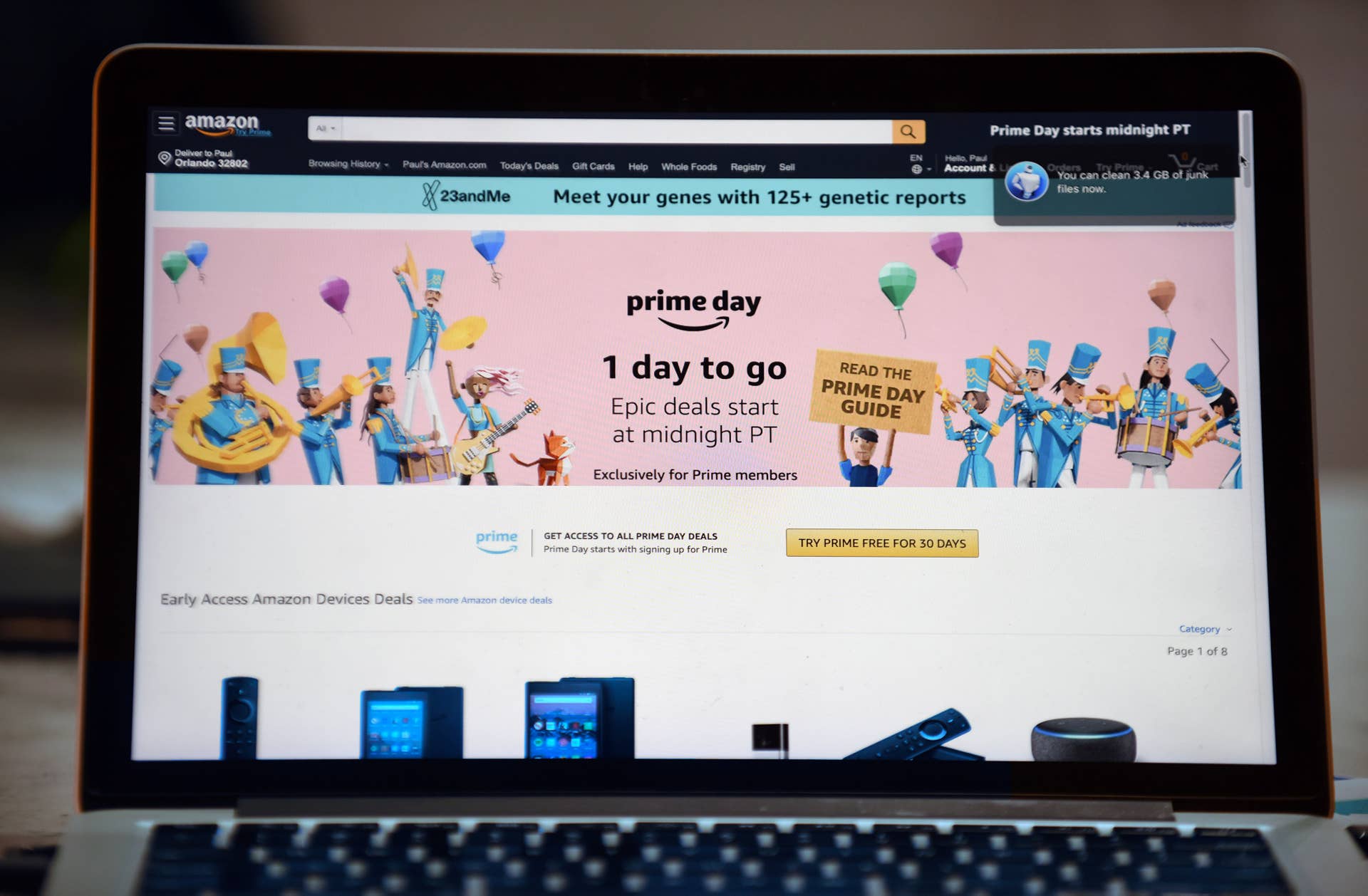
Yes, Amazon does have fake products circulating within its marketplace. While the company invests billions of dollars into machine learning and specialized units like the Counterfeit Crimes Unit (CCU), the sheer scale of millions of third-party sellers makes total elimination difficult. Counterfeiters often exploit "commingled inventory" and sophisticated listing hijacking techniques to sell fraudulent goods alongside authentic items.
The Structural Reality of the Amazon Marketplace
To understand why fake products persist on Amazon in 2026, one must first understand the architecture of the platform. Amazon is not a monolithic retailer; it is a hybrid of a direct retailer and a massive third-party marketplace. More than 60% of the physical units sold on Amazon come from independent sellers. This open-entry model is what allows for the incredible variety of products, but it also creates a porous border that bad actors frequently attempt to cross.
The most significant technical vulnerability involves Stickerless, Commingled Inventory. Under this system, Amazon may store identical products from different sellers in the same warehouse bin to optimize shipping speeds. If Seller A provides authentic headphones and Seller B provides high-quality counterfeits under the same Amazon Standard Identification Number (ASIN), the products might be binned together. When a customer purchases from Seller A, Amazon’s fulfillment robot might grab the unit provided by Seller B because it is closer to the packing station. While Amazon has moved away from this practice for high-risk brands, it remains a factor in various categories.
Furthermore, counterfeiters have become adept at listing hijacking. This occurs when a bad actor takes over an existing, highly-rated product listing by claiming to sell the same item at a lower price. They leverage the positive reviews and search ranking of the original product to sell substandard or fake versions until the automated systems or brand owners flag the discrepancy.
Amazon’s Defensive Infrastructure: 2026 Status
By 2026, Amazon’s anti-counterfeiting efforts have reached a state of "automated vigilance." The company utilizes a multi-layered defense strategy aimed at preventing fakes from being listed in the first place, rather than just reacting to them after a sale.
Brand Registry and Project Zero
The Amazon Brand Registry is the foundation of these efforts. It allows brands to provide Amazon with their intellectual property (IP) information, such as logos and trademarks. In 2026, this system uses advanced image recognition to scan millions of listings daily, looking for unauthorized uses of brand assets.
Project Zero takes this a step further by granting participating brands the "self-service" power to remove counterfeit listings from the store directly. Previously, brands had to report infringements to Amazon and wait for an investigation. Project Zero essentially deputizes brands, trusting their specialized knowledge of their own products to identify fakes faster than an external algorithm could.
The Transparency Program
The Transparency program is a product serialization service. Brands apply a unique, encrypted 2D code (similar to a QR code) to every unit they manufacture. Before an item is shipped from an Amazon fulfillment center, the code is scanned to verify its authenticity. If a unit lacks the code or if the code is a duplicate, it is flagged as counterfeit and never reaches the customer. Consumers can also use the Transparency app on their mobile devices to scan the code upon delivery, confirming the product's pedigree.
The Counterfeit Crimes Unit (CCU)
While technology handles the bulk of the work, the CCU—composed of former federal prosecutors, experienced investigators, and data analysts—focuses on the "offline" world. In 2026, the CCU works closely with global law enforcement agencies to pursue civil litigation and criminal referrals against counterfeiters, aiming to dismantle the supply chains that feed fake products into the digital ecosystem.
High-Risk Categories and Safety Concerns
Not all products on Amazon are equally likely to be faked. Counterfeiters generally target high-margin items or products with massive, consistent demand. In 2026, consumers should exercise the highest level of caution in the following areas:
- Consumer Electronics: Chargers, cables, and lithium-ion batteries are frequently faked. These are not just financial risks; poorly manufactured electronics are significant fire hazards.
- Beauty and Personal Care: High-end skincare, perfumes, and professional hair tools (like Dyson or GHD) are top targets. Fake cosmetics often contain harmful levels of heavy metals or bacteria due to unregulated manufacturing environments.
- Supplements and Nutrition: Protein powders and vitamins are susceptible to "re-labeling" or containing "filler" ingredients. Since these are ingested, the health risks are substantial.
- Designer and Luxury Goods: Premium handbags, shoes, and sunglasses are classic counterfeit targets. While Amazon’s "Luxury Stores" offer a gated environment for authentic goods, the general marketplace remains a battleground for these items.
How to Spot Fake Products Before You Buy
Identifying a counterfeit requires a mix of technical checks and common-sense evaluation of the listing's metadata.
Verify the "Sold By" and "Ships From" Entity
The most reliable way to avoid fakes is to look at the "Buy Box" on the right side of the screen.
- Ships from Amazon / Sold by Amazon: This is the safest option. Amazon sources these directly from the brand or authorized distributors.
- Ships from Amazon / Sold by [Brand Name]: Also very safe, as the brand is using Amazon's logistics but managing its own stock.
- Ships from [Third-Party Seller] / Sold by [Third-Party Seller]: This carries the highest risk. Always check the seller's profile, their business address, and their history of feedback.
Analyze the Price Point
Counterfeiters often use "too good to be true" pricing to lure buyers. If a premium electronic device is discounted by 60% while every other major retailer is selling it at full price, it is almost certainly a fake or a refurbished unit being sold as new. In 2026, specialized pricing tools and browser extensions can show you the historical price of an item; sudden, drastic drops from unknown sellers are major red flags.
Scrutinize the Reviews (Beyond the Star Rating)
Fake reviews often prop up fake products. Look for "Review Hijacking," where a product for a "High-End Wireless Mouse" somehow has 5,000 five-star reviews that all talk about "how great this brand of coffee tastes." This indicates the seller took over an old, successful listing and changed the product details. Additionally, look for patterns in "Verified Purchase" reviews. If dozens of reviews appear on the same day with similar phrasing, they are likely generated by a bot farm.
| Indicator | Authentic Listing | Counterfeit Red Flag |
|---|---|---|
| Seller Identity | Major brand or Amazon.com | Generic names or random strings of letters. |
| Price | Consistent with MSRP/Retail. | Unusually low (40-70% off). |
| Product Photos | High-resolution, professional, consistent. | Low-res, stolen from other sites, or watermarked. |
| Review Context | Reviews match the actual product. | Reviews describe a completely different item. |
| Shipping Origin | Amazon Fulfillment Center or domestic. | International shipping with 3-4 week lead times. |
| Packaging | Retail packaging with UPC/EAN. | Plain boxes or bags; missing branding. |
What to Do If You Receive a Fake Product
If a counterfeit product makes it past Amazon's defenses and into your home, you are protected by the A-to-Z Guarantee. This policy covers both the timely delivery and the condition of your items.
- Stop Use Immediately: Particularly with electronics, cosmetics, or supplements, do not use the item.
- Document the Evidence: Take photos of the packaging, the product, and any discrepancies (misspelled words, missing logos, or flimsy materials).
- Contact the Seller First: If it was a third-party seller, give them 48 hours to respond. Many reputable third-party sellers may have been duped by their own suppliers and will offer an immediate refund.
- File an A-to-Z Claim: If the seller is uncooperative, go to your "Orders" page and select "Problem with Order." Choose "Item not as described" or "Item is a counterfeit/fake."
- Report the Infringement: Use Amazon’s "Report a Product" or "Report a Seller" tools. This helps Amazon's machine learning models identify the fraudulent batch and prevents other customers from being scammed.
FAQs
Can Amazon ban a seller for one fake product?
Amazon generally uses a "strike" system, but for blatant counterfeiting of major brands, they can and do permanently ban accounts on the first offense. In 2026, their enforcement is stricter than in previous years, often involving the freezing of the seller's funds to provide restitution to affected customers.
Is "Fulfillment by Amazon" (FBA) a guarantee of authenticity?
No. FBA simply means Amazon handles the shipping and customer service. While it makes the return process easier, the inventory could still be from a third-party seller. Only "Sold by Amazon" or "Sold by [Verified Brand]" offers the highest level of security.
How do I know if a "Transparency" code is real?
A genuine Transparency code is a unique 2D barcode (not a standard UPC) that usually has a small "T" logo next to it. You must use the official Amazon or Transparency app to scan it. A fake code will either fail to scan or return an "Invalid Code" error in the app.
Are refurbished products the same as fakes?
No. Refurbished products (often sold under the Amazon Renewed program) are legitimate items that have been cleaned and tested. However, they should be clearly labeled as "Renewed" or "Used." A refurbished item sold as "New" is a violation of Amazon policy, though not technically a counterfeit.
Why does Amazon allow third-party sellers if fakes are a problem?
The third-party marketplace is essential for Amazon’s "Long Tail" strategy—offering nearly every product imaginable. Without third-party sellers, Amazon would have a much smaller inventory. The company balances the risk of fakes with the benefit of selection and price competition.
Practical Recommendation
When shopping on Amazon in 2026, the safest protocol is to prioritize listings that are Sold and Shipped by Amazon.com. If you must buy from a third-party seller, check their profile for a domestic business address and a history of at least 90% positive feedback over the last twelve months. For high-risk items like skincare or electronics, visit the official brand's website first to see if they have an "Official Amazon Storefront," and always follow the link directly from the brand's site to ensure you are on the correct ASIN.