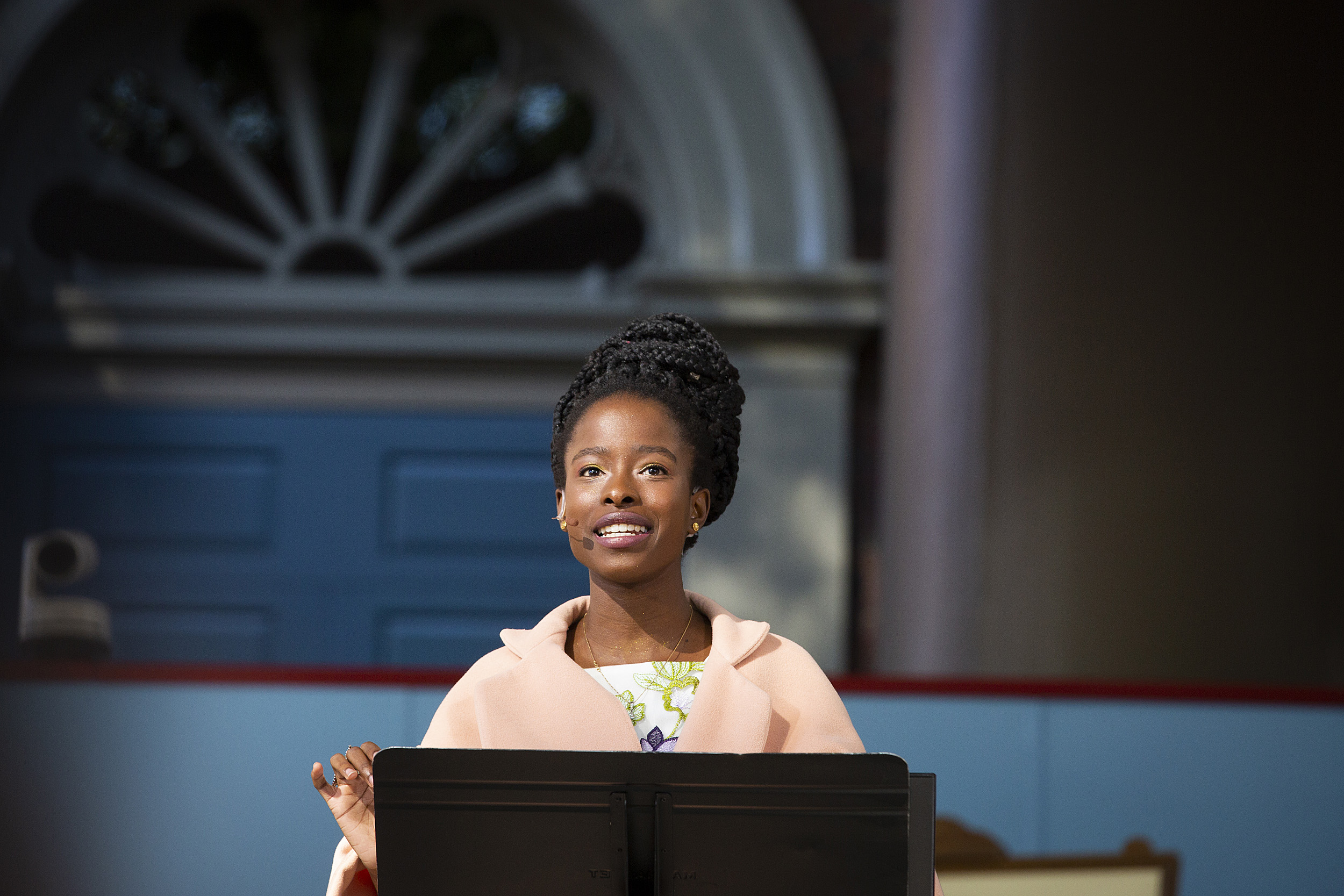
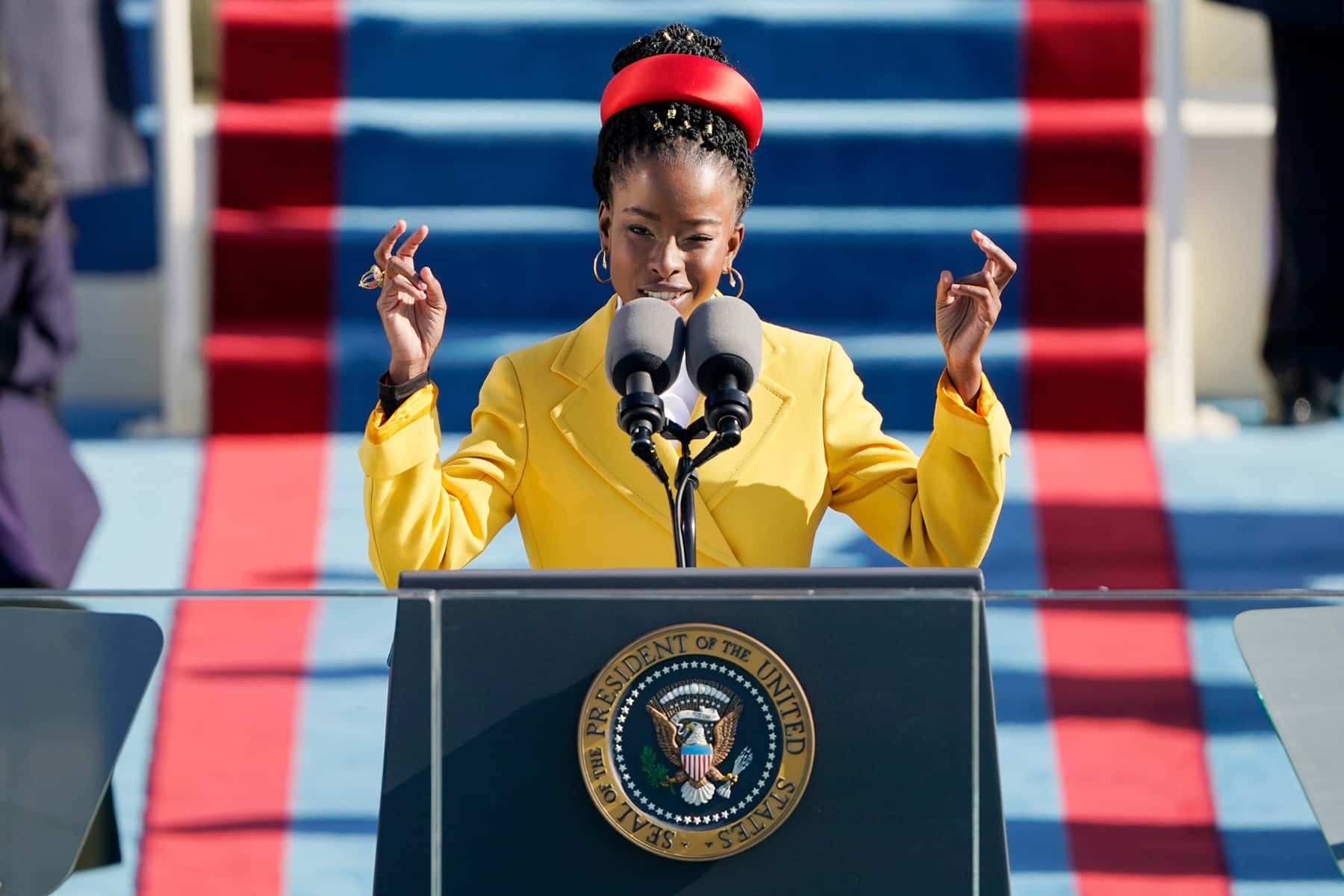
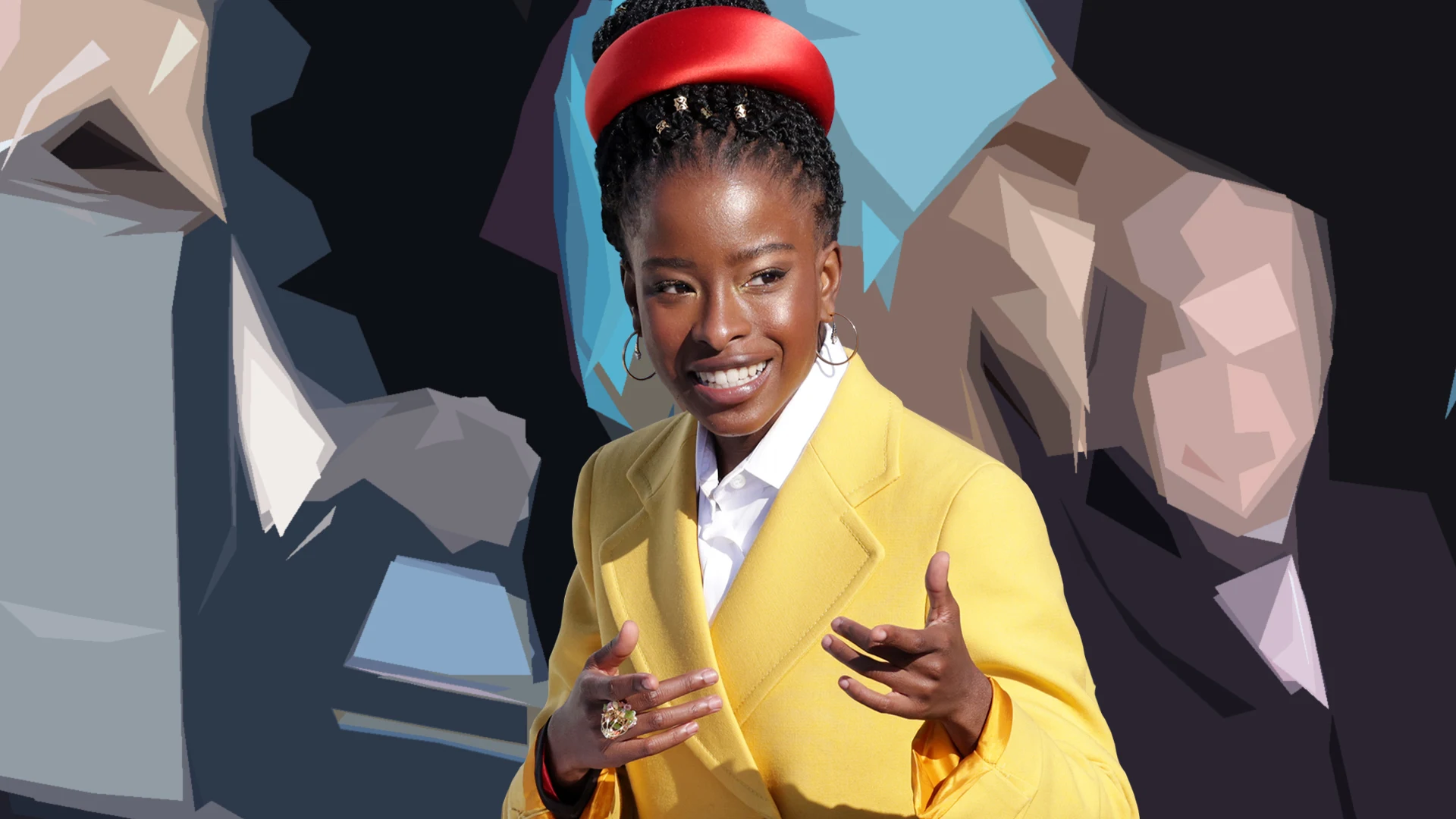
On January 20, 2021, Amanda Gorman became the youngest inaugural poet in United States history, delivering her original work "The Hill We Climb" at the swearing-in ceremony of President Joe Biden. Her performance captured global attention for its lyrical cadence, thematic focus on national unity and healing, and the significance of her role in a long-standing presidential tradition that highlights the intersection of civic life and the arts.
The Tradition of the Inaugural Poet
The practice of inviting a poet to read at a presidential inauguration is not a mandated constitutional duty, but rather a curated tradition that underscores the cultural importance of the office. Before Amanda Gorman, only five other poets had been invited to participate in this ceremony, beginning with Robert Frost in 1961, who read for John F. Kennedy. Subsequent poets included Maya Angelou, Miller Williams, Elizabeth Alexander, and Richard Blanco.
By selecting a poet, an incoming administration signals an intent to bridge political divide with cultural reflection. The role of the inaugural poet is to synthesize the mood of the nation—acknowledging the challenges of the present while casting a vision for the future. Amanda Gorman’s selection at age 22 marked a significant departure from the demographic norms of previous inaugural poets, who were typically established, mid-career, or senior figures in the literary world. Her presence represented a generational shift, bringing the voice of younger Americans into the highest levels of civic ceremony.
Background and Selection Process
Amanda Gorman was already an established voice in poetry before the 2021 ceremony. In 2017, she was named the first National Youth Poet Laureate of the United States. A graduate of Harvard University with a degree in sociology, Gorman’s work frequently explores themes of race, identity, feminism, and environmental justice.
Her selection for the inauguration was spearheaded by Dr. Jill Biden, who had seen a video of Gorman performing at the Library of Congress. The committee sought a voice that could speak to the profound polarization and social unrest that defined the United States at the end of 2020. The vetting process for such a high-profile role is intense, requiring the poet to submit drafts that align with the tone of the transition—one of gravity, resilience, and hope—while maintaining the artistic integrity required of an inaugural poem.
Analyzing "The Hill We Climb"
"The Hill We Climb" serves as the primary text of Gorman’s tenure as inaugural poet. The poem is characterized by its use of anaphora, rhythmic repetition, and internal rhyme, which provide a sense of urgency and momentum.
Key Themes of the Piece
- Healing through Acknowledgment: The poem does not ignore the "fractured" state of the country; instead, it acknowledges the reality of the struggle while insisting on a path forward.
- The Burden of Heritage: Gorman frames history not as a static weight, but as a "bequest" that the current generation must refine.
- Democracy as an Active Process: Rather than portraying democracy as a fixed system, the poem describes it as an ongoing project that is "never defeated" but constantly "delayed."
The technical mastery in her delivery—her pacing, her use of hand gestures, and her command of the stage—demonstrated a synthesis of spoken word performance and traditional oratorical structure. This approach made the poem accessible to a broad, televised audience while retaining the depth required for literary analysis.
Comparative Context of Inaugural Poets
To understand the weight of Amanda Gorman’s contribution, it is helpful to look at the specific contributions of her predecessors. Each poet provided a different lens through which to view the American experience.
| Poet | Year | President | Contextual Focus |
|---|---|---|---|
| Robert Frost | 1961 | John F. Kennedy | The promise of a new era and national expansion. |
| Maya Angelou | 1993 | Bill Clinton | Inclusivity, history, and the American tapestry. |
| Miller Williams | 1997 | Bill Clinton | Commonality and the shared challenges of citizens. |
| Elizabeth Alexander | 2009 | Barack Obama | Everyday life and the dignity of individual labor. |
| Richard Blanco | 2013 | Barack Obama | The immigrant experience and the American dream. |
| Amanda Gorman | 2021 | Joe Biden | Resilience, unity, and generational transformation. |
Requirements and Challenges of the Role
Serving as an inaugural poet involves more than simply writing a poem. The participant must navigate strict security protocols, coordinate with the Joint Congressional Committee on the Inaugural Ceremonies, and adapt their work to the specific logistics of the inauguration platform.
Preparation and Logistics
- Drafting and Revision: The poet must undergo multiple rounds of review to ensure the work resonates with the administration's messaging while remaining authentic to the artist's voice.
- Performance Training: Because the inauguration is a globally broadcast event, the poet must manage technical factors such as wind, sound amplification, and the presence of teleprompters.
- Media Engagement: Following the ceremony, the inaugural poet often faces an immediate transition from literary figure to public icon, requiring a high level of media literacy and composure.
One of the significant challenges Gorman faced—and successfully navigated—was the pressure of delivering a message of unity during a time of extreme political volatility. She had to strike a balance between being a chronicler of the country’s pain and a herald of its potential recovery.
The Impact on Contemporary Poetry
Amanda Gorman’s performance significantly elevated the profile of poetry in the American public consciousness. Following her appearance, there was a measurable surge in interest regarding poetry books, with publishers noting increased demand for collections by both established and emerging poets. Her work helped reintroduce the concept of the "civic poet" to a younger generation that might otherwise associate poetry solely with academic curriculum.
The visibility of her performance provided a blueprint for how future administrations might engage with the arts. It demonstrated that poetry is not a relic of the past but a dynamic tool for contemporary political and social discourse. By centering a young Black woman at the heart of the ceremony, the event also challenged traditional notions of who holds space in national history.
Common Criticisms and Academic Reception
As with any high-profile public art, the reception of "The Hill We Climb" was varied. While the overwhelming majority of the public and literary critics praised the work for its accessibility and hopefulness, some academic critics debated the balance between rhetorical simplicity and poetic complexity.
Critics who favor experimental or avant-garde poetry occasionally argued that the demands of an inaugural poem—which must appeal to a mass audience—limit the capacity for the darker, more nuanced ironies that define great poetry. However, supporters argue that the primary goal of an inaugural poem is communication and consensus-building, making the accessibility of Gorman’s language a stylistic choice rather than a limitation.
Practical Guidance for Aspiring Civic Poets
For students, writers, and citizens interested in the intersection of poetry and civic life, Gorman’s career provides a roadmap for effective engagement.
- Study the Craft of Orality: Poetry intended for public performance requires attention to cadence and sonic patterns that differ from poetry intended solely for the page.
- Engage with Sociological Themes: The most impactful civic poetry often draws from an understanding of current social structures, history, and the lived experiences of diverse communities.
- Build a Platform of Service: Gorman’s rise was bolstered by her roles as a Youth Poet Laureate and her active engagement in community initiatives, which gave her work a foundation in lived experience.
- Consistency over Intensity: Aspiring poets should focus on developing a consistent body of work rather than waiting for a singular, high-profile opportunity to arrive.
Frequently Asked Questions
Is the inaugural poet an official government position? No, the inaugural poet is a ceremonial role. There is no official government job title, salary, or permanent tenure associated with the position. It is an invitation extended by the incoming presidential administration to highlight the cultural significance of the event.
How is the inaugural poet chosen? The process varies by administration. Often, the President-elect and their spouse, along with inaugural committee members, identify poets whose work aligns with the themes of the upcoming term. They look for artists who can synthesize national sentiment and provide a message of unity.
Are there rules regarding what the poem must be about? There are no written rules, but the poem is subject to a review process to ensure it is appropriate for a state event. Poets are generally expected to focus on themes of democracy, history, the future, and national character.
Does every president have an inaugural poet? No. The tradition is intermittent. Many presidents have chosen to include other forms of art, such as musical performances or religious invocations, without a poetry reading. The participation of a poet is a symbolic choice made by the incoming administration.
How does an inaugural poem differ from other poetry? An inaugural poem is written for a specific, massive, and diverse audience. It must be accessible, resonant, and formal enough for a state ceremony, whereas other forms of poetry may be more experimental, private, or targeted toward smaller, niche audiences.
Moving Forward: The Legacy of the Role
Amanda Gorman’s role as the inaugural poet established a new benchmark for how art can function within a presidential context. Her ability to synthesize historical pain with future-oriented optimism provided a template for how public figures can address an audience divided by ideology. As the United States moves toward future elections, the question of whether to invite a poet—and whom that poet might be—will remain a significant indicator of an administration’s priorities.
For those observing the evolution of American literature, Gorman’s work stands as a reminder that the health of a democracy is often reflected in its ability to listen to its poets. The next actions for those inspired by this legacy involve supporting local poetry initiatives, engaging in youth arts programs, and recognizing that the "hill" described in her poem is one that requires continuous climbing by every generation of citizens.