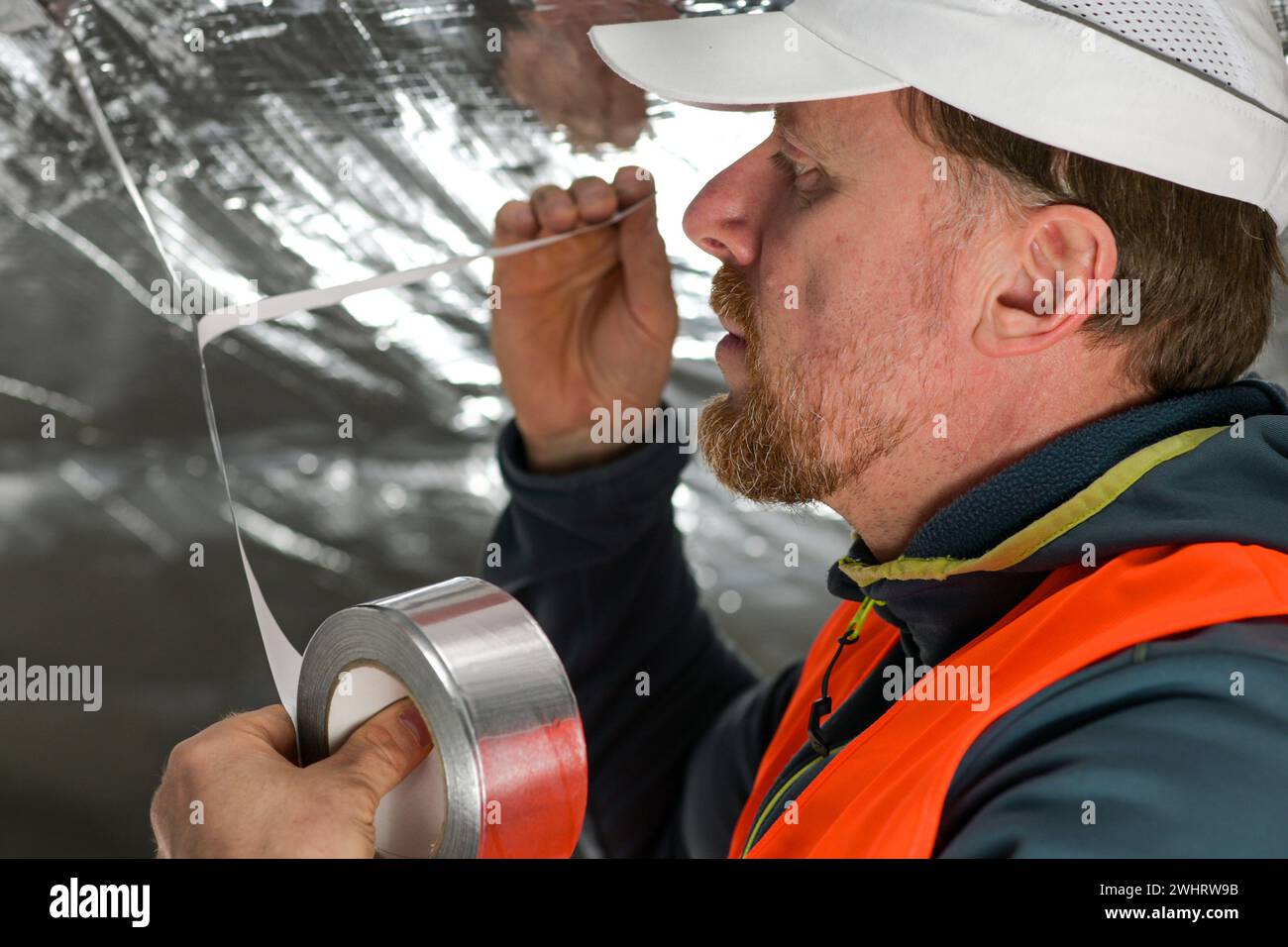
Aluminium tape is a high-performance adhesive solution used for sealing, shielding, and repairing across construction, aerospace, and culinary industries. Its primary utility lies in its ability to provide a vapor-proof, heat-reflective, and flame-retardant barrier that remains stable under extreme temperatures and environmental stress.
While often confused with standard silver "duct tape," true aluminium foil tape is a distinct engineering material. In 2026, as energy efficiency standards for buildings and industrial processes become increasingly stringent, the role of aluminium tape has evolved from a simple repair tool to a critical component in thermal management and moisture control. This guide explores the technical specifications and diverse applications of this versatile material, ranging from heavy-duty infrastructure to specialized kitchen environments.
The Technical Anatomy of Aluminium Tape
To understand why aluminium tape is preferred over other adhesives, one must analyze its construction. Unlike cloth-backed tapes, aluminium tape consists of a thin foil of high-tensile aluminium, typically ranging from 30 to 50 microns (1.2 to 2.0 mils) in thickness. This foil is coated with a high-performance adhesive—usually a cold-weather acrylic or a heavy-duty synthetic rubber—and backed with a silicone-coated release liner to prevent the tape from sticking to itself before application.
Adhesive Chemistry
The choice of adhesive determines the tape's functional environment. Acrylic adhesives offer superior longevity and resistance to UV light and fluctuating temperatures, making them the standard for permanent HVAC installations. In contrast, rubber-based adhesives provide a faster "quick stick" and higher initial tack, which is often preferred for temporary shielding or industrial masking where the tape may be removed later.
Metallurgical Properties
Aluminium is naturally resistant to corrosion and possesses a high level of thermal conductivity. However, when used as a tape, its reflectivity is its most prized trait. It can reflect up to 95% of thermal radiation. Furthermore, the foil acts as a total barrier against water vapor, oxygen, and light, which are the primary catalysts for degradation in building materials and food products alike.
Aluminium Tape in Construction and HVAC
The most common professional application for aluminium tape is in the heating, ventilation, and air conditioning (HVAC) sector. In 2026, with the widespread adoption of high-efficiency heat pumps and airtight building envelopes, the integrity of ductwork sealing is more important than ever.
Sealing Rigid and Flexible Ductwork
In HVAC systems, air leakage leads to massive energy waste and poor indoor air quality. Aluminium tape is used to seal the joints and seams of rigid fiberglass duct boards and flexible air ducts. Unlike traditional cloth duct tape, which dries out, becomes brittle, and fails within years, aluminium tape maintains a permanent bond.
To meet safety standards, professionals look for tapes with specific ratings, such as UL 181A-P (for rigid ducts) or UL 181B-FX (for flexible ducts). These certifications ensure the tape has been tested for flame spread, smoke development, and long-term adhesion under thermal cycling.
Vapor Barriers and Insulation Seaming
In modern construction, maintaining a continuous vapor barrier is essential for preventing mold growth within wall cavities. Aluminium tape is used to join sheets of foil-faced insulation (such as PIR or phenolic boards). By sealing the seams with a matching aluminium surface, contractors ensure that moisture cannot penetrate the insulation layer, preserving the R-value (thermal resistance) of the entire assembly.
Pipe Lagging and Thermal Shielding
For hot water pipes or steam lines, aluminium tape is used to secure insulation jackets. Its heat-reflective surface prevents radiant heat loss, while its fire-resistant properties provide an extra layer of safety in mechanical rooms.
Industrial and Automotive Utility
Beyond the walls of a building, aluminium tape serves critical functions in high-stakes industrial environments. Its ability to act as a shield against both heat and electromagnetic interference (EMI) makes it indispensable.
Aerospace and Automotive Heat Management
In the automotive industry, aluminium tape is frequently used as a heat shield for sensitive components located near the exhaust system or engine block. It protects wiring harnesses and fuel lines from radiant heat damage. In the aerospace sector, specialized versions of this tape are used for "speed tape" applications—temporary, high-strength repairs on non-critical aircraft surfaces that must withstand high winds and extreme temperature shifts at cruising altitudes.
EMI and RFI Shielding
Because aluminium is conductive, the tape can be used to create a "Faraday cage" effect around sensitive electronic components. This prevents Electromagnetic Interference (EMI) and Radio Frequency Interference (RFI) from disrupting signals. This is common in the manufacturing of medical devices, telecommunications equipment, and high-end consumer electronics.
Chemical Masking and Plating
During industrial processes like electroplating or chemical stripping, aluminium tape acts as an effective mask. Its metal backing is resistant to many corrosive chemicals, ensuring that only the intended areas of a workpiece are treated.
Culinary and Kitchen Applications
While construction and industry dominate the market, aluminium tape has carved out a unique niche in the culinary world, particularly in commercial kitchen maintenance and specialized cooking techniques.
Commercial Appliance Repair
Commercial kitchens rely on heavy-duty refrigeration and high-heat ovens. Aluminium tape is the standard for repairing internal liners in walk-in freezers or sealing gaps in stainless steel prep stations. Its ability to withstand temperatures from -30°C to over 120°C (-22°F to 248°F) makes it ideal for environments that oscillate between extreme cold and intense heat.
Sous-Vide and Precision Cooking
In the realm of modern precision cooking, aluminium tape is often used to insulate sous-vide water baths. By applying the tape to the exterior of a polycarbonate container, chefs can reduce heat loss, allowing the immersion circulator to maintain precise temperatures with less energy. It also serves as a seal for "probe ports," where a thermometer is inserted through the lid of a vessel to monitor core food temperatures without letting steam escape.
Food Transport and Insulation
For catering services in 2026, maintaining the "cold chain" or "hot chain" during transport is a regulatory requirement. Aluminium tape is used to seal specialized thermal blankets and reflective transport boxes. This ensures that the reflective barrier remains unbroken, keeping hot food above 60°C (140°F) or cold food below 4°C (40°F) for extended periods.
Important Safety Note: While aluminium foil is food-safe, the adhesives on most industrial aluminium tapes are not rated for direct contact with food. In culinary applications, the tape should be used on the exterior of containers or for structural repairs where it will not touch the edible product.
Comparison of Common Adhesive Tapes
Choosing the correct tape is vital for safety and performance. The following table compares aluminium foil tape with other common varieties used in construction and repair.
| Feature | Aluminium Foil Tape | Cloth "Duct" Tape | Butyl Tape |
|---|---|---|---|
| Backing Material | Dead-soft Aluminium Foil | Polyethylene-coated Cloth | Synthetic Rubber/Mastic |
| Temperature Range | -35°C to 150°C+ | -5°C to 65°C | -40°C to 90°C |
| UV Resistance | Excellent | Poor (degrades in sun) | Good |
| Vapor Barrier | Total Block | Breathable/Porous | Total Block |
| Primary Use | HVAC, Heat Shielding | Temporary Bundling | Waterproofing, Roofing |
| Lifespan | 20+ Years | 1-2 Years | 15-20 Years |
| UL Rating | Often UL 181 Rated | Rarely Rated for HVAC | N/A |
Best Practices for Application
The effectiveness of aluminium tape is highly dependent on how it is applied. Even the highest-quality tape will fail if the surface is not prepared correctly.
- Surface Cleaning: The most common cause of tape failure is surface contamination. Dust, oil, and moisture prevent the acrylic adhesive from forming a permanent bond. Surfaces should be cleaned with isopropyl alcohol or a specialized degreaser before application.
- Temperature Management: Most aluminium tapes should be applied at temperatures above 4°C (40°F), although "cold-weather" versions exist that can be applied down to -10°C. Once cured, the bond can withstand much higher and lower temperatures.
- Pressure Application: Aluminium tape uses pressure-sensitive adhesive (PSA). Simply laying the tape down is insufficient. A plastic squeegee or "felt-edge" tool should be used to rub the tape firmly onto the surface, removing air bubbles and ensuring 100% contact.
- Avoiding Overstretch: Because aluminium is a "dead-soft" metal, it does not have the elasticity of plastic tape. If stretched too tightly during application, it may tear or pull away from the edges as the substrate expands or contracts.
Common Mistakes to Avoid
- Using Tape as a Structural Support: Aluminium tape is a sealant, not a fastener. It should not be used to hold heavy pipes or ducts in place. Mechanical fasteners (screws, clamps) must provide the structural integrity, while the tape provides the airtight seal.
- Replacing Mastic with Tape in High-Vibration Areas: In some high-velocity industrial duct systems, vibration can cause foil tape to fatigue and crack over time. In these specific cases, a combination of fiber mesh and liquid mastic may be required by local codes.
- Ignoring the Release Liner: Always remove the liner as you go. Pulling off a long strip of tape and trying to manage it often leads to the tape folding and sticking to itself, which ruins the foil's integrity.
Frequently Asked Questions
Is aluminium tape the same as silver duct tape?
No. Standard duct tape has a cloth backing and a rubber adhesive that dries out and fails when exposed to heat. True aluminium tape is made of solid metal foil and is specifically engineered to withstand the high temperatures and pressure found in HVAC systems.
Can aluminium tape be used to fix a leaking pipe?
Aluminium tape is not designed for high-pressure water leaks. While it is waterproof and acts as a vapor barrier, it lacks the tensile strength to hold back pressurized water. For plumbing leaks, a specialized silicone "self-fusing" tape or a mechanical repair clamp is more appropriate.
Is aluminium tape fireproof?
Aluminium foil itself is non-combustible and has high flame-retardant properties. Most professional-grade foil tapes are rated "Class 0" for flame spread and smoke development. However, the adhesive backing can eventually degrade at extremely high temperatures (usually above 200°C), so it is not a substitute for fire-stopping materials in fire-rated walls.
Can I use aluminium tape on my car's exhaust?
It can be used as a temporary heat shield on the bodywork near the exhaust to reflect heat away. However, it should not be wrapped directly around the exhaust manifold or tailpipe, as the temperatures in those areas can exceed the operating range of the adhesive, causing it to smoke or smell.
Is it safe to use in a microwave?
No. Metal of any kind, including aluminium tape, should never be placed inside a microwave. It will reflect the microwaves, causing arcing (sparking), which can damage the appliance and start a fire.
Recommendation for 2026
When sourcing aluminium tape in 2026, prioritize products that carry the ASTM E84 certification for surface burning characteristics and UL 181 for duct sealing. For culinary or home DIY use, ensure the tape has a minimum thickness of 40 microns to prevent tearing during application. For any application involving thermal management, always apply the tape to a clean, dry surface using a squeegee to ensure the adhesive achieves its maximum designed bond strength.