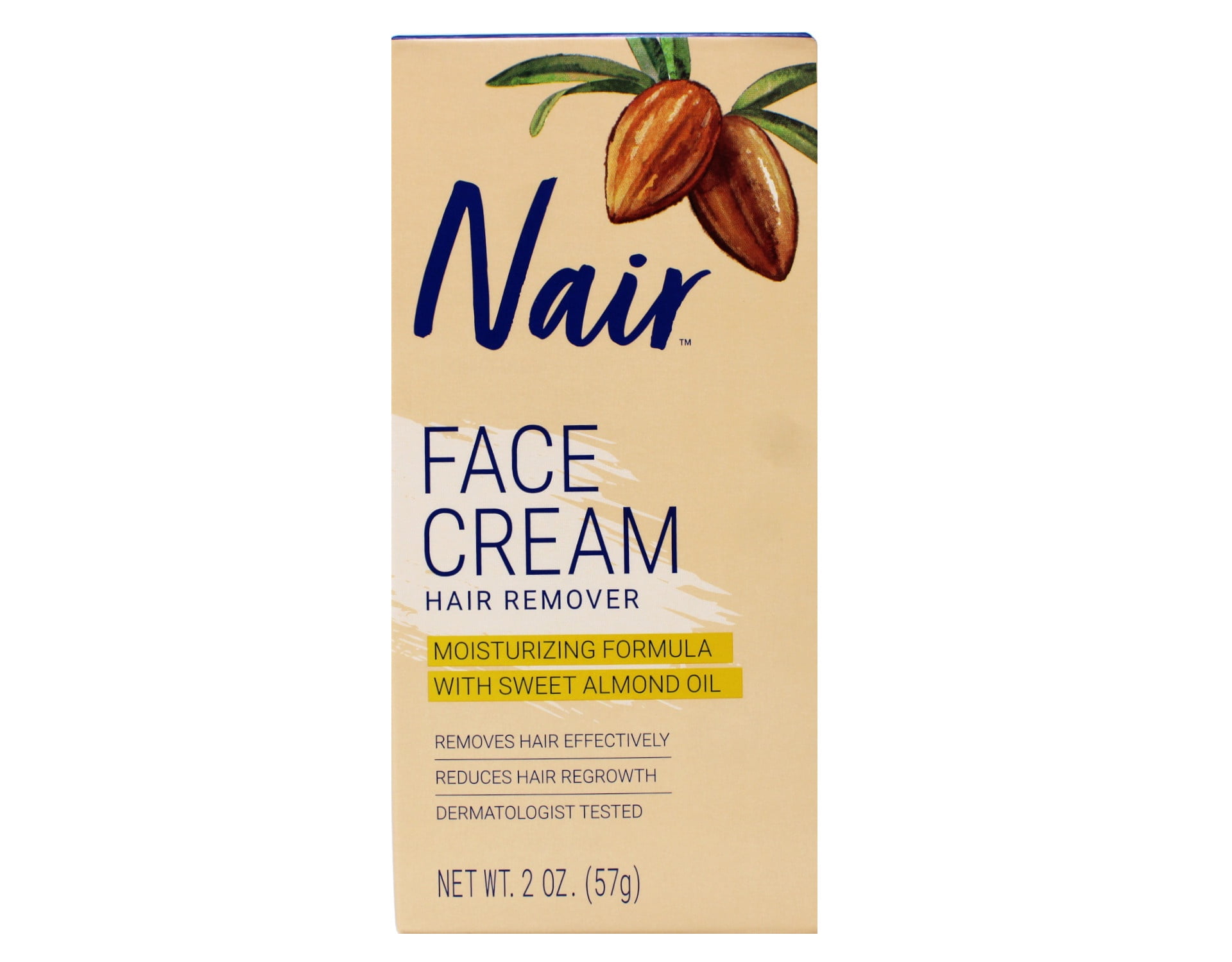
Finding the best alternative to Nair depends on your skin sensitivity and how long you want to remain hair-free. Options range from sugaring and waxing for weeks of smoothness to IPL and laser treatments for permanent hair reduction. For those with sensitive skin, electric shavers or crystal hair erasers provide irritation-free results without the harsh chemicals found in traditional depilatories.
Why Seek Alternatives to Nair?
For decades, Nair (a brand of chemical depilatory) has been a household name for quick hair removal. However, by 2026, many consumers are moving toward alternatives due to the inherent drawbacks of chemical creams. The primary active ingredients in Nair—typically calcium thioglycolate or potassium thioglycolate—work by breaking down the disulfide bonds in keratin, the protein structure of hair. While effective, this process can be aggressive.
Common reasons for seeking alternatives include:
- Chemical Irritation: The high pH levels required to dissolve hair can cause chemical burns, redness, and "strawberry legs" (folliculitis).
- The Scent: Despite fragrance improvements, the sulfurous "rotten egg" smell remains a deterrent for many.
- Short-Term Results: Because depilatories only remove hair at or slightly below the skin's surface, regrowth often appears within two to four days.
- Environmental Concerns: The synthetic chemicals and plastic packaging of disposable cream tubes have led eco-conscious users toward more sustainable practices.
1. Professional and At-Home Sugaring: The Natural Choice
Sugaring is frequently cited as the premier alternative for those who enjoy the results of waxing but have sensitive skin. This ancient Middle Eastern technique uses a paste made entirely of sugar, lemon juice, and water.
How Sugaring Works
Unlike waxing, which is applied in the direction of hair growth and pulled against it, sugaring paste is applied against the grain and flicked off in the direction of hair growth. This fundamental difference significantly reduces the likelihood of hair breakage and ingrown hairs. Because the paste is water-soluble, it does not stick to live skin cells, only to the hair and dead skin, resulting in less trauma and redness.
Benefits for Smooth Skin
Sugaring provides exfoliation alongside hair removal. Since the hair is removed from the root, skin stays smooth for three to six weeks. Over time, consistent sugaring can lead to a reduction in hair density and thickness. In 2026, many dermatologists recommend sugaring for the bikini area and underarms, where skin is most prone to chemical reactions from depilatory creams.
2. Waxing: Hard vs. Soft Wax Options
Waxing remains a pillar of the hair removal industry because of its reliability and long-lasting effects. If you find Nair too messy or irritating, waxing offers a more controlled application.
Hard Wax
Hard wax is applied warmly to the skin and hardens as it cools. It "shrink-wraps" the hair without adhering to the skin itself. This makes it ideal for sensitive areas like the face, underarms, and Brazilian area. It is far less likely to cause the "lifting" of skin that can occur with chemical depilatories or soft wax.
Soft Wax (Strip Wax)
Soft wax is applied in a thin layer and removed with a cloth or paper strip. It is highly efficient for large areas like the legs and back. While it can be more painful than hard wax, it is incredibly fast and leaves the skin feeling very smooth due to the simultaneous removal of the top layer of dead skin cells.
3. Epilating: The Mechanical Alternative
An epilator is an electric device equipped with a series of tiny rotating tweezers. As you glide the device over your skin, it mechanically grabs multiple hairs and pulls them out from the follicle.
Precision and Longevity
Epilation offers the same longevity as waxing (up to four weeks of smoothness) without the need for sticky substances or chemical reactions. Modern epilators in 2026 often feature wet/dry capabilities, allowing you to use them in the shower where warm water helps open pores and reduce discomfort.
Technical Considerations
While the initial cost of a high-quality epilator is higher than a tube of Nair, it is a one-time investment. Users should look for models with ceramic discs and multiple speed settings. To achieve the best results, hair should be between 0.5mm and 2mm long; any longer, and the device may break the hair rather than pull it; any shorter, and the tweezers may not grip.
4. Light-Based Solutions: Laser and IPL
For those looking to move beyond the cycle of temporary hair removal, light-based technologies offer the most significant advancement.
Intense Pulsed Light (IPL)
IPL devices use broad-spectrum light to target the melanin in the hair follicle. The heat generated by the light puts the follicle into a "resting phase," causing the hair to fall out and preventing regrowth. By 2026, at-home IPL devices have become highly sophisticated, featuring built-in skin tone sensors that automatically adjust intensity to prevent burns.
Laser Hair Removal
Professional laser hair removal uses a concentrated beam of light (monochromatic) to destroy the follicle. While more expensive than IPL, it is more precise and generally more effective for a wider range of skin tones and hair colors. Laser is the gold standard for achieving "permanent" hair reduction, often requiring only annual touch-ups after an initial series of treatments.
5. Crystal Hair Erasers: The Physical Exfoliation Method
A newer entrant into the smooth-skin market is the crystal hair eraser. These devices use nano-glass technology to physically clump and break hair away from the skin surface when rubbed in a circular motion.
Why It Replaces Nair
Crystal hair erasers provide an immediate result similar to shaving or Nair but without the blades or chemicals. The friction also serves as a deep exfoliation, leaving the skin feeling remarkably soft. However, users must be cautious not to apply too much pressure, as over-exfoliation can lead to "strawberry skin" or rug-burn-like irritation. They are best suited for use on the legs and arms.
Comparison of Hair Removal Methods (2026 Data)
| Method | Duration of Smoothness | Pain Level | Best For | Cost (Per Session/Year) |
|---|---|---|---|---|
| Nair (Depilatory) | 2–4 Days | Low (if no burn) | Large areas | Low ($) |
| Sugaring | 3–6 Weeks | Moderate | Sensitive skin | Medium ($$) |
| Waxing | 3–6 Weeks | Moderate/High | Coarse hair | Medium ($$) |
| Epilating | 3–4 Weeks | Moderate/High | Arms and Legs | Low (One-time buy) |
| IPL (At-Home) | Semi-Permanent | Low/Moderate | High-contrast skin/hair | High (Initial investment) |
| Crystal Eraser | 2–5 Days | Very Low | Exfoliation | Low (One-time buy) |
6. Dermaplaning: The Facial Specialist
If you were using Nair specifically for facial hair or "peach fuzz," dermaplaning is a superior alternative. This process involves using a single, sterile surgical-grade blade held at a 45-degree angle to gently scrape the surface of the skin.
Aesthetic Benefits
Beyond removing vellus hair (peach fuzz), dermaplaning removes the buildup of dead skin cells that can make the complexion look dull. Unlike Nair, which can be far too harsh for the delicate skin on the upper lip or chin, dermaplaning is controlled and provides an immediate "glow" that improves makeup application and skincare absorption.
Pre-Care and Post-Care for Maximum Smoothness
Regardless of the alternative you choose, achieving "smooth skin" is 50% removal technique and 50% skin maintenance.
Exfoliation is Mandatory
To prevent ingrown hairs—a common complaint with Nair and waxing—you must exfoliate 24 to 48 hours before hair removal. Use a chemical exfoliant like Salicylic Acid (BHA) or a physical scrub. This lifts the hair away from the skin and clears the follicle opening.
Hydration and Soothing
After hair removal, the skin's moisture barrier is often compromised. Avoid scented lotions for the first 24 hours. Instead, use:
- Aloe Vera: To soothe inflammation.
- Squalane or Jojoba Oil: To mimic the skin's natural sebum and lock in moisture.
- Post-shave mists: Look for ingredients like witch hazel or tea tree oil to prevent bacterial growth in open follicles.
Common Mistakes to Avoid
When switching from Nair to mechanical or root-extraction methods, many users encounter issues because they apply "depilatory logic" to other tools.
- Removing hair that is too short: For waxing, sugaring, or epilating, the hair needs to be about the length of a grain of rice. If it is too short, the method will fail; if it is too long, it will be more painful.
- Skipping the Patch Test: Even "natural" alternatives like sugaring can cause reactions. Always test a small area first.
- Tanning Immediately After: Hair removal leaves the skin vulnerable to UV damage. Wait at least 48 hours before significant sun exposure.
- Using Dirty Tools: Epilators and crystal erasers must be sanitized after every use to prevent folliculitis.
Frequently Asked Questions
Does hair grow back thicker after switching from Nair to shaving or waxing?
No, this is a biological myth. Hair growth is determined by genetics and hormones. Shaving cuts the hair at a blunt angle, which may feel "prickly" as it grows out, whereas waxing and sugaring remove the hair with its tapered end, often making regrowth feel softer.
Can I use a crystal hair eraser on my face?
It is generally not recommended. The skin on the face is much thinner than on the legs. The friction required for a crystal eraser to work can easily cause abrasions or "burns" on facial skin. Dermaplaning or threading are better facial alternatives.
Is at-home IPL safe for all skin tones?
In 2026, many devices have expanded their range, but most IPL technology still requires a contrast between the hair color (dark) and skin color (light). People with very dark skin tones or very light (blonde/grey) hair should seek out specific Nd:YAG lasers or electrolysis, as standard IPL may not be effective or safe.
Why does sugaring hurt less than waxing?
Sugaring paste only adheres to the hair and dead skin cells, whereas wax can sometimes grip the live skin cells. Additionally, because sugaring pulls in the natural direction of hair growth, there is less stress on the hair follicle during extraction.
How often should I replace an epilator or crystal eraser?
A high-quality epilator can last 3–5 years with proper cleaning. Crystal hair erasers typically last about 6 to 12 months before the nano-glass surface becomes too dull to effectively break the hair.
Final Recommendation
For those seeking the most effective and skin-friendly alternative to Nair, sugaring is the top recommendation for immediate, long-lasting results. It mimics the "root-removal" benefits of waxing while using a hypoallergenic, natural paste that is kinder to sensitive skin. If you are looking for a long-term permanent solution and have the budget, investing in an at-home IPL device will eventually eliminate the need for any temporary hair removal methods, providing the smoothest skin possible with minimal ongoing effort.