Ally Sheedy’s portrayal of Allison Reynolds in the 1985 John Hughes classic The Breakfast Club stands as one of the most significant depictions of teenage alienation in American cinema. As the self-described "basket case" among five students serving a Saturday detention, Sheedy’s character undergoes a transformative arc that highlights the complex pressures of identity, social belonging, and familial neglect. While often remembered for the climactic "makeover" scene, the performance is defined by its quiet intensity, physical storytelling, and the subversion of high school archetypes.
Character Archetype: The Basket Case Defined
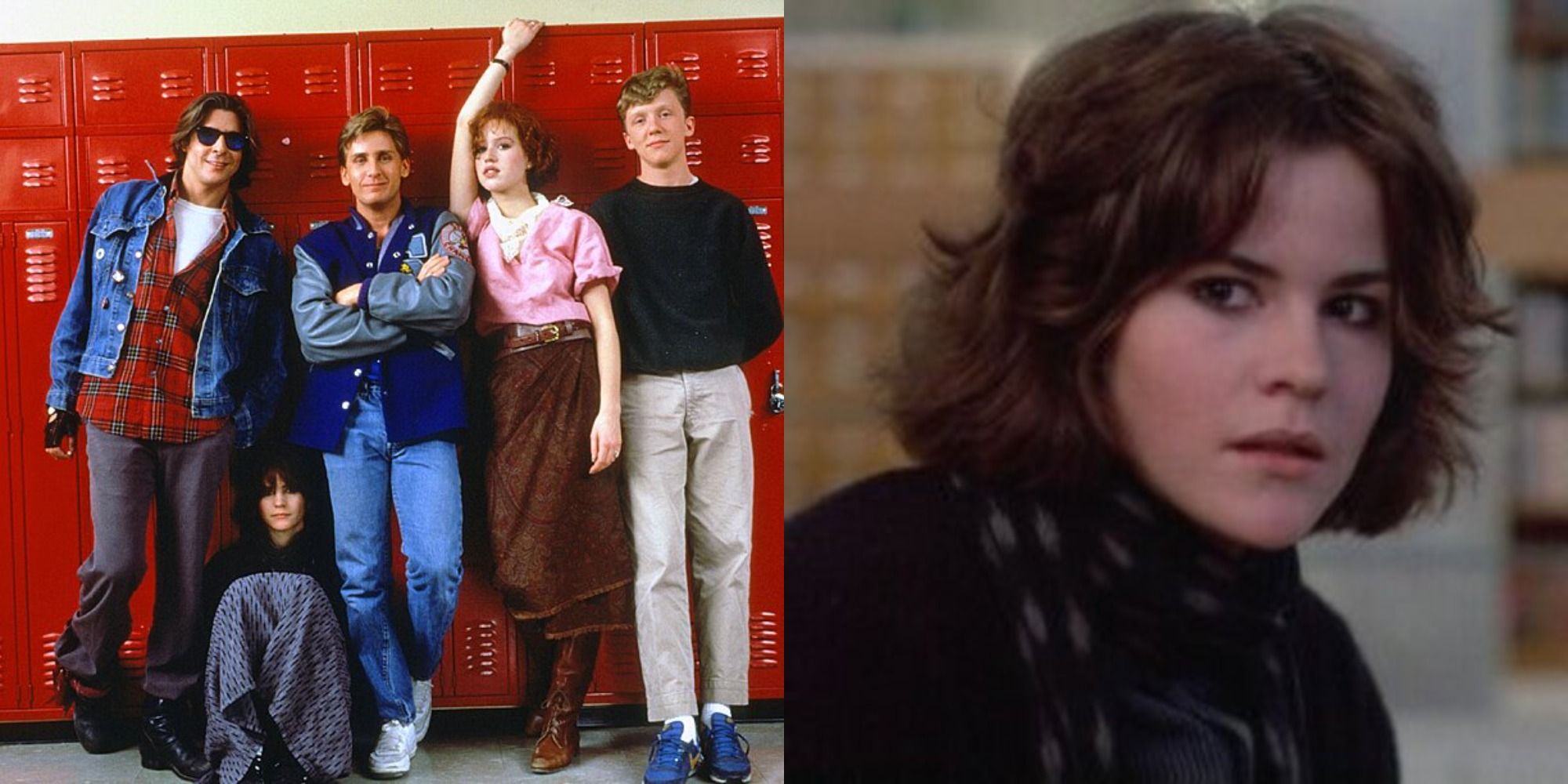
In The Breakfast Club, the narrative structure relies heavily on the "five archetypes" model: the Brain (Anthony Michael Hall), the Athlete (Emilio Estevez), the Princess (Molly Ringwald), the Criminal (Judd Nelson), and the Basket Case (Ally Sheedy). At the time of the film’s release, these roles were designed to represent the rigid social strata of 1980s American high schools.
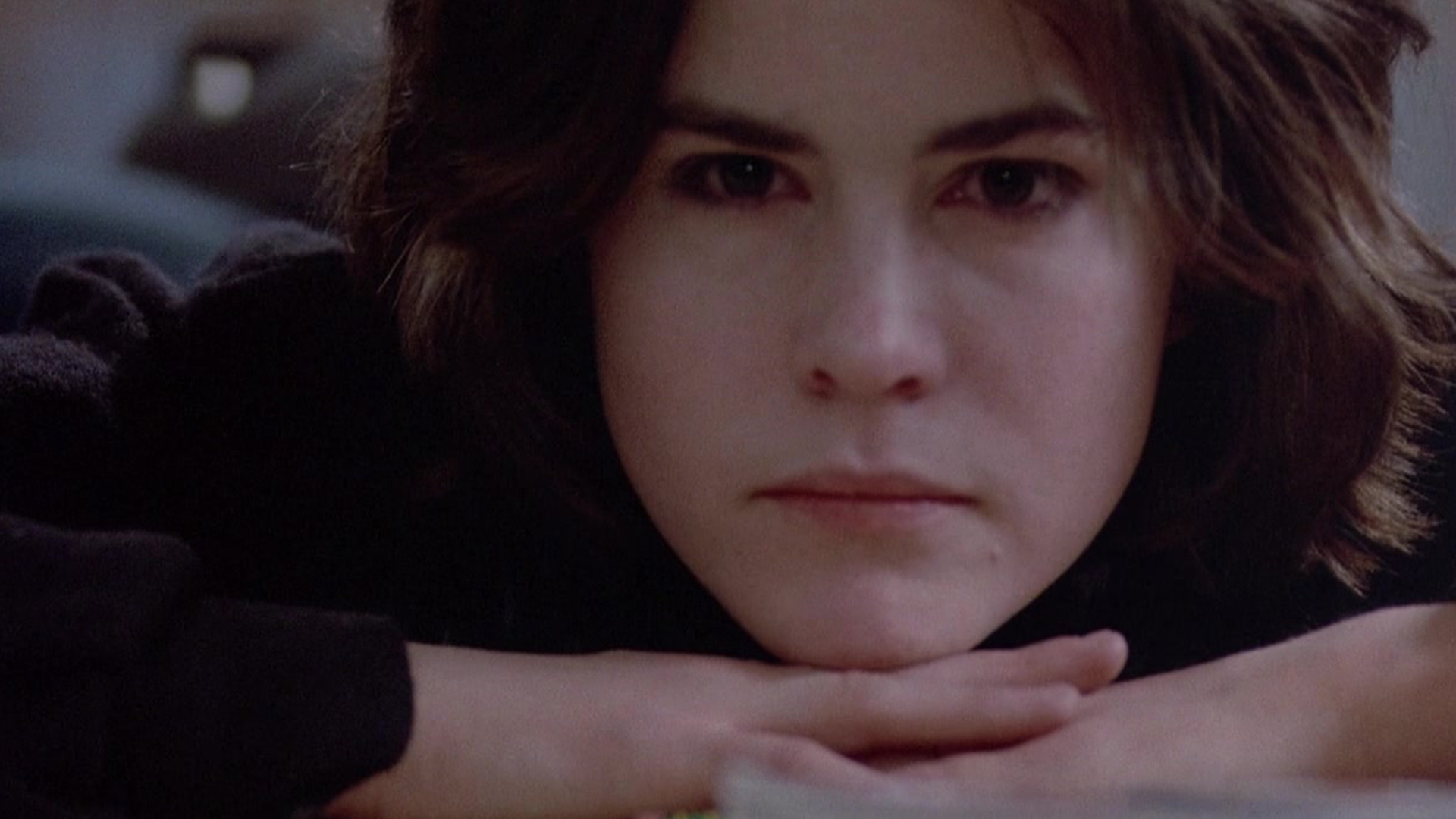
Allison Reynolds is introduced not through dialogue, but through her presence. She sits in the back of the library, head down, draped in dark, layered clothing that serves as a physical barrier between her and the rest of the world. Her "basket case" persona is rooted in her silence and her eccentricities, such as her compulsive tendency to pull hair and her penchant for drawing with her own skin. Unlike the other students, who are vocal about their grievances, Allison’s initial resistance to the detention setting is marked by an eerie, observational detachment. She is a master of deflection, using silence to maintain control over her personal space.
The Evolution of the Character Arc
The genius of Sheedy’s performance lies in how she breaks down these barriers over the course of the nine-hour detention. Her character arc follows a trajectory of forced vulnerability. As the group’s initial hostility gives way to shared catharsis, Allison is pulled into the conversation.
The Role of Silence
During the first half of the film, Sheedy uses body language—slouching, shielding her face with her hair, and refusing to make eye contact—to signal her deep-seated mistrust of her peers. This silence is not merely a lack of words; it is a defensive tactic. When she finally speaks, it is often to utter something absurd or provocative, such as her lie about being a nymphomaniac or her claim that she can write with her feet. These moments are essential to understanding the character: she feels invisible at home, so she constructs a "weird" persona to ensure that if people do notice her, it is on her own terms.
The Breakdown of Defenses
As the students consume marijuana—a pivot point for the group’s emotional honesty—Allison is the first to reveal the underlying catalyst for her behavior. She confesses that she is not actually a social outcast by choice but by circumstance; her parents’ constant fighting and emotional coldness lead her to retreat into a world of her own making. She reveals that she attends the detention voluntarily because she has "nothing better to do," a confession that underscores the profound loneliness driving her character.
The Controversial Makeover Scene
The most debated aspect of Allison Reynolds is the dramatic makeover she receives at the hands of Claire Standish (Molly Ringwald) before the detention ends. In this scene, Claire takes off Allison's dark headbands, applies makeup, and changes her clothing to a more conventional, "pretty" aesthetic.
For decades, scholars and fans have analyzed this moment through two competing lenses:
- The Conformist Critique: Many argue that the makeover undermines the film’s message. By "fixing" Allison, the film suggests that she can only be accepted by her peers—specifically the popular Andrew Clark—once she conforms to traditional standards of beauty. In this view, her individuality is stripped away to make her palatable.
- The Empowerment Perspective: Others argue that the makeover represents Allison finally allowing herself to be seen. By removing the "armor" of her dark clothing and heavy hair, she is choosing to participate in the world rather than hiding from it. It is not that she is "becoming" someone else, but that she is removing the visual distractions she used to repel judgment.
Technical Performance and Physicality
Ally Sheedy’s approach to the role was largely improvisational and internal. Because the script provided limited dialogue for Allison in the early scenes, Sheedy had to rely on "micro-acting"—small facial movements, shifts in posture, and calculated pauses.
Her choice to constantly manipulate her hair and draw with her hands provides a tactile element to the film. While the other actors were often playing "loud" roles—the jock being aggressive, the criminal being confrontational—Sheedy played the "low-frequency" role. This contrast was vital for director John Hughes, who needed an anchor for the group’s more chaotic moments. When the group erupts into arguments, Allison’s stillness focuses the audience's attention, reminding them that the most profound pain in the room is often the quietest.
Comparative Dynamics within the Group
The dynamic between Allison and the other students provides a roadmap for the film’s themes of identity. The table below outlines how Allison’s character interacts with the core social archetypes.
| Character | Archetype | Interaction with Allison |
|---|---|---|
| Claire | The Princess | Acts as the architect of the makeover; represents the world Allison fears. |
| Andrew | The Athlete | The object of her romantic development; represents the "norm" she reaches for. |
| Bender | The Criminal | A mirror for her cynicism; they share an outsider status. |
| Brian | The Brain | Represents the academic pressure they both feel, though in different ways. |
The Legacy of the "Basket Case"
By 2026, The Breakfast Club remains a cultural touchstone in the study of coming-of-age cinema. Allison Reynolds is widely cited as one of the most authentic portrayals of the "outsider" archetype in 1980s film. Her character helped shift the conversation in teen movies from surface-level popularity contests to an exploration of the psychological costs of labeling.
The enduring nature of the performance is due to Sheedy’s refusal to make Allison a caricature. She did not play her as merely "weird"; she played her as someone in pain. This emotional honesty is why the character remains relevant for audiences decades later. Whether one views the ending as a betrayal of her character or a triumph of self-acceptance, the impact of her transformation is undeniable.
Frequently Asked Questions
Did Ally Sheedy do her own makeup in the film?
While professional makeup artists were on set, the "makeover" scene was orchestrated by the production team. However, the performance was a collaborative effort between Sheedy and Ringwald, who sought to capture the awkwardness of two teenagers trying to bridge their social divide.
Why did Allison go to detention if she didn't have to?
Allison admits that her home life is characterized by neglectful parents who are constantly fighting. She attends the detention because, in her words, she has "nothing better to do" and finds the company of the other students—however frustrating—more engaging than the emptiness of her home.
Is the makeover in The Breakfast Club considered problematic?
In modern critical discourse, the makeover is frequently analyzed as a complex moment. While it provides a sense of closure for the film’s narrative, it is often debated whether it reinforces the very high school hierarchies the film purports to dismantle.
What was the significance of the drawing scene?
The scene where Allison draws with her own skin (using her hand to "color" her arm) is a physical manifestation of her internalized anxiety. It serves to highlight her sensory approach to the world, contrasting with the intellectual or aggressive approaches of the other students.
How did the cast prepare for the filming of the detention?
The cast engaged in significant rehearsals and spent time in a real school setting to build the chemistry required for the film. John Hughes encouraged the actors to remain in their archetypal roles even when the cameras weren't rolling to ensure the tension felt authentic during the final cut.
Recommendation for Further Study
To gain a deeper understanding of Ally Sheedy’s performance, viewers should watch the film’s "Extended Cut" or listen to the director’s commentary, which provides specific insights into how Hughes directed the actors to maintain their archetypes. Furthermore, comparing Allison Reynolds to later "outsider" characters in teen cinema—such as those found in 10 Things I Hate About You or Lady Bird—will highlight how the archetype of the "basket case" has evolved in the four decades since The Breakfast Club was released. To fully grasp the intent behind the film, focus on the second act, where the characters finally shed their labels to reveal the multifaceted nature of their individual identities.