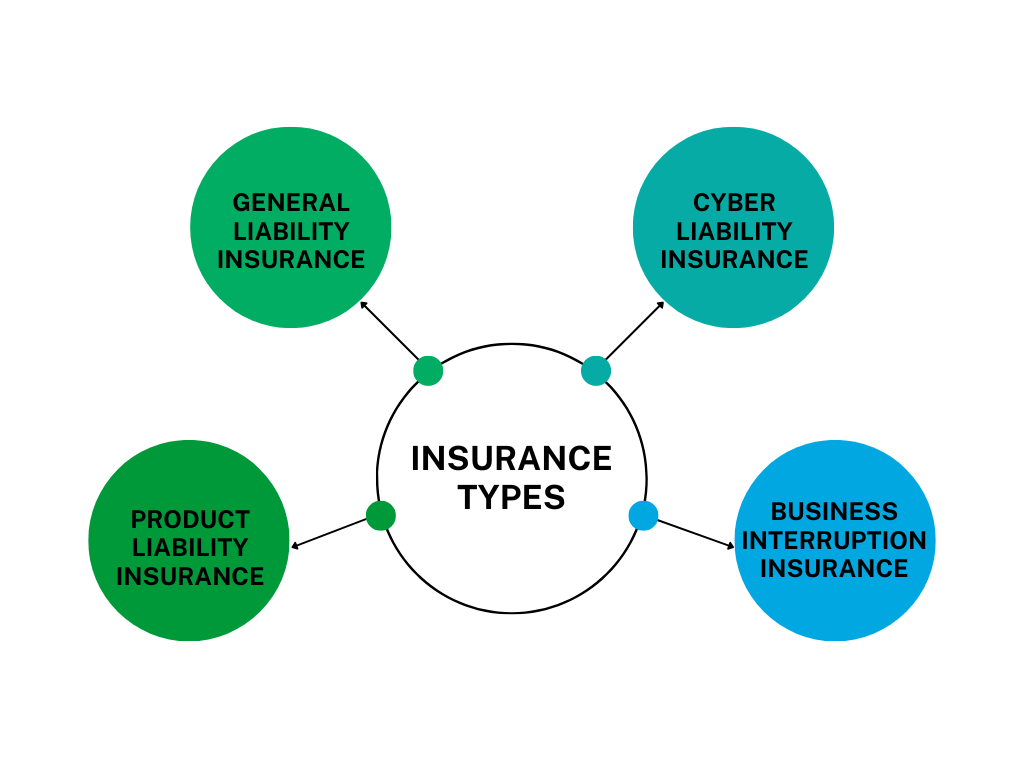
Allied Business Insurance, now operating under the Nationwide brand, provides small companies with comprehensive protection primarily through a Businessowners Policy (BOP). This integrated solution combines general liability, commercial property insurance, and business income coverage into a single package. It is designed to mitigate financial risks from third-party lawsuits, property damage, and unforeseen operational halts.
For small business owners in 2026, navigating the complexities of commercial insurance requires an understanding of how legacy brands like Allied Insurance have evolved. While the Allied name remains a recognized hallmark of reliability in the mid-market and small business sectors, its integration into Nationwide has expanded the resources and digital tools available to policyholders. "Comprehensive coverage" in this context refers to a multi-layered approach that addresses the unique risks of specific industries, ranging from professional services and retail to construction and hospitality.
The Evolution of Allied Business Insurance into the Modern Landscape
Originally established in 1929 as Allied Mutual Automobile Association, Allied Insurance grew through the decades to become a powerhouse in the property and casualty market. By the time it was fully integrated into the Nationwide family, it had established a reputation for robust agent-led service and specialized small business products. In 2026, businesses seeking "Allied" coverage are accessing Nationwide’s sophisticated underwriting and claims infrastructure.
This transition is significant for small companies because it provides the stability of a Fortune 100 company while maintaining the localized service model that Allied was known for. For a small business, comprehensive coverage is not a one-size-fits-all product. Instead, it is a modular framework where the core policy is enhanced by specialized endorsements. The goal is to ensure that a single catastrophic event—be it a fire, a cyberattack, or a major lawsuit—does not lead to the permanent closure of the enterprise.
Core Components of a Comprehensive Small Business Policy
To achieve truly comprehensive protection, a small company must address three fundamental areas of risk: third-party liability, physical assets, and continuity of income. Under the Allied/Nationwide framework, these are typically bundled into the Businessowners Policy (BOP).
1. General Liability Insurance
General liability is the bedrock of any business insurance portfolio. It protects the business if a third party—such as a customer, vendor, or passerby—claims that the business caused them bodily injury or damaged their property. In 2026, the costs of legal defense and medical settlements continue to rise, making high-limit liability coverage essential.
A comprehensive general liability policy covers:
- Bodily Injury: Medical expenses and legal fees if someone is injured on your premises.
- Property Damage: Costs associated with damage caused by your business operations to someone else's property.
- Personal and Advertising Injury: Protection against claims of libel, slander, or copyright infringement in your marketing materials.
2. Commercial Property Insurance
Whether a business owns its building or leases a space, its physical assets are at risk from fire, theft, windstorms, and vandalism. Comprehensive property coverage extends beyond the "four walls" of the building. It includes:
- Inventory and Supplies: Protection for the goods you sell or the materials you use to create products.
- Equipment and Furniture: Coverage for computers, specialized machinery, office furniture, and even outdoor fixtures like signs and fences.
- Improvements and Betterments: If a tenant makes permanent upgrades to a leased space (like installing new flooring or lighting), property insurance can cover these investments.
3. Business Income Insurance
Often overlooked by startups but vital for established small companies, Business Income Insurance (also known as Business Interruption Insurance) replaces lost revenue if the business is forced to close temporarily due to a covered peril, such as a fire. This coverage helps pay for ongoing expenses like payroll, rent, and taxes during the restoration period. In the current 2026 economic environment, where supply chain delays can extend repair times, having a policy that provides "actual loss sustained" coverage for up to 12 months is a critical safety net.
Expanding Coverage: Essential Add-ons for 2026
A standard BOP provides a strong foundation, but "comprehensive" coverage for a modern small company often requires additional layers to address 21st-century risks.
Cyber Liability Insurance
As small businesses increasingly rely on cloud-based Point of Sale (POS) systems and digital customer databases, the risk of data breaches has escalated. Cyber liability insurance through Allied/Nationwide helps cover the costs of notifying affected customers, providing credit monitoring services, paying legal fees, and managing the public relations fallout following a hack. For many small firms, a single data breach can result in costs exceeding $100,000, which can be fatal without insurance.
Professional Liability (Errors & Omissions)
For businesses that provide advice or professional services—such as consultants, accountants, or real estate agents—General Liability is insufficient. Professional Liability insurance protects against claims of negligence, misrepresentation, or inaccurate advice. If a client alleges that your mistake caused them a significant financial loss, this coverage manages the legal defense and any resulting settlements.
Employment Practices Liability Insurance (EPLI)
In 2026, the regulatory environment surrounding labor and employment remains stringent. EPLI protects small business owners from claims made by employees regarding their legal rights. This includes allegations of wrongful termination, sexual harassment, discrimination, and wage-and-hour disputes. Given that even meritless lawsuits can cost tens of thousands of dollars to defend, EPLI is a staple of comprehensive coverage.
Industry-Specific Coverage Tailoring
Allied’s strength has historically been its ability to "niche down" into specific industries. Comprehensive coverage for a landscaping company looks very different from coverage for a boutique law firm.
| Industry | Critical Specialized Coverage | Reason for Importance |
|---|---|---|
| Construction/Contractors | Inland Marine Insurance | Protects tools and equipment while they are in transit or at a job site. |
| Retail & Boutiques | Peak Season Limit Increase | Automatically increases inventory coverage during high-sales months like December. |
| Food & Beverage | Spoilage & Liquor Liability | Covers loss of perishable goods during power outages and liability from alcohol service. |
| Professional Services | Valuable Papers & Records | Provides funds to reproduce critical documents or data lost in a fire or theft. |
| Medical Offices | Data Compromise & Equipment | Protects sensitive patient data and high-value diagnostic machinery. |
The Role of Workers' Compensation and Commercial Auto
While the BOP covers many risks, two critical areas are usually handled via separate policies or specific endorsements:
- Workers' Compensation: In almost every state, businesses with employees are legally required to carry Workers' Compensation. This covers medical care and lost wages for employees injured on the job. Allied/Nationwide’s programs often include "return-to-work" initiatives that help employees safely reintegrate into the workforce, reducing long-term claim costs for the employer.
- Commercial Auto Insurance: If your business owns vehicles or if employees use their personal vehicles for business errands, a personal auto policy will likely deny claims arising from business use. Commercial auto insurance provides higher liability limits and covers specialized equipment attached to the vehicle.
Managing Costs and Premiums in 2026
Small business owners often worry that "comprehensive" means "unaffordable." However, the cost of insurance is influenced by several controllable factors. Premiums are calculated based on the business's industry (SIC or NAICS code), its location, the number of employees, and its claims history.
To manage costs while maintaining high coverage levels, businesses can:
- Increase Deductibles: Choosing a higher out-of-pocket cost for small claims can significantly lower monthly premiums.
- Implement Risk Management: Nationwide offers resources for safety training and property maintenance. Demonstrating a commitment to safety can lead to "preferred" pricing from underwriters.
- Annual Policy Reviews: As a business grows or pivots, its risk profile changes. An annual review ensures you aren't paying for coverage you no longer need or leaving new assets unprotected.
- Bundle Policies: Utilizing the BOP structure is almost always more cost-effective than purchasing General Liability and Property insurance separately.
The Claims Process: What to Expect
The true value of comprehensive coverage is only realized during the claims process. In 2026, Allied/Nationwide has streamlined this through digital portals and mobile applications. When a loss occurs, a small business owner can typically:
- Report the claim 24/7 via the online portal or a dedicated claims hotline.
- Upload photos and documentation of property damage instantly.
- Be assigned a dedicated claims adjuster who understands the specific industry niche.
- Access a network of "preferred" contractors and repair services to expedite the restoration of the business.
According to the National Association of Insurance Commissioners (NAIC), the efficiency of a carrier's claims handling is a primary indicator of long-term satisfaction for small business policyholders. Allied/Nationwide maintains high ratings in this area by prioritizing business continuity, recognizing that for a small company, every day of closure is a day of lost customer loyalty.
Common Pitfalls in Small Business Insurance
Even with a comprehensive intent, many small companies fall into traps that leave them vulnerable. One common mistake is underinsurance of property. Many owners base their coverage on the market value of their building rather than the replacement cost. In 2026, with construction material costs remaining volatile, replacement cost coverage is essential to ensure a full rebuild is financially possible.
Another pitfall is the omission of Hired and Non-Owned Auto (HNOA) coverage. Many small businesses don't own "company cars" but frequently send employees to the post office or a client site in their personal vehicles. If an accident occurs during that trip, the business can be held liable. Adding HNOA to a BOP is a low-cost way to close a massive liability gap.
Frequently Asked Questions
Is Allied Business Insurance different from Nationwide? In 2026, Allied Insurance operates as a brand under the Nationwide umbrella. While the Allied name is still used in some marketing and by independent agents, the policies are backed by the financial strength and infrastructure of Nationwide Mutual Insurance Company. This integration provides policyholders with more robust digital tools and a wider array of specialized coverage options.
How does a Businessowners Policy (BOP) differ from a Commercial Package Policy (CPP)? A BOP is specifically designed for small to mid-sized businesses with lower risk profiles and is generally more affordable because it bundles coverages. A Commercial Package Policy (CPP) is more flexible and is intended for larger businesses or those with complex risks (such as manufacturing or high-hazard construction) that require customized limits and highly specific terms that a standard BOP cannot provide.
Can I get coverage for "Work from Home" employees under a small business policy? Yes. In the 2026 work environment, many small businesses are hybrid. A comprehensive policy can be endorsed to cover business-owned equipment (like laptops and printers) at employee residences. However, it is vital to ensure your Workers' Compensation policy is updated to include the states where your remote employees are physically located to remain compliant with state laws.
What is an "Umbrella" policy, and do I need one? A Commercial Umbrella policy provides an extra layer of liability protection above the limits of your underlying General Liability, Commercial Auto, and Employer’s Liability policies. If a major lawsuit results in a judgment that exceeds your standard $1 million limit, the Umbrella policy kicks in. For businesses with high foot traffic or those working on large-scale contracts, an Umbrella policy is a key component of comprehensive coverage.
How often should I update my business insurance? You should review your coverage at least once a year or whenever a significant change occurs in your business. This includes moving to a new location, purchasing expensive new equipment, launching a new product line, or significantly increasing your headcount. Failing to update your policy can result in "co-insurance penalties" or denied claims if the assets lost were never reported to the insurer.
Practical Recommendations for Small Business Owners
To secure the most effective coverage through Allied/Nationwide, start by conducting a thorough internal risk assessment. Identify the "single points of failure" in your business—the assets or processes that, if lost, would stop your operations. Use this assessment to guide your conversation with an insurance agent.
Always prioritize Replacement Cost Value (RCV) over Actual Cash Value (ACV) for your property. While ACV policies have lower premiums, they only pay out the depreciated value of your items, which is rarely enough to buy new equipment or rebuild a modern workspace.
Finally, leverage the loss control services offered by your carrier. Many insurers provide free safety audits and cybersecurity training modules. Utilizing these resources not only reduces the likelihood of a claim but also positions your business as a lower risk, which can lead to more competitive premium rates during your next renewal cycle.