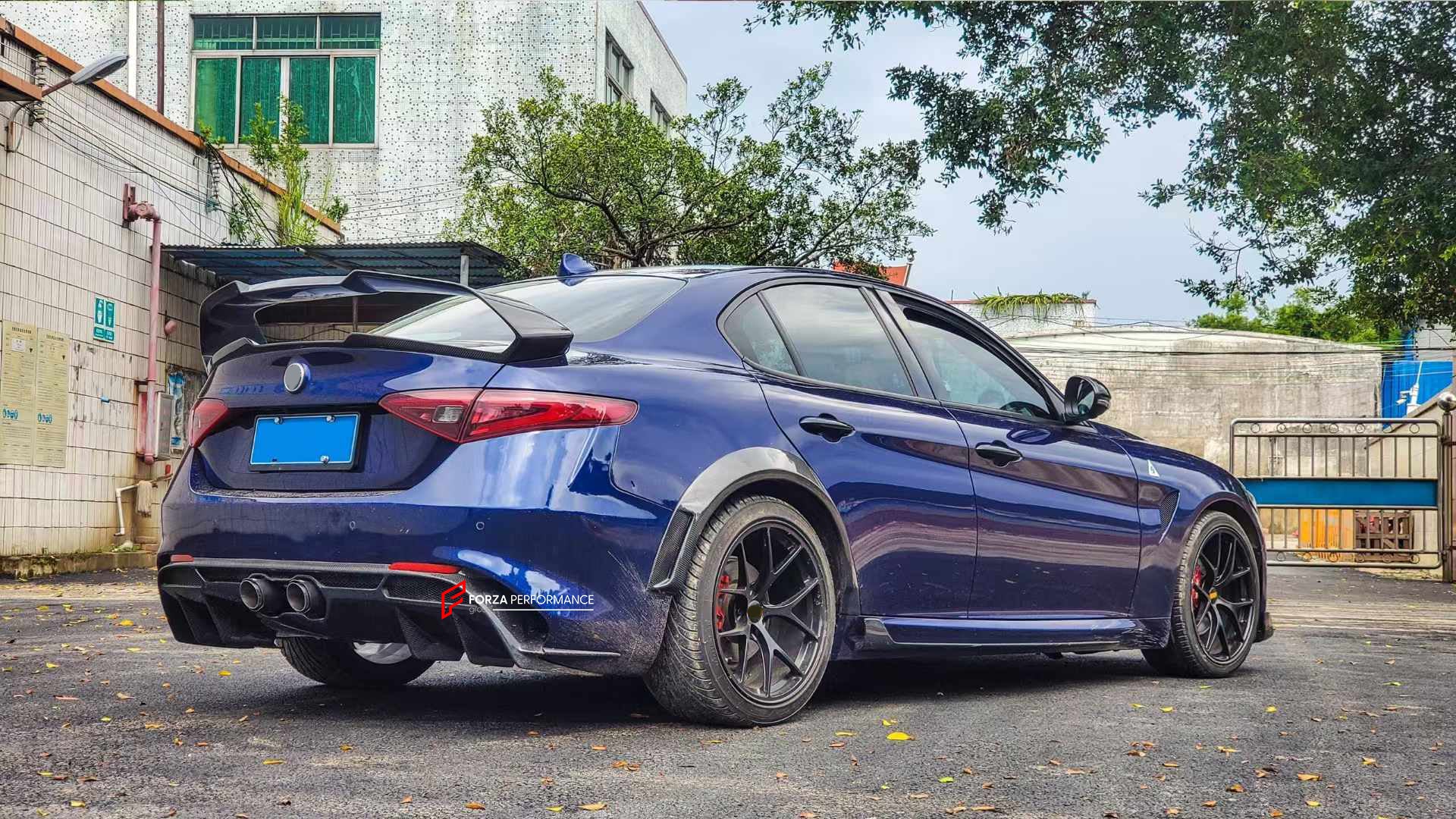
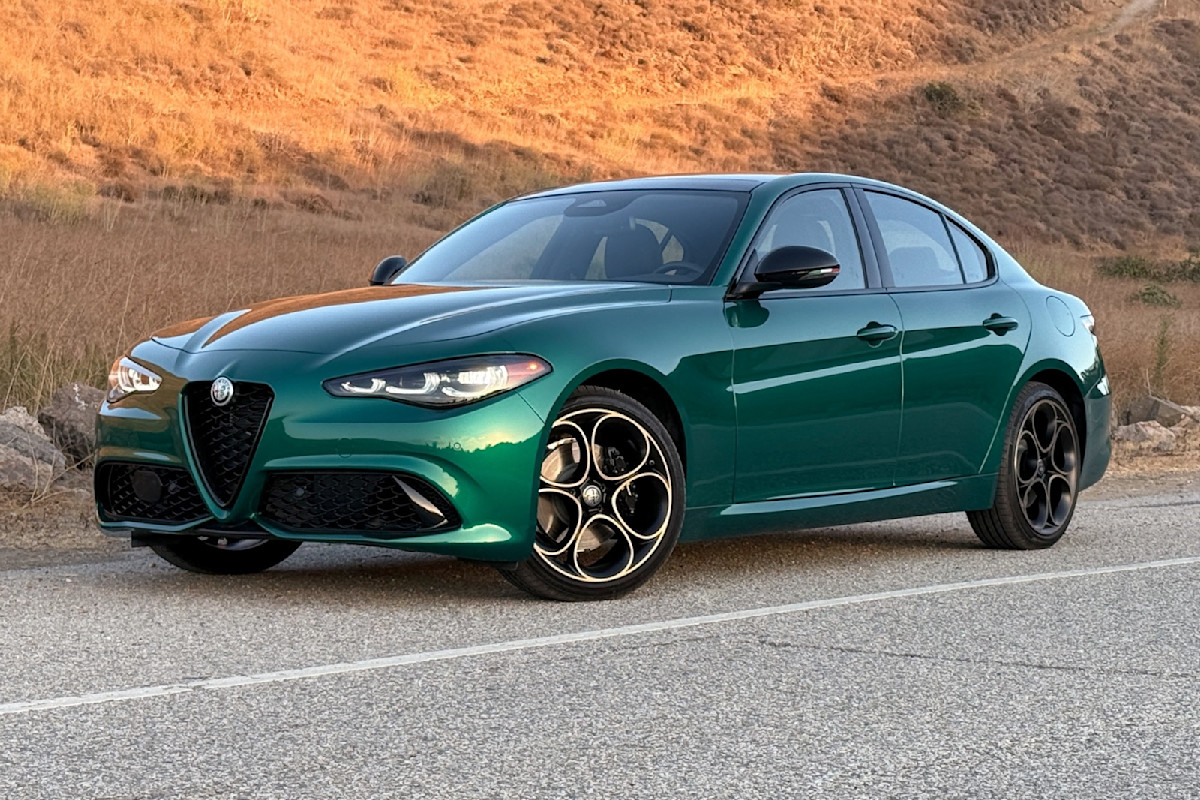
The Alfa Romeo Giulia is celebrated for its class-leading driving dynamics and evocative Italian styling, yet it carries a complex reputation regarding reliability. While early production models (2017–2018) were plagued by electrical gremlins and cooling system failures, post-2020 iterations have demonstrated significantly improved build quality and stability, making them a more viable choice for enthusiasts who prioritize performance over clinical perfection.
Understanding the Giulia’s Reliability Evolution
When the Alfa Romeo Giulia launched on the Giorgio platform, it was intended to disrupt the dominance of German sport sedans. It succeeded in terms of steering feel and chassis balance, but the initial rollout was marred by software inconsistencies and hardware vulnerabilities. To understand the issues currently facing owners in 2026, one must distinguish between the "early car" era and the "refined" era that began with the 2020 model year updates.
The 2020 refresh was a turning point. Alfa Romeo addressed many of the interior quality complaints and, more importantly, overhauled the infotainment hardware and several key electrical components. By 2026, the secondary market is filled with various vintages of the Giulia, and the "issues" associated with the car often depend heavily on the specific production window and the engine variant—either the 2.0L turbocharged inline-four or the 2.9L twin-turbo V6 found in the Quadrifoglio.
Electrical Systems and the "Battery Ghost"
The most frequent complaints regarding the Alfa Romeo Giulia involve the electrical system. Interestingly, many of these issues are not failures of the components themselves but symptoms of a sensitive electrical architecture that reacts poorly to low voltage.
The Low Voltage Sensitivity
The Giulia utilizes an Intelligent Battery Sensor (IBS) and is highly dependent on a healthy battery to manage its numerous Electronic Control Units (ECUs). If the battery charge drops even slightly—common in cars that sit for more than a few days—the system may throw a "Start/Stop Unavailable" message or, in worse cases, trigger a "DNA" drive mode failure or "Check Engine" light.
Owners often find that replacing the factory-installed EFB (Enhanced Flooded Battery) with a high-quality AGM (Absorbent Glass Mat) battery resolves many "phantom" electrical issues. In 2026, this remains the first step in troubleshooting any Giulia that exhibits erratic dashboard warnings.
Infotainment and Software Glitches
Early models (2017–2019) featured a non-touchscreen infotainment system that was criticized for being slow and prone to freezing. While software updates improved stability, hardware failures of the rotary controller were not uncommon. The 2020 update introduced a touchscreen and faster processor, which largely mitigated these concerns, though some users still report occasional Apple CarPlay or Android Auto connectivity drops that usually require a system hard reset.
Mechanical Concerns: 2.0L Turbocharged Engine
The 2.0L GME (Global Medium Engine) is the workhorse of the Giulia lineup. While generally robust, it has a few specific "Achilles' heels" that owners should monitor closely.
Coolant Leaks and Turbo O-Rings
A well-documented issue involves the coolant lines leading to the turbocharger. The factory O-rings were prone to degrading over time, leading to slow leaks that could eventually cause overheating if left unchecked. Many owners proactively replace these with updated, more heat-resistant versions. Additionally, the coolant expansion tank itself has been known to develop hairline cracks near the seams.
Turbocharger Actuator Failures
On some early 2.0L engines, the electronic turbocharger actuator could fail or become misaligned. This typically results in a "limp mode" where the car loses significant power to protect the engine. Replacing the actuator or the entire turbo assembly can be a costly out-of-warranty repair, though it is less common on models produced after 2021.
MultiAir Actuator Health
The MultiAir variable valve lift system is central to the Giulia’s performance and efficiency. It is highly sensitive to oil quality and change intervals. Neglecting oil maintenance or using the wrong viscosity can lead to the MultiAir brick failing, which is an expensive mechanical repair. Consistent 5,000 to 7,500-mile oil changes with the factory-spec Selenia or equivalent synthetic oil are essential for longevity.
Performance Extremes: Quadrifoglio-Specific Issues
The Giulia Quadrifoglio (QV) is a different beast entirely, featuring a Ferrari-derived 2.9L V6. While it offers supercar performance, it also comes with supercar maintenance requirements and specific vulnerabilities.
Overheating in Early Quadrifoglios
Early QV models were known to trigger "Limp Mode" during heavy track use or even in spirited driving in high ambient temperatures. This was often traced back to a cooling system that struggled to evacuate heat from the engine bay effectively. Alfa Romeo released several service campaigns to address this, including software updates that adjusted fan speeds and coolant flow.
Accessory Drive Belt (Serpentine Belt)
The Quadrifoglio has a rigorous maintenance schedule for its accessory drive belt. Unlike many modern cars where belts last 100,000 miles, the QV requires a belt change every 36,000 miles or four years. This is a labor-intensive job because of the tight packaging in the engine bay, often requiring the removal of various cooling components. Failure to replace this belt can lead to it snapping and causing significant collateral damage.
Carbon Ceramic Brake Squeal and Wear
For models equipped with the optional Carbon Ceramic Brakes (CCB), the stopping power is immense. However, they are prone to high-pitched squealing during low-speed city driving. While this is "normal" for the material, the replacement cost for these rotors is astronomical. Buyers of used Quadrifoglios in 2026 must verify the remaining life of these rotors using specialized measurement tools, as a full brake job can exceed $10,000.
Chassis, Suspension, and Driveability
The Giorgio platform is the Giulia's greatest asset, providing incredible turn-in and feel. However, the suspension components are tuned for performance, which can lead to specific wear patterns.
- Suspension Bushings: The front lower control arm bushings are under significant stress due to the quick steering rack (11.8:1 ratio). Owners may notice a "clunking" sound over bumps or a slight loss in steering precision as these wear out, typically around the 50,000-mile mark.
- Brake-by-Wire Feel: The Giulia uses an Integrated Brake System (IBS) by Continental, which removes the mechanical link between the pedal and the master cylinder. While this saves weight and improves response, some drivers find the pedal feel "wooden" or difficult to modulate at low speeds. This is a characteristic of the car rather than a defect, but it can be jarring for those coming from traditional vacuum-boosted systems.
- Tire Scrubbing: At full steering lock, the Giulia exhibits "Ackermann steering chatter," where the front tires appear to skip or scrub across the pavement. This is a result of the aggressive suspension geometry designed to maximize grip in corners. It is not a sign of a mechanical failure, though it can be alarming to new owners.
Comparison of Common Issues by Model Year
The following table summarizes the prevalence of major issues across different production cycles of the Giulia.
| Component Group | 2017–2018 Models | 2019–2021 Models | 2022–2026 Models |
|---|---|---|---|
| Electrical / Battery | High - Frequent "Phantom" codes | Moderate - Improved IBS | Low - Standard AGM batteries |
| Infotainment | Laggy, non-touch screen | Faster, touch added (2020) | Stable, modern interface |
| Cooling System | Vulnerable O-rings/Leaky tanks | Mostly resolved | Reliable |
| Build Quality | Interior rattles common | Improved fit and finish | High standard of assembly |
| Engine (2.0L) | Occasional sensor failures | High reliability | Mature powertrain |
| Transmission (ZF8) | Excellent / Very Reliable | Excellent / Very Reliable | Excellent / Very Reliable |
Maintenance as a Preventative Measure
Owning a Giulia requires a proactive rather than reactive approach to maintenance. Because the car is technically sophisticated, "budget" maintenance can lead to long-term issues.
- Strict Oil Regimen: Use only the specified synthetic oil. The MultiAir system depends on the correct oil viscosity to function correctly.
- Battery Tenders: If the car is a weekend driver, using a battery tender is highly recommended to prevent the voltage drops that cause electrical glitches.
- Specialist Care: While many tasks can be performed by a skilled DIYer, the Giulia requires specialized diagnostic software (like MultiECUScan or WiTech) to reset service lights and perform proxy alignments after electronic component replacement.
- Fuel Quality: The 2.0L and 2.9L engines are high-compression, turbocharged units. Using low-octane fuel can lead to pre-ignition (knock) and reduced power, eventually damaging the spark plugs or pistons.
Frequently Asked Questions
Is the Alfa Romeo Giulia reliable enough for a daily driver?
Yes, especially if you choose a 2020 or newer model. While it may require more attention to detail than a Lexus or a BMW, the core mechanical components—including the ZF 8-speed automatic transmission—are very durable. Most "breakdowns" reported are actually electronic sensor issues or battery-related "limp modes" rather than catastrophic mechanical failures.
What is the most expensive common repair on a Giulia?
For the 2.0L models, a turbocharger replacement or a MultiAir actuator replacement are the most significant costs, typically ranging from $2,500 to $4,000. For the Quadrifoglio, the 36,000-mile accessory belt service can cost between $1,500 and $3,000 depending on the labor rates, and carbon-ceramic brake replacement can exceed $10,000 for a full set.
Why does my Giulia say "Start/Stop Unavailable"?
This is almost always a sign that the battery’s state of charge has dropped below a specific threshold. The car’s computer disables non-essential systems to preserve cranking power. It is often the "canary in the coal mine" suggesting your battery is nearing the end of its life or needs a deep charge.
Are there any major recalls I should be aware of?
There have been several recalls over the years, including fuel line sensor leaks on 2018-2020 models and brake system software updates. In 2026, any reputable dealer can check your VIN to ensure all "Campaigns" (Alfa's term for minor recalls and technical service bulletins) have been completed. Most safety-related recalls were addressed early in the car's lifecycle.
Does the Giulia suffer from rust or corrosion issues?
The Giulia uses an extensive amount of aluminum for its body panels (doors, fenders, hood) and suspension components. This makes it much more resistant to traditional rust than many competitors. However, the steel rear subframe and underbody fasteners should still be rinsed regularly in regions where road salt is used.
Final Recommendation for Buyers
If you are considering an Alfa Romeo Giulia in 2026, the "sweet spot" for value and reliability is the 2020–2022 model year. These vehicles benefit from the significant interior and electronic refreshes while avoiding the higher depreciation of the newest models. Always prioritize cars with a documented service history and, if possible, opt for a vehicle that has already had its original EFB battery replaced with a high-quality AGM unit. For those seeking the Quadrifoglio, a pre-purchase inspection (PPI) by an Alfa Romeo specialist is non-negotiable to verify the health of the cooling system and the wear levels of the braking system.