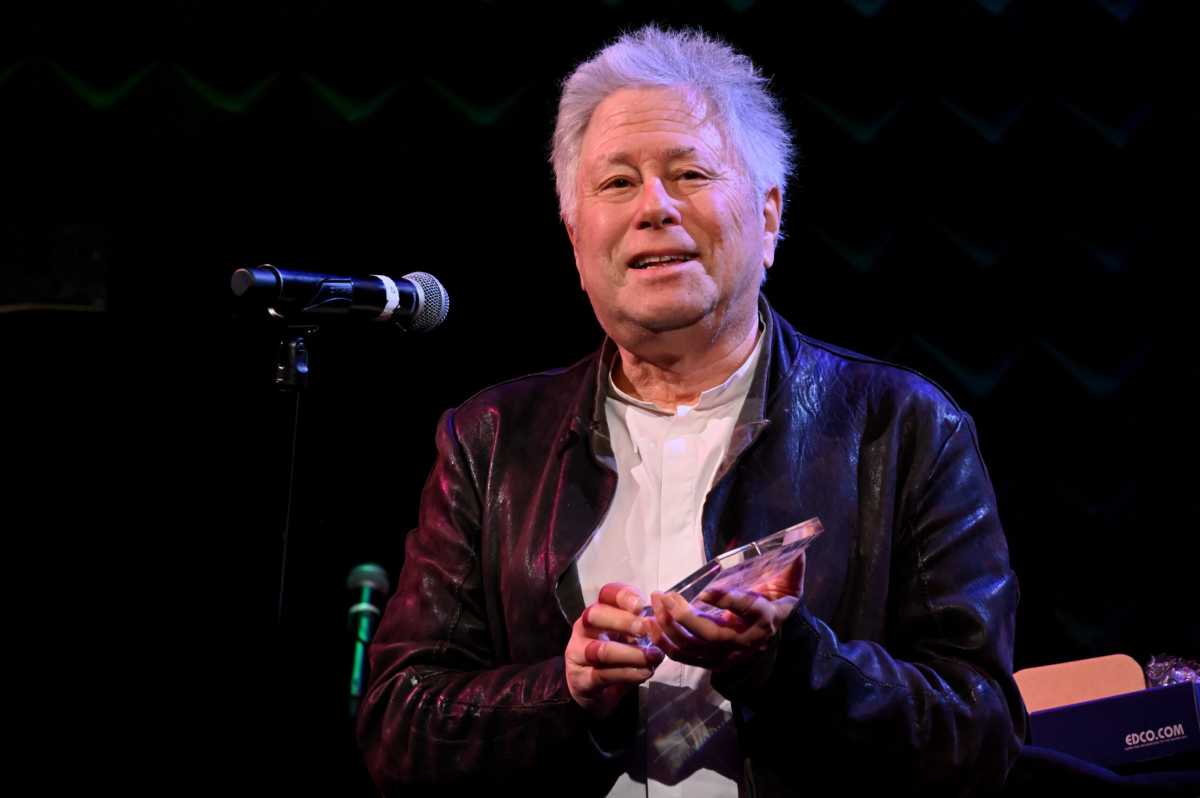
As of 2026, Alan Menken is alive and remains a prolific force in the world of musical theater and film composition. At 77 years of age, the legendary composer continues to work on high-profile projects for both stage and screen, maintaining the creative momentum that has defined his career for over four decades.
Alan Menken is more than just a songwriter; he is the architect of the modern Disney musical. His work has not only defined the childhoods of multiple generations but has also fundamentally reshaped how stories are told through song in animation and on Broadway. Despite the occasional internet rumors or the historical confusion often linked to the early passing of his frequent collaborator Howard Ashman, Menken remains active, healthy, and deeply involved in the evolution of his classic works into new mediums.
Why the Question of Alan Menken’s Status Frequently Arises
In the era of rapid information exchange, the "death hoax" has become a common occurrence for celebrities of a certain age and stature. Alan Menken, being a household name associated with the peak of the Disney Renaissance, often finds himself the subject of such inquiries. However, the frequent search for his status is usually driven by two specific factors: his age and his historical association with Howard Ashman.
Howard Ashman, the brilliant lyricist who worked alongside Menken on The Little Mermaid, Beauty and the Beast, and Aladdin, passed away in 1991 at the age of 40 due to complications from AIDS. Because their names are so inextricably linked in the minds of the public, many casual fans often conflate the two, leading to uncertainty about whether Menken is still with us.
Furthermore, as Menken enters his late 70s, fans naturally check in on the well-being of the icons they cherish. In 2026, Menken has transitioned into a "statesman" role in the industry, often appearing at gala events, award ceremonies, and masterclasses, providing visible proof of his continued health and professional vitality.
The Architect of the Disney Renaissance
To understand why Alan Menken’s continued presence is so significant, one must look at the monumental impact he had on the film industry starting in the late 1980s. Before Menken and Ashman arrived at Disney, the studio's animation department was struggling. The "Disney Renaissance" is the period from 1989 to 1999 during which the studio returned to producing critically and commercially successful animated films, most of which were musicals.
Menken brought a Broadway sensibility to animation. He didn't just write songs; he wrote integrated scores where the music pushed the plot forward and deepened character development.
The Big Four: A Decade of Dominance
The "Big Four" films composed by Menken during this era are widely considered the gold standard of animated musicals:
- The Little Mermaid (1989): This film introduced the concept of the "I Want" song to a new generation with "Part of Your World." Menken’s use of calypso and reggae influences for "Under the Sea" showcased his ability to blend traditional musical theater with global pop styles.
- Beauty and the Beast (1991): Often cited as his masterpiece, this score earned an Academy Award for Best Original Score and Best Original Song. The title track remains one of the most recognizable ballads in cinematic history.
- Aladdin (1992): Following Ashman's death, Menken collaborated with Tim Rice to finish the score. The result was a high-energy, jazz-influenced soundtrack that proved Menken could adapt his style to different lyrical partners seamlessly.
- Pocahontas (1995): Moving toward a more sweeping, orchestral, and folk-inspired sound, Menken won two more Oscars for this film, including one for the iconic "Colors of the Wind."
The Technical Achievement: Reaching EGOT Status
One of the most definitive proofs of Alan Menken’s enduring relevance is his membership in the elite "EGOT" circle. This acronym stands for the four major American entertainment awards: Emmy, Grammy, Oscar, and Tony. Very few individuals in history have achieved this "grand slam" of show business.
Menken officially completed his EGOT in 2020 when he won a Daytime Emmy Award for the song "Waiting in the Wings" from Tangled: The Series.
| Award Type | Total Wins | Key Works Cited |
|---|---|---|
| Academy Awards (Oscars) | 8 | The Little Mermaid, Beauty and the Beast, Aladdin, Pocahontas |
| Grammy Awards | 11 | "A Whole New World," "Beauty and the Beast," "Colors of the Wind" |
| Tony Awards | 1 | Newsies (Best Original Score) |
| Emmy Awards | 1 | Tangled: The Series (Outstanding Original Song) |
His eight Academy Awards make him the living individual with the most Oscars in the music categories, a record that highlights his technical proficiency and his ability to resonate with both the industry and the public.
Alan Menken in the 2020s: Recent and Ongoing Projects
Moving into the current timeframe of 2026, Menken has not slowed down. His work in the 2020s has focused largely on two fronts: the live-action reimagining of his classic Disney scores and the creation of entirely new works for animation and stage.
Live-Action Adaptations
Disney’s strategy of remaking its animated classics has kept Menken extremely busy. For films like The Little Mermaid (2023), Menken returned to the material he originally wrote in the 80s, updating the arrangements and collaborating with Lin-Manuel Miranda to write new songs such as "For the First Time" and "The Scuttlebutt." These projects require a delicate balance of preserving nostalgic elements while modernizing the sound for contemporary audiences.
New Frontiers: Spellbound and Beyond
In 2024 and 2025, Menken ventured outside of the Disney umbrella to collaborate with Skydance Animation on the film Spellbound. This project saw him reuniting with Beauty and the Beast screenwriter Linda Woolverton, proving that his creative spark remains independent of any single studio. As of 2026, rumors of a new original stage musical are circulating, as Menken has expressed interest in returning to his "off-Broadway" roots where he first found success with Little Shop of Horrors.
The "Menken Style": Why His Music Persists
The reason Alan Menken remains a subject of intense interest in 2026 is the specific DNA of his music. He utilizes several technical and creative strategies that make his work timeless:
- Pastiche and Genre-Bending: Menken is a master of pastiche—the ability to mimic a specific musical style while making it his own. Whether it is the 1960s doo-wop of Little Shop of Horrors, the gospel sounds of Hercules, or the Alan-Menken-meets-Alan-Silvestri orchestral sweep of Enchanted, he adapts his "voice" to the setting of the story.
- The "I Want" Song: While he didn't invent the concept, Menken perfected the "I Want" song. This is the moment early in a musical where the protagonist expresses their core desire. Songs like "Part of Your World" or "Go the Distance" are masterclasses in character exposition through melody.
- Melodic Accessibility: Menken’s melodies are often described as "earworms." They are technically sophisticated enough to impress musicologists but simple and catchy enough for a child to sing. This duality is the secret to his commercial longevity.
Maintaining the Legacy: Protection and Education
In 2026, Menken has also become a vocal advocate for the protection of artistic integrity in the age of generative AI. As a composer whose catalog is frequently used in data sets for music generation, he has participated in industry discussions regarding the rights of creators to control their "musical voice."
Furthermore, Menken is active in the American Theatre Wing and various educational initiatives. He frequently visits the NYU Tisch School of the Arts and other prestigious institutions to mentor young composers. By doing so, he ensures that the "Menken method" of storytelling through music will continue long into the future.
Frequently Asked Questions
Has Alan Menken retired from composing in 2026?
No, Alan Menken has not retired. While he may be more selective about the projects he takes on, he continues to work on new musical adaptations and original scores. In various interviews, he has stated that music is his lifeblood and he intends to continue composing as long as he is physically able.
How many Oscars does Alan Menken have in total?
Alan Menken has won 8 Academy Awards. He won two Oscars each (Best Original Score and Best Original Song) for The Little Mermaid, Beauty and the Beast, Aladdin, and Pocahontas. He is one of the most decorated living composers in the history of the Academy.
Did Alan Menken write the music for the Broadway version of Newsies?
Yes, Alan Menken wrote the music for the original 1992 film Newsies and later adapted it for the Broadway stage in 2011. The stage version earned him his first Tony Award for Best Original Score in 2012, effectively completing three-quarters of his EGOT status.
Who is Alan Menken’s current writing partner?
Since the passing of Howard Ashman, Menken has worked with several high-profile lyricists. His most frequent collaborators include Stephen Schwartz (Pocahontas, The Hunchback of Notre Dame, Enchanted, Disenchanted), Glenn Slater (Tangled, The Little Mermaid on Broadway, Sister Act), and Tim Rice (Aladdin, Beauty and the Beast live-action). More recently, he collaborated with Lin-Manuel Miranda for the 2023 live-action The Little Mermaid.
Is Alan Menken involved in any non-Disney projects?
Yes. Throughout his career, Menken has worked on several non-Disney projects. Notable examples include the musical Little Shop of Horrors, the score for the film Spellbound (Skydance Animation), and various theatrical productions such as A Christmas Carol and Sister Act.
Verification of Current Status
To stay updated on Alan Menken's latest appearances and project announcements in 2026, fans should look to the following authoritative sources:
- The Official Disney D23 Fan Club: This is the primary source for Menken’s involvement in Disney-related sequels or remakes.
- The American Theatre Wing: For news regarding his contributions to Broadway and the Tony Awards.
- Playbill: The definitive source for his ongoing work in musical theater.
- The Academy of Motion Picture Arts and Sciences (Oscars): For records of his historic wins and potential future nominations.
For those looking to celebrate his living legacy, the best next step is to explore his extensive discography, which is readily available on all major streaming platforms. From the early Off-Broadway recordings of Little Shop of Horrors to his latest film scores, his work remains a testament to the power of melody in storytelling.