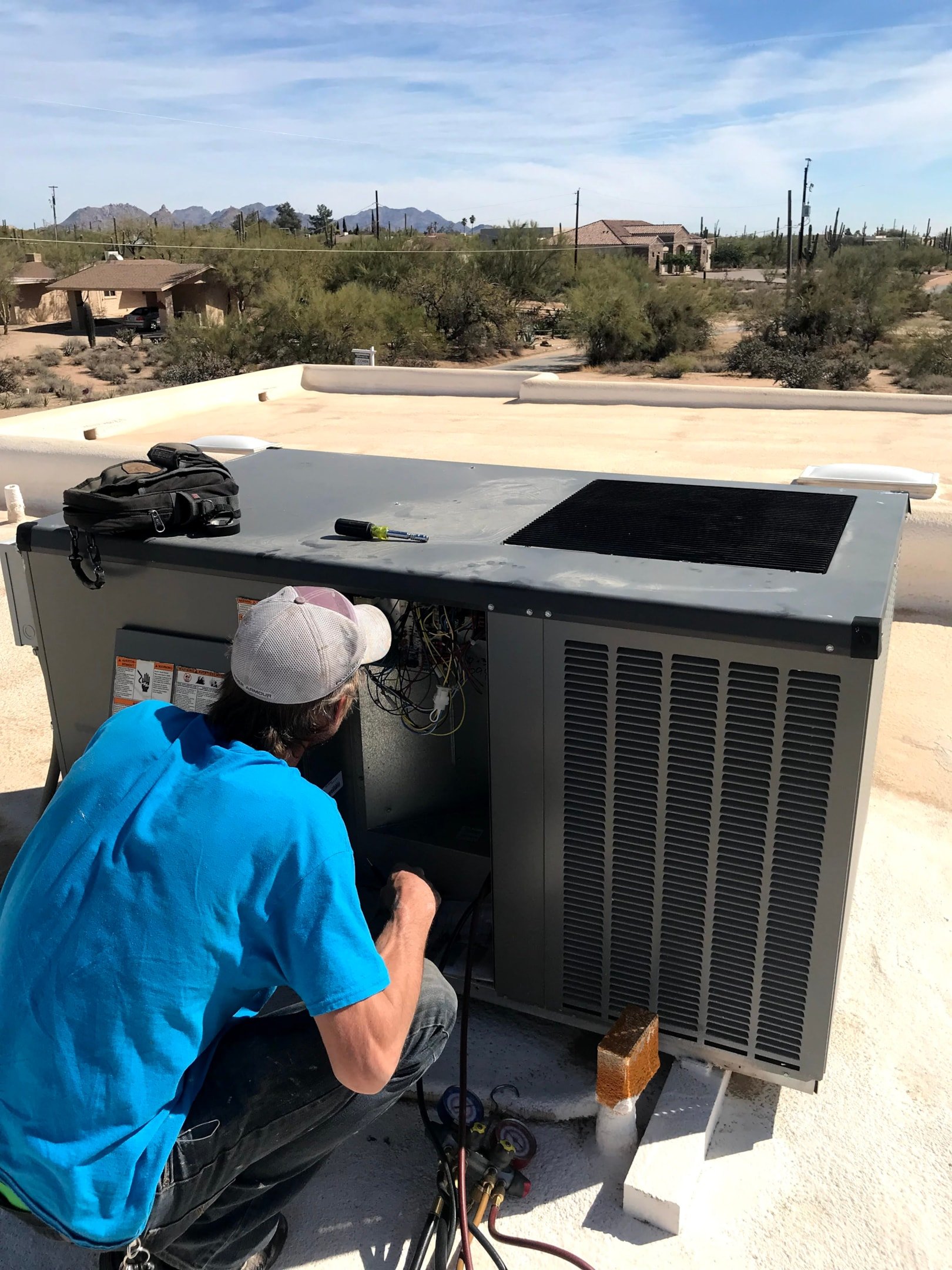
When an air conditioner fails to cool a home, the root cause often traces back to the compressor, the vital mechanical heart of the cooling system. Often referred to as the pump of the HVAC unit, the compressor is responsible for pressurizing refrigerant and circulating it through the indoor and outdoor coils to facilitate heat exchange. Because it operates under extreme mechanical and electrical stress, diagnosing air conditioner compressor problems requires a systematic approach, technical understanding, and careful safety precautions. Addressing these issues early can prevent a minor component failure from escalating into a total system replacement.
Understanding the Role of the Air Conditioner Compressor
To understand why a compressor fails, one must first examine its operational function within a split-system air conditioner or heat pump. The compressor sits inside the outdoor condensing unit. Its primary job is to take low-pressure, low-temperature refrigerant gas coming from the indoor evaporator coil, compress it into a high-pressure, high-temperature gas, and push it toward the outdoor condenser coil.
Inside this sealed hermetic or semi-hermetic housing, an electric motor drives pistons or scroll mechanisms. Because the system relies on a continuous loop of refrigerant and oil lubrication, any disruption in electrical supply, airflow, or refrigerant charge places immediate stress on the compressor motor and mechanical parts. When symptoms of distress appear, they usually manifest as abnormal noises, failure to start, tripping circuit breakers, or a complete lack of cooling capacity.
Common Symptoms of Compressor Failure
Recognizing the early warning signs of compressor trouble can mean the difference between a simple electrical repair and an expensive compressor replacement. Technicians and homeowners should look for several distinct symptoms:
- Warm Air Blowing from Vents: If the blower fan inside the house is running, but the air coming out of the registers is room temperature or warm, the compressor may not be pumping refrigerant.
- Loud or Unusual Noises: Rattling, screeching, clicking, or loud buzzing sounds from the outdoor unit often indicate mechanical wear, internal loose parts, or a motor struggling to start.
- Tripping Circuit Breakers: A compressor that draws excessive electrical current will cause the dedicated circuit breaker or fuse at the electrical panel to trip repeatedly.
- Outdoor Unit Fails to Start: If the thermostat calls for cooling, but the outdoor fan and compressor remain completely silent, electrical or control faults are likely present.
- Vibration and Shaking: Excessive shuddering when the compressor attempts to cycle on points toward mounting failures or internal mechanical binding.
Major Causes of Air Conditioner Compressor Problems
Compressors rarely fail on their own without an underlying trigger. Identifying the root cause is essential to ensure that a replacement compressor does not suffer the same fate.
| Root Cause | Impact on the Compressor |
|---|---|
| Electrical Surges/Faults | Wrecked motor windings, welded contactors |
| Incorrect Refrigerant Level | Liquid slugging (flooding) or overheating |
| Restricted Airflow | Excessive head pressure and high heat |
| Contaminated Lines | Acid burnout, sludge, and mechanical seize |
1. Electrical Failures and Capacitor Issues
The most frequent culprits behind compressor non-operation are electrical components. The run capacitor and start capacitor supply the electrical boost needed to kickstart and maintain motor rotation. When a capacitor degrades or fails, the compressor motor may hum loudly as it attempts to turn, drawing locked-rotor amps (LRA) that quickly overheat the motor windings. Additionally, pitted contactors, loose wiring terminals, and brownouts can deliver erratic voltage, severely damaging the internal electric motor.
2. Refrigerant Leaks and Incorrect Charge
Refrigerant is not consumed like fuel; it circulates in a closed loop. However, leaks can develop at braze joints, service valves, or corroded coils. Low refrigerant levels reduce the density of the gas returning to the compressor. Because the returning cool refrigerant gas is responsible for cooling the compressor motor windings, a low charge causes the compressor to run abnormally hot, leading to thermal overload. Conversely, an overcharged system can cause liquid refrigerant to flood back into the compressor—a phenomenon known as liquid slugging—which can instantly bend internal valves or destroy scroll plates.
3. Restricted Airflow and Dirty Coils
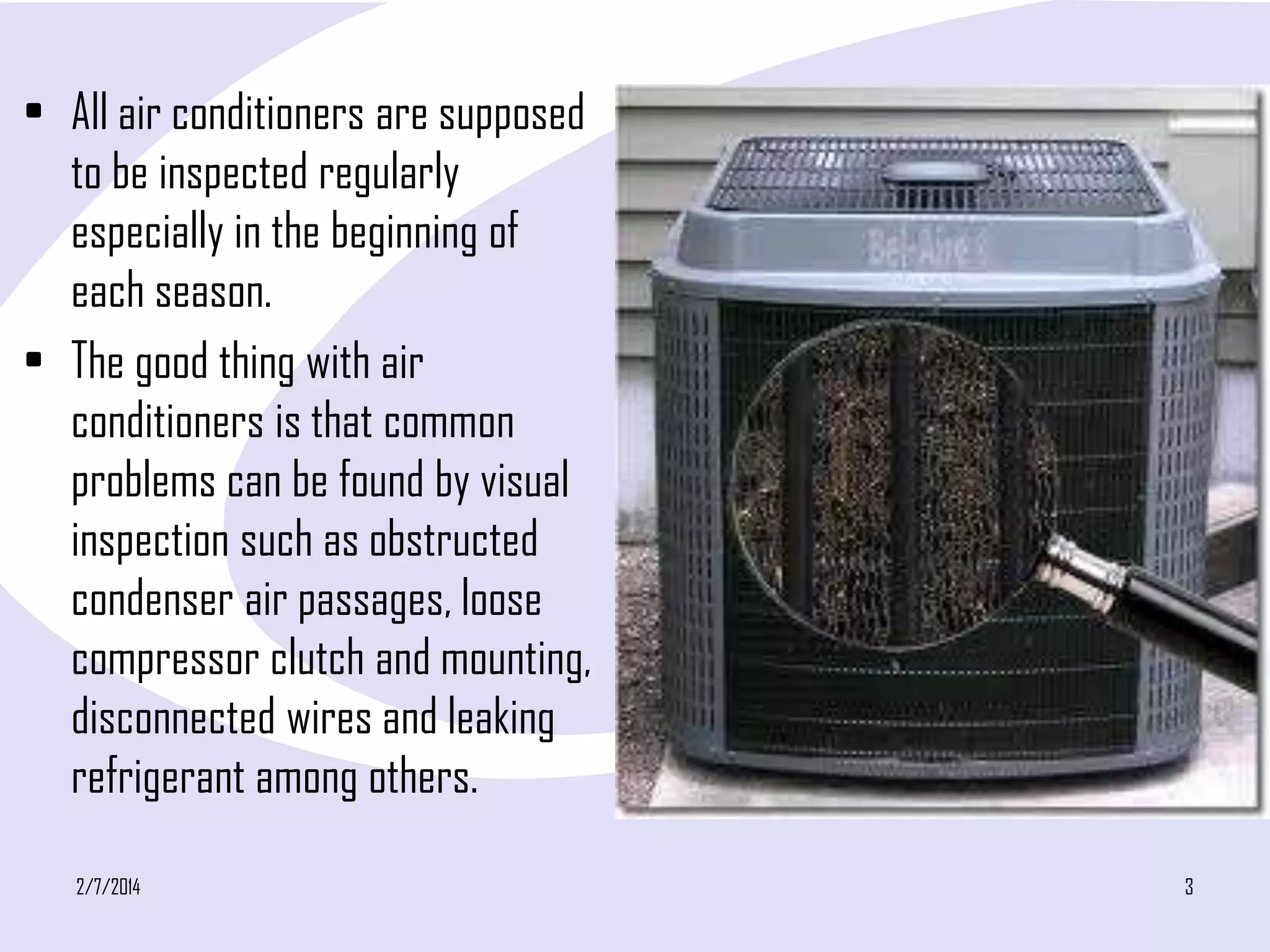
Both indoor and outdoor coils must maintain proper airflow for the refrigeration cycle to function within design parameters. A neglected, dirty air filter or a blocked evaporator coil restricts heat absorption indoors. Meanwhile, outdoor condenser coils choked with grass clippings, cottonwood seeds, or dirt prevent heat rejection. When heat cannot escape outside, head pressure skyrockets, forcing the compressor to work far beyond its rated capacity and triggering internal thermal overloads.
4. Contamination in the Sealed System
Moisture, air, dirt, and chemical breakdown products can infiltrate the refrigeration circuit during improper installation or repair. Moisture reacts with refrigerant and oil to form acids, which slowly eat away at the motor winding insulation. This condition, known as an acid burnout, contaminates the entire system and ruins the compressor oil, turning it into a dark, sludgy residue that seizes mechanical parts.
Troubleshooting Workflow: Step-by-Step Guide
When facing a malfunctioning air conditioning system, a methodical troubleshooting process helps isolate whether the problem lies with the compressor or with supporting components.
- Check the Thermostat and Power Supply: Ensure the thermostat is set to cooling mode and the temperature is set below room temperature. Verify that the indoor furnace switch and outdoor disconnect switch are in the "On" position and that no breakers are tripped at the main electrical panel.
- Inspect Air Filters and Coils: Turn off the system and inspect the indoor air filter. A heavily clogged filter restricts airflow and can freeze the coil, starving the compressor of proper operating conditions. Clear debris from the outdoor condenser unit.
- Listen to the Outdoor Unit: Turn the system back on and listen closely to the outdoor condensing unit.
- If the fan spins, but the compressor makes a continuous low humming noise before clicking off, suspect a failed start capacitor or a seized compressor.
- If nothing turns on, check for low-voltage control signals (24V) from the thermostat to the contactor coil.
- Test Electrical Components: Using a multimeter, check the microfarad rating of the run and start capacitors against their printed specifications. Measure voltage across the contactor terminals to ensure power is reaching the compressor when called upon. (Note: High voltage is present inside the outdoor unit; dangerous electrical shocks can occur if proper safety procedures are ignored.)
- Evaluate Line Temperatures and Pressures: Certified HVAC technicians attach manifold gauges to measure suction and liquid line pressures, calculating superheat and subcooling to determine if refrigerant charge is correct and if the compressor is pumping effectively.
Repair vs. Replacement: Making the Financial Decision
When a compressor officially fails, homeowners face a critical decision: repair the compressor or replace the entire air conditioning system. Because the compressor is the single most expensive component of an AC unit, several factors influence this choice.
- Age of the Equipment: Most air conditioning units are designed to last 10 to 15 years. If the compressor fails on a system that is over 10 years old, investing money in a major component replacement is rarely financially sound. Other parts, such as the evaporator coil or condenser coil, may soon fail as well.
- Refrigerant Type: Older systems utilizing R-22 (Chlorodifluoromethane) refrigerant cannot be easily or legally recharged with new R-22 due to environmental phase-outs, making compressor replacement cost-prohibitive compared to upgrading to modern R-410A or R-32 systems.
- Warranty Coverage: If the equipment is relatively new (e.g., under 5 to 10 years) and registered with the manufacturer, the compressor itself may be covered under a parts warranty. However, labor costs for a compressor swap, system flush, and refrigerant recovery are typically borne by the homeowner.
- Cost and Labor Intensity: Replacing a compressor is a major surgical procedure for an HVAC system. It requires recovering existing refrigerant, cutting out the old compressor, flushing the lines (especially after a burnout), brazing in a new compressor, installing a new filter-drier, evacuating the system with a vacuum pump, and recharging it to exact factory specifications. Labor costs reflect this complexity.
Prevention and Maintenance Best Practices
Preventing air conditioner compressor problems relies heavily on proactive, routine maintenance. Neglecting a cooling system guarantees premature component degradation.
- Schedule Annual Tune-Ups: Have a licensed HVAC professional inspect the system before the cooling season begins. Technicians check electrical connections, measure refrigerant pressures, lubricate moving parts, and clean coils.
- Change Air Filters Regularly: Replace disposable filters every 1 to 3 months depending on household conditions (pets, dust, allergies) to maintain optimal airflow across the indoor coil.
- Maintain Outdoor Clearance: Keep shrubs, fences, and debris at least two feet away from all sides of the outdoor condensing unit to ensure unobstructed airflow for heat rejection.
- Protect Against Power Surges: Install a whole-house surge protector or a dedicated HVAC surge suppressor at the disconnect box to shield sensitive compressor motor windings from lightning strikes and grid fluctuations.
Summary and Next Actions
Air conditioner compressor problems are among the most serious issues an HVAC system can encounter, often stemming from underlying electrical faults, restricted airflow, or refrigerant imbalances. While minor symptoms like a weak capacitor can be repaired affordably, a seized or burned-out compressor requires a professional evaluation to weigh repair costs against full system replacement. If your system exhibits persistent electrical tripping, unusual mechanical noises, or a complete lack of cooling, shut the unit off immediately at the thermostat and disconnect box to prevent further damage, and contact a licensed HVAC contractor for diagnosis.