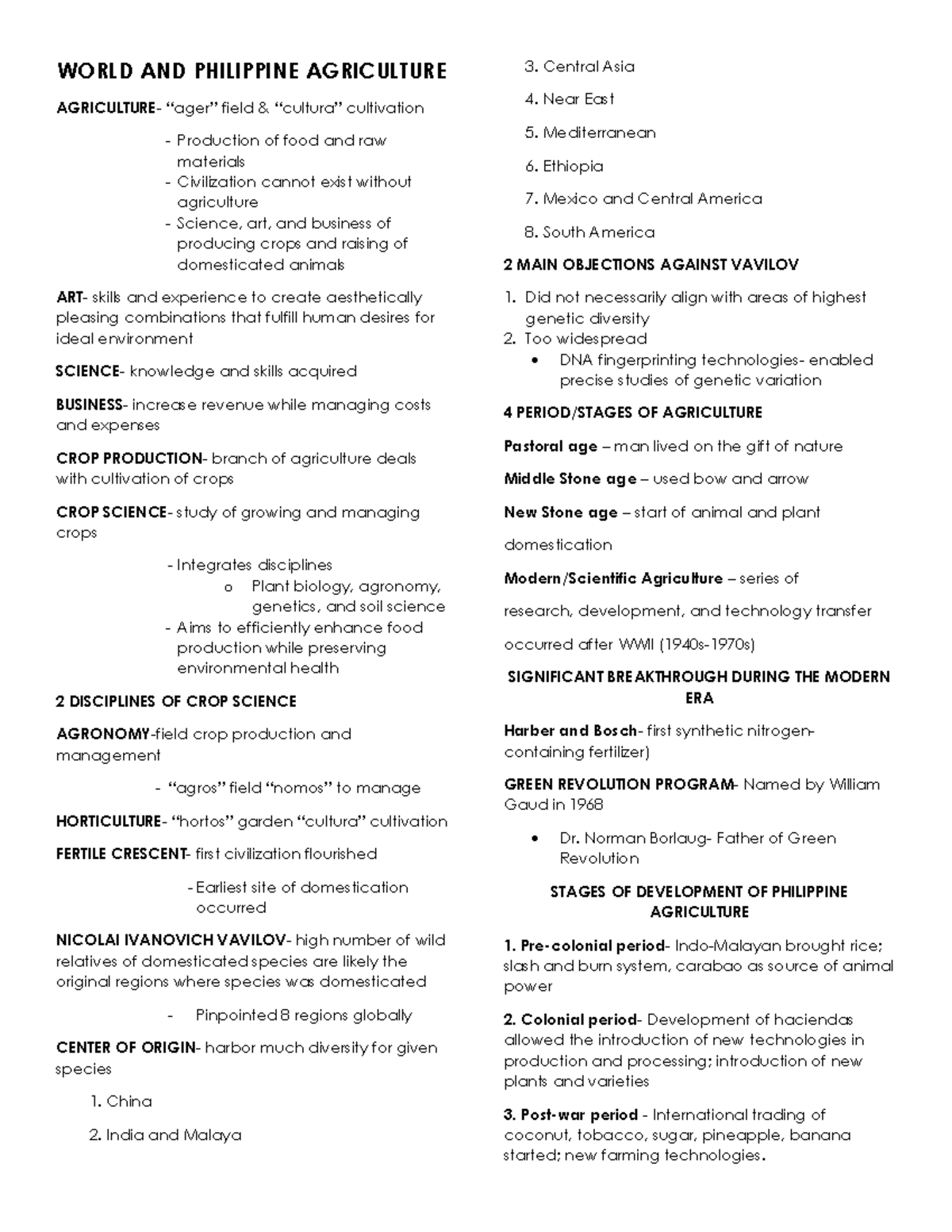
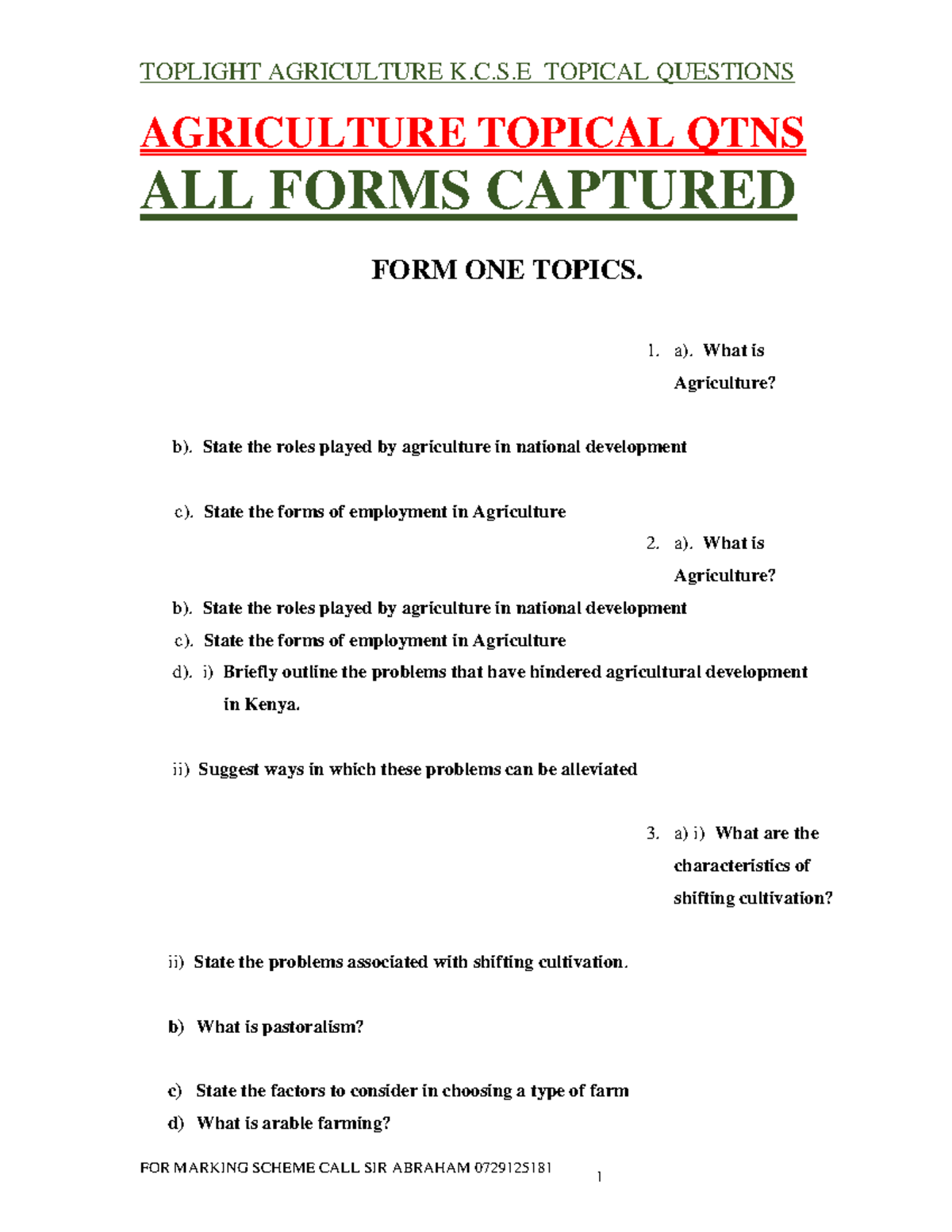
Finding the right agriculture topics for students requires a balance between traditional farming principles and the cutting-edge technological shifts defining the industry in 2026. From autonomous precision machinery to CRISPR-based crop editing, agriculture has evolved into a multidisciplinary field encompassing biology, data science, economics, and environmental engineering. Students should focus on topics that address global food security, climate resilience, and sustainable resource management.
Agriculture is no longer confined to the physical act of tilling the soil; it is a complex global network responsible for sustaining nearly 8.3 billion people. As of 2026, the sector is undergoing a massive transformation driven by the "Fourth Industrial Revolution" in farming. This evolution provides a fertile ground for students to explore diverse subjects that range from localized urban gardening projects to complex macroeconomic analyses of global supply chains. Whether you are a high school student looking for a science fair project or a university graduate student narrowing down a thesis, the following categories offer a deep dive into the most relevant agricultural themes today.
The Evolution of Agricultural Science and Why It Matters
Before selecting a specific topic, it is essential to understand the current state of the industry. In 2026, the primary challenge remains the "2050 Gap"—the need to produce 70% more food to feed a projected population of 10 billion by mid-century. This challenge is exacerbated by shrinking arable land, water scarcity, and volatile weather patterns.
Students studying agriculture are at the forefront of solving these existential problems. The discipline has shifted from a labor-intensive industry to a knowledge-intensive one. This means that research topics now often intersect with other fields. For instance, a student interested in computer science can find a niche in agricultural robotics, while a student focused on sociology can investigate the impact of fair-trade policies on smallholder farmers in developing nations.
Innovative Crop Science and Genetic Research
Crop science, or agronomy, remains the backbone of agricultural studies. However, the focus has moved beyond simple yield maximization toward nutritional density and environmental hardiness.
CRISPR and Gene Editing in Food Security
One of the most significant topics for university-level students is the application of CRISPR-Cas9 technology in staple crops. Unlike older GMO (Genetically Modified Organism) methods, gene editing allows for precise changes to a plant's own DNA without introducing foreign genetic material. Students can explore how this technology is being used in 2026 to create drought-resistant wheat or rice varieties that can grow in high-salinity soils caused by rising sea levels.
The Resurgence of Ancient Grains and Biodiversity
In response to the limitations of monoculture—growing only one type of crop—there is a growing interest in "orphan crops" or ancient grains like quinoa, amaranth, and millet. A research project could analyze the nutritional profiles of these grains compared to modern wheat or investigate how reintroducing biodiversity into the field can naturally suppress pests and reduce the need for chemical pesticides.
Soil Microbiology and the "Wood Wide Web"
The study of soil health has moved from chemical analysis to biological understanding. Students can investigate the role of mycorrhizal fungi and soil bacteria in nutrient cycling. A practical project might involve testing how different organic amendments (like biochar or compost tea) affect the microbial biomass in local soil samples.
Agricultural Technology (AgTech) and Precision Farming
As we move through 2026, technology is the fastest-growing sub-sector of agriculture. This provides numerous opportunities for students interested in engineering and data analysis.
Autonomous Systems and Robotics
The labor shortage in agriculture has accelerated the adoption of robotics. Students can focus on the development or efficiency of autonomous "weeding robots" that use computer vision to identify and laser-neutralize weeds, eliminating the need for herbicides. A comparison of the energy efficiency between traditional tractors and small, autonomous electric "swarm" robots is a highly relevant 2026 topic.
Drones and Remote Sensing
Drones equipped with multispectral sensors are now standard for monitoring crop health. A student project could involve analyzing drone imagery to calculate the Normalized Difference Vegetation Index (NDVI), which helps farmers identify nitrogen deficiencies before they are visible to the naked eye. Researching the cost-benefit analysis of drone adoption for small-scale vs. large-scale farms offers a blend of technology and economics.
The Internet of Things (IoT) in Irrigation
Water conservation is a critical global issue. Students can explore how IoT-connected soil moisture sensors can automate irrigation systems to provide water only when and where it is needed. This topic can be expanded into a study of "smart" greenhouses where every environmental variable—humidity, CO2 levels, and light spectrum—is controlled by algorithms.
Sustainable and Regenerative Agriculture
Sustainability is the defining theme of agricultural education in the mid-2020s. The shift from "sustainable" (maintaining the status quo) to "regenerative" (improving the land) is a major area of study.
Carbon Sequestration and Carbon Credits
Agriculture is one of the few industries that can act as a carbon sink. Students can research how "no-till" farming and cover cropping help trap carbon dioxide in the soil. A more advanced topic involves the verification of carbon credits: How can we accurately measure soil carbon to ensure farmers are fairly compensated by carbon markets?
Permaculture and Agroforestry
For students interested in ecology, permaculture offers a way to design agricultural systems that mimic natural ecosystems. A project could involve designing a "food forest" or investigating the benefits of silvopasture—the intentional integration of trees, forage plants, and livestock on the same land.
Vertical Farming and Urban Agriculture
With more people living in cities, urban agriculture is essential. Students can compare the resource efficiency (water, space, energy) of vertical indoor farms using LED lighting versus traditional outdoor farming. This topic also touches on the "food miles" concept—the distance food travels from farm to plate.
Agricultural Economics, Policy, and Social Sciences
Agriculture is as much about people and money as it is about plants and soil.
Global Supply Chain Resilience
Post-pandemic and mid-2020s geopolitical shifts have shown how fragile food supply chains can be. Students can analyze the impact of trade policies, fuel costs, and international conflict on food prices. A specific case study could look at the 2026 state of grain exports and how regional hubs are being developed to reduce dependency on global shipping.
Food Justice and Food Deserts
This social science-focused topic looks at why certain urban or rural populations lack access to fresh, affordable produce. Students can evaluate the effectiveness of community gardens or "mobile markets" in alleviating food insecurity in specific zip codes.
The Economics of Alternative Proteins
As consumer preferences shift, the market for plant-based and lab-grown (cultured) meat continues to expand. A research paper could explore the economic viability of cultured meat production in 2026 or the impact of these technologies on traditional livestock farmers.
Comparative Overview of Research Areas
The following table categorizes potential topics by their primary focus, suggested educational level, and the type of data required for successful completion.
| Topic Category | Focus Area | Complexity | Suggested Level | Data Type Required |
|---|---|---|---|---|
| AgTech | AI-driven pest identification | High | University | Image datasets, Coding |
| Agronomy | Impact of biochar on crop yield | Medium | High School/College | Experimental/Field |
| Sustainability | Carbon sequestration modeling | High | University | Quantitative/Chemical |
| Urban Ag | Hydroponic vs. Soil growth rates | Low | Middle/High School | Observational |
| Economics | Fair-trade impact on coffee farmers | Medium | College | Statistical/Interviews |
| Livestock | Animal welfare in automated dairies | Medium | College | Ethical/Qualitative |
How to Choose and Narrow Your Agriculture Topic
When selecting a topic, students often make the mistake of choosing a subject that is too broad, such as "Climate Change and Farming." To produce a high-quality project, you must narrow the scope.
- Identify a Specific Problem: Instead of "irrigation," focus on "subsurface drip irrigation efficiency in almond orchards during drought cycles."
- Consider Resource Availability: Do you have access to a lab? A local farm? Government databases? If you are a student in an urban environment, a topic on vertical farming or food policy might be more practical than one requiring five acres of corn.
- Check for "Local Relevance": Agriculture is highly regional. Studying a crop or a soil issue that affects your immediate community often makes for a more compelling and impactful project.
- Evaluate Future Trends: In 2026, topics related to "Circular Bioeconomy" (using agricultural waste to create bioplastics or energy) are highly valued by recruiters and academic boards.
Frequently Asked Questions
What are the most popular agriculture topics for high school students?
High school students often find success with hands-on projects such as testing the effect of different natural fertilizers (like eggshells or banana peels) on plant growth, or building a small-scale aquaponics system where fish and plants grow together in a symbiotic environment. These projects are visually engaging and demonstrate a clear understanding of the nitrogen cycle and biology.
Are there digital resources for agricultural data in 2026?
Yes, many international organizations provide open-access data. The Food and Agriculture Organization (FAO) of the United Nations offers FAOSTAT, which is the world's most comprehensive database on food and agriculture. Additionally, the USDA’s National Agricultural Statistics Service (NASS) provides localized data that is invaluable for economic and trend analysis.
Can I study agriculture if I don’t want to be a farmer?
Absolutely. Modern agriculture requires data scientists, mechanical engineers, policy analysts, marketing experts, and molecular biologists. Choosing a topic like "The Role of Blockchain in Food Traceability" or "The Psychology of Consumer Acceptance of Lab-Grown Meat" allows you to apply non-farming skills to the agricultural sector.
How has climate change affected agriculture topics for students in 2026?
Climate change is now the "lens" through which almost all agricultural topics are viewed. Students no longer just study "how to grow corn"; they study "how to grow corn in unpredictable weather patterns." This has shifted research toward topics like regenerative grazing, climate-smart agriculture (CSA), and the development of C4 photosynthesis pathways in C3 plants to increase heat tolerance.
What is the significance of "Food Sovereignty" as a research topic?
Food sovereignty is a political and social concept that emphasizes the right of peoples to healthy and culturally appropriate food produced through ecologically sound and sustainable methods. Researching this is particularly important for students interested in international development, indigenous rights, and the critique of industrial global food systems.
Practical Next Steps for Students
Once you have identified a general area of interest, the next step is to conduct a preliminary literature review. Use academic search engines like Google Scholar or PubMed to see what research has already been conducted. In 2026, it is also beneficial to look at recent "white papers" from AgTech startups and reports from the Intergovernmental Panel on Climate Change (IPCC) to ensure your chosen topic aligns with the latest global priorities. Finally, reach out to local agricultural extension offices or university departments; experts in the field are often willing to provide guidance or data for student-led initiatives.