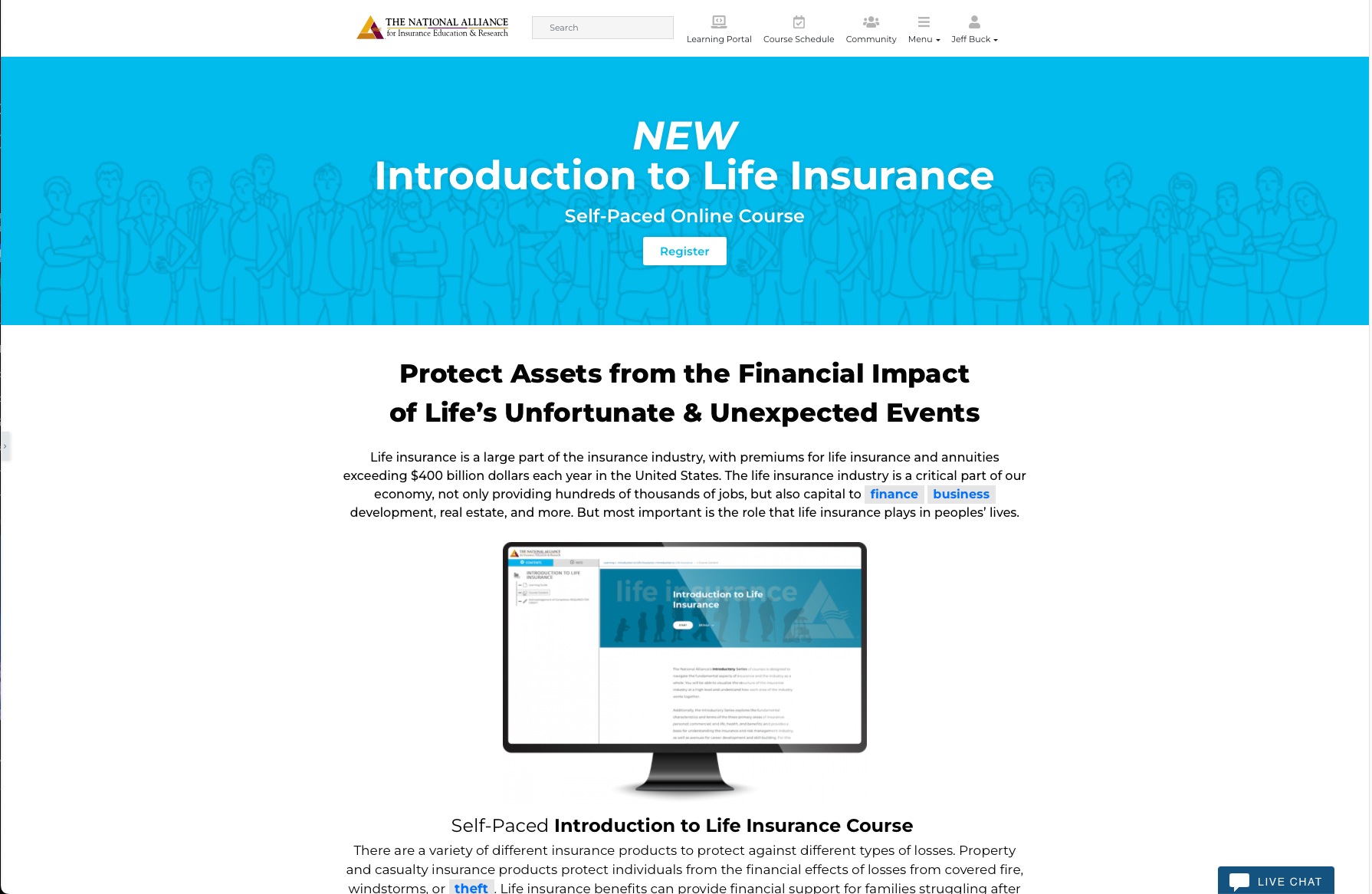
Aspiring agents looking to represent Aflac must navigate a structured path of pre-licensing education and product-specific training to remain compliant with state insurance regulations and company standards. These courses focus on the technical mechanics of life insurance products, state-mandated ethics, and the specialized consultative sales process required to manage Aflac’s portfolio of supplemental and permanent life insurance offerings.
Understanding the Role of Life Insurance Training
Life insurance represents a significant pillar of the protection products offered by Aflac. Unlike standard general insurance, life insurance requires agents to possess a deep understanding of risk assessment, policy structure, and the legal implications of beneficiary designations. Because Aflac operates primarily through a voluntary benefits model, agents are often tasked with explaining complex financial concepts to employees during open enrollment periods.
Educational requirements for these roles are divided into two distinct categories: state-mandated pre-licensing education and internal Aflac product-specific curriculum. It is a common misconception that Aflac provides the state licensure education directly. In reality, Aflac provides the infrastructure for professional development and product training, but the foundation must be built upon the legal requirements set forth by your specific state’s Department of Insurance (DOI).
State-Mandated Pre-Licensing Requirements
Before an agent can represent any life insurance company, including Aflac, they must hold a valid state resident insurance producer license. Each state dictates the required number of credit hours and the specific topics that must be covered in pre-licensing courses.
- Credit Hour Requirements: Most states require between 20 and 40 hours of formal study for a Life and Health insurance license.
- Curriculum Scope: Courses must cover federal and state-specific laws, the principles of life insurance, annuities, health insurance, and ethics.
- Exam Preparation: These courses are designed to prepare the candidate for the state board examination. Passing this proctored exam is the legal prerequisite for applying for an agent license.
While Aflac does not issue your state license, their recruiting teams often partner with accredited third-party education providers to offer discounts or guidance on which courses satisfy the specific state requirements. You should verify that any course you enroll in is approved by your state’s DOI to ensure the credits count toward your eligibility.
The Aflac Internal Training Curriculum
Once an agent has successfully obtained their state license, they begin the Aflac-specific onboarding process. This training is distinct from state education; it is designed to ensure that the agent can accurately explain the nuances of Aflac’s specific life insurance portfolio.
Technical Product Knowledge
Aflac’s life insurance lineup is designed for specific market needs, such as group universal life, term life, or whole life insurance tailored for the worksite. Agents are trained on:
- Underwriting Guidelines: Understanding how to field-underwrite by accurately assessing health information provided by applicants.
- Policy Features: Detailed analysis of riders, conversion options, and portability features that differentiate Aflac products from standard individual policies.
- Claim Processes: How to assist policyholders in filing claims and navigating the documentation requirements of the company.
Consultative Sales Methodology
A large portion of the internal training is dedicated to the "Aflac Way." This includes learning how to conduct benefits meetings in a professional, non-intrusive manner. Agents are instructed on how to address the "coverage gap"—the difference between the insurance an employee has through a standard employer-sponsored plan and the actual financial risks their family faces in the event of an unexpected death.
Continuing Education (CE) and Compliance
The insurance industry is heavily regulated, and the requirement for learning does not end once you are hired. To maintain your license, you must complete Continuing Education (CE) hours periodically, usually every two years, depending on your state’s regulations.
Aflac supports this by providing access to tracking tools or partnerships with CE providers that offer courses on industry updates, ethics, and new product launches. Keeping your CE credits up to date is a strict requirement for maintaining your appointment with the company. Failure to submit proof of completion to your state regulator can lead to the suspension of your license, effectively ending your ability to sell or service policies.
Comparing State Licensing vs. Internal Aflac Training
| Feature | State-Mandated Education | Aflac Internal Training |
|---|---|---|
| Purpose | Legal compliance and licensure | Product expertise and sales strategy |
| Provider | State-approved third-party schools | Aflac corporate and field training leads |
| Prerequisite | None (Entry-level) | Active state insurance license |
| Outcome | Passing the state licensing exam | Authorization to sell Aflac products |
| Frequency | Required for initial license & renewal | Ongoing as products update |
Practical Next Steps for Prospective Agents
If you are currently pursuing a career with Aflac, your journey begins with the state licensing process. Do not attempt to jump directly to Aflac training without your license, as it is a legal requirement to be licensed before you can represent the company in any capacity.
- Check Your State DOI Website: Locate the "Producer Licensing" section on your state’s Department of Insurance website. Review the exact credit hour requirements for a Life and Health license.
- Select an Approved Provider: Choose a reputable pre-licensing education provider. If you have already started the interview process with an Aflac district office, ask your coordinator if they have a preferred partner or discount code for your state.
- Complete the Pre-licensing Course: Dedicate focused time to complete the required hours. Treat these courses as a foundation for your career; the terminology learned here will be used daily in your sales interactions.
- Schedule and Pass the State Exam: Use practice exams provided by your course to measure your readiness. The state exam is rigorous, and success requires a clear understanding of insurance terminology and regulatory constraints.
- Submit Your License Application: Once you pass, follow the state’s instructions for background checks and license fee payments.
- Begin Aflac Onboarding: After your license is active, contact your Aflac district office to schedule your onboarding and product-specific training sessions.
Frequently Asked Questions
Does Aflac provide free pre-licensing courses? While Aflac does not generally provide "free" state pre-licensing education, they often have established relationships with third-party vendors that offer competitive pricing or group rates. Always consult with your local Aflac recruiter to see if they offer reimbursement programs or educational partnerships that could offset your costs.
Can I sell life insurance with just an Aflac appointment? No. An appointment allows you to represent the company, but it does not replace the state-issued license. You must hold both an active state Life Insurance license and a valid appointment with Aflac to legally solicit and sell their life insurance products.
How often do I need to complete continuing education? Continuing Education (CE) requirements vary by state, but the standard is typically every 24 months. You are responsible for monitoring your own license expiration date. Many agents use their state's online producer licensing portal to track their required and completed hours.
What happens if I fail the state licensing exam? Most states allow you to retake the exam after a waiting period. You may need to pay an additional testing fee. It is highly recommended to review the sections where you scored lowest in your pre-licensing materials before attempting the exam a second time.
Is Aflac training online or in-person? Aflac uses a hybrid model. Much of the introductory training can be completed through digital portals and virtual workshops, while hands-on sales training, role-playing, and field mentorship are typically handled through your assigned district office.
Professional Guidance and Compliance
The transition into a career as an insurance professional involves significant administrative responsibility. Always maintain a digital or physical folder containing your course certificates, exam results, and license number. As a professional, you are responsible for maintaining your own credentials. If you are ever unsure about your compliance status, contact your state’s Department of Insurance directly; they are the ultimate authority on your ability to practice.
Aflac’s training resources are intended to turn a licensed individual into a product specialist. By mastering the distinction between your regulatory requirements and the company's product training, you ensure that your career remains on a firm, compliant foundation as you provide essential coverage options to your clients.