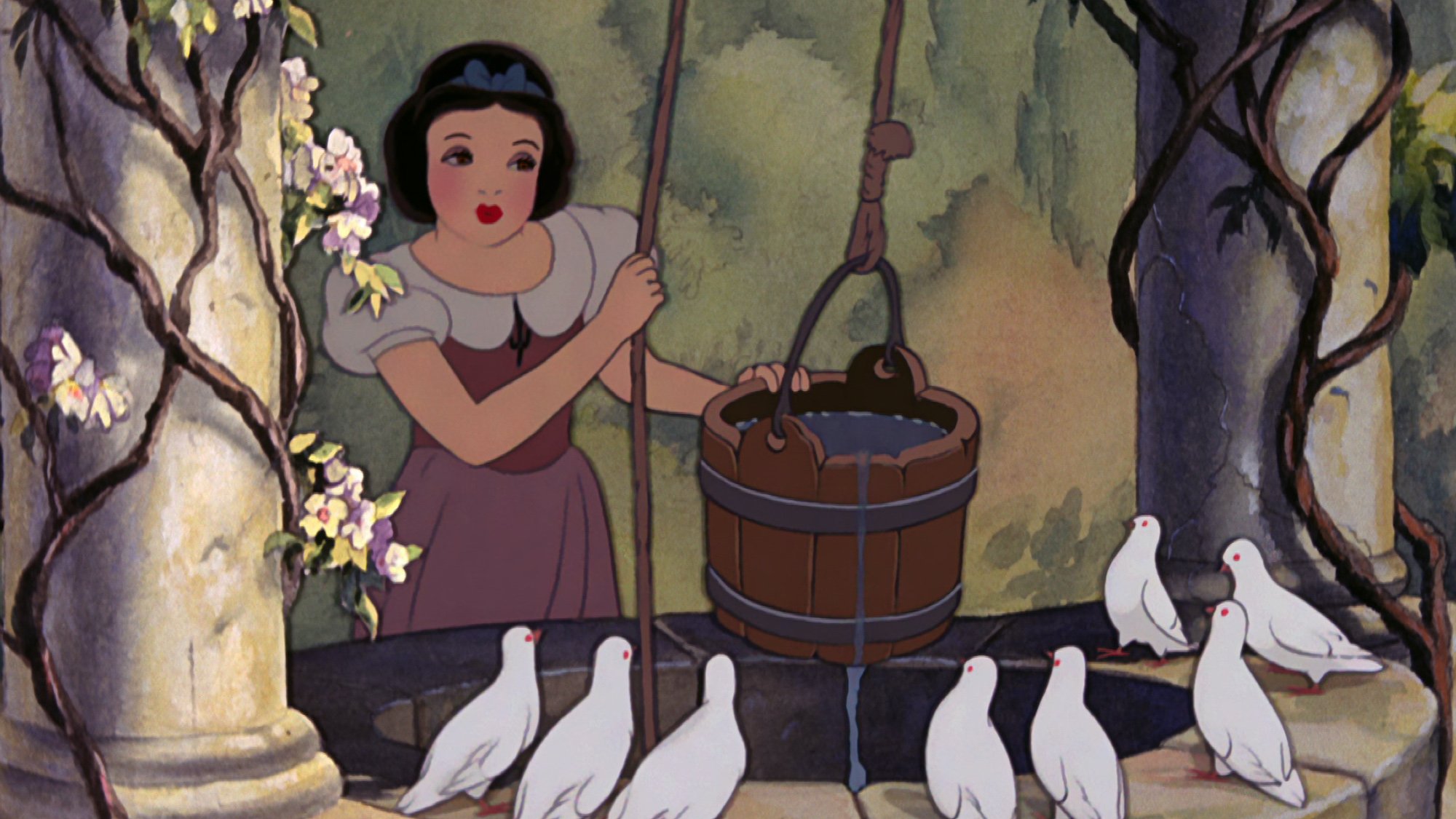
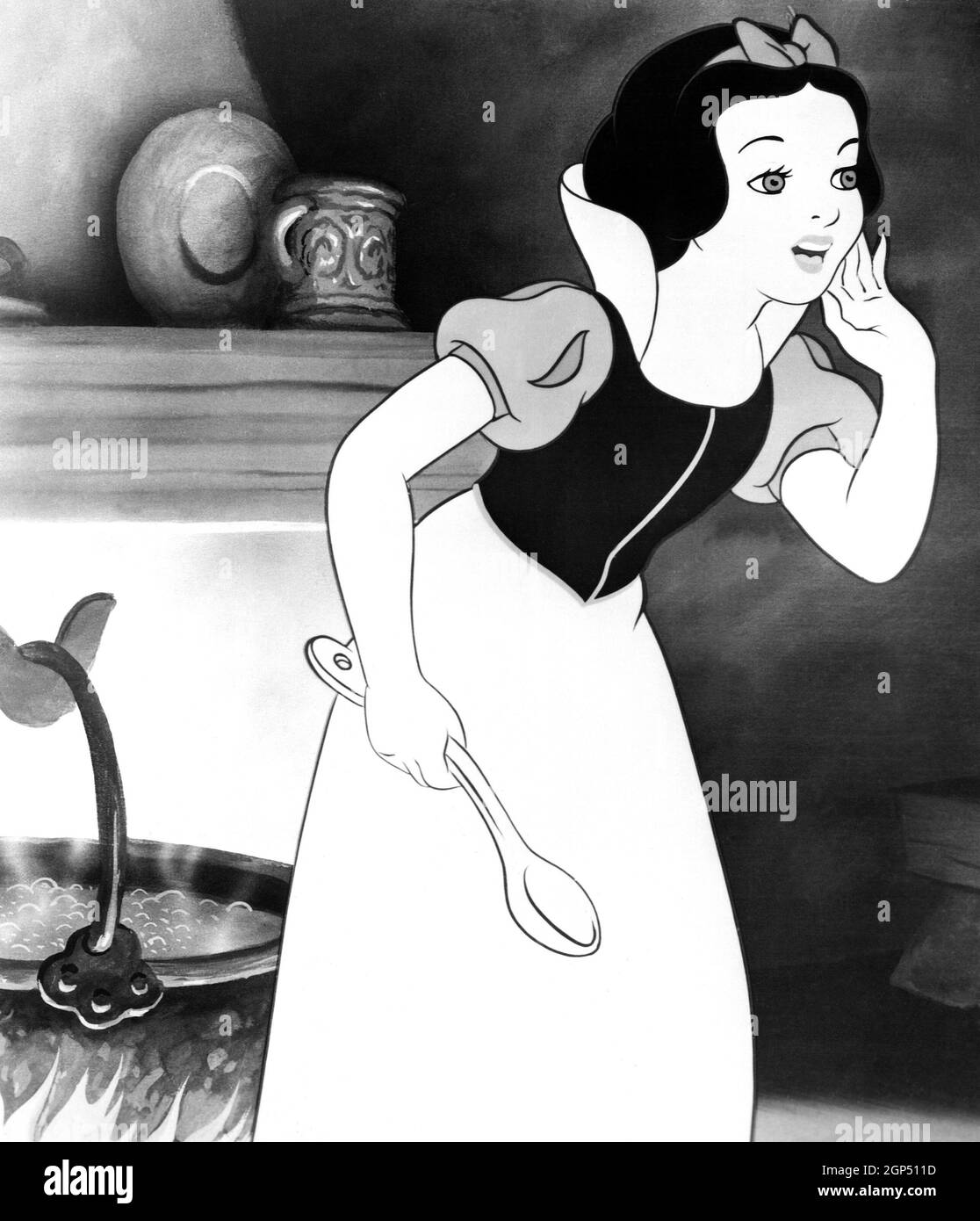
Adriana Caselotti was the American singer and voice actress who provided the dialogue and operatic singing voice for the title character in Walt Disney’s groundbreaking 1937 animated feature Snow White and the Seven Dwarfs. Chosen from more than 150 applicants, her youthful coloratura soprano defined Disney’s first animated princess and established the foundational archetype for music in feature-length animation.
The Discovery and Casting of Adriana Caselotti
Before Snow White and the Seven Dwarfs premiered in December 1937, feature-length animated films did not exist in American cinema. Walt Disney took an immense financial risk by greenlighting what Hollywood skeptics termed "Disney's Folly." Central to the success of the film was finding a voice for Snow White that sounded entirely natural, innocent, and musically refined, yet youthful enough to believable fit a teenage fairy-tale heroine.
- Audition Search: 150+ Vocalists Examined
- Roy Scott Calls Vocal Coach Guido Caselotti
- 18-Year-Old Adriana Intercepts Call on Extension
- Studio Test Audition at Hyperion Avenue
- Walt Disney Selects Caselotti for Snow White Role
Caselotti was born into an Italian-American musical family in Bridgeport, Connecticut, in 1916. Her father, Guido Caselotti, was an immigrant vocal teacher and opera coach; her mother, Maria Orezzi, was an opera singer; and her older sister, Louise, was a respected opera performer and vocal instructor. This rich musical upbringing provided Caselotti with rigorous early training in classical voice technique, specifically developing her light, high-register coloratura soprano.
In 1935, Disney talent scout and casting director Roy Scott phoned Guido Caselotti asking for recommendations of young vocal students who possessed a fresh, unforced singing style. The 18-year-old Adriana eavesdropped on the extension phone in her family's Los Angeles home and chimed in to offer herself for an audition.
Walt Disney had personally rejected dozens of established radio singers and adult vocalists because their tones sounded overly mature, theatrical, or stylized. Upon hearing Caselotti’s audition recording, Disney recognized the precise combination of youthful vulnerability and effortless classical control he envisioned. She was formally hired in 1935, setting into motion one of the most famous—and restrictive—vocal performances in cinematic history.
Recording Snow White: Production, Methods, and Compensation
Production of Snow White and the Seven Dwarfs spanned several years at Disney's original Hyperion Avenue studio in Silver Lake, Los Angeles. Recording the dialogue and musical tracks required novel techniques, as sound engineering for feature animation was still in its infancy.
Vocal Technique and Characterization
Caselotti brought a distinct vocal brightness to classic songs such as "With a Smile and a Song," "Some Day My Prince Will Come," and "I'm Wishing." Her performance relied on clear diction, gentle vibrato, and an airy vocal placement that allowed the character to project optimism despite harrowing narrative turns. Animators frequently listened to her pre-recorded tracks to sync character expressions and lip movements to the nuance of her spoken phrasing.
Voice Acting vs. Physical Reference
A common point of historical confusion is the distinction between Snow White's vocal performer and her physical live-action reference model:
- Vocal Performance: Provided entirely by Adriana Caselotti, who delivered all spoken dialogue and vocal musical tracks.
- Live-Action Reference: Provided by dancer Marge Champion (then known as Marjorie Belcher). Champion moved on a soundstage in costume to give animators precise visual reference for physical grace, dress movement, and body mechanics.
Compensation Realities
Despite Snow White and the Seven Dwarfs earning unprecedented box-office returns—grossing over $8 million globally during its initial release and becoming the highest-grossing sound film of its era—Caselotti’s compensation was modest.
She was paid $14 per day for her recording sessions, earning a total of approximately $970 across 40 days of work between 1935 and 1937. Adjusted for inflation, this total equals roughly $20,000 in mid-2020s value. Crucially, Caselotti received no residual payments, royalty percentage, or secondary compensation for soundtrack releases, home video re-releases, or promotional merchandise.
Contractual Restrictions and the Cost of Hollywood Anonymity
While Snow White and the Seven Dwarfs transformed Walt Disney Studios into a major Hollywood power, it effectively placed a ceiling on Adriana Caselotti’s career as a mainstream performer.
The Preservation of Illusion
Walt Disney believed strongly that if Caselotti appeared in other films, performed on popular radio programs, or received high-profile screen credit, the magic of the Snow White illusion would be broken for audiences. Consequently, Disney placed Caselotti under a strict exclusive contract that restricted her from taking public voice acting or singing roles without studio approval.
Key consequences of this restrictive arrangement included:
- Omission of Screen Credits: In accordance with standard Disney practices of the late 1930s, screen credits for the main voice cast—including Caselotti, Harry Stockwell (Prince Charming), and Lucille La Verne (the Evil Queen/Witch)—were omitted from the film’s original release prints.
- Blocked Radio Opportunities: High-profile radio stars, including comedian Jack Benny, sought to book Caselotti for guest appearances following the film's success. Walt Disney personally declined these requests, stating that the voice of Snow White could not appear on commercial variety shows.
- Limited Film Roles: Casting directors outside Disney grew reluctant to hire her, assuming her voice was either permanently tied to Disney or too recognizably stylized for standard cinematic storytelling.
The Uncredited Cameo in The Wizard of Oz (1939)
Despite these restrictions, Caselotti made one famous, uncredited film appearance shortly after Snow White. In Metro-Goldwyn-Mayer's 1939 classic The Wizard of Oz, during Jack Haley’s performance of "If I Only Had a Heart" as the Tin Man, Caselotti voiced the famous spoken interjection: "Wherefore art thou, Romeo?"
This line was recorded during Metro-Goldwyn-Mayer soundtrack sessions, but Caselotti received no screen credit for her brief vocal contribution.
Comparative Analysis: Voice Acting Eras
The conditions under which Adriana Caselotti worked in 1937 contrast sharply with the contractual, legal, and operational frameworks governing animation voice talent in modern cinema.
| Structural Category | Early Studio Era (Adriana Caselotti, 1937) | Modern Animation Era (2020s–2026) |
|---|---|---|
| Screen Credit Attribution | Uncredited on original theatrical prints to preserve character mystery. | Prominently credited in opening billing, main titles, and publicity kits. |
| Financial Structure | Fixed daily session rate ($14/day; $970 total); no royalties or residuals. | SAG-AFTRA scale wages, residual fee structures, and potential backend participation. |
| Contractual Freedom | Restrictive non-compete clauses preventing non-Disney performances. | Talent free to work across competing studios, television, streaming, and games. |
| Promotional Role | Hidden during initial theatrical run; utilized decades later for nostalgia tours. | Front-and-center press junkets, talk show tours, and digital social campaigns. |
| Reference Work Split | Vocal actor and physical live-action reference model were entirely separate individuals. | Voice talent frequently captured via facial performance capture or serving as sole reference. |
Disney Legend Status and Later Life
Although her early screen career was constrained by studio policy, Caselotti’s relationship with Disney evolved into a lifelong celebratory ambassadorship.
Promotional Ambassador Era
Starting in the 1950s and extending through the 1990s, Disney regularly re-released Snow White and the Seven Dwarfs in theaters every seven to ten years. As public interest in original film history grew, Disney invited Caselotti to participate in promotional tours, press interviews, soundtrack signings, and guest appearances at Disneyland.
She embraced her legacy wholeheartedly. Her personal residence in Los Angeles featured a custom-built replica of the Snow White wishing well in her front yard, and she frequently recorded personalized voice messages for fans and collectors.
- 1937: Operatic Voice of Snow White Released Theatrically
- 1950s: Begins Promotional Appearances for Disney Re-releases
- 1972: Featured on The Merv Griffin Show for Disney History Retrospective
- 1994: Formally Named a "Disney Legend" at Official Ceremony
- 1997: Passes Away in Los Angeles at Age 80
Official Recognition as a Disney Legend
In 1994, Roy E. Disney and The Walt Disney Company officially named Adriana Caselotti a Disney Legend. She was the first female voice actor to receive the award, which honors individuals who have made extraordinary, lasting contributions to the legacy of the Disney studio.
Her induction recognized not only her vocal achievement in Snow White and the Seven Dwarfs, but also her role in shaping the studio's golden age of animation music.
Caselotti passed away from cancer at her home in Los Angeles on January 19, 1997, at the age of 80.
Artistic Legacy and Influence on Animation
Adriana Caselotti's work on Snow White and the Seven Dwarfs created the template for animated musical storytelling. Before 1937, song sequences in short cartoons were primarily used for rhythmic comedy or background slapstick. Caselotti’s performance demonstrated that vocal music in an animated film could drive character development, heighten emotional narrative stakes, and propel a story forward.
Her classical operatic technique established a precedent for subsequent Disney vocal talent throughout the 20th century:
- Ilene Woods (Cinderella, 1950) adopted a similarly clear, pristine vocal delivery adapted to 1950s pop-standard phrasing.
- Mary Costa (Sleeping Beauty, 1959) brought full operatic training directly line-for-line to the character of Princess Aurora.
- Jodi Benson (The Little Mermaid, 1989) evolved the tradition into Broadway-style theatrical belting, building directly upon the character-driven musical structure first forged by Caselotti.
Film historians recognize Caselotti's performance as a pivotal bridge between classic European vocal traditions and commercial American animated cinema.
Frequently Asked Questions
How much was Adriana Caselotti paid for voicing Snow White?
Adriana Caselotti was paid $14 per day for her recording sessions, totaling $970 over approximately 40 days of work between 1935 and 1937. She did not receive residuals, royalties, or backend compensation for the film's theatrical profits or merchandise sales.
Why was Adriana Caselotti not credited in the 1937 film?
Walt Disney chose not to credit the voice cast in the original release of Snow White and the Seven Dwarfs because he wanted audiences to buy into the illusion of the animated characters as real individuals, rather than associate them with Hollywood actors.
Did Adriana Caselotti provide the physical motion for Snow White's animators?
No. Caselotti provided the voice and vocal music tracks exclusively. The physical live-action reference model for Snow White's movements, dance steps, and dress physics was dancer Marge Champion (then Marjorie Belcher).
What other films did Adriana Caselotti work on?
Due to exclusive restrictions imposed by Disney to protect the Snow White persona, Caselotti had very few film credits. Her most famous non-Disney performance was an uncredited vocal cameo in 1939's The Wizard of Oz, where she sang the line "Wherefore art thou, Romeo?" during the Tin Man's musical number.
When was Adriana Caselotti named a Disney Legend?
Adriana Caselotti was officially inducted as a Disney Legend in 1994. She was the first female voice performer to receive the prestigious studio honor.
Recommendations for Film Historians and Disney Researchers
For researchers, students of animation, and cinema historians exploring early Hollywood voice performance, the following resources and archival practices offer deep insight into Adriana Caselotti's historic role:
- Examine Archival Audio Recordings: Compare the original 1937 Snow White soundtrack pressings with radio appearances from the 1970s and 1980s to analyze how operatic vocal placement was adapted for early optical sound film recording.
- Review Live-Action Reference Documentation: Study behind-the-scenes archival footage from Walt Disney Studios showing the simultaneous use of Marge Champion's visual reference work alongside Caselotti’s audio playback tracks.
- Research Early Studio Contracts: Consult entertainment law archives detailing 1930s studio contracts to understand how non-compete clauses and credit omissions functioned during Hollywood’s Golden Age.