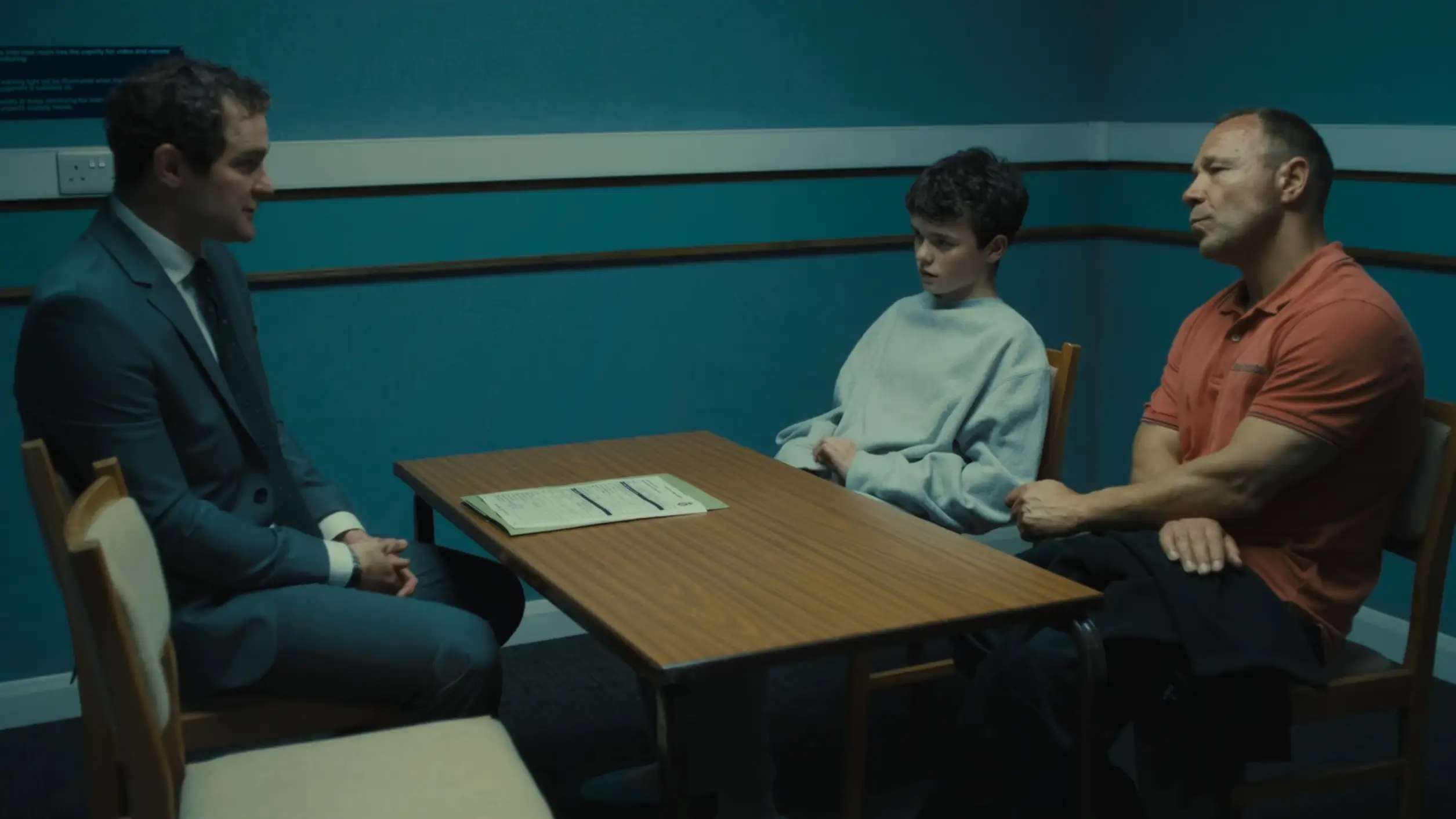
True adolescent stories are non-fiction narratives—typically memoirs, biographies, or oral histories—that document the transformative journey from childhood to adulthood. These accounts provide authentic insights into the psychological, social, and physical changes of youth, offering readers a mirror for their own experiences or a window into the diverse realities of others. By focusing on a real person, these stories bypass fictional tropes to reveal the raw complexities of identity formation.
Adolescence is a period defined by profound neurological and social shifts. While fiction often romanticizes this era, true stories grounded in the lives of real people provide a necessary tether to reality. As of 2026, the demand for authentic long-form narratives remains high, as readers increasingly seek "lived experience" over curated digital personas. Understanding these stories requires looking at the authors who lived them, the historical contexts that shaped them, and the psychological frameworks that make their journeys universal.
Why Real-Life Adolescent Stories Resonate in 2026
The enduring appeal of a true story about a real person during their adolescence lies in the concept of shared vulnerability. Unlike fictional characters who are often subject to "plot armor," real individuals face consequences that are permanent and messy. In a world saturated with AI-generated content and hyper-edited social media feeds, the grit of a genuine memoir provides a grounding influence.
From a psychological perspective, adolescence is the stage where individuals navigate the conflict between identity and role confusion. When a reader engages with a true account of someone like Malala Yousafzai or Tara Westover, they aren't just reading a sequence of events; they are witnessing the structural development of a human personality. This resonates across generations because the fundamental biological drivers of adolescence—increased dopamine sensitivity, the search for autonomy, and the heightening of social emotions—remain constant regardless of the era.
Furthermore, these stories serve as historical records. They capture the vernacular, the social taboos, and the technological limitations of a specific time. A memoir written about adolescence in the 1990s provides a vastly different landscape of "connection" than one written by a member of Gen Z in 2026. This chronological diversity allows readers to see how the universal "coming-of-age" experience is filtered through different cultural lenses.
Iconic True Stories of Adolescence
To understand the impact of real-life adolescent narratives, one must look at the seminal works that have defined the genre. These accounts aren't merely journals; they are curated reflections on the most volatile years of a person's life.
The Diary of a Young Girl by Anne Frank
Perhaps the most famous true story of adolescence in history, Anne Frank’s diary captures the interior life of a girl between the ages of 13 and 15. While the backdrop is the horror of the Holocaust, the core of the writing is quintessentially adolescent. She navigates conflicts with her mother, develops her first crush, and contemplates her place in the world. It remains a primary text for understanding the resilience of the youthful spirit under extreme duress.
I Am Malala by Malala Yousafzai
Malala’s story provides a modern look at how adolescence can be a time of intense political and social activism. Writing about her life in Pakistan’s Swat Valley under the Taliban, she highlights the specific struggle for female education. Her "coming of age" happened under the threat of violence, proving that for many real people, adolescence is not just a transition into adulthood, but a fight for the right to have a future at all.
Educated by Tara Westover
Tara Westover’s memoir is a profound exploration of educational displacement. Born to survivalists in the mountains of Idaho, she did not step foot in a classroom until she was seventeen. Her adolescence was a battle between the loyalty she felt toward her family and the burgeoning desire for an intellectual life. This story highlights the "breaking away" phase of adolescence, which is often painful and requires a total re-evaluation of one’s origins.
The Color of Water by James McBride
In this memoir, McBride explores the dual narrative of his own adolescence as a Black man in New York and his white mother’s history. It is a masterclass in how adolescence is tied to racial and cultural identity. Real-life stories like this help readers understand that the search for "who am I?" is often inextricably linked to "where did I come from?"
Distinguishing Between Memoir, Autobiography, and Creative Non-Fiction
When seeking true stories about real people, it is important to understand the technical categories these works fall into. While they all deal with facts, their presentation varies significantly.
- Autobiography: Usually a chronological account of a person’s entire life. The adolescent portion is just one segment of a larger timeline. These are often written by public figures later in life to set the record straight.
- Memoir: These focus on a specific theme or time period. A "coming-of-age memoir" focuses almost exclusively on the adolescent years. Memoirs are more "novelistic" in their prose, focusing on emotional truth and the author’s internal state.
- Creative Non-Fiction: This uses literary techniques—such as dialogue, setting the scene, and pacing—to tell a true story. The events are factually accurate, but the delivery is designed to read like a story.
- Biographies: These are accounts written by someone other than the subject. They rely on interviews, letters, and research. They provide a more objective, "outsider-in" view of a person’s youth.
Comparison of Seminal Adolescent Memoirs
The following table compares key true stories to illustrate the diversity of the adolescent experience across different environments and eras.
| Author | Title | Primary Theme | Context | Focus of Adolescence |
|---|---|---|---|---|
| Anne Frank | The Diary of a Young Girl | Survival & Identity | WWII / The Holocaust | Internal emotional growth during confinement. |
| Malala Yousafzai | I Am Malala | Right to Education | Modern Pakistan | Political activism and courage under threat. |
| Tara Westover | Educated | Self-Invention | Survivalist Idaho | The conflict between family loyalty and learning. |
| Frank McCourt | Angela's Ashes | Poverty & Resilience | 1930s/40s Ireland | The physical and moral struggle of growing up poor. |
| Maya Angelou | I Know Why the Caged Bird Sings | Trauma & Voice | Segregated US South | Overcoming trauma and finding self-expression. |
The Role of True Stories in Modern Education and Mental Health
By 2026, the use of "bibliotherapy"—using literature to support mental health—has gained significant traction in clinical and educational settings. True stories of adolescence are particularly effective because they provide validation.
When a teenager reads a real account of someone struggling with social anxiety, family dysfunction, or identity crises, it reduces the sense of isolation. Unlike fiction, which can sometimes feel "too perfect" or "resolved," real-life stories often end with a sense of "onwardness" rather than total resolution. This mirrors the reality of mental health, where management and growth are more common than a simple "cure."
In schools, moving beyond the traditional canon to include contemporary true stories allows for a more inclusive curriculum. It introduces students to different socio-economic backgrounds and global perspectives. For instance, reading the United Nations narratives on youth can connect a student's personal development to global issues like climate change or social justice, showing that adolescence is a time of global citizenship.
How to Document Your Own Adolescent Experience
If you are looking to record your own true story or the story of a real person in your life, the process requires a balance of factual accuracy and narrative flow. In 2026, the tools available for this have expanded from simple journals to complex digital archives.
1. Identify the "Turning Points"
A true story is not a log of everything that happened. It is a collection of the moments that changed you. Identify the "inciting incidents" of your youth: a move to a new city, a first loss, a mentor who changed your perspective, or a failure that led to growth.
2. Gather Evidence
Memory is notoriously fickle. To ensure your story remains a "true story," supplement your memories with:
- Old Journals or Emails: These capture your actual voice at the time, which is often different from how you remember it.
- Interviews: Talk to siblings, parents, or childhood friends. They will remember details you have suppressed or forgotten.
- Photographs and Artifacts: These can trigger sensory memories—the smell of a specific house, the texture of a school uniform.
3. Focus on the Sensory Details
To make a real person's story come alive, you must describe the world they inhabited. What did the school cafeteria smell like? What song was playing on the radio during that pivotal car ride? Sensory details anchor the reader in the reality of the moment.
4. Maintain Ethical Integrity
Writing about real people involves ethical considerations. If your story involves others, consider how their privacy will be affected. Many memoirists use pseudonyms or "composite characters" (combining two real people into one) to protect identities while maintaining the "emotional truth" of the events.
Challenges and Ethical Considerations
One of the greatest challenges in writing or reading true adolescent stories is the reliability of memory. The prefrontal cortex—the part of the brain responsible for complex decision-making and memory organization—is still developing during adolescence. Consequently, memories from this time can be highly emotional but factually fragmented.
There is also the "Social Media Effect." For those coming of age in the 2010s and 2020s, much of their adolescence is documented online. This creates a "digital trail" that can either support or contradict a person's remembered experience. As a reader or writer in 2026, navigating the difference between the "performed life" (what was posted on social media) and the "lived life" (how it actually felt) is a central theme of modern non-fiction.
Frequently Asked Questions
What is the difference between a true story and "based on a true story"?
A "true story" (non-fiction) adheres strictly to the facts as they occurred, documented through evidence and memory. "Based on a true story" is usually a fictionalized account where the author takes "creative license." This means they might change dates, invent dialogue, or add dramatic events that didn't happen to make the narrative more compelling.
Why are adolescent memoirs so popular?
Adolescence is a universal human experience characterized by "firsts"—first love, first major loss, first taste of independence. These stories are popular because they allow adults to reflect on their own formative years and help young people realize they are not alone in their confusion or struggles.
Can a teenager write their own biography?
While "biography" usually implies a life-long account, many young people write memoirs or "journals of record." These are highly valuable as they capture the raw, unpolished perspective of youth in real-time, rather than the filtered perspective of an adult looking back 20 years later.
How do I know if a memoir is actually true?
While most authors aim for honesty, memoirs are subjective. High-profile cases of "faked" memoirs have led publishers to be more rigorous. You can verify a story by looking for external sources, checking historical facts, and reading author interviews where they discuss their research and fact-checking process.
Is "The Catcher in the Rye" a true story?
No. While it feels incredibly "real" to many readers, it is a work of fiction by J.D. Salinger. However, it is often grouped with true stories because it captures the "voice" of adolescence so accurately. If you are looking for a true story with a similar feel, you might look at This Boy's Life by Tobias Wolff.
Final Recommendation: Where to Start
To truly appreciate the depth of "adolescence true story real person" narratives, start with The Diary of a Young Girl for its historical and internal depth, then move to Educated for a modern look at the psychological struggle for autonomy. If you are interested in the technical side of how these stories are built, the NWP (National Writing Project) offers resources on "youth voice" and digital storytelling that illustrate how real-life experiences are transformed into lasting narratives. Whether you are reading for empathy, education, or inspiration, these stories remind us that while every life is unique, the journey of "becoming" is a path we all walk together.