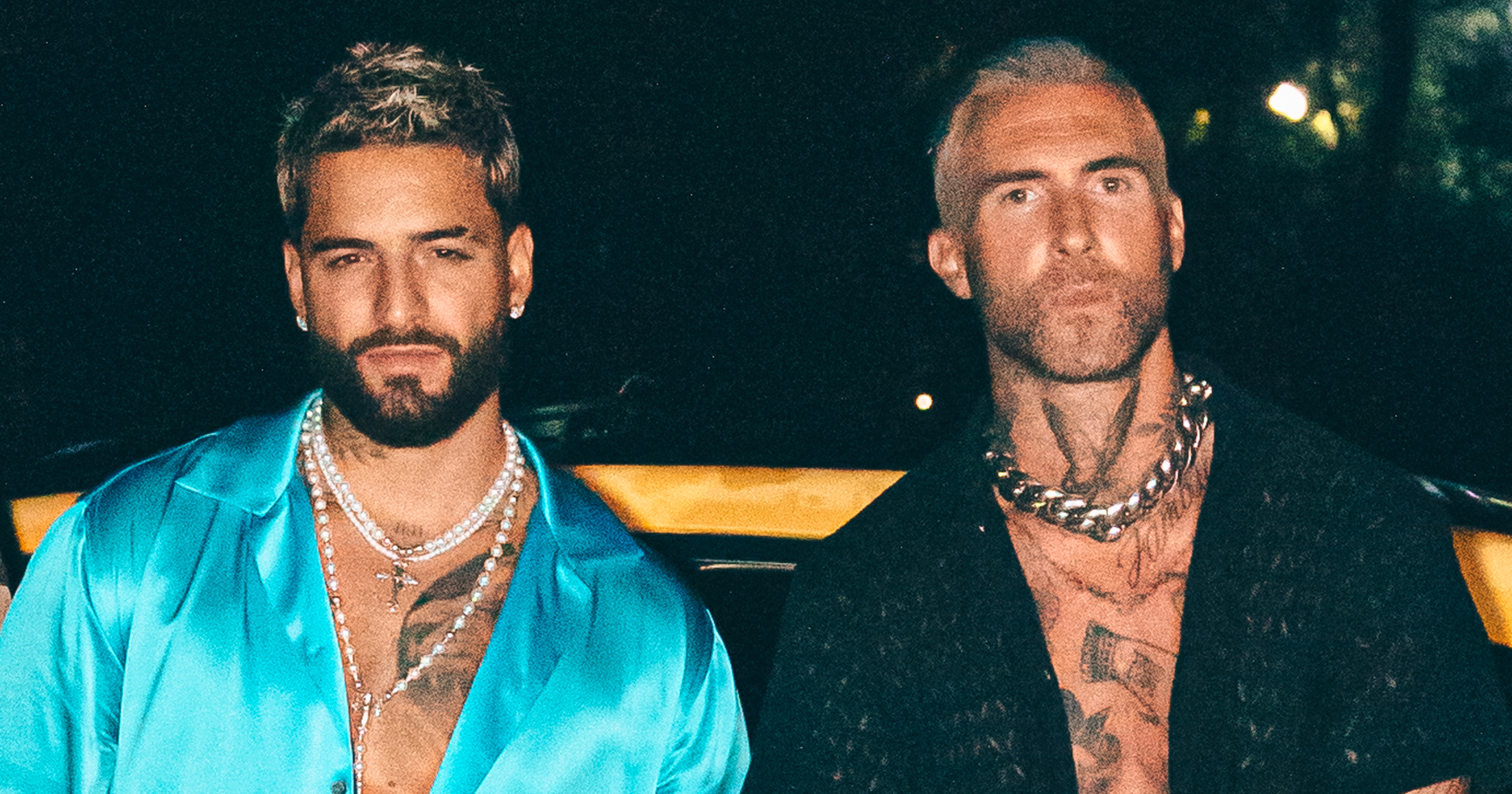
Adam Levine, frontman of the pop-rock band Maroon 5 and former coach on NBC’s The Voice, faced a wave of public scrutiny and online allegations in 2022 concerning inappropriate direct messages sent to multiple women outside of his marriage. While these revelations did not involve legal charges or formal workplace misconduct investigations within the music industry, they triggered a massive cultural conversation about digital boundaries, celebrity accountability, public apologies, and the scrutiny faced by public figures in the modern entertainment landscape.
Understanding the Genesis of the Allegations
The public discourse surrounding Adam Levine began in September 2022, when Instagram model Sumner Stroh posted a video on TikTok claiming she had an affair with the singer while he was married to model Behati Prinsloo. Stroh shared screenshots of alleged direct messages in which Levine reportedly asked for permission to name his unborn child after her.
Following Stroh’s disclosures, several other women came forward on social media with similar screenshots and accounts of flirtatious, suggestive, or boundary-crossing messages received from Levine over various digital platforms. These communications generally involved private direct messages sent via Instagram, where Levine complimented appearance and engaged in conversational banter that crossed traditional marital and professional boundaries.
It is vital to distinguish these internet-driven allegations from formal legal or industrial misconduct. No criminal charges were filed, nor were there allegations of workplace harassment, coercion, or abuse of power within professional settings such as recording studios, tour management operations, or corporate label environments. The situation remained centered on personal conduct, digital fidelity, and public ethics rather than statutory violations or labor disputes.
Public Response and the Anatomy of a Celebrity Apology
As the allegations circulated across social media platforms like TikTok, Twitter (now X), and Instagram, public reaction was swift and polarized. Fans and cultural commentators dissected the screenshots, leading to viral memes and intense media coverage across entertainment news outlets.
Levine responded to the controversy via an Instagram story statement, addressing the claims directly:
"A lot is being said about me right now and I want to clear the air. I used poor judgment in speaking with anyone other than my wife in any kind of flirtatious manner. I did not have an affair, nevertheless, I crossed the line during a regrettable period in my life."
He added that in certain instances, the interactions became inappropriate, stating he had addressed them and taken proactive steps to remedy the situation with his family. His wife, Behati Prinsloo, publicly stood by him, and the couple continued their family life together, navigating the intense public spotlight that often accompanies high-profile marital controversies in the entertainment industry.
| Aspect of Controversy | Details and Context |
|---|---|
| Primary Source of Claims | Social media disclosures (TikTok and Instagram) by individual models and content creators. |
| Nature of Communications | Flirtatious, suggestive, and boundary-crossing private direct messages. |
| Legal Status | No criminal charges, lawsuits, or formal industry investigations filed. |
| Public Acknowledgment | Levine issued a public statement admitting to using "poor judgment" and crossing lines. |
| Family Response | Continued public unity with his wife, model Behati Prinsloo. |
The Broader Context of Celebrity Scrutiny in the Music Industry
The incident involving Adam Levine highlights how modern digital culture reshapes accountability for musicians and public figures. In previous eras, personal indiscretions often remained confined to tabloid journalism or gossip columns. Today, social media platforms allow individuals to publish primary-source evidence—such as screenshots, screen recordings, and direct message logs—instantly to a global audience.
This democratization of information alters how the music industry manages public relations crises. Artists, record labels, and management teams can no longer rely solely on traditional press releases or quiet public relations strategies to manage reputational damage. Instead, they must contend with viral social media cycles, algorithmic amplification, and immediate public commentary.
Furthermore, the situation raised questions about the double standards often present in entertainment reporting. While male pop stars and rock musicians have historically faced varying degrees of tolerance for marital infidelity within rock-and-roll mythology, contemporary audiences and digital communities increasingly demand higher standards of personal transparency and accountability, regardless of an artist's commercial success or mainstream popularity.
Commercial and Career Impacts
Despite the intensity of the online discourse in late 2022, the long-term commercial impact on Adam Levine’s career was relatively contained compared to artists facing legal or institutional boycotts.
- Touring and Live Performances: Maroon 5 continued their scheduled concert performances, maintaining strong ticket sales and international touring schedules.
- Brand Endorsements: While some brand partnerships faced temporary scrutiny, Levine’s primary commercial engine remained Maroon 5’s extensive catalog, streaming numbers, and global touring footprint.
- Media Presence: Levine had already stepped down from his coaching role on NBC’s The Voice in 2019, prior to the controversy, meaning network television schedules and production roles were unaffected by the 2022 events.
This outcome demonstrates a recurring pattern in the contemporary music industry: established legacy acts with massive global fanbases often weather reputational storms rooted in personal conduct, provided there are no concurrent legal infractions, systemic workplace abuses, or direct violations of industry contracts.
Common Misconceptions Regarding the Allegations
Because viral news cycles often blur the lines between gossip, ethical breaches, and illegal activity, several common misconceptions persist regarding the Adam Levine allegations:
- Misconception: He was fired from a television show.
- Fact: Levine left The Voice voluntarily three years prior to the 2022 allegations. His absence from the show was unrelated to the social media disclosures.
- Misconception: Legal charges were filed.
- Fact: The situation involved private interpersonal communications and digital messages. No law enforcement agencies or judicial bodies were involved.
- Misconception: It was a workplace harassment case.
- Fact: The allegations involved private individuals communicating via social media, not professional subordinates, studio engineers, or record label employees.
Frequently Asked Questions
What were the exact nature of the allegations against Adam Levine?
The allegations involved private social media direct messages sent by Adam Levine to multiple women, including model Sumner Stroh. The messages were described by the recipients as flirtatious and suggestive, occurring while Levine was married.
Did Adam Levine admit to having an affair?
Levine denied having a physical affair, but he publicly acknowledged that he crossed the line and used poor judgment by engaging in flirtatious conversations with individuals other than his wife.
Were there any legal consequences or lawsuits resulting from the claims?
No. There were no criminal charges, civil lawsuits, or formal legal proceedings initiated as a result of the social media disclosures.
How did the controversy affect Maroon 5's career?
While the story generated substantial media coverage and online debate, it did not cause a long-term disruption to Maroon 5’s touring schedule, streaming performance, or commercial viability.
How do modern social media platforms change how celebrity scandals are handled?
Social media allows private individuals to publish direct evidence, such as message screenshots, instantly. This bypasses traditional gatekeepers and tabloid intermediaries, forcing public figures to respond immediately via their own digital channels rather than relying solely on press representatives.
Next Actions and Analytical Perspective
When examining controversies involving public figures in the entertainment industry, analysts, fans, and media consumers should differentiate between private personal conduct, statutory violations, and systemic professional misconduct. While digital accountability has transformed how personal indiscretions are publicized and discussed, distinguishing verified facts from viral speculation remains essential for maintaining an objective understanding of modern celebrity culture.