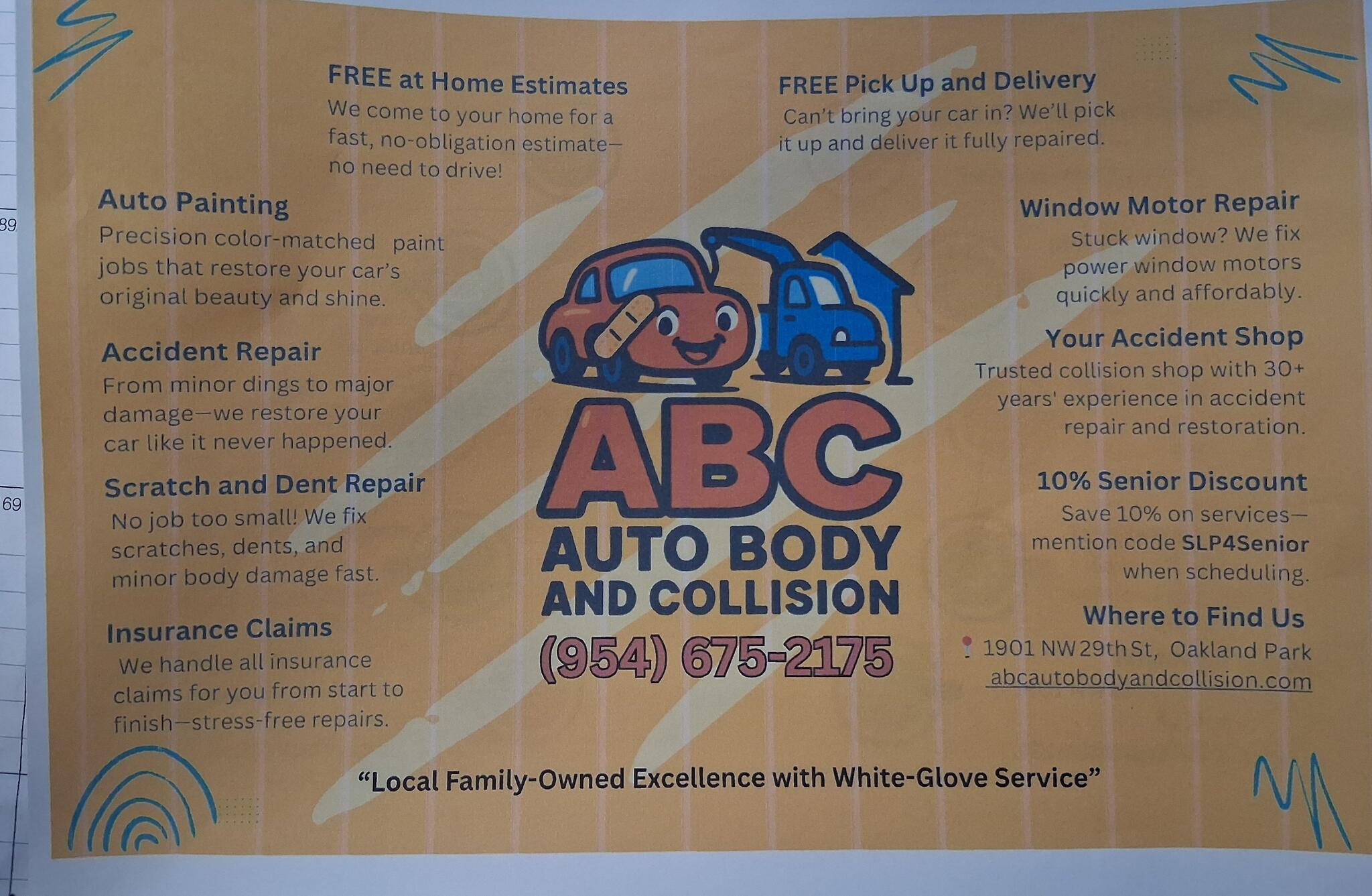
When navigating the aftermath of a vehicular collision, understanding the intersection between your auto body repair shop—such as an entity designated as ABC Auto Body—and your insurance coverage is vital. Insurance benefits for auto body repairs determine how claims are processed, which parts are used, who covers rental vehicles, and how out-of-pocket expenses are calculated. Managing these elements correctly ensures your vehicle is restored safely to its pre-loss condition without unexpected financial burdens.
Navigating auto body insurance benefits requires a clear grasp of how policies, direct repair programs (DRPs), and state regulations interact. Whether you are dealing with a minor fender-bender or a major structural overhaul, your insurer and your chosen repair facility operate under specific guidelines that dictate coverage limits, labor rates, and parts specifications. This guide explores the foundational components of auto body insurance benefits, how to maximize your coverage, and what steps to take to ensure a seamless repair process.
The Foundation of Auto Body Insurance Coverage
Auto body insurance benefits refer to the financial and logistical provisions included in your auto insurance policy that pay for the repair or replacement of your vehicle after a covered loss. These benefits are not a single monolithic entity; rather, they are a collection of specific coverages designed to address different types of damage and liability scenarios.
Understanding what triggers these benefits requires looking at the primary types of physical damage coverage:
- Collision Coverage: Pays for damage to your car when it hits another vehicle or an object, such as a tree, guardrail, or building, regardless of fault.
- Comprehensive Coverage: Protects your vehicle from damage caused by incidents other than collisions, including theft, vandalism, fire, hitting an animal, windstorms, or hail.
- Uninsured/Underinsured Motorist Property Damage (UMPD): Covers your vehicle repairs if you are struck by a driver who carries no insurance or insufficient insurance to cover the damage.
How Direct Repair Programs (DRPs) Function
Many insurance companies maintain networks of preferred collision facilities, often referred to as Direct Repair Programs (DRPs). When an auto body shop—including regional providers under names like ABC Auto Body—partners with an insurance carrier, they establish pre-negotiated labor rates, streamlined estimating procedures, and standardized repair protocols.
Utilizing a DRP-affiliated shop can offer several administrative benefits:
- Streamlined Claim Processing: The repair facility often handles the digital submission of photos, estimates, and supplemental damage requests directly to the insurer, reducing wait times.
- Guaranteed Repairs: Many DRP shops offer a lifetime warranty on workmanship for as long as you own the vehicle, backed jointly by the shop and the insurance carrier.
- Direct Billing: The insurance company pays the shop directly, minus your applicable deductible, eliminating the need for you to float the entire cost of repairs out of pocket.
However, policyholders generally have the legal right in most jurisdictions to choose any auto body shop they prefer, regardless of whether that shop is part of an insurer's DRP network. Non-network shops operate independently of insurer-negotiated rates, which can occasionally lead to negotiations regarding labor rates or specific repair procedures.
Key Types of Auto Body Insurance Benefits
When filing a claim for physical damage, your policy may provide several distinct tiers of benefits that extend beyond the basic structural repair of the vehicle.
| Benefit Type | Description & Operational Scope |
|---|---|
| Comprehensive/Collision Repair | Covers labor, structural straightening, painting, and mechanical restoration. |
| OEM vs. Aftermarket Parts | Dictates whether original equipment or alternative parts are used. |
| Rental Car Reimbursement | Pays for alternative transportation while your vehicle is in the shop. |
| Towing & Storage Coverage | Covers the cost of transporting the disabled vehicle to the repair facility. |
| Diminished Value | Compensates for the loss in resale value after major structural repairs (varies). |
OEM Versus Aftermarket Parts Provisions
One of the most heavily negotiated aspects of auto body insurance benefits involves the type of replacement parts specified for your repair. Insurance policies generally classify parts into distinct categories:
- Original Equipment Manufacturer (OEM) Parts: Produced by the vehicle’s original manufacturer. These parts guarantee precise fitment and maintain factory specifications, but they are typically the most expensive option.
- Aftermarket Parts: Manufactured by companies other than the original vehicle maker. Insurers often favor these because they cost less, though their fit, finish, and corrosion resistance can sometimes vary.
- Recycled or Salvage Parts: Genuine OEM components harvested from donor vehicles, commonly used for non-structural exterior panels or mechanical assemblies.
Your policy contract dictates whether your insurer is obligated to pay for OEM parts or if they have the contractual right to specify lower-cost aftermarket alternatives. Some insurers offer specific "OEM endorsements" for an additional premium, which guarantee that only original manufacturer parts will be used in the event of a claim.
Rental Vehicle and Ancillary Benefits
Being without a car disrupts daily routines, making auxiliary benefits essential.
- Rental Car Reimbursement: This optional or standard endorsement pays a daily maximum (e.g., $30 to $50 per day) up to a total aggregate limit (e.g., $900 to $1,500) while your vehicle is undergoing authorized repairs. It is important to verify whether your policy covers SUV/truck equivalents if you drive a larger vehicle.
- Towing and Labor Coverage: Reimburses the cost of towing your vehicle from the accident scene to a secure storage yard or directly to an auto body repair facility, as well as roadside assistance services like flat tire changes or jump-starts.
The Auto Body Repair and Claim Lifecycle
Maximizing your auto body insurance benefits requires understanding the sequential steps involved in moving from an accident scene to driving a repaired vehicle.
- Incident Documentation and Reporting: Document the scene with photographs, exchange insurance information with other parties, and file a formal police report if required by local law or the severity of the crash.
- Initial Claim Filing: Contact your insurance provider (or the at-fault driver's insurer) to open a claim. You will receive a claim number and an assigned claims adjuster.
- Vehicle Inspection and Estimation: The insurance adjuster or the chosen auto body shop inspects the vehicle to draft an initial repair estimate. This estimate identifies visible damage and outlines the projected cost of labor, parts, and paint.
- Tear-Down and Supplemental Estimates: Once the vehicle is at the repair shop, technicians perform a "tear-down"—removing damaged exterior panels to inspect hidden structural damage, sensors, and mechanical assemblies. If hidden damage is found, the shop submits a supplemental estimate to the insurer for approval.
- Execution of Repairs: Certified technicians execute structural realignment, body panel replacement, refinishing, and calibration of advanced driver assistance systems (ADAS).
- Quality Control and Final Delivery: The shop conducts a thorough quality inspection, road test, and cleaning before releasing the vehicle back to the owner upon payment of the deductible.
Common Misconceptions Regarding Auto Body Insurance Benefits
Policyholders frequently encounter misunderstandings that can complicate the repair process or lead to unexpected out-of-pocket expenses.
- The Myth of Shop Monopolization: Many drivers believe they are legally forced to take their vehicle to an insurance company's preferred shop. In almost all regions, consumers retain the absolute right to choose any qualified repair facility, such as ABC Auto Body, though out-of-network shops may require additional negotiation if their labor rates exceed regional averages.
- Deductible Waivers: Deductibles—the amount you agree to pay out of pocket before insurance benefits kick in—apply to nearly every comprehensive or collision claim unless you are not at fault and your insurer successfully subrogates (recovers costs) from the liable party's carrier.
- Assuming All Parts are Equal: Assuming an insurance estimate covers factory OEM parts can lead to surprise bills if the policy specifies alternative aftermarket parts. Reviewing your declarations page clarifies how parts are handled.
Financial and Legal Considerations
When evaluating auto body insurance benefits, several financial nuances impact the final outcome of your claim.
Betterment Charges
If your vehicle had pre-existing damage, rust, or worn-out parts (such as a balding tire or a severely corroded suspension component) that are replaced with brand-new parts during the collision repair, the insurer may apply a betterment charge. This is a prorated fee representing the estimated improvement in your vehicle's condition, requiring you to pay the difference for the new part.
Depreciation and Diminished Value
Even after expert repairs, a vehicle that has suffered major structural damage may carry a lower resale market value than an undamaged vehicle of the same year and model. Depending on state laws and the specifics of the accident (such as filing a third-party claim against an at-fault driver), you may be entitled to file a diminished value claim to recover this loss in market equity.
Frequently Asked Questions
Can I choose my own auto body shop instead of using the insurance company's recommended shop?
Yes. Policyholders generally have the legal right to select any auto body repair facility. While insurance companies often promote their Direct Repair Programs for speed and guaranteed workmanship, you are not obligated to use them unless specified by unique regional policy clauses.
What happens if the auto body shop finds hidden damage after repairs have started?
This is a standard occurrence in collision repair. The shop will document the hidden damage with photographs and measurements, then submit a supplemental estimate to your insurance adjuster for review and approval before proceeding with those specific repairs.
Who pays my deductible, and when do I pay it?
Your deductible is paid directly to the auto body shop upon completion of the repairs, prior to taking delivery of your vehicle. The insurance company pays the remaining balance of the approved repair bill directly to the shop.
Will filing an auto body claim cause my insurance rates to increase?
Whether your rates increase depends on state regulations, your insurance company's underwriting guidelines, and whether you were determined to be at fault for the accident. In many jurisdictions, filing a comprehensive claim (such as for hail or animal strikes) is less likely to trigger a rate hike than an at-fault collision claim.
Are ADAS sensor calibrations covered by insurance?
Modern vehicles rely heavily on Advanced Driver Assistance Systems (ADAS), such as lane departure warnings, blind-spot monitoring, and adaptive cruise control, which utilize cameras and radar sensors mounted in bumpers, windshields, and grilles. These sensors must be recalibrated after a collision. Reputable auto body shops include these necessary procedures in their estimates, and standard collision policies cover them as part of restoring the vehicle to safe operating condition.
Conclusion
Maximizing your auto body insurance benefits requires a clear understanding of your policy declarations, active communication with your claims adjuster, and selection of a qualified repair facility capable of executing complex modern vehicle repairs. By recognizing your rights regarding parts selection, shop choice, and supplemental estimates, you can navigate the repair process with confidence and ensure your vehicle is restored safely and professionally.