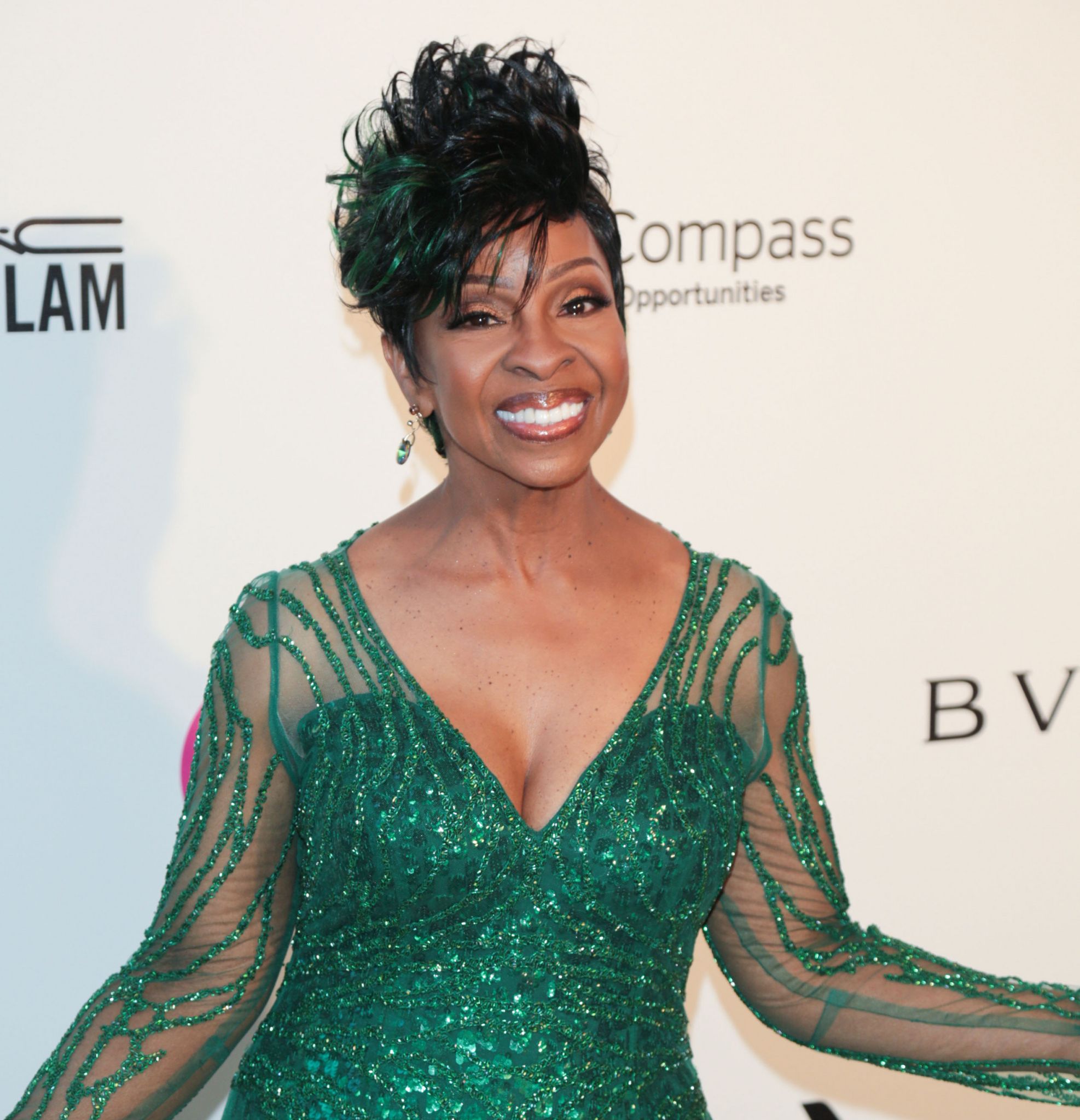
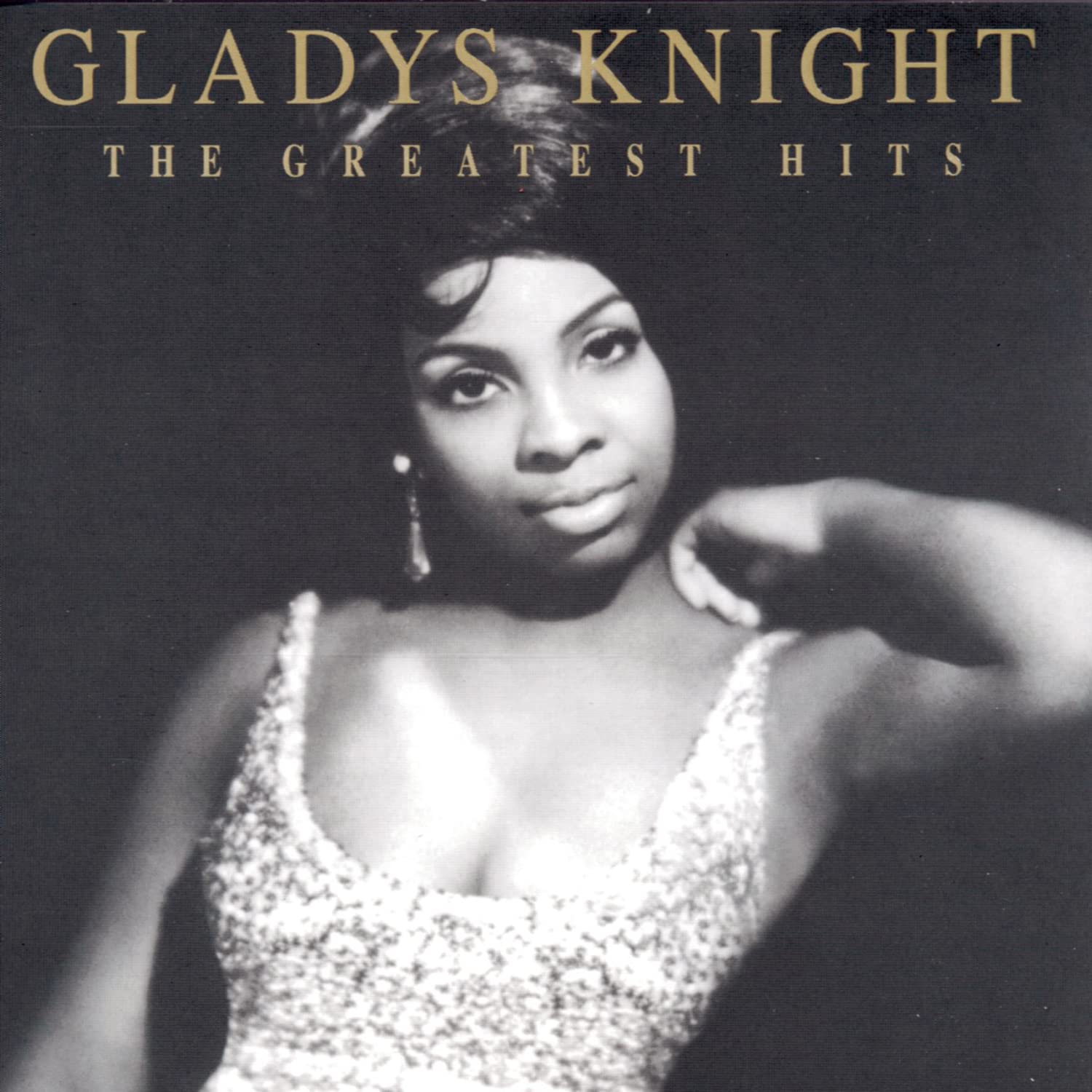
The relationship between Aaliyah and Gladys Knight represents a pivotal intersection in music history, blending the "Empress of Soul's" traditional mastery with Aaliyah’s "Street but Sweet" contemporary innovation. Connected by marriage and mentorship, their shared legacy defines the evolution of R&B, illustrating how one generation's foundational success paved the way for another's groundbreaking influence.
The Familial and Professional Bond
To understand the trajectory of Aaliyah Dana Haughton, one must look at the influence of Gladys Knight. The connection was established through Barry Hankerson, Aaliyah’s uncle and the founder of Blackground Records, who was married to Gladys Knight during the 1970s. This familial tie provided Aaliyah with an unprecedented look into the inner workings of the music industry from a very young age.
In 1990, at just 11 years old, Aaliyah performed alongside Gladys Knight during a five-night stint in Las Vegas. This was not merely a family favor; it was a rigorous introduction to professional showmanship. Knight, a seasoned veteran of the Motown era and beyond, served as a primary mentor, teaching the young singer about stage presence, vocal control, and the discipline required to maintain a career in the spotlight. This early exposure to Knight's work ethic and the sophisticated soul of the Pips influenced Aaliyah’s later ability to blend mature vocal textures with the hip-hop-inflected rhythms of the 1990s.
The Empress of Soul: Gladys Knight’s Foundational Impact
Gladys Knight’s position in music history is immovable. As the lead singer of Gladys Knight & the Pips, she became a cornerstone of the soul and R&B movements. Her voice—rich, resonant, and deeply emotive—set a standard for vocalists across genres. Knight’s journey through the 1960s and 70s with hits like "Midnight Train to Georgia" and "Neither One of Us (Wants to Be the First to Say Goodbye)" demonstrated a mastery of storytelling through song.
By the time Aaliyah entered the scene in the mid-1990s, Knight had already established the blueprint for the successful Black female crossover artist. Knight’s ability to navigate the transition from Motown to Buddah Records and eventually into a solo career provided a case study in longevity. In the context of music history, Knight represents the "Old Guard" of soul—a term used with immense respect—emphasizing live instrumentation, complex vocal harmonies, and a direct connection to the gospel tradition.
Aaliyah: The Vanguard of Contemporary R&B
If Gladys Knight was the foundation, Aaliyah was the architect of a new aesthetic. Emerging in 1994 with Age Ain’t Nothing but a Number, Aaliyah introduced a vocal style that was a stark departure from the powerhouse belting of the previous decade. Her voice was breathy, understated, and precise. This "less is more" approach became the hallmark of the "Street but Sweet" persona.
Aaliyah’s collaboration with producers Timbaland and Missy Elliott on the 1996 album One in a Million changed the sonic landscape of music history. They moved away from traditional 4/4 soul beats toward jagged, avant-garde rhythms and experimental sampling. While she respected the soulful roots of her aunt's generation, Aaliyah was unafraid to push R&B into the digital age. This evolution ensured that the genre remained relevant to a younger, hip-hop-centric audience, effectively bridging the gap between the soul of the 70s and the futuristic sounds of the early 2000s.
Comparative Analysis of Artistry and Impact
While their styles differed significantly, the core tenets of their artistry shared common ground. Both women prioritized emotional authenticity and technical precision. Knight’s power and Aaliyah’s subtlety were two sides of the same coin: the use of the voice as a versatile instrument tailored to the cultural zeitgeist of their respective eras.
| Feature | Gladys Knight | Aaliyah |
|---|---|---|
| Vocal Archetype | Mezzo-soprano, rich and "husky" soul power | Light lyric soprano, breathy falsetto |
| Primary Genre | Soul, R&B, Gospel, Adult Contemporary | Contemporary R&B, Hip-Hop, Pop |
| Key Career Milestone | "Midnight Train to Georgia" (Grammy Winner) | One in a Million (Redefined R&B production) |
| Performance Style | Classically poised, emotive storytelling | Modern choreography-heavy, mysterious |
| Influence | Paved the way for female-led soul groups | Blueprint for the "alt-R&B" and digital-age artists |
| Mentorship Role | Progenitor and direct mentor to Aaliyah | Icon for Gen Z/Alpha R&B revivalists |
The Business of Music: Blackground Records and Beyond
The spotlight of music history often shines on the performers, but the business structures behind them are equally significant. The link between Knight and Aaliyah was solidified by Barry Hankerson’s management and the eventual formation of Blackground Records. Hankerson’s experience managing a legend like Gladys Knight gave him the strategic insight to launch Aaliyah’s career with a level of sophistication rarely seen in teenage debuts.
However, this business connection also brought complexities. The history of Blackground Records is fraught with legal battles and distribution hurdles that, for many years, kept Aaliyah’s catalog off digital streaming platforms. In 2026, as we look back on the resolution of these issues, it is clear that the management style honed during the era of Knight’s peak was applied—sometimes controversially—to protect and curate Aaliyah’s image. This protective "mystique" helped maintain Aaliyah’s relevance long after her passing in 2001, ensuring that her presence in the spotlight remained untarnished.
Technical Vocal Evolution: From Belting to Minimalism
A critical aspect of their shared history is the technical shift in R&B vocalization. Gladys Knight’s technique is rooted in the "chest voice," allowing for powerful, sustained notes that can cut through a live band and a wall of brass. This style was necessary in an era where live performance and analog recording demanded high acoustic energy.
In contrast, Aaliyah pioneered the use of the "head voice" and "whisper-singing" in a way that anticipated the high-fidelity recording capabilities of the late 20th century. By 2026, musicologists have identified Aaliyah’s vocal layering—where she would record multiple takes of her own harmonies to create a lush, ethereal "choir"—as a direct evolution of the group harmonies popularized by acts like the Pips. She took the collective harmony of her aunt's era and internalized it, making it a solo studio technique.
Cultural Iconography and Fashion
Both women utilized the spotlight to define the fashion of their times. Gladys Knight epitomized the elegance of the 1970s, with sequins, glamorous gowns, and sophisticated hairstyles that signaled a high-status professional image. She represented the aspiration of the Black middle class and the crossover success of the Motown "charm school" philosophy.
Aaliyah, conversely, became a global fashion icon by embracing a "tomboy chic" aesthetic. Her use of oversized streetwear, bandanas, and the iconic "swoop" hair over one eye challenged the traditional hyper-femininity expected of female R&B stars. This was a revolutionary move in the spotlight of music history, as it shifted the focus from the artist’s body to her attitude and movement. In 2026, Aaliyah’s influence remains visible in the collections of major fashion houses and the daily attire of a new generation that prizes gender-fluid styling.
The Enduring Legacy in 2026
As of 2026, the 25th anniversary of Aaliyah's passing serves as a reminder of the fragility of talent and the permanence of influence. Gladys Knight, now a legendary elder stateswoman of music, continues to be celebrated for her contributions to the Great American Songbook. The two women are frequently cited together in retrospectives of the "Black Music Honors" and similar institutions that recognize the lineage of R&B.
Aaliyah’s impact is perhaps most visible in the "Alt-R&B" movement of the 2010s and 2020s. Artists like SZA, Tinashe, and H.E.R. have all cited the "Aaliyah sound" as foundational to their work. This sound—characterized by atmospheric production and subtle vocals—would not have had the same commercial path without the industry doors kicked open by Gladys Knight decades earlier.
Frequently Asked Questions
Was Gladys Knight related to Aaliyah?
Yes, Gladys Knight was Aaliyah’s aunt by marriage. Knight was married to Barry Hankerson, Aaliyah’s maternal uncle, from 1974 to 1979. Despite the divorce occurring before Aaliyah’s career took off, the familial bond and mentorship remained a significant part of Aaliyah’s early life and professional development.
Did Aaliyah and Gladys Knight ever record a song together?
While there are no widely released studio recordings of a duet between the two, Aaliyah famously performed with Gladys Knight during a residency in Las Vegas in 1990. Footage and accounts of these performances exist, showcasing a young Aaliyah learning the ropes of professional stagecraft under Knight's guidance.
How did Gladys Knight react to Aaliyah’s death?
Gladys Knight was profoundly affected by the tragic passing of Aaliyah in 2001. She has spoken in numerous interviews about her niece's "old soul," her immense talent, and the pain of seeing such a bright light extinguished prematurely. Knight often emphasizes that Aaliyah had a maturity beyond her years, which was evident from their first time on stage together.
What is the "Street but Sweet" aesthetic?
The "Street but Sweet" aesthetic was the branding term used to describe Aaliyah’s unique blend of hip-hop elements (the "street") with her soft, melodic vocals and feminine charm (the "sweet"). This duality allowed her to appeal to both the hard-edged urban market and the broader pop audience, a strategy that many modern artists still use today.
Who owns the rights to Aaliyah’s music in 2026?
As of 2026, the rights to Aaliyah’s most famous recordings (the Blackground catalog) remain under the control of Blackground Records 2.0, founded by Barry Hankerson. After years of being unavailable, the catalog was released to streaming platforms starting in late 2021, allowing a new generation to access her music history.
Practical Recommendation for Music Historians
For those seeking to deeply understand the evolution of R&B, it is essential to study the transition between the 1970s soul era and the 1990s contemporary movement. Begin by listening to Gladys Knight & the Pips’ Imagination (1973) to understand the peak of traditional soul arrangement. Follow this with Aaliyah’s One in a Million (1996) to observe how the rhythmic structures and vocal approaches were deconstructed and rebuilt for a new era. This comparative listening provides a clear roadmap of how the spotlight of music history shifted focus while maintaining its soulful core.