The Stranger Things pop-up experiences in Los Angeles, notably "The Experience" and "The Store," offered fans an immersive journey through Hawkins Lab, the Upside Down, and Starcourt Mall. Key highlights included interactive "superpower" simulations, meticulously detailed set recreations like Joyce Byers' living room, and themed dining at Scoops Ahoy and Surfer Boy Pizza.
The Evolution of Hawkins in the City of Angels
Since the debut of the Netflix phenomenon, Los Angeles has served as a primary hub for the show’s most ambitious physical activations. As we look back from 2026, these pop-ups—ranging from the "Drive-Into" experience during the pandemic era to the massive "Stranger Things: The Experience" in Montebello—have redefined what fans expect from immersive media. These events were not merely retail opportunities; they were high-production theatrical environments that utilized spatial audio, 3D projection mapping, and live performance to bridge the gap between the screen and reality.
The Los Angeles iterations were particularly significant due to their scale. While other cities hosted smaller versions, the LA locations often served as the flagship testing grounds for new technology and set designs. For those who navigated the dark corridors of the lab or shared a sundae at the Starcourt Mall, the experience remains a benchmark for the "Experience Economy." Below, we break down the seven most significant highlights that defined these legendary Los Angeles pop-ups.
1. The Hawkins Lab Immersive Mission
The centerpiece of "Stranger Things: The Experience" in Los Angeles was the scripted, immersive walkthrough set within a recreation of Hawkins National Laboratory. Unlike traditional "haunted houses," this was a narrative-driven journey where visitors were cast as test subjects in a sleep study gone wrong.
The Narrative Architecture
Participants were divided into small groups (often color-coded like the test subjects in the show) and led through various testing rooms. The highlight here was the "telekinesis" room, where guests were encouraged to use their "powers" to interact with the environment. Through a combination of hidden sensors, magnetic actuators, and synchronized lighting, objects appeared to move or break based on the collective gestures of the audience. This level of interactivity was a major technological leap for temporary pop-up installations in 2022 and 2023.
Technical Sophistication
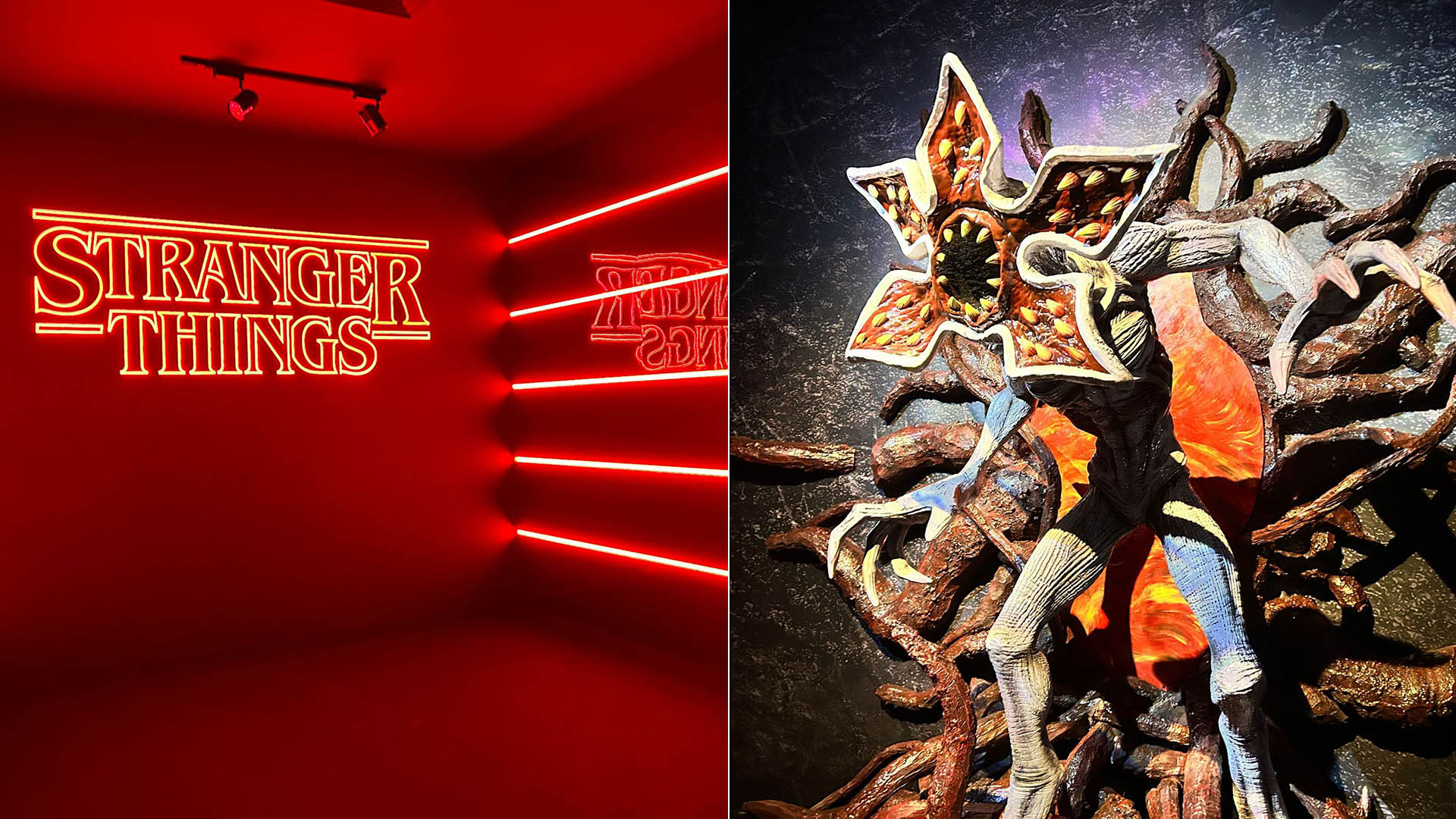
The climax of the lab mission involved a 3D "Rift" sequence. Using specialized glasses, guests witnessed a battle between the show's protagonists and the Demogorgons. The technical execution involved high-lumen projectors and floor-shaking haptics, creating a sensory overload that effectively simulated an escape from the Upside Down. For many fans, the highlight was not just seeing the monsters, but feeling the "presence" of Eleven and the gang through spatialized voice acting recorded specifically for the event.
2. The Mix-Tape: A Social Hub of 1986
Once the "danger" of the lab mission concluded, visitors were funneled into "The Mix-Tape," a massive social space that recreated the vibrant, neon-soaked aesthetic of the mid-80s. This was a "free-roam" area that allowed for a deeper dive into the show’s lore without the pressure of a scripted narrative.
Atmospheric Design
The Mix-Tape served as a living museum of 1980s Americana. Designers utilized authentic vintage props—from wood-paneled televisions to period-accurate arcade cabinets—to ground the fantasy of the show in a recognizable reality. The Los Angeles location was particularly praised for its scale, offering enough room for several distinct "neighborhoods" within the Hawkins universe.
Live Character Interaction
Throughout the Mix-Tape, actors portrayed various Hawkins residents, from frantic lab technicians to gossiping mall rats. These interactions were unscripted, allowing fans to engage in "in-universe" conversations. This layer of LARPing (Live Action Role Playing) added a level of depth that made the Los Angeles pop-up feel like a permanent theme park installation rather than a temporary marketing event.
3. The Palace Arcade: Retro Gaming Authenticity
No recreation of Hawkins would be complete without the Palace Arcade, and the Los Angeles pop-ups delivered this with a high degree of historical accuracy. This highlight was more than just a backdrop; it was a fully functional gaming center that allowed fans to compete for high scores, just like Dustin and Lucas.
The Hardware
The arcade featured a mix of original vintage cabinets and modern emulations housed in custom-built retro shells. Games like Dig Dug, Centipede, and Galaga were available to play, often with a "Hawkins" twist on the leaderboard. The tactile feel of the joysticks and the specific "hum" of CRT monitors provided an olfactory and auditory nostalgia that younger fans experienced for the first time and older fans remembered vividly.
Competitive Culture
The Los Angeles events often hosted "high score" nights, mirroring the competitive spirit seen in Season 2. This communal aspect of the pop-up turned it from a passive viewing experience into an active social venue. The integration of the arcade into the larger "Mix-Tape" area ensured that the sounds of 8-bit explosions and neon lights remained the heartbeat of the experience.
4. Themed Gastronomy: From Scoops Ahoy to Surfer Boy Pizza
Food and beverage played a crucial role in the immersion of the Los Angeles pop-ups. Rather than standard event concessions, the catering was an extension of the show’s brand, featuring locations that fans had spent hours watching on screen.
Scoops Ahoy
The recreation of the Starcourt Mall’s premier ice cream parlor was a visual highlight. Complete with the nautical blue-and-white stripes and the "USS Butterscotch" sundae, the shop was a primary photo destination. The Los Angeles location partnered with local creameries to ensure the quality of the product matched the high production value of the set.
Surfer Boy Pizza and The Upside Bar
For those looking for more than sweets, the Surfer Boy Pizza stand provided the "Argyle experience," complete with yellow delivery boxes and California-style thin-crust pizza. Adults could visit the "Upside Bar," which served specialized cocktails such as the "Demogorgon" (a spicy, red-hued drink) or the "Friends Don't Lie" mocktail. The attention to detail extended to the garnishes and the names of the drinks, which were all deep-cuts into the show’s script.
5. Iconic Set Recreations: The Byers' Living Room
One of the most photographed highlights of the Los Angeles "Store" at The Grove and the Montebello "Experience" was the meticulous recreation of the Byers' living room from Season 1. This set has become the visual shorthand for the entire series.
Attention to Detail
Every element was accounted for: the floral wallpaper, the rotary phone, the tangled Christmas lights draped over the painted alphabet, and even the specific clutter on the coffee table. Designers used distressing techniques to make the furniture look lived-in and aged, avoiding the "too clean" look that often plagues movie sets.
The "Photo Op" Evolution
In the Los Angeles pop-ups, these sets were designed with lighting specifically optimized for social media. Ring lights were often hidden within "vintage" lamps, and the alphabet wall was programmed to flicker in sequences that mimicked Will Byers trying to communicate from the Upside Down. This intersection of 1980s aesthetics and 2020s technology made this highlight the most shared aspect of the events.
6. Exclusive Merchandise: The Hellfire Club and Beyond
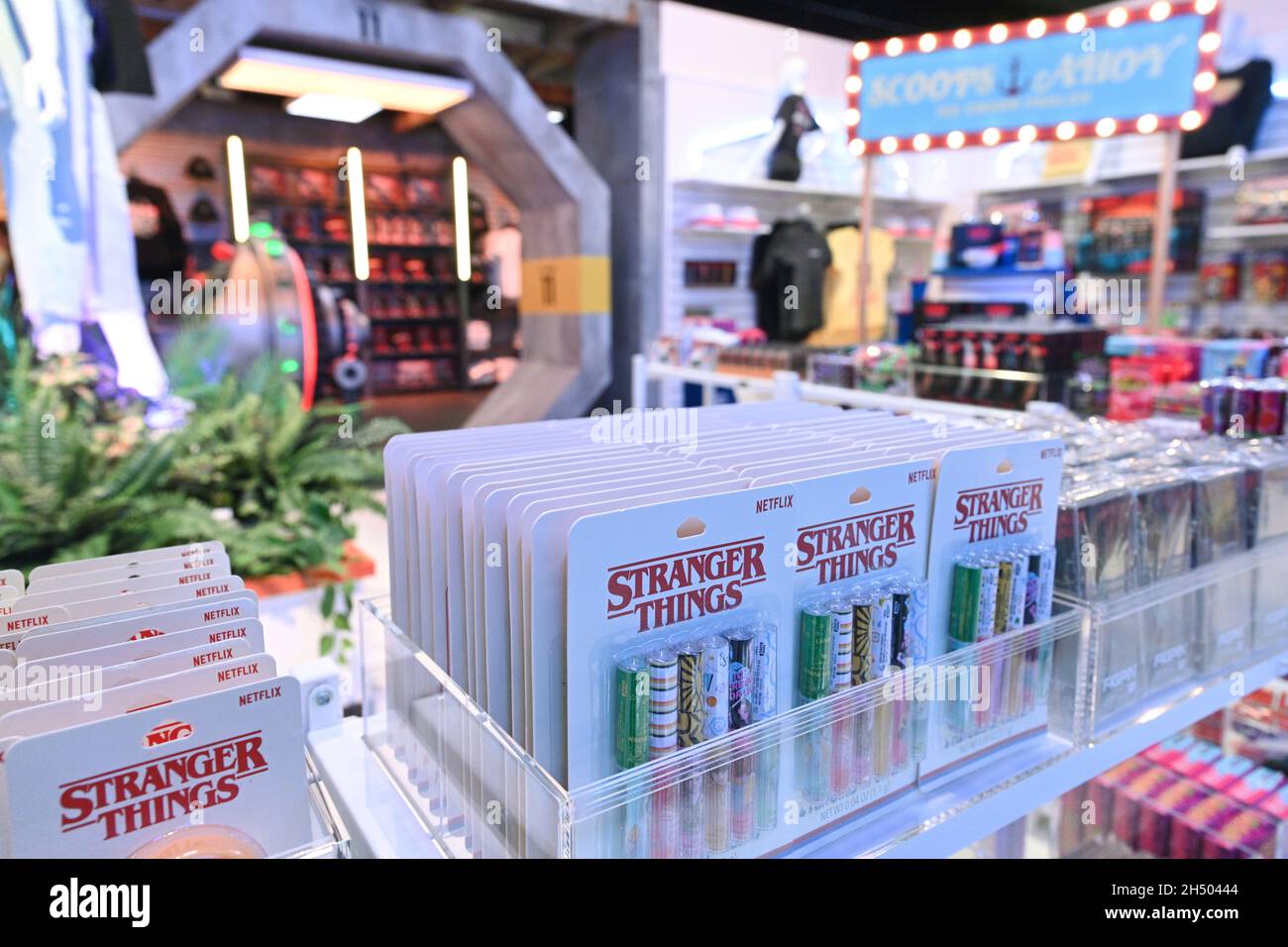
For many, the draw of the Los Angeles pop-up was the "Store" component, which featured items that were not available through standard online retailers or big-box stores. The "Stranger Things: The Store" at The Grove was a standalone highlight that attracted thousands of shoppers.
Customization Stations
A major highlight was the ability to customize apparel. Fans could choose patches, pins, and screen prints to create their own "Hellfire Club" gear or Hawkins High varsity jackets. This element of personalization turned a shopping trip into a creative activity, reinforcing the fan's identity as a "member" of the Hawkins crew.
Rare Collectibles
The Los Angeles locations often received "LA-exclusive" merch, such as limited edition posters designed by local artists or vinyl soundtracks with unique color pressings. In the context of 2026, these items have become highly sought-after collectibles on the secondary market, proving that the pop-up’s influence extended far beyond the duration of its physical residency.
7. The Rift: High-Tech Visual Effects
The final highlight of the Los Angeles experience was the "Rift" itself—the gateway to the Upside Down. This was often the transition point between the lab and the social areas, and it represented the peak of the event's visual effects.
Practical and Digital Synergy
The Rift utilized a combination of "physical" vine-like structures (the "Upside Down" growth) and digital projection. Smoke machines and low-frequency bass speakers created an oppressive, chilling atmosphere that stood in stark contrast to the neon warmth of the Mix-Tape.
The Sensory Experience
Visitors noted the "smell" of the Upside Down—a damp, earthy scent engineered by olfactive branding experts to enhance the immersion. The visual of "spores" floating in the air (achieved through clever lighting and micro-particulates) provided a tactile sense of unease that was frequently cited as the most impressive technical achievement of the Los Angeles installation.
Comparison of Los Angeles Stranger Things Activations
To help understand the differences between the various iterations of these pop-ups in the LA area, the following table compares the three most significant events.
| Feature | The Experience (Montebello) | The Store (The Grove) | The Drive-Into (Row DTLA) |
|---|---|---|---|
| Primary Format | Walkthrough Immersive Theater | Immersive Retail/Photo Ops | In-Car Immersive Theater |
| Duration | ~45 min mission + unlimited social | Self-paced shopping | ~60 min drive-through |
| Main Highlight | Interactive "Superpowers" | Set Recreations (Byers' Room) | Stunt-driving & Large Screens |
| Food & Drink | Full Bar & Themed Snacks | Limited Sweets | Drive-in Style Concessions |
| Interactive Tech | 3D Rift & Kinetic Sensors | Interactive Photo Booths | Radio-synced Audio & Live Stunts |
| Year(s) Active | 2022–2023 | 2021–2022 | 2020–2021 |
Logistics and Planning: A Retrospective Guide
While these specific major runs have concluded, the lessons learned from their logistics continue to influence current 2026 immersive events. If you are looking for similar experiences or "Stranger Things" legacy sites in Los Angeles, keep the following in mind:
- Location Strategy: The Montebello site was chosen for its massive warehouse space, allowing for the ceiling heights required for the "Rift" effects. The Grove, conversely, prioritized high foot traffic and "Instagrammability."
- Ticketing Tiers: The "VIP" tickets were a significant part of the Los Angeles model, offering "priority access" and a complimentary drink. This tiered system has since become standard for Netflix "Live" events (such as the Bridgerton Balls).
- Safety and Accessibility: Despite the "scary" nature of the show, these pop-ups were designed to be ADA-compliant and offered "sensory-friendly" nights with reduced lighting and sound effects—a practice that began in Los Angeles and expanded globally.
Frequently Asked Questions
Can I still visit the Stranger Things pop-up in Los Angeles in 2026?
As of 2026, the major "Experience" and "Store" residencies have concluded their Los Angeles runs. However, Netflix frequently hosts "Best Of" activations or smaller promotional pop-ups around the release of new franchise content. It is recommended to check the official Netflix "Tudum" site for current local schedules.
How much did tickets for the Los Angeles experience cost?
Historically, tickets for "The Experience" started at approximately $44 for adults, while "The Store" was free to enter but often required a reservation due to high demand. VIP packages for the immersive walkthrough typically ranged from $80 to $120, depending on the day and time.
Was the experience suitable for children?
The Los Angeles pop-ups were generally recommended for ages 13 and up due to the "jump scares" and dark atmosphere of the Hawkins Lab section. However, younger children were permitted with parental supervision, and many families enjoyed the "Mix-Tape" social area without participating in the more intense lab mission.
How long did it take to go through the entire pop-up?
The scripted portion of "The Experience" lasted roughly 45 to 50 minutes. Most visitors spent an additional hour in the "Mix-Tape" area for food, photos, and arcade games. At "The Store," visitors typically spent 30 to 45 minutes exploring the sets and shopping.
Are the Los Angeles sets preserved anywhere?
Many of the high-fidelity sets from the Los Angeles pop-ups were designed to be modular. Some have been moved to Netflix's permanent archives, while others have been repurposed for international tours in cities like London, Paris, and Sao Paulo.
Final Recommendations
For those who missed the original Los Angeles runs, the legacy of these pop-ups lives on in the burgeoning "District" models of immersive entertainment. If you are in Los Angeles in 2026 and seeking that "Hawkins" feeling, look for permanent retro-themed arcades in Echo Park or specialized horror-themed bars in Hollywood that often draw inspiration from the show's aesthetic. The Stranger Things pop-ups proved that fans don't just want to watch their favorite stories—they want to live inside them, and Los Angeles remains the premier city to witness that boundary being pushed.